Mt. Baker
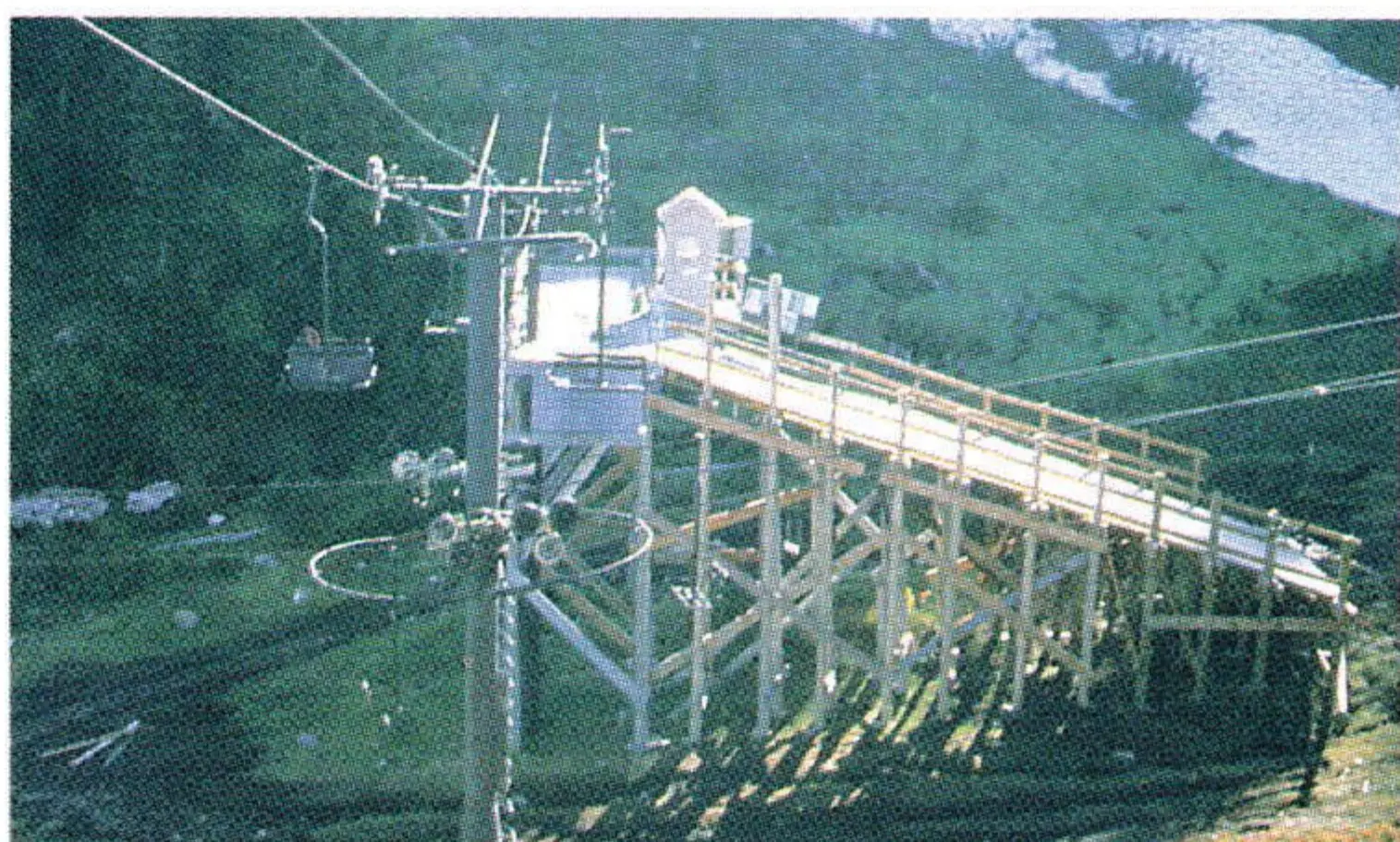
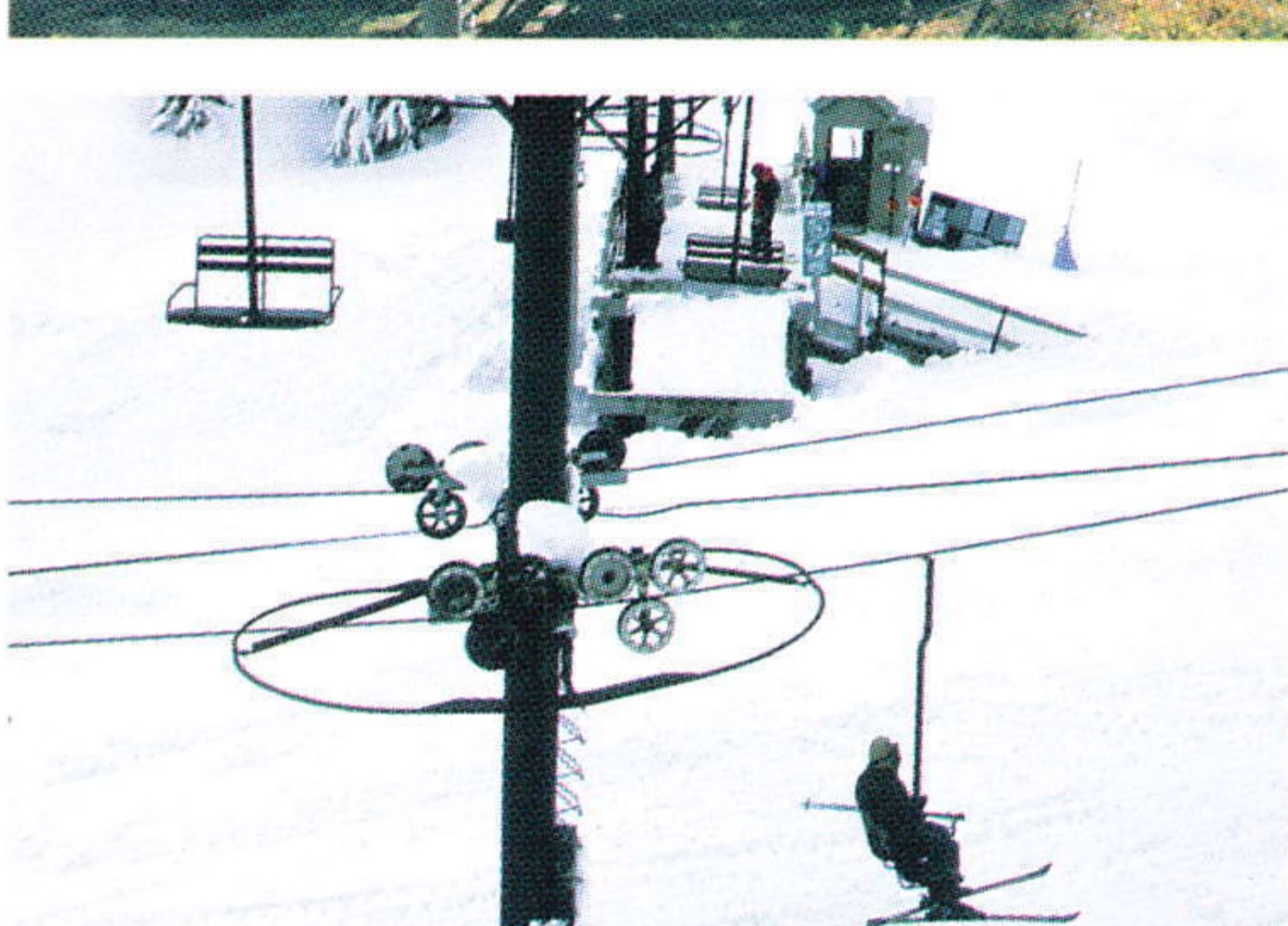
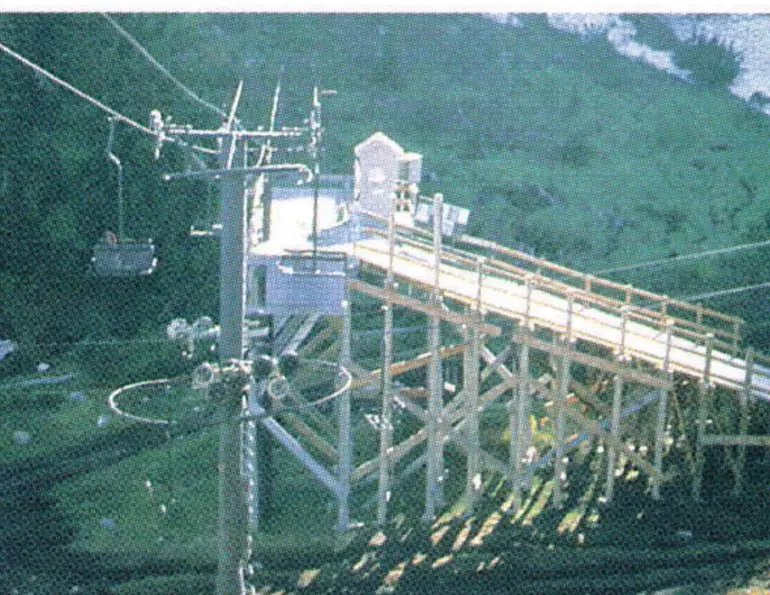
Management at Mt. Baker, Wash., recently began a four-year upgrade plan to convert all remaining six double lifts to fixed-grip quads. The upgrade started this past summer with the conversion of a Riblet beginner lift to a Riblet quad. The new diesel-powered lift used existing towers and the same footprint, but increased capacity to 1,500 pph. Two other chairs will be upgraded this summer and three more will follow in subsequent years.
Also part of the upgrade was a plan to tackle the area’s infamous double-black diamond unloading ramps, which some say helped spawn the snowboard step-in binding revolution. The ramps, which were built in the 1960s and 1970s, were designed for 20- to 30-foot accumulations. While Mt. Baker holds the world record for the most snowfall ever recorded on earth, with 1,140 inches falling in the winter of 1998-99, the average snowfall is 645 inches. Accumulations rarely hit the 20- to 30-foot mark (that record season saw 26.5 feet of accumulated snow at one point), so Baker designed the drive and return stations to be adjustable by 10 feet, allowing many beginner and intermediate skiers and snowboarders to better negotiate the unloading ramps during normal snow seasons.
Breckenridge
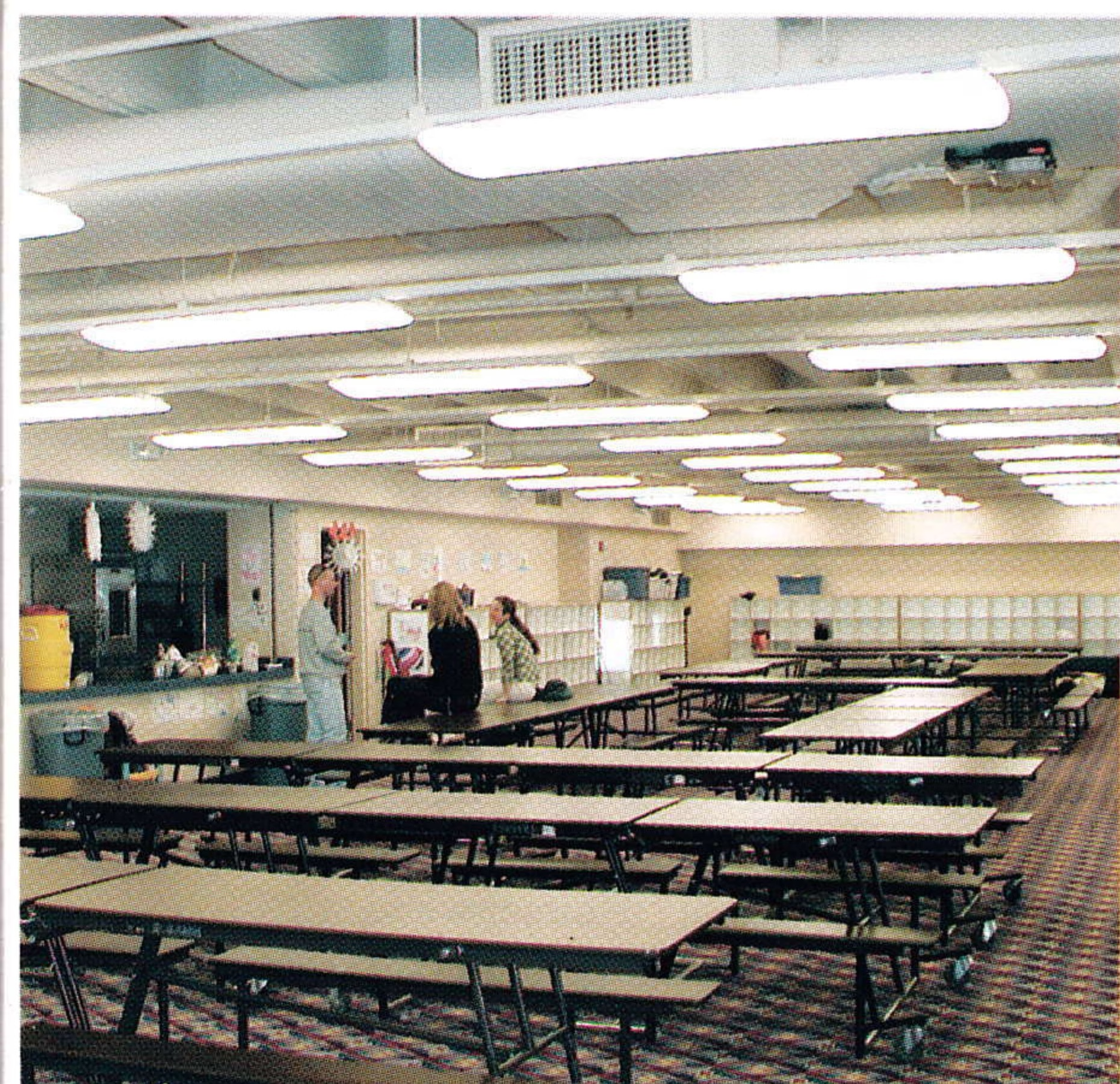
Vail Resorts spent $7 million last summer on improvements to facilities such as new ski check facilities, additional snowcats and restraining bars on two fixed-grip double chairlifts. However, the lion’s share of the capital went toward the creation of a comprehensive children’s ski school and nursery facility at the base of Peak 9 in the company’s Village at Breckenridge Resort property.
The expansion allows the resort to host 300 to 400 three- to 12-year-old children in its Ski and Ride School, as well as provide for the first time a nursery program for 2-month to 3-year-old kids. During peak times, capacity can be expanded to allow 100 more children. The facility is 13,000 square feet and accommodates the different groups in separate but adjacent spaces. Included in the design is an area for rental equipment, break-out rooms for different age groups, laundry rooms, kitchen and lunchroom. The building also consolidates check-in, ticketing, retail and meeting places. And while the facility is located on the pond level of the Village at Breckenridge, the expansion included installation of an elevator, delivering children to the plaza level of the Village complex adjacent to the chairlift.
Vail also cut six trails of exclusively lower intermediate terrain on the lower half of Peak 7. The trails represent 165 acres of additional terrain. The second phase of improvements, which is to include a high-speed, high capacity lift, snowmaking, patrol hut and skier services, is slated for completion for the 2002-03 ski season.
Alta
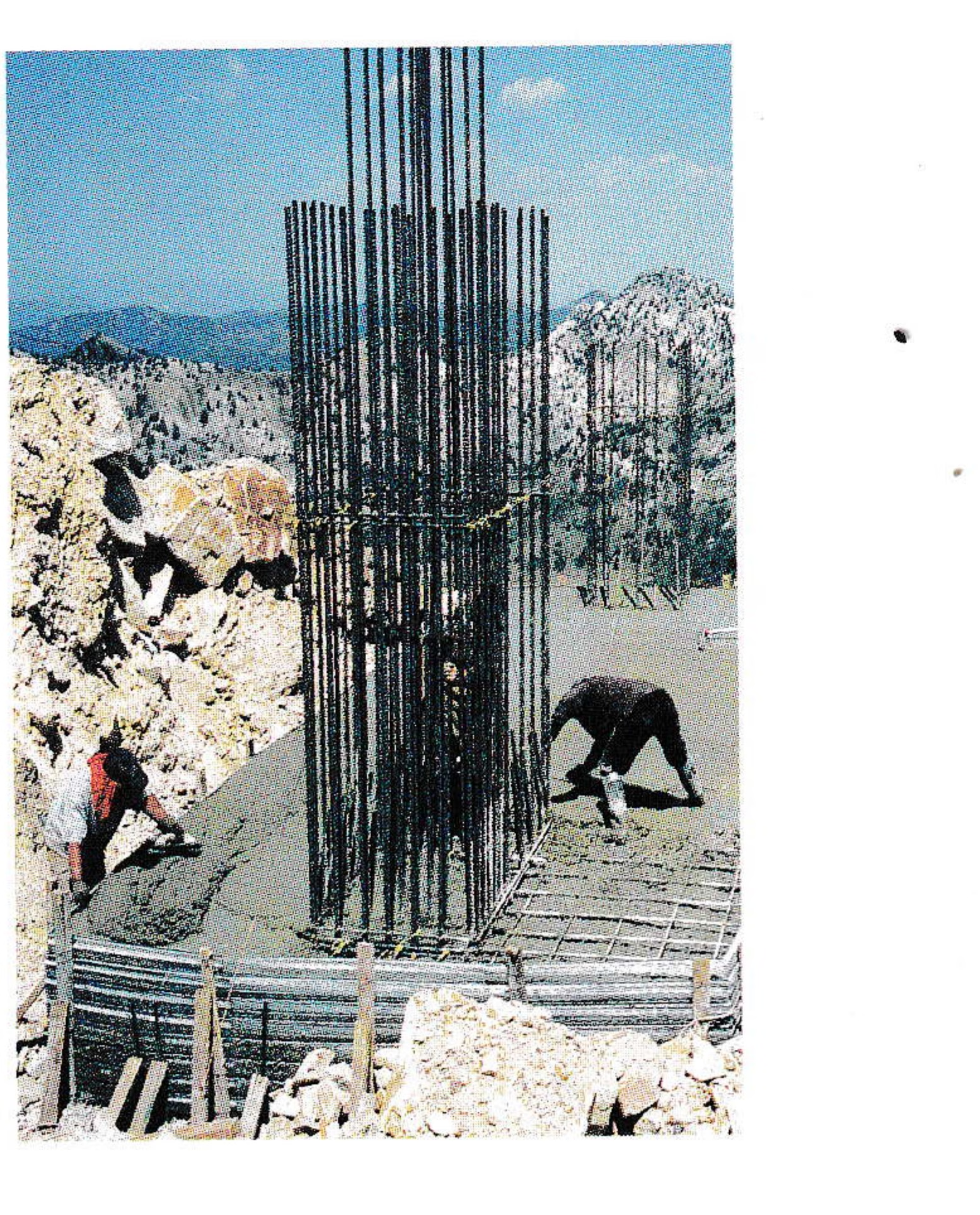
This past summer, construction crews at Alta, Utah, were busy installing the ski area’s first detachable quad, which will provide the connection point between Alta and Snowbird. The new Garaventa CTEC follows the same route as the old Sugarloaf fixed-grip triple chair. The triple was originally a Hall double that was converted to a Yan triple with new line gear replaced by CTEC in 1992. The quad hikes capacity from 1,425 pph to 1,800 pph. It has a design capacity of 2,400 pph with 102 chairs. The project meant replacing both terminals and one-third of the towers over a line length of 5,042 feet and a climb of 1,351 vertical feet for a VTFH of 2,432.
A key feature of the new lift is its hydraulically adjustable bottom terminal. It can be adjusted up to six feet in height. Each leg of the bottom terminal’s stanchions is slotted and a pin is removed in order to change the height using hydraulic ramps. When that happens, the sheave trains on the first tower have to be realigned. As of February 1, it’s been adjusted twice because of copious snow. Crews also did some terrain work on the trails accessed by the new quad, widening and regrading so the lift’s speed can be increased without affecting density on those slopes. Management also decided to space the chairs farther apart than usual so speed increases would have no effect on Alta’s famously uncrowded slopes. To save space at the bottom terminal and allow skiers to bypass the loading area with ease, the quad’s loading takes place perpendicular to the liftline right at the back of the chair conveyor contour.

Yellowstone
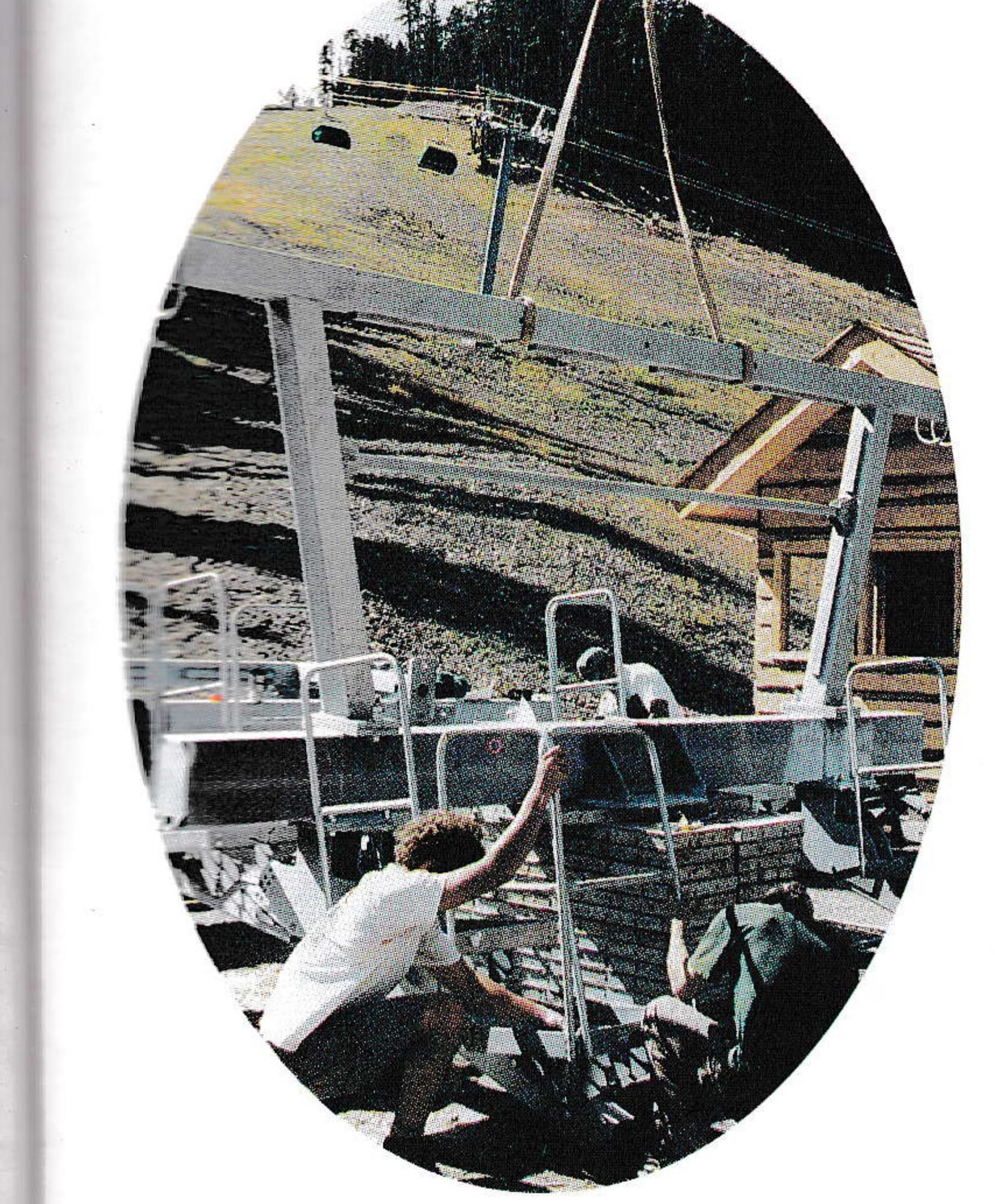
Three lift projects at the members-only Yellowstone Club, Mont., over the summer kept construction crews busy. Two of them, a detachable quad and a fixed-grip double, were completed; the third, a pulse lift using fixed-grip quad chairs, was started with completion planned this coming summer. All of the equipment was supplied by Doppelmayr. The fixed-grip double is a low-capacity lift being used solely to connect two sections of the mountain. It crosses a river at the resort and stretches for 676 feet, only gaining 17.5 feet of vertical. It currently uses just nine chairs for a capacity of 300 pph. It serves as access for club members to reach Big Sky Resort, but not the other way around as Big Sky skiers will not be allowed access to Yellowstone.
The detachable quad, or the Andesite lift, was put in largely to service the homeowners on Andesite Ridge. The lift is 5,393 feet long and climbs 1,355 vertical feet. At maximum capacity, the detachable can run at 1,900 pph, but currently runs at 1,180 with 56 chairs. Every other chair is a bubble chair so guests have a choice of protection or not, just like the other detachables at Yellowstone.
This summer, the area will complete Meadow, a Doppelmayr fixed-grip pulse lift with four groups of three quad bubble chairs, which will increase to four groups of five chairs in the future. The main function of the lift will be to bring skiers home from Big Sky or to disperse them at homesites. The 6,082-foot lift will travel 1,000 feet per minute and each group of chairs will slow as it approaches the terminal for a capacity of 300 pph. There’s also a mid-station for loading and unloading. Trip time is eight minutes, with a 2-1/2 minute wait for each group of chairs.
Cascade
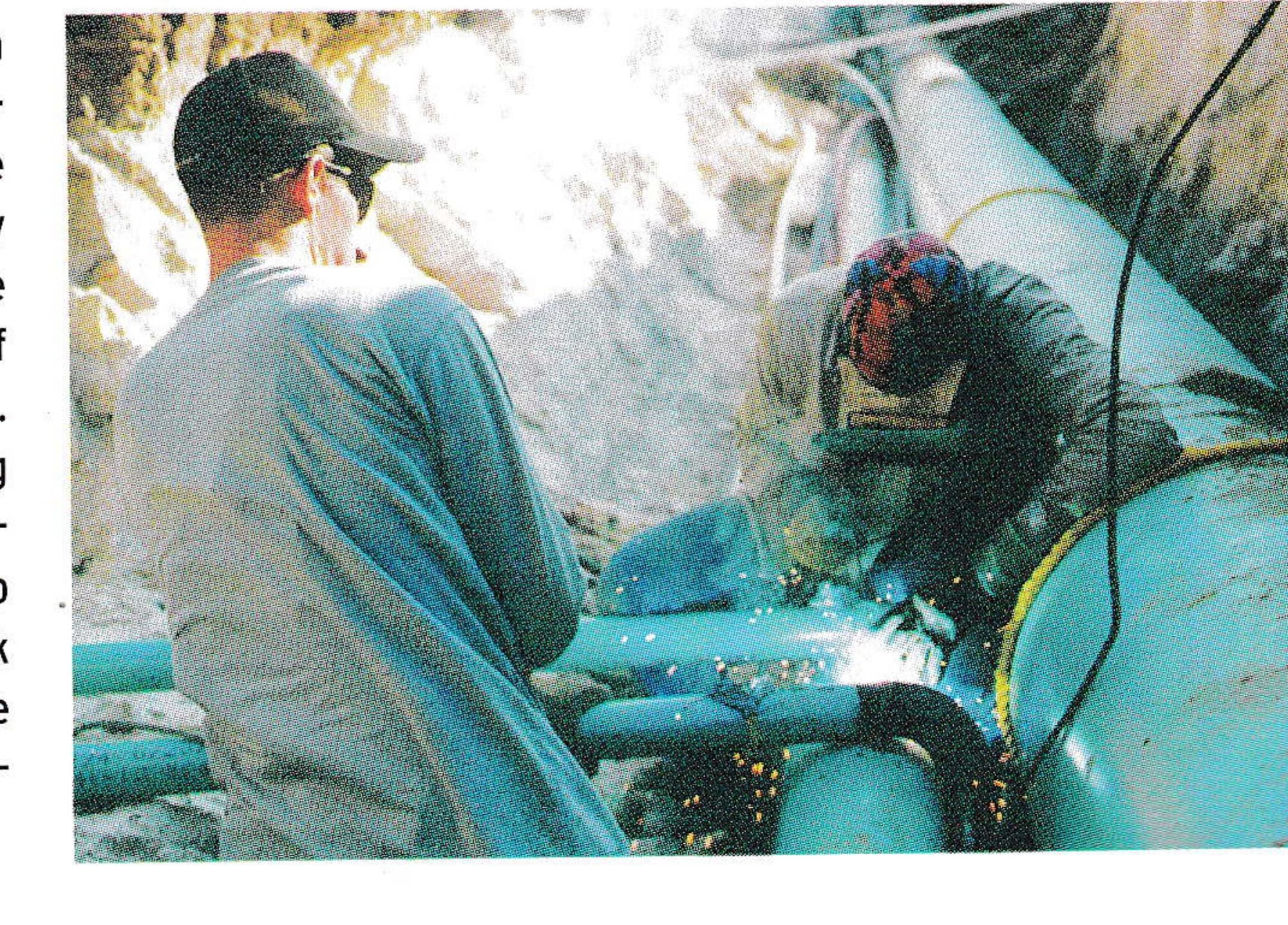
Cascade embarked on a $1.8 million snowmaking overhaul last summer to solve its labor shortage problem. The Wisconsin ski area turned to York Snow for an automated system. The installation was handled by SME (Snow Mountain Engineering), which entailed burying 30,000 feet of plastic-coated steel pipe covering one third of Cascade’s skiable acreage. For the remaining two thirds, which is serviced by above ground piping, York computer-controlled, underground valve block houses were put in for charging and draining. Mark Meadows of Torrent Engineering took care of the engineering of the on-mountain piping system and York’s Denver staff did the rest.
The system features 119 York tower guns, including eleven B-12s (the ending numbers refer to the height in meters), six B-3s, two double-headed B-6s and thirty-one B-6s. Each Borax is mated to a York YA automatic hydrant and every group of five guns is linked to its own weather sensor. There are also 69 low energy York Rubis Guns, R-10s. The five rental diesel compressors were fully automated into the system. The result? With one system controller and one groomer on call, Cascade produced snow day and night without the hassle of staffing up.