Angel Fire Ski Area in New Mexico had a big problem: We were tired of trying to satisfy our beginning and novice customers’ varying, and often minimal, abilities with the operational limitations of an old chairlift. We wanted our lift to be more user-friendly and to accommodate the needs of any skiers who showed up, even if that meant changing the operating parameters daily.
Specifically, we needed to upgrade Lift #2, a 1966 Riblet double chair. It’s our primary beginner lift of 2,204 feet, designed to run at 450 feet per minute with a capacity of 1,300 persons per hour.
A Beginner’s Nightmare
As you can imagine, the main problem with the lift was the difficulty the operators had loading beginners on a lift travelling at 450 fpm. Operators spent the entire day slowing and stopping the lift, so the maximum capacity was never realized. Worse, the operators were worn out from helping skiers adapt to the speed of the lift—and our beginners were also exasperated from the effort.
The lift also caused a conflict between lift maintenance and operations. The multitude of slows and stops took a toll on the AC wound motor, the drum controller and the grid bank. During the winter of 1999-2000, the maintenance crew had to rebuild the motor and drum controller. At the end of the season, the connections to the grid bank also failed. Clearly, it was time to find a permanent solution for these operational nightmares—for everyone’s sake.
The Scope of the Problem
First, we defined the problem by establishing three criteria for a new drive:
- the capability to adjust the speed of the chair to meet the abilities of our customers;
- the capacity to handle power supply fluctuations;
- the ease of understanding and working with.
Angel Fire contacted Mike Carhart from Leitner Lifts’ electrical department and, together with John Ellis of Aerial Engineering, we worked to find a solution. Days of discussion and research went into the process.
Angel Fire has many power quality issues, one of which is the multitude of frequencies coming in on our power lines. Other ski areas in similar situations had used a variable frequency drive for the AC motor. But due to the many harmonic frequencies we pick up at Angel Fire, we feared that the drive would misinterpret these as drive signals and cause surges or sags in the line speed.
After evaluating the options, we determined that converting to a DC drive and motor would be the best solution. It would allow us to handle variable frequencies and give us the flexibility to quickly change the operating speed of the drive, even daily if necessary, to meet the abilities of our customers.
You Can’t Change Just One Thing
The next problem was understanding, diagnosing and changing the parameters on a DC drive. Many drives require setting parameters, adjusting speed and other variables through a sequence of numeric coding. This is sometimes confusing and can contribute to mistakes when scrolling through parameter codes and numbering. We were looking for a drive that annunciated in simple language, with a menu-driven screen.

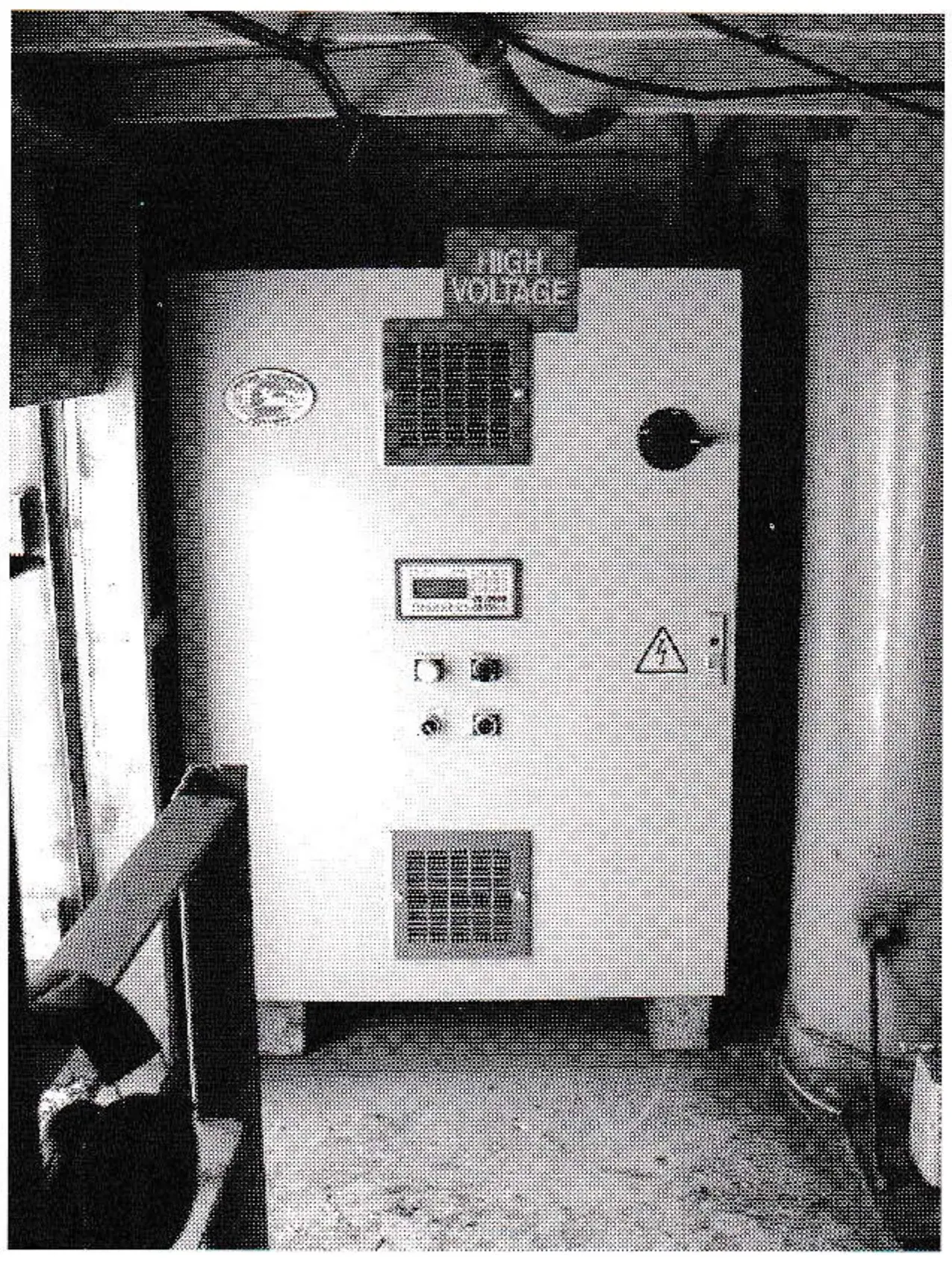
The best solution was a Control Techniques drive. The annunciation is in simple language, and it is straightforward in its adjustments. Faults are displayed on the monitor in English, not code.
To house the drive, we custom-built a cabinet to fit into the existing space in our vault motor room. We fitted the 50 hp motor with a blower, to cool the motor in the confined motor room and to allow us to operate the lift in the summer.
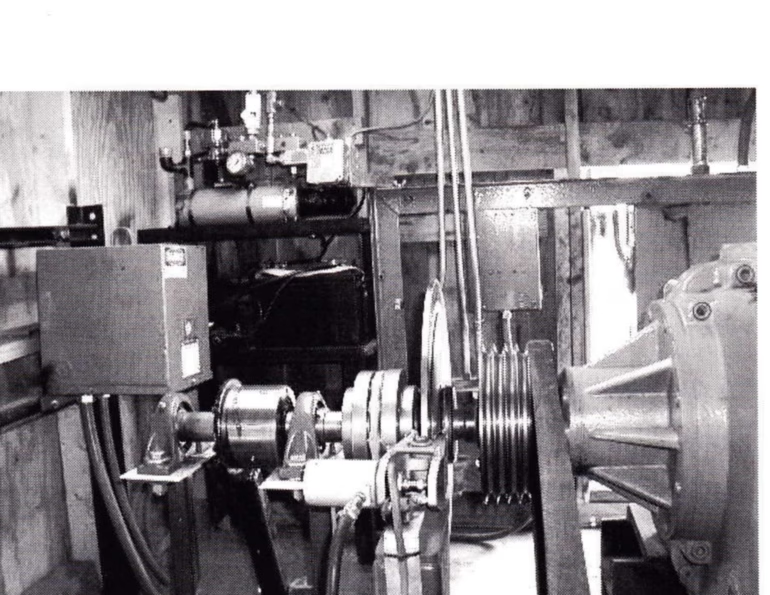
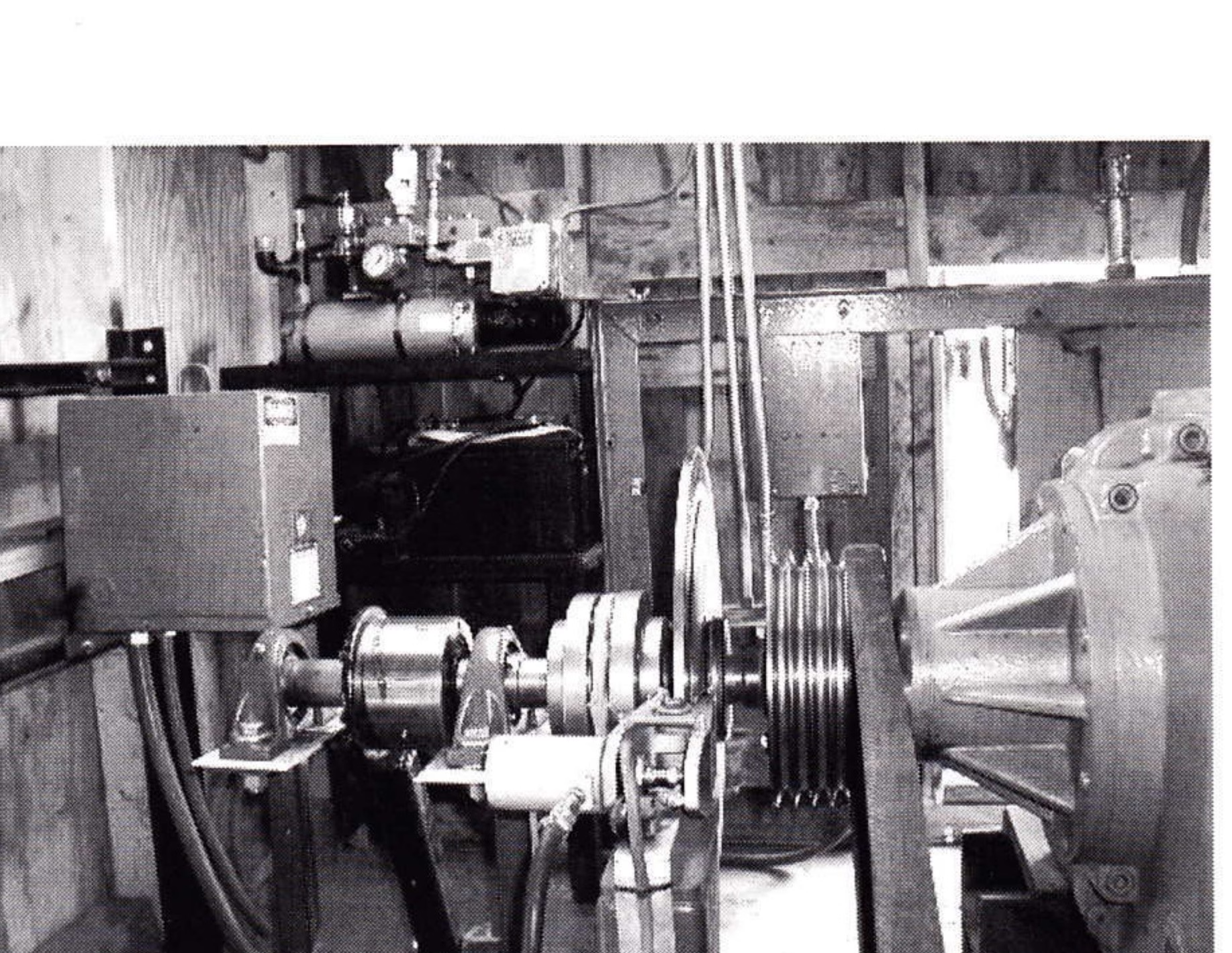
We also had to replace the electromechanical brake that had operated on the back of the AC motor. We consulted John Ellis and engineered a new brake system using a Riblet hydraulic pump, two new low-pressure switches (one to control the pump, the other used by the drive to monitor the brake opening), a Twiflex brake (supplied by John Ellis), and a brake disc installed on the input jack shaft.
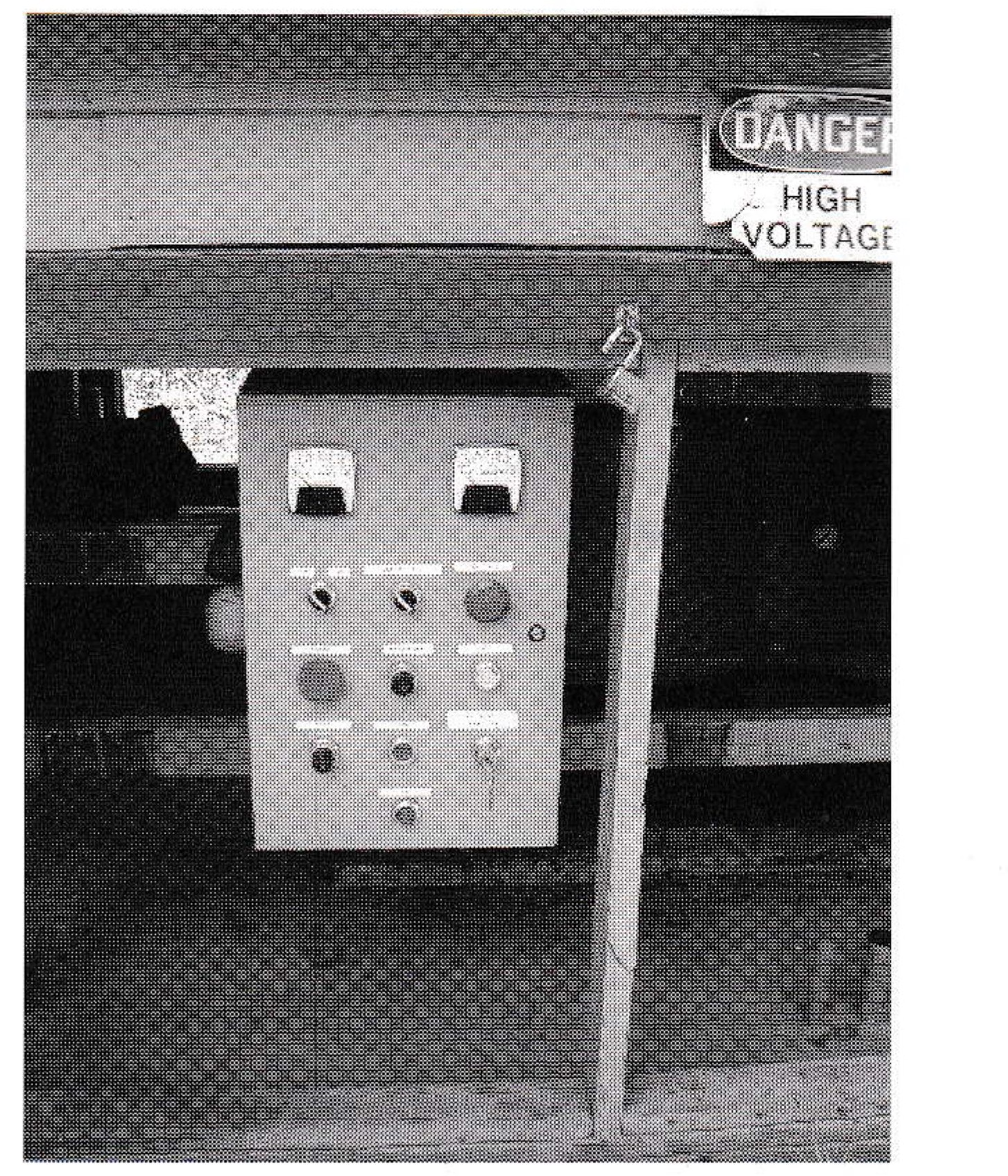
The group also determined that the antiquated 24-volt control system should be upgraded. Leitner’s Carhart and our electricians constructed the panel onsite in our electrical shop. The lift was brought up to code with the addition of a Leitner over-speed detector on the bullwheel, an evacuation engine coupling switch and a service brake open switch. The service brake circuit is redundant, using a physical check on the calipers and a hydraulic check in case of pressure loss.
Lift maintenance, with transmission voltage suppression technology from MT-1, took the opportunity to protect the new drive and motor from power surges. We added protection before the 24v power supply and on the incoming high-voltage AC side. We also made sure that we had good grounding and that all components were bonded.
Working on a tight timetable so the lift would be ready for summer, Carhart and Ellis coordinated with Angel Fire to bring this project together in a timely manner and for a reasonable cost.
The result of this collaboration is the low-cost, efficient solution that Angel Fire was looking for: We retrofitted an outdated lift with modern technology, extending the lift’s service life by transforming it into a reliable, easily serviced lift with the capacity to adapt to the needs of Angel Fire and its customers.