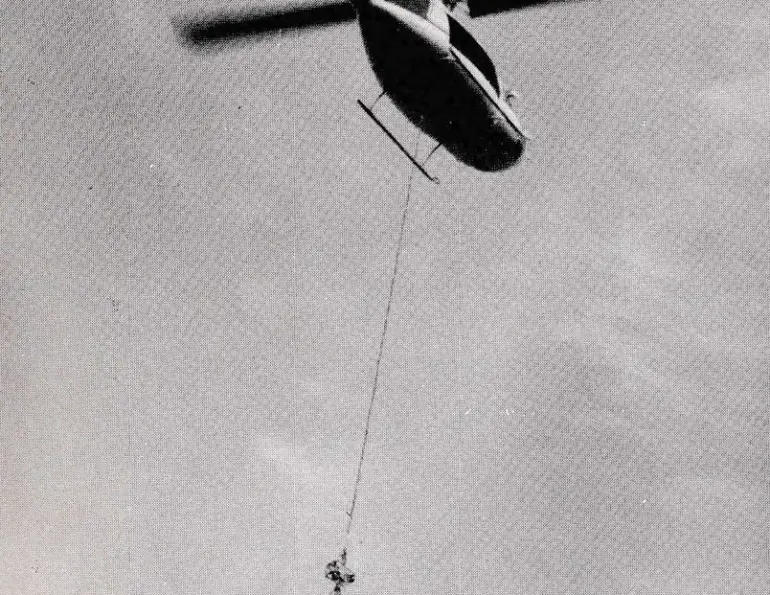
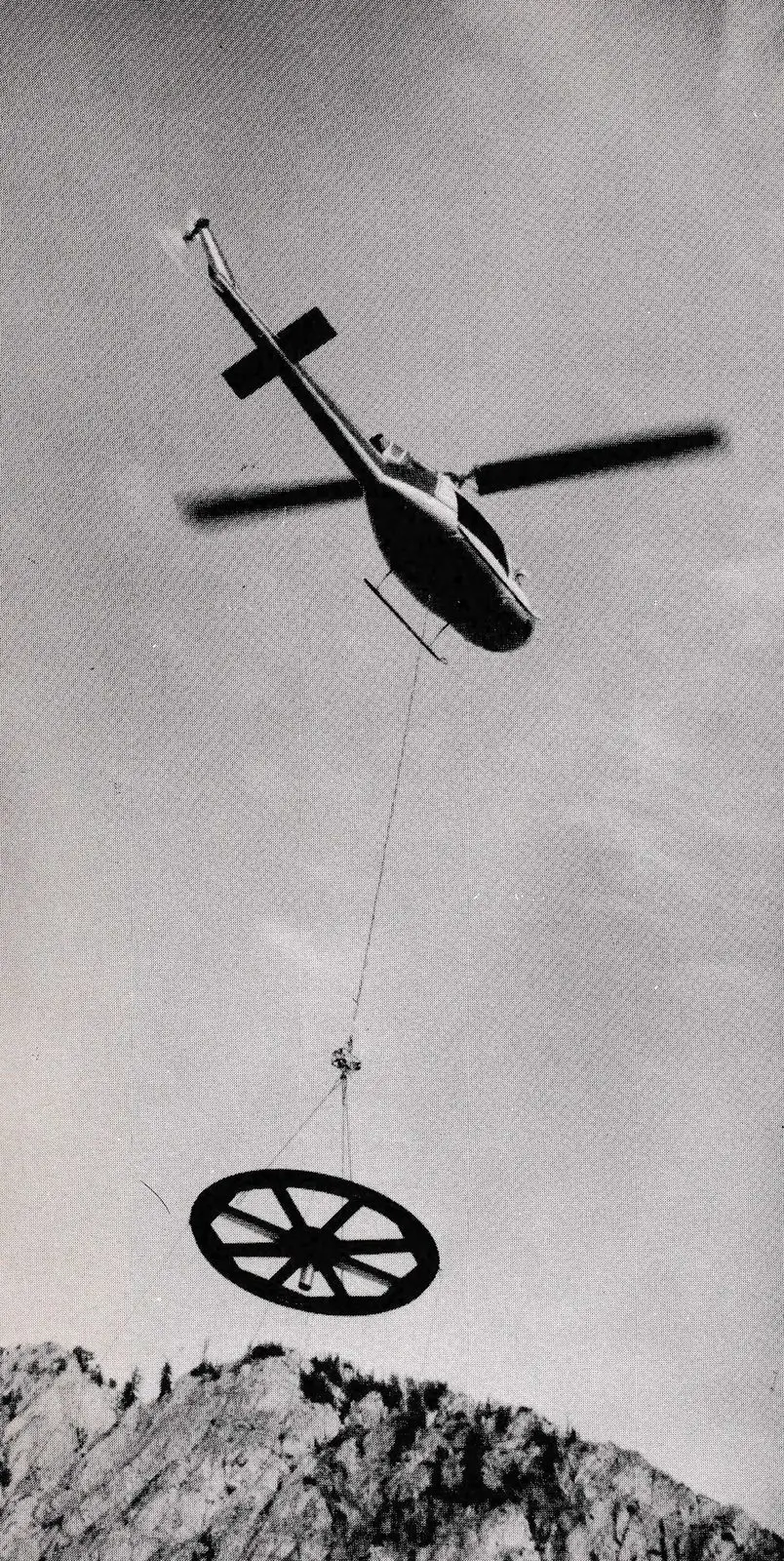
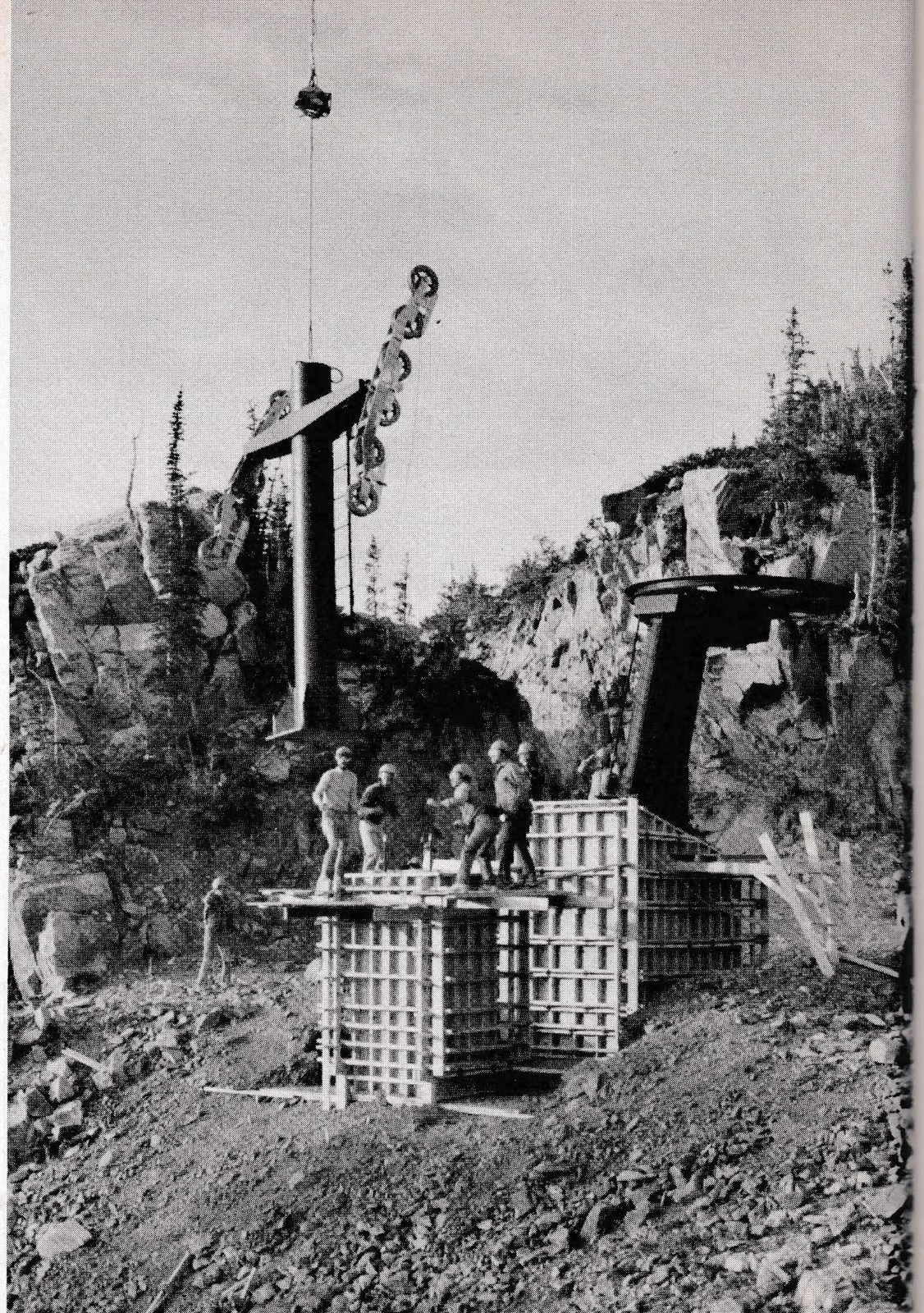
It sounds almost too good to be true. The American dream at its best. Two hard working engineers pool their resourses—mostly brainpower, education and energy. Each year since 1977 they doubled sales of their product and probably will be number two in their industry this year. All this despite a deep recession!
Co-starring with equal billing in this cheerful saga are Jan Leonard and Mark Ballantyne, the owners of Cable Transportation Engineering Corporation, aka CTEC, pronounced see-tec. The entire cast numbers well over one-hundred in peak seasons. But this is not a noisy group; they are very serious and commited. It would be unlikely and out of character for the opening of one of their lifts to be the occasion for music and costumed parades.
Despite a relatively short appearance on the lift manufacturing scene and demure behavior, it is almost certain the CTEC will complete installation of nine chairlifts this year in the
USA. This means that in terms of units sold and vertical transport feet per hour (VTFH) CTEC will possibly jump ahead of such ski lift manufacturers as Borvig, Doppelmayr, Riblet and Hall. Still a far cry from being number one, but a very, very respectable performance that will push sales past the five-and-one-half-million dollar mark.
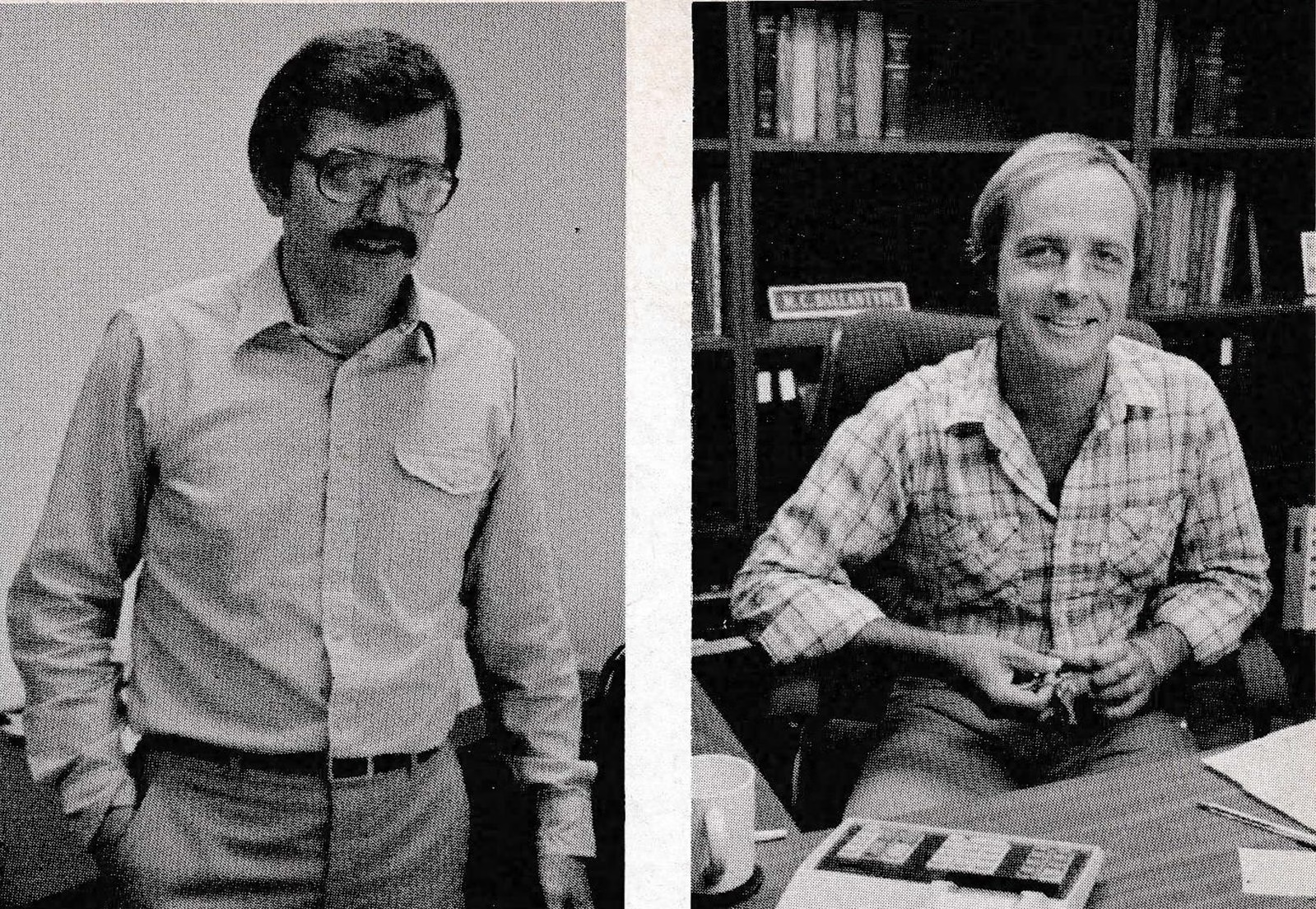
Both leading characters hold engineering degrees, Leonard from Penn State in ’68 and Ballantyne from Purdue in ’71. After spending two years with dozens of other engineers at a division of U.S. Steel, Leonard debuted in the ski industry Hall Ski Lift, in 1971. An urge to do more field work led him to make the trip West to Thiokol in 1974 when that company was in the chairlift business. It was at Thiokol that Leonard met Ballantyne who was employed as an assistant marketing manager. After Thiokol began worrying out loud about its chairlift business, Leonard and Ballantyne developed plans for a ski lift consulting and modification business. When Thiokol finally exited the ski lift business in 1977, Ballantyne had already moved to Sacramento, Ca., to handle a Thiokol distributorship selling oversnow grooming vehicles. Leonard simply slipped south a few miles to Salt Lake City, Utah and began a new career.
From 1976 on, the pair combined forces to develop a lift consulting modification business that serviced customers from coast to coast. CTEC continued to do consulting work for Thiokol because the company was still committed to the installation of ski lifts in 1977. In 1978, Leonard and Ballantyne arranged to buy Thiokol’s inventory and lift designs.
The same year, CTEC installed its first lift. Interestingly, it is still the company’s highest capacity lift to date—an up-and-over chair with passengers moving in both directions. The lift carries 1,800 per hour each way for a total of 3,600 capacity per hour. CTEC’s premier installation runs at Seven Springs, PA., just 30 miles from Leonard’s home town.
While continuing in the consulting business, CTEC secured contracts to install five lifts during the next two seasons at Seven Springs, Snow Basin and Solitude in Utah, Pebble Creek, ID, and in Puerto Rico at the site of an Alpine Slide. In 1981, the company made some major product line changes and put new chairlifts in at Snowshoe, W.V., Seven Springs, Big Mountain, MT., Los Alamos Ski Club, N.M. and Snow King, WY.
This year, there’s repeat business from Solitude, Los Alamos and Snowshoe plus new accounts at Wolf Creek, CO., Lassen, CA., Paoli Peak, IN., and Hidden Valley. PA. At the latter, CTEC will build two lifts including a dual triple.
Although their lifts appear to have been sold on a nationwide basis, CTEC claims its real specialty is in the high horse power (200-300) longish chairlifts typical of western ski area needs. Of the nine lifts being installed this season, all but one is a triple chair—that, a double at Solitude where terrain and vertical dictated a lower capacity double.
Building Sales from Scratch
“The industry is not entrenched; they’ll give a new company a chance and they are very receptive to a new mousetrap,” says Ballantyne of his company’s ability to grow so quickly. “It’s okay to be the new guy on the block in this business.”
Both Leonard and Ballantyne credit contacts developed while working at Hall and Thiokol for much of the business they’ve been able to secure. “In this business you sell yourself as much as your product,” says Leonard.
Yet, he acknowledges, “We’re a quiet company whose nature is not to make alot of noise; neither one of us is much of a salesman. We just try to turn out the best product. We’re selling reliability and simplicity not innovations.” Yet, he admits CTEC is capable of designing adjustable terminals for snow depth, dual triples and asethetically appealing lifts.
Over the next decade, Leonard predicts the public will be introduced to more and more multi-seat chairs, especially in the East and Midwest where runs tend to be shorter. This doesn’t quite mean that doubles are completely dead though. Says Leonard, “The public doesn’t always think that three or four is better than two.”
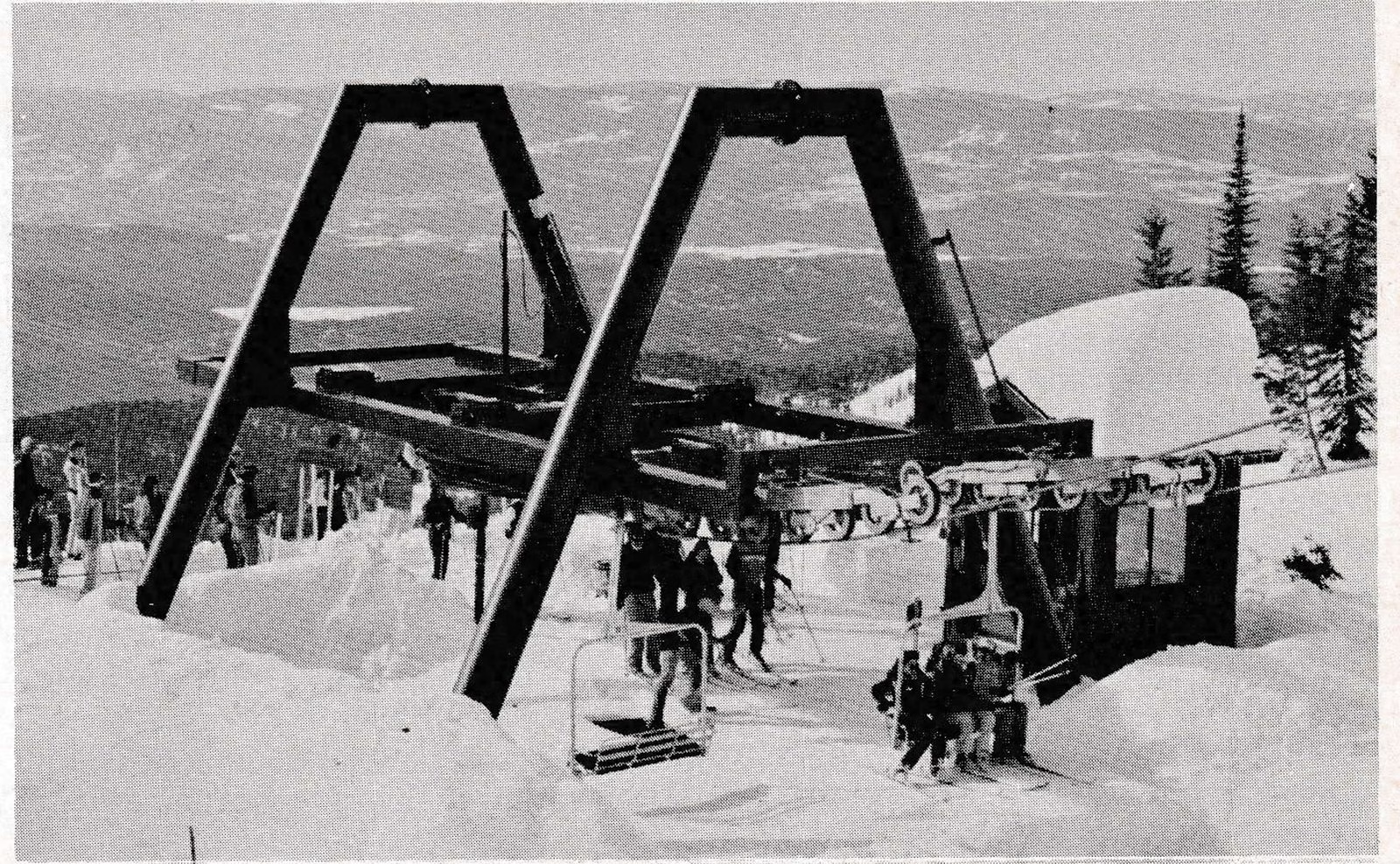
With regard to detachable lifts, Leonard feels their incidence will increase and they represent a good drawing card. Yet he claims they are expensive in terms of adding extra capacity in comparison to most traditional fixed grip chairlifts. “Wire rope is still an excellent carrier,” says Leonard and he does not envision many drastic changes in the best ways to carry skiers during the next decade or so.

Having achieved so much success so quickly, is CTEC certain it can retain its strong industry position? Although he acknowledges the current recession and admits that cuts in ski area business reduce the number of dollars available to buy new lifts, Leonard believes lift sales will remain the same or will be down only slightly this year. Claiming he does not feel the resurgence of European lift manufacturers in the USA will pose much of a threat to CTEC, Leonard says, “We are small and can weather the current push. Our overhead is low; we run a tight ship economically speaking. We can be competitive price-wise and equipment-wise.”
Both partners work around the calendar. Selling begins in January and continues through May. After that, there are engineering and pre-production schedules to be completed. Installations take place from May through December and then it’s time to sell more lifts again. Leonard admits to working mostly 10 to 15 hour days and says that he and his partner have prospered partly by taking only modest salaries out of the company’s till.
Logistically speaking, CTEC is a two scene act. Leonard oversees Scene 1 in Salt Lake City where a handful of engineers prepare lift designs in a modest office with one secretary. A new computer terminal elicits a few comments from one designer, but all and all this is not a place one might worry about excess decibels. Leonard takes responsibility for engineering and sales; Ballantyne’s forte is financing and Scene 2, the Sacramento ski lift manufacturing facility.
Building Parts
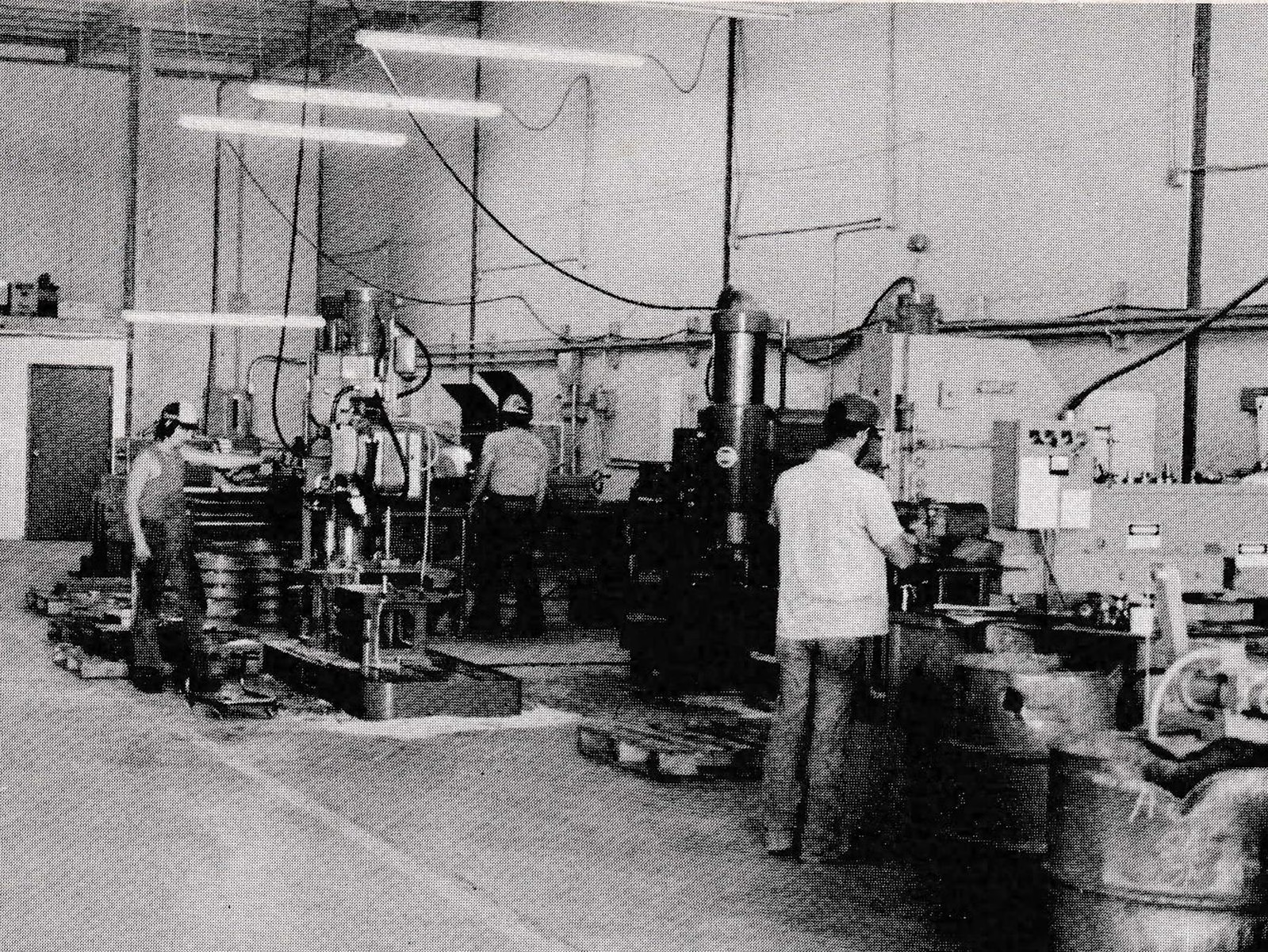
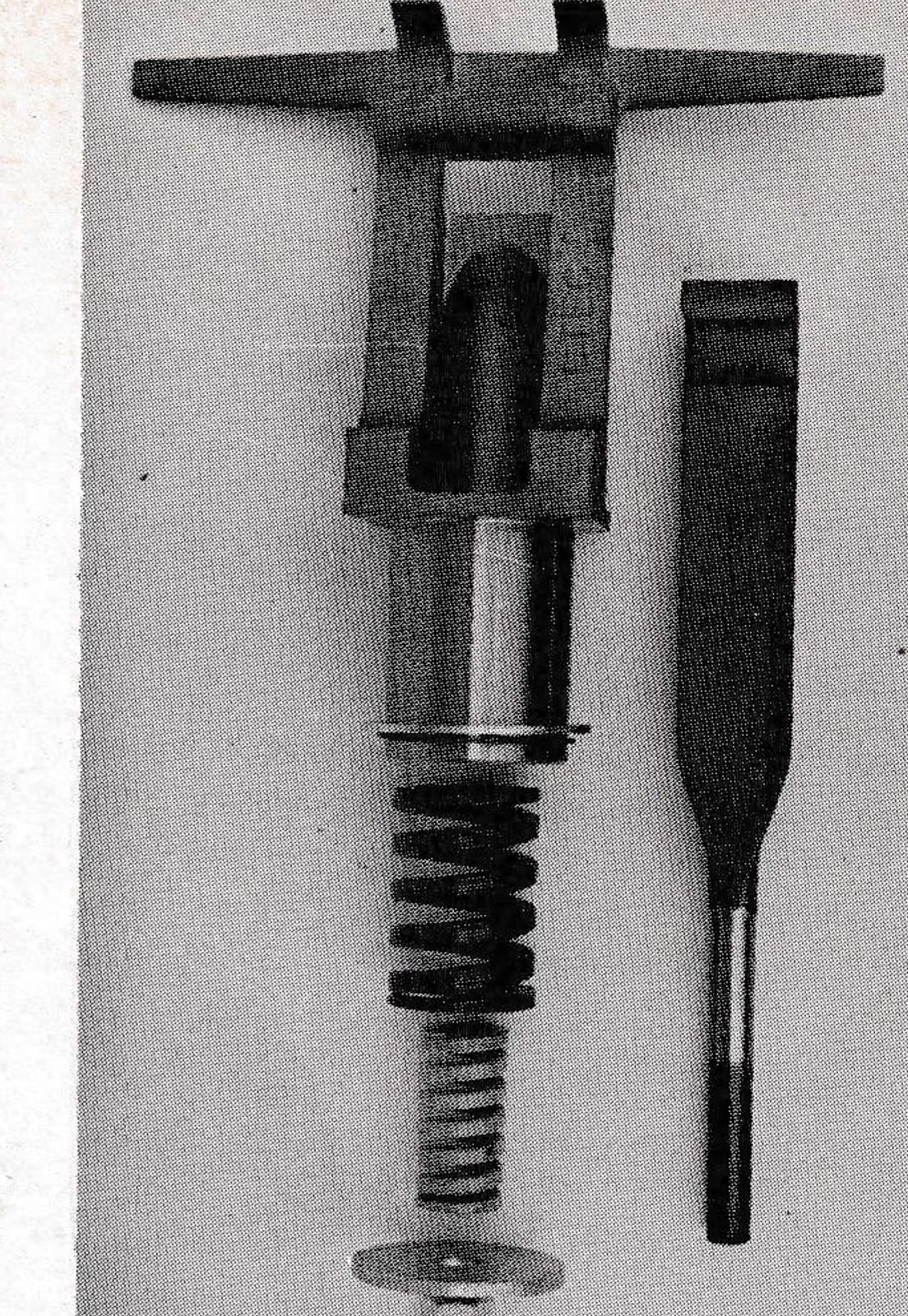
Beginning in 1979, CTEC, under Ballantyne’s supervision, began manufacturing its own lift components. Initially he agonized over a $10,000 capital equipment budget. But thanks to the effects of rapid growth, the company will spend close to a quarter million dollars on capital equipment this year.
The Sacramento facility amounts to 24,000 square feet including a modest amount of office space for a handful of employees plus five back bays to house lift component fabrication and the activities of Mountain Services Company. The latter, also owned by Ballentyne and Leonard, sells and services DeLorean Motor Company over-snow vehicles once marketed by Thiokol.
CTEC’s production facility is probably most notable for its enthusiastic division heads and employees. It doesn’t take much time to get the feeling that people there think this company is going some place. When office manager Sharon Aimes began in 1977, says Ballantyne, “We had to send her home after 20 hours because we didn’t have enough work for her. Now she works full time, has her own secretary and is ready for another one soon.”
Ballantyne is a firm believer in filling key positions with experienced ski area personnel. Wade Helton, 32, who heads the lift fabrication division came to CTEC with a dozen years of experience in lift construction, snowmaking and lift maintenance gained while working at Sugarbowl in California and Brandywine in Ohio.
Joe Clark, 31, who heads the Mountain Services division began working in the parking lots at Vail as a 16-year-old, then went on to gain experience as a lift operator and snow groomer. After 10 years at Vail, he left his post as operations supervisor to join CTEC. Clark oversees sales waranties and repairs to DMC vehicles and stocks over $400,000 worth of spare parts.
Interestingly, the cash flow periods for CTEC and Mountain Services tend to complement each other. DMC cash builds up during winter months; CTEC takes in lift payments in the summer and fall.
Aimes, Helton and Clark aren’t shy when it comes to showing their enthusiasm for CTEC. And why should they be? The company has grown more than they had expected and the growth has taken place right before their eyes. They’ve moved into more space and hired new full-time emplyees each year the company’s been in business. They are working in what they perceive to be a fast growing business in contrast to an economy in which layoffs and bankruptcies are every day occurances.
CTEC employees might even have cause to feel there is some security in the lift manufacturing business. They know there is a complete overhaul of the Sugarbowl, CA., gondola booked for 1983, and there is a contract to install six chairlifts at Goldmine ski area near L.A. over a three year period. They are eyeing that number one spot.