


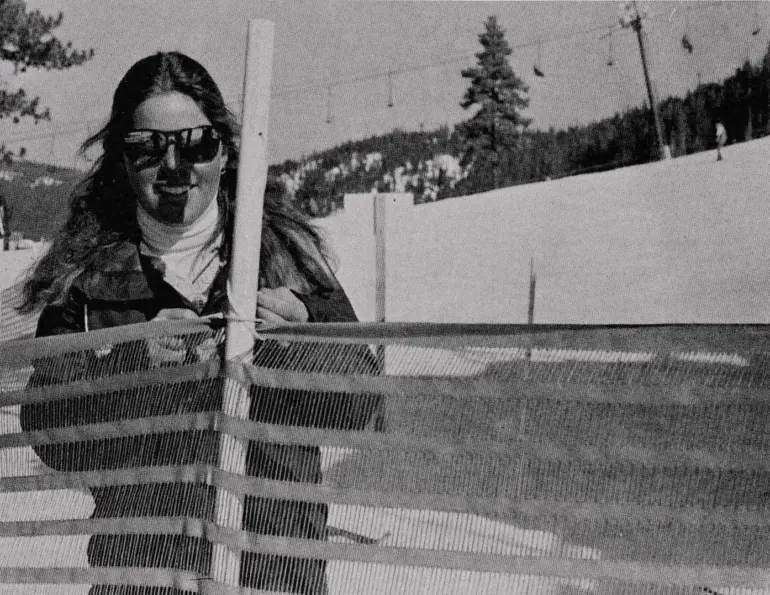
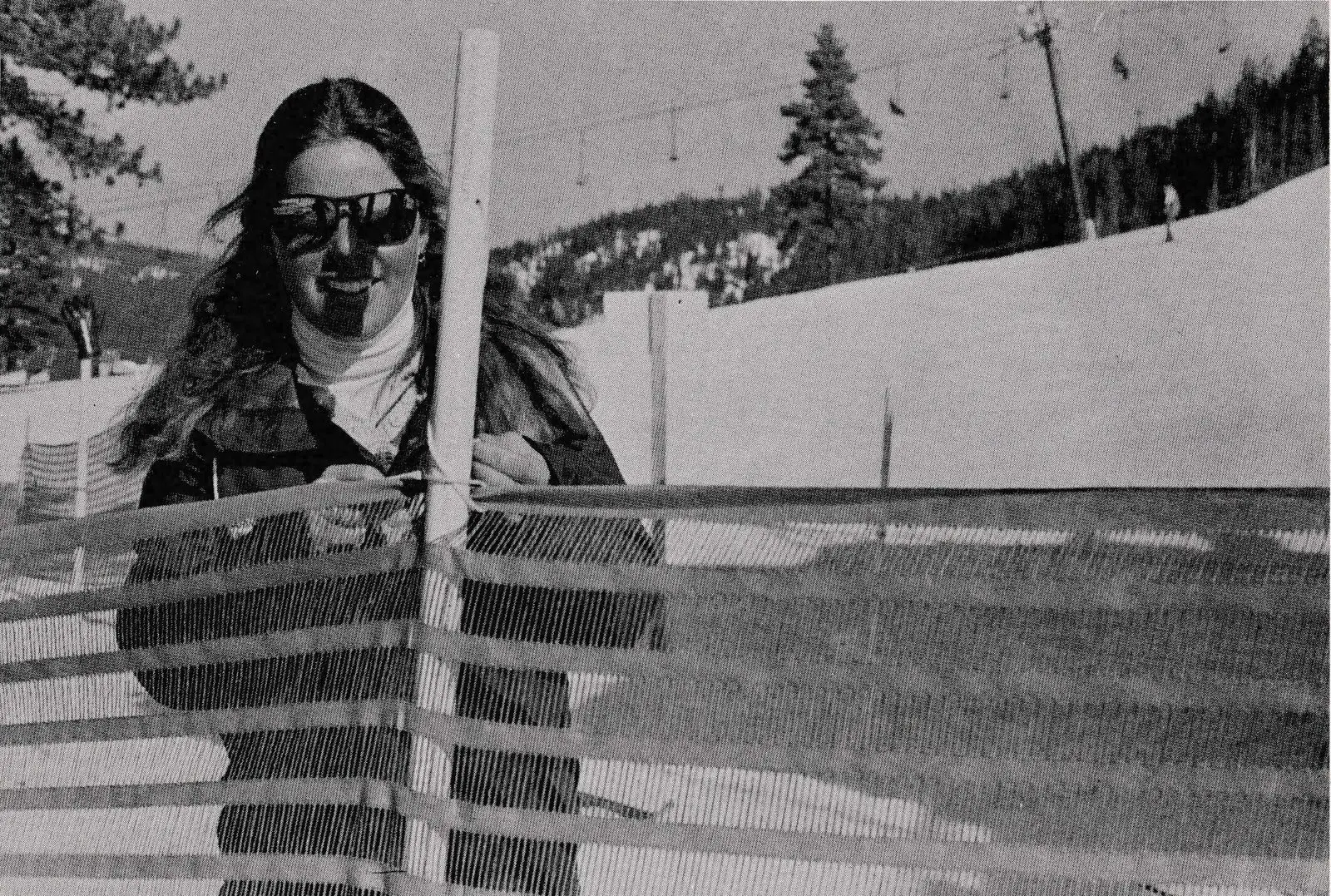
This is the time of year when areas begin to set up for the coming season and assess procedures from the previous year. Such questions as what worked, what didn’t, where the budget was excessive, where we saved money and where we can improve, are some of these concerns. One major expenditure that we all face is the rising cost of lift maze materials, tools and signs. Not only are costs rising, but there are some new legal developments, involving skier incidents with line control that are forcing the industry as a whole to improve their choice of the proper materials. Safety has to be the main concern, but other factors are cost and the overall appearance of the maze.
In the Sierra region, changing snow and ice conditions pose a variety of problems. Too much, too wet, too icy, or not enough snow can all occur in the same week. (Sound familiar?) The consequence of this is that line control materials need to be adaptable to various conditions, as for instance, the volume of snow. Sierra snowpack depths of 15 feet are not uncommon. Permanent line control materials are not feasible at any location except the extreme lower elevations.
This report focuses on mazes that are portable and adaptable to western snow. After examining types of materials being used at other resorts, and after much trial and error, I believe we have come up with some of the most suitable materials for our purposes. Gus Roraff, Supply Manager for the Squaw Valley Ski Corporation, can be credited with innovating much of our system.
Increased awareness of safety hazards, combined with pressure from our Risk Management department, has prompted new ideas. Rick Luskin and Bud Rosenberg have contributed many innovative ideas to the safety program, aimed at reducing potential liabilities. This team effort has had success in all areas of safety, especially with materials.
Line Control Poles
Metal poles, which we had used for many seasons up until this year, can be the source of several problems. They can impale a skier in a collision; they can damage the tracks of oversnow vehicles; lift personnel have suffered metal slivers (Workman’s Compensation), and the skiing public has historically suffered torn clothing due to jagged edges. Each of these problems can add up to negative costs. Wooden 4 x 4 posts have many of the same faults.
Metal poles need to be maintained each season. Mushrooming heads need to be cut, the poles need to be painted, and bent poles need to be straightened. They are heavy and cumbersome as well.
We have experimented with several plastic poles and found that they are by far the safest material. Several companies market them: York Marketing has “Safe-T-Stakes,” Catapole has cut fiberglass pole vaulting sticks, and many plastic companies have various prototypes out. The Safe-T-Stakes are $10.00 each. Our mountain will use up to 800 for 26 lifts, so cost is important when you are dealing with synthetic materials. You also have to satisfy yourself that they will stand up to the abuse that line control poles are given. Some do not.
After trying every type of pole we could get our hands on, we switched to plastic PVC. We initially had concerns with its potential to become brittle in cold extremes, but we have just completed a busy season, and had only three of eight hundred break. We haven’t had any reported torn clothing, and zero Workman’s Compensation claims related to the poles. Skiers who use the ropes to propel themselves through the lines haven’t been pulling down the maze, and the out-of-control skiers who fly into the mazes haven’t been able to destroy them either. In terms of safety, we have eliminated many hazards that previously existed.
We have been using Schedule 40, 1″ PVC. It comes in 20-foot sections, cut into 3 lengths of 6′ 8″ each. When sunk into the snow 12-16″, a highly visible, safe pole that protrudes 5½ feet out of the snow is the result. They can be purchased from any PVC supplier, and your savings up front and in the long run will pay for them. These poles cost approximately $1.50 each.
Rope
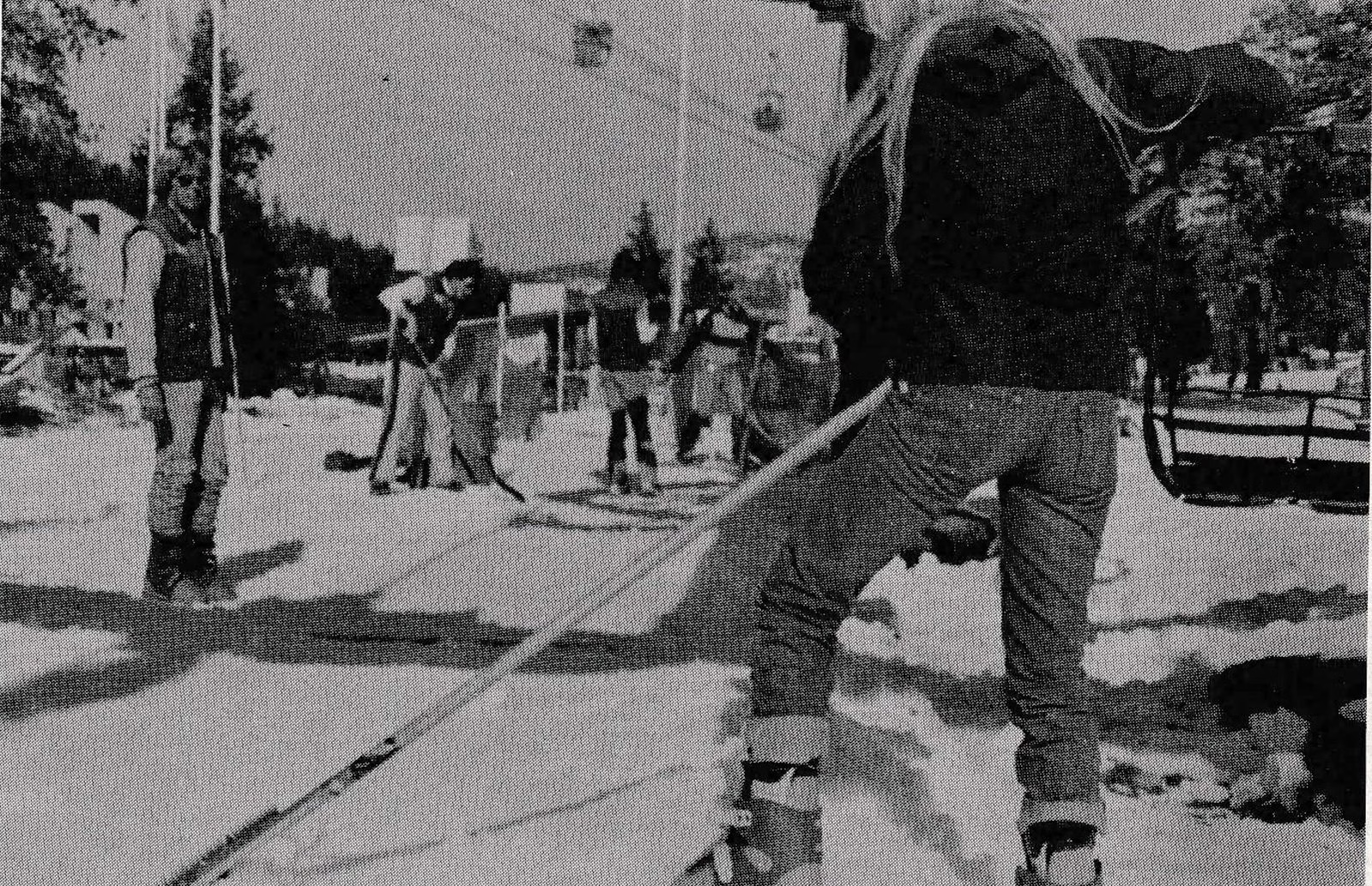
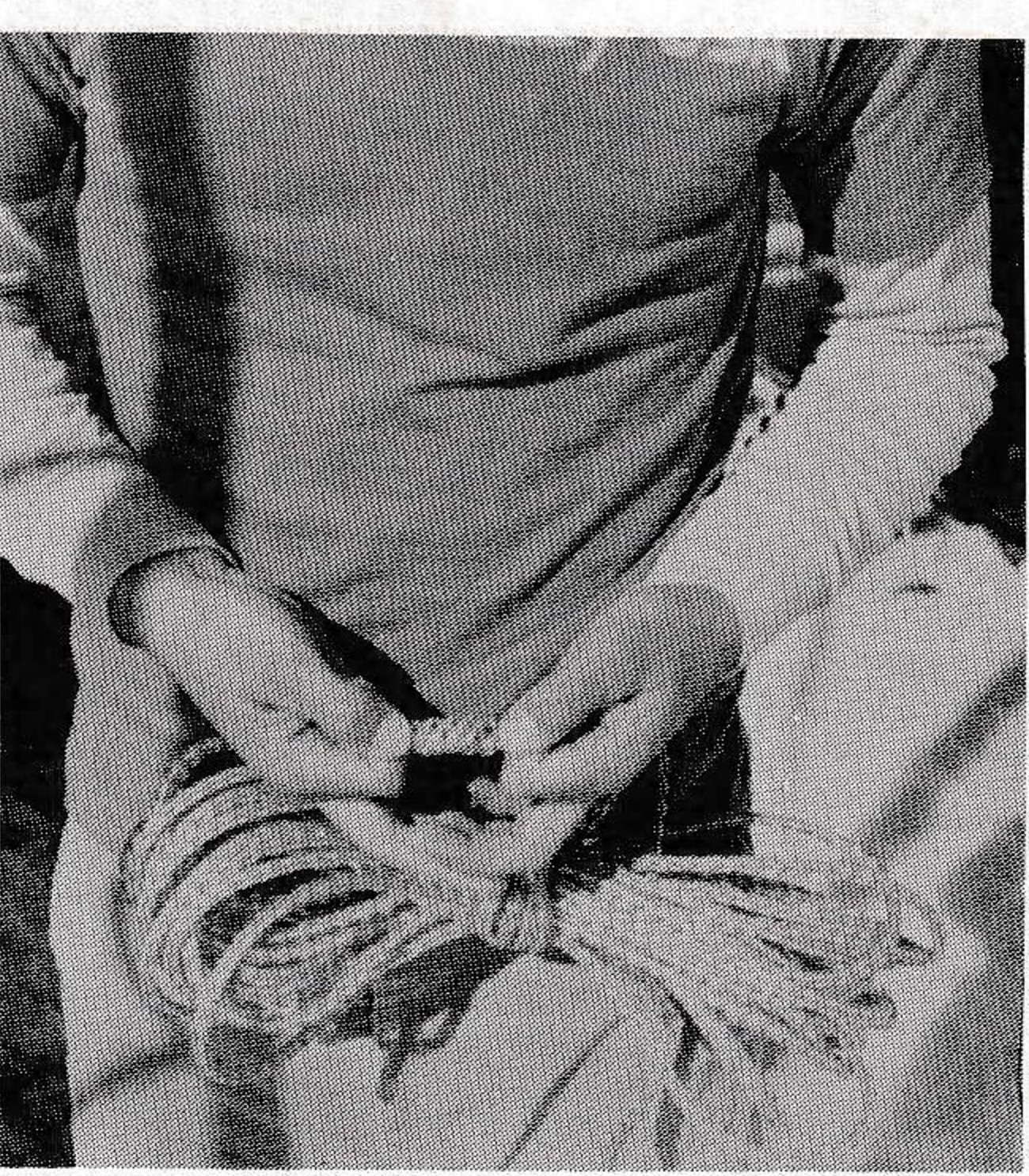
In conjunction with the PVC poles, we use a Berkely hollow braid floating boat rope. There are several advantages to this particular rope over the conventional yellow/black rope used by many areas. The composition is similar in that both are made of polypropylene, yet the boat rope saves time and money. The red and white rope has a high visibility, and will not fray easily. The character of the hollow braid allows it to be knotted easily, yet it will not tangle as much. A firm clove hitch will secure the rope to the poles. This eliminates the need to drill holes in the poles, which creates a weak spot in them. The boat rope costs a bit more at $90.00 per 1000 feet, as opposed to $50.00 for the other; yet we have found that it will last longer and look better.
Safety Clearance and Hazard Marking
Visibility and practicality is the key here. We had been using the “used car lot type” flags for many seasons, before finding a better product. The problems associated with flags ranged from “worse than Rubik’s cube” untangling messes, to strings of pennants found in creeks and wrapped around trees, and torn and tattered flags giving a shabby appearance.
We are now using 2-inch high visibility barricade tape. It comes in bright orange and lime green for visibility. When twisted and tied at both ends, it will flutter in the wind for safety marking. The tape comes in 150 foot lengths, and costs about $7.50 per roll. Used and stored property, the tape will last and provide a safe clearance marking.
Hole Punchers
We use 1-1/4″ solid round stock with handles on each side to punch holes in firm pack or icy snow. The punchers weigh about 30 Ibs. each, and could potentially cause a Workman’s Compensation claim if not used properly. To safeguard against this possibility, we spend several hours training our personnel in the proper use of tools and materials. When solid ice conditions are present, gas auger drills are used. For bamboo placement, smaller holes are needed. For these holes, 1″ round steel T-bars are used.
Fencing
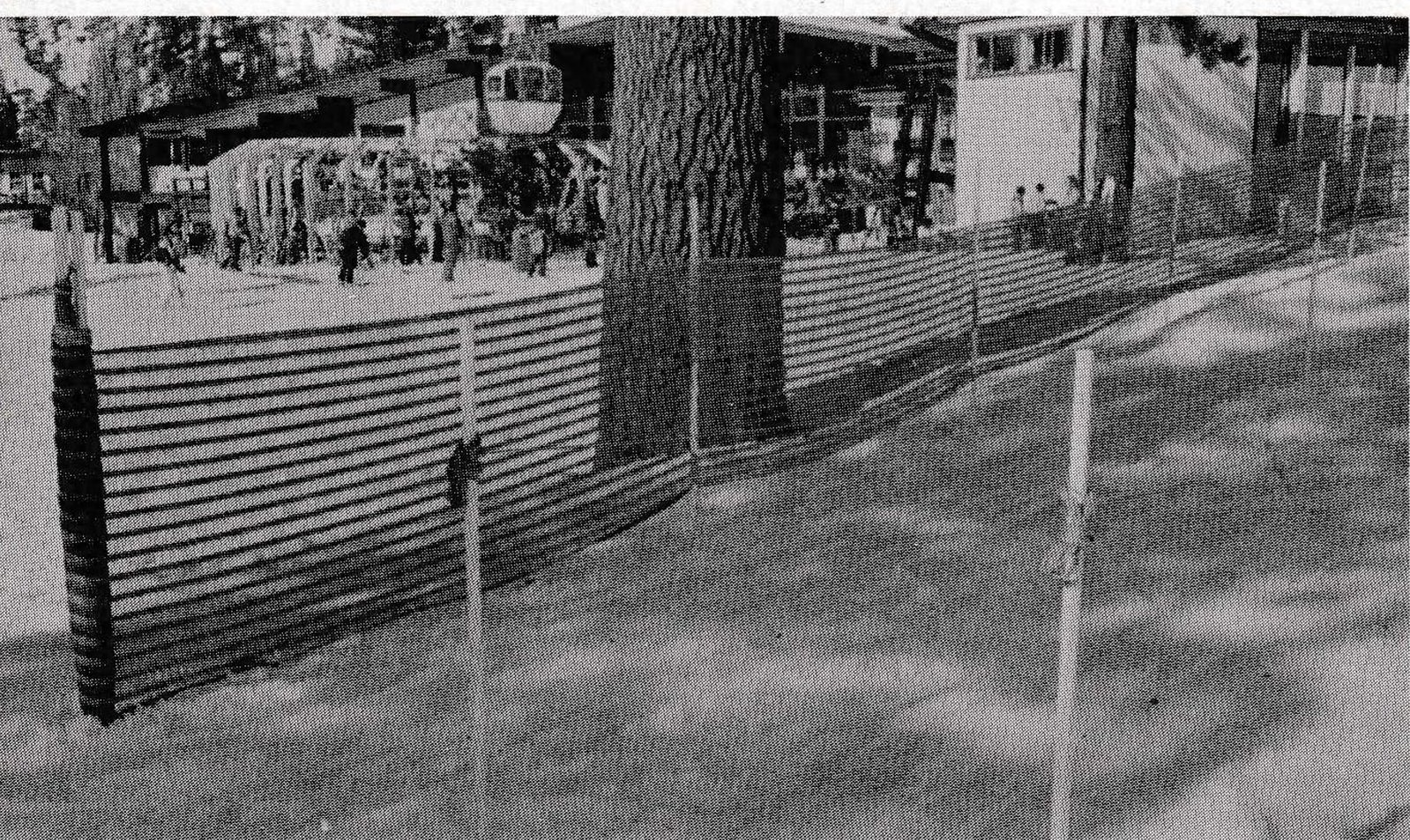
We use both Easy Fencin’ and Pop Fence. In windy areas, Pop Fence is used, as it is subject to less wind resistance. To keep it taut, a 3/4″ truck rope is stretched between towers or trees with a come-along at the lower terminal. Hooks are placed every six feet, to which the fence is attached. The overall appearance is neat, and the fence will hold up to the worse wind conditions.
Easy Fencin’ is held in place with the PVC poles, and tied with parachute cord. We color code lift difficulty with the color of the fence—green for easiest, blue for intermediate, and red for advanced.

Loading Boards
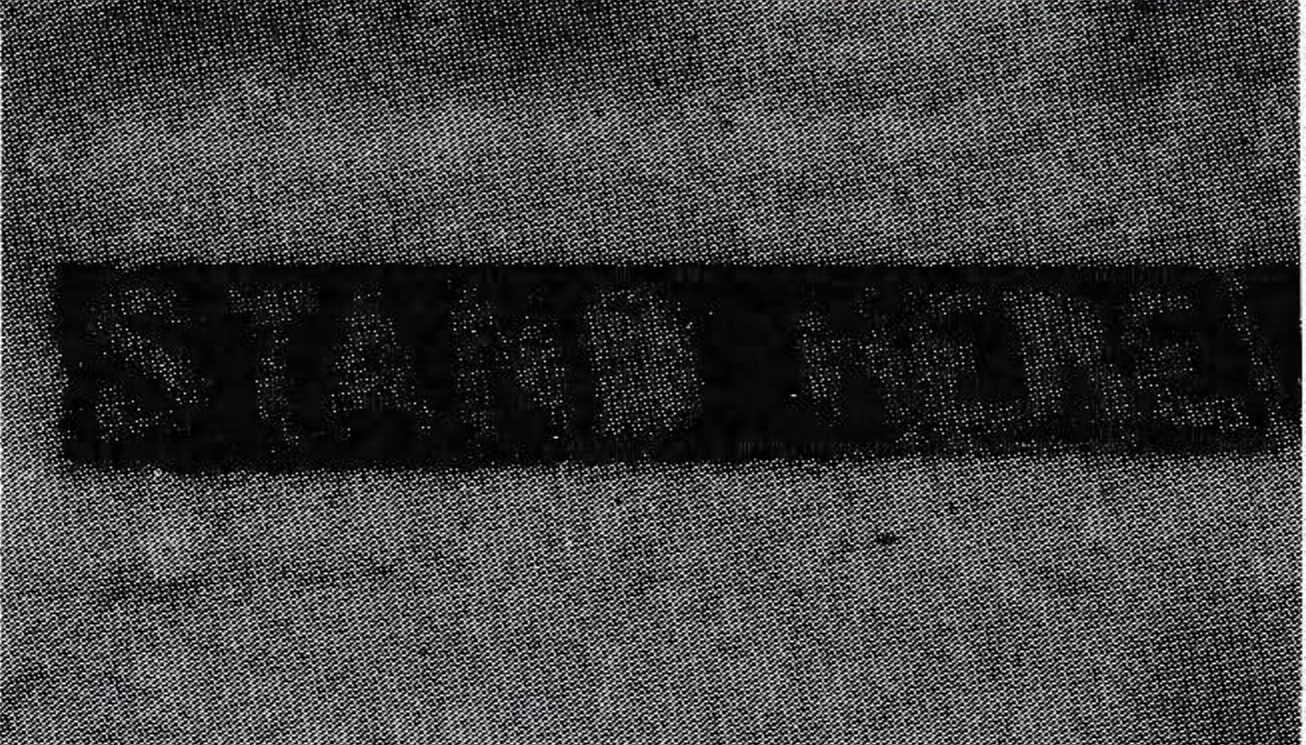
We are using a vinyl/plastic covered, 6″ channel aluminum board. Made by Snosign Designs of Bend, Oregon, they are guaranteed for five years and cost about $50.00 each. They have the Stand Here depression lettering, and are two-toned for separation. York Marketing also makes a polyurethane board in bright yellow and red, in the same price neighborhood.
Signs
We have been using 14 x 24 custom-painted signs, at a cost of about $30 each. For safety reasons we are experimenting with vinyl signs made by Snosign Designs. They are bendable, will come with a guarantee. Signs, whether made of metal, plastic, or wood, need to be kept free of snow and ice, as well as have neat lettering. A battered sign not only looks bad, but may also not be read. For this reason, we take good care of our signs and replace them when necessary. The signs are drilled and mounted to 6-foot 2 x 4 posts. They are put in place each day, and stored out of the weather each night.
Miscellaneous Tools
For smoothing out a ramp in one sweep, try a pavement rake. Lutes are $35.00 each, and can do twice the job a shovel will. When it comes to putting the final touches on a ramp or preload area, they can save a lot of time.
Garden hose reels work great for storing barricade tape and rope. Morning set-up and night breakdown time can be saved by using them to coil the tape.
For cracking ice off of chairs in the morning, try using a polyurethane ice stick. About 3 feet long, with a leather wrist strap, they work well and save money when it comes to brooms and shovels.
Every tool in the lift department is painted bright orange and black for identification purposes. Other departments are issued tools painted another color to prevent loss due to borrowing and theft. Each shovel has a 2-inch stripe painted on the handle, 16 to 18 inches from the top. This serves as an instant chair-to-snow height measurement tool.
Battery-operated clocks save on electricity, yet the batteries will tend to wind up in radios and tape players. To avoid this, we inscribe letters on them and make occasional lift inspections. Material checklist forms are kept by the zone supervisors to keep track of all tools and materials.
The combination of these techniques and materials has provided Squaw Valley with a safer, clearly defined and highly visible line control program.
We have saved money, not only in cost of materials but also in insurance exposure. With a minimal turnover of materials we have been able to reduce next year’s materials budget. Better line control has also resulted in reducing personnel needs. In two cases we have lifts that no longer require ticket checkers to manage the flow of skiers.
It is also rewarding to get compliments from the skiers on our improvements.
It has taken several years to develop these line control changes, and we are still looking for ways to improve. Efficiency, quality and safety are the keys to line control and we think that is the right direction to go.
