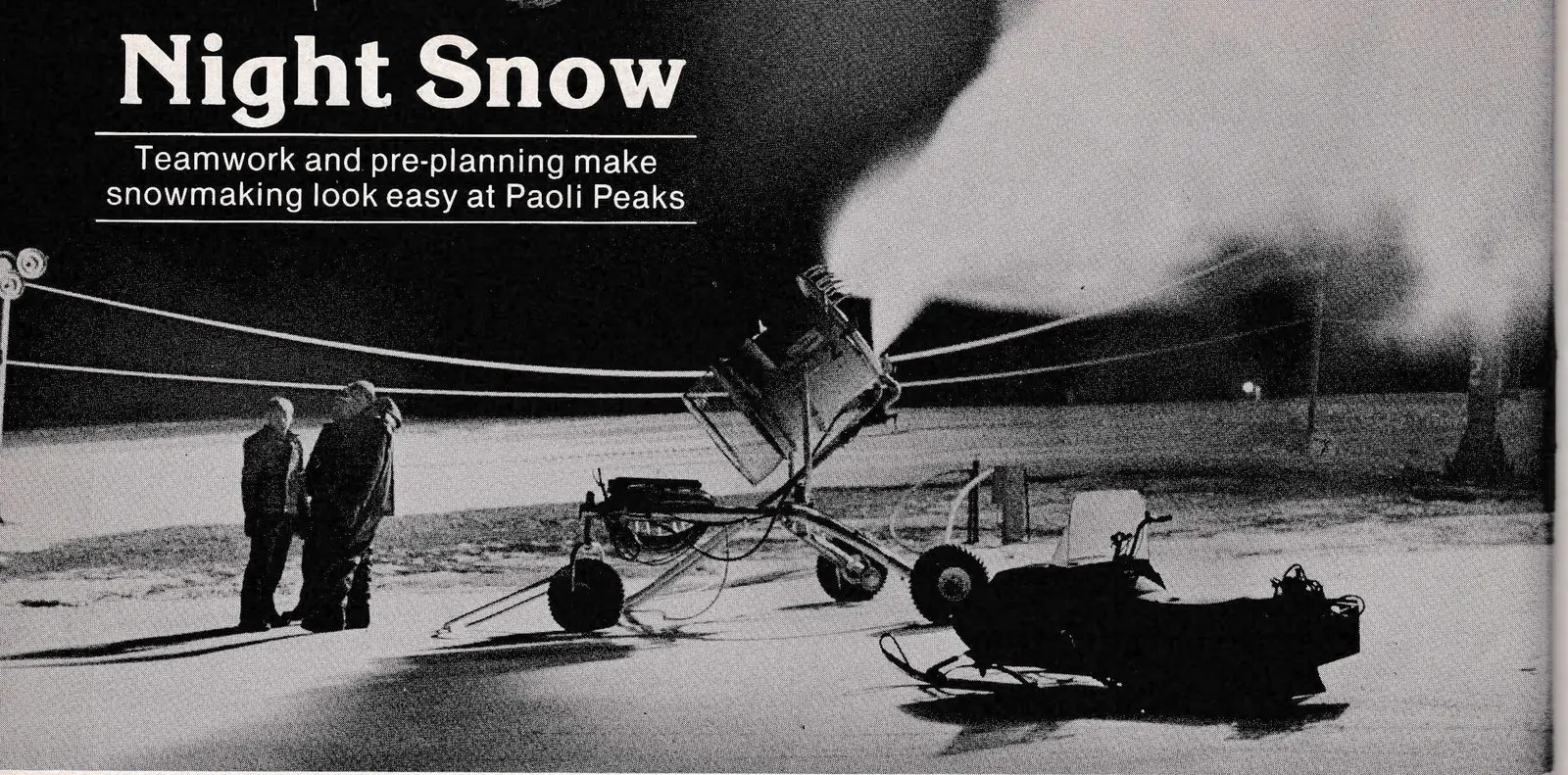
Paoli Peaks operates 10 Boyne Snowmakers, six SMI fixed tower guns and seven Omichrons. Water comes from two storage ponds and approximately 30 million gallons are used annually. The air sources are from two compressors, one 1500 cfm electric stationary and one 750 cfm rented for six weeks. The lines are freeze-proof re-circulating four and six inch welded steel pipes, with 82 stations with 1½ inch air and water pipes.
In four years of operation, natural snowfall has been 24 inches, 16 inches, 4 inches and 10 inches per season.
Temperatures can range from highs in the 50’s, then drop to below zero degrees only to bounce back up to the 40’s a few days later.
Weather reports are not reliable, which makes planning for snowmaking extremely difficult.
Yet, machine-made snow is the backbone of the 60-to 70-day seasons that Paoli Peaks usually experiences, operating seven days and nights per week. Making the best possible use of every snowmaking minute requires a well coordinated system, well-maintained equipment and a first-class snowmaking crew which can operate the energy-efficient machinery to its maximum. There is little room for goof-ups and costs must be kept in control.
A typical night of snowmaking has all the characteristics of a war game: the “general” gets the background report on the enemy (weather) and communicates it to his lieutenants. They set a strategy and move into place to begin the night’s battle. A Paoli Peaks, from December 1 to March 1, during 500 to 750 snowmaking hours they cover 27 acres to create skiable terrain. The average cost per year is $68,000.
—Felix R. Kagi, General Manager, Paoli Peaks, Indiana
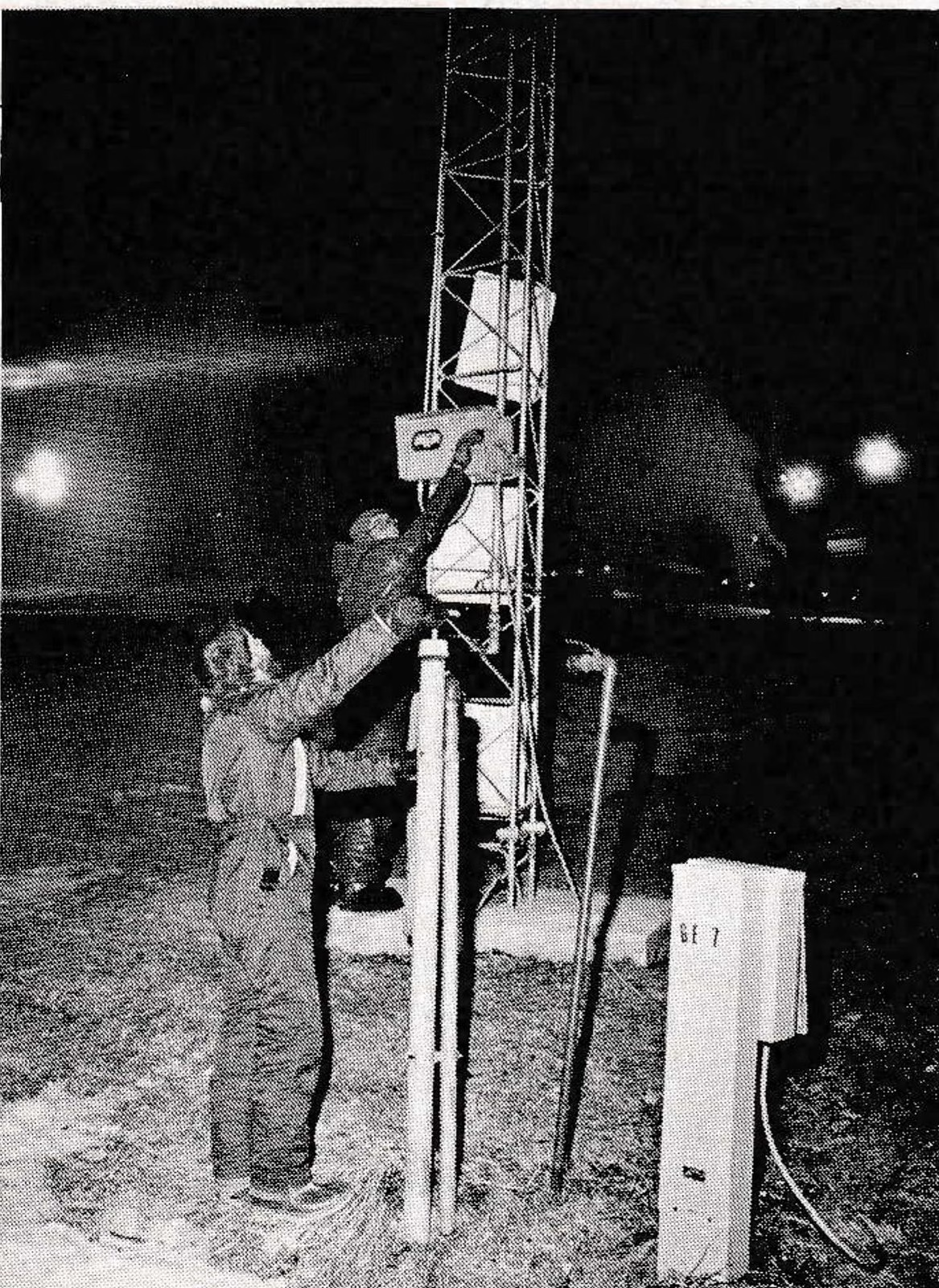
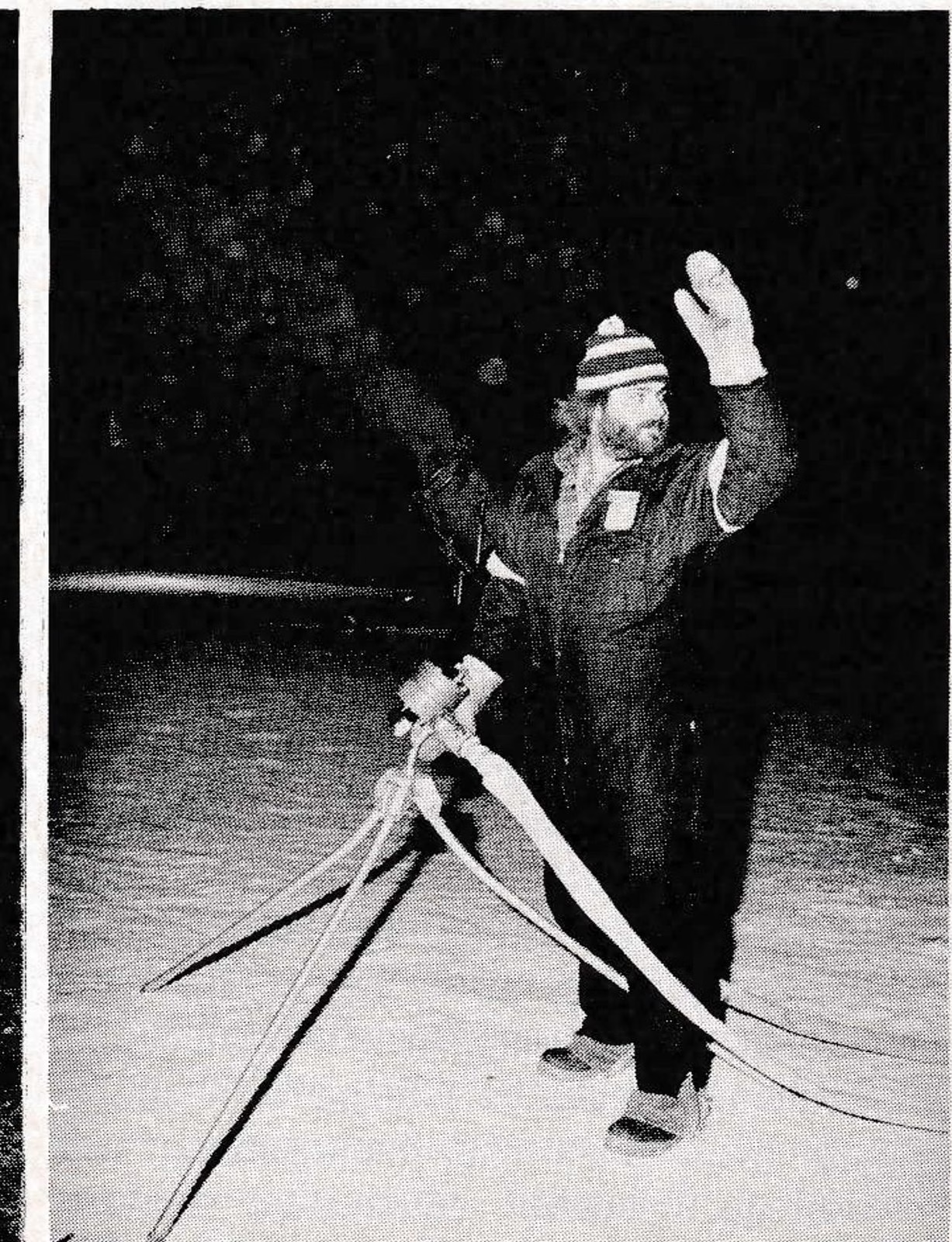
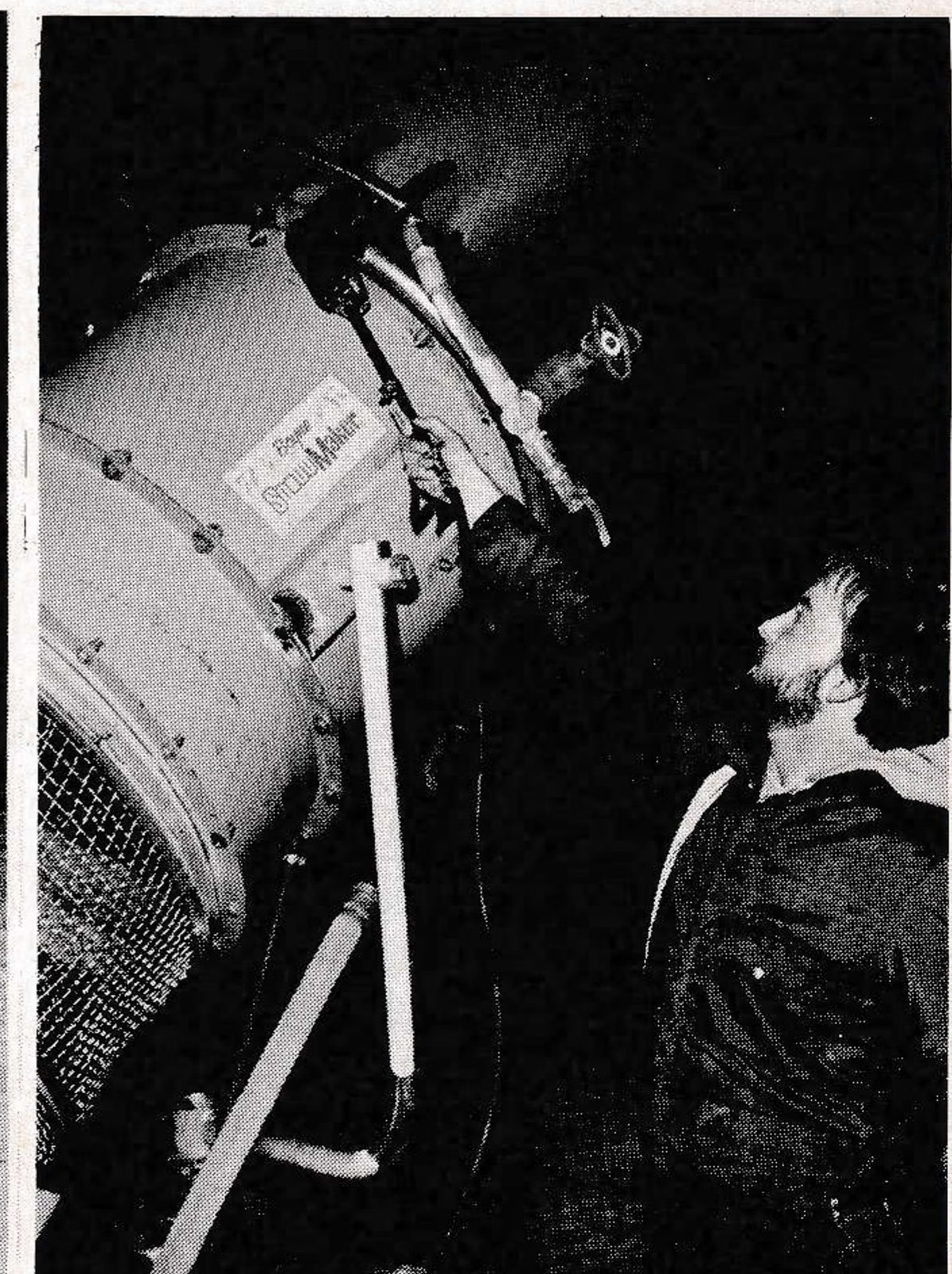
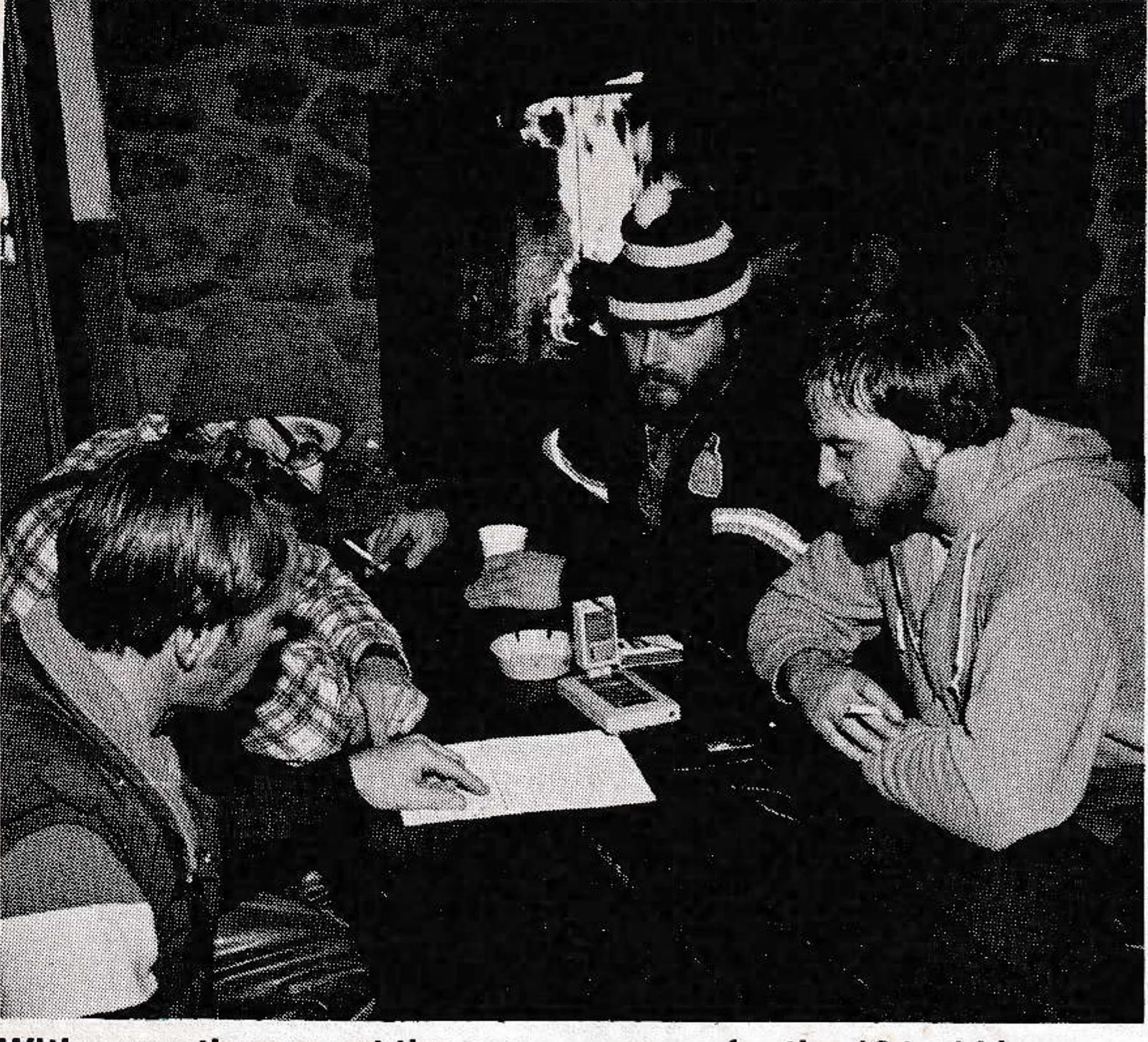
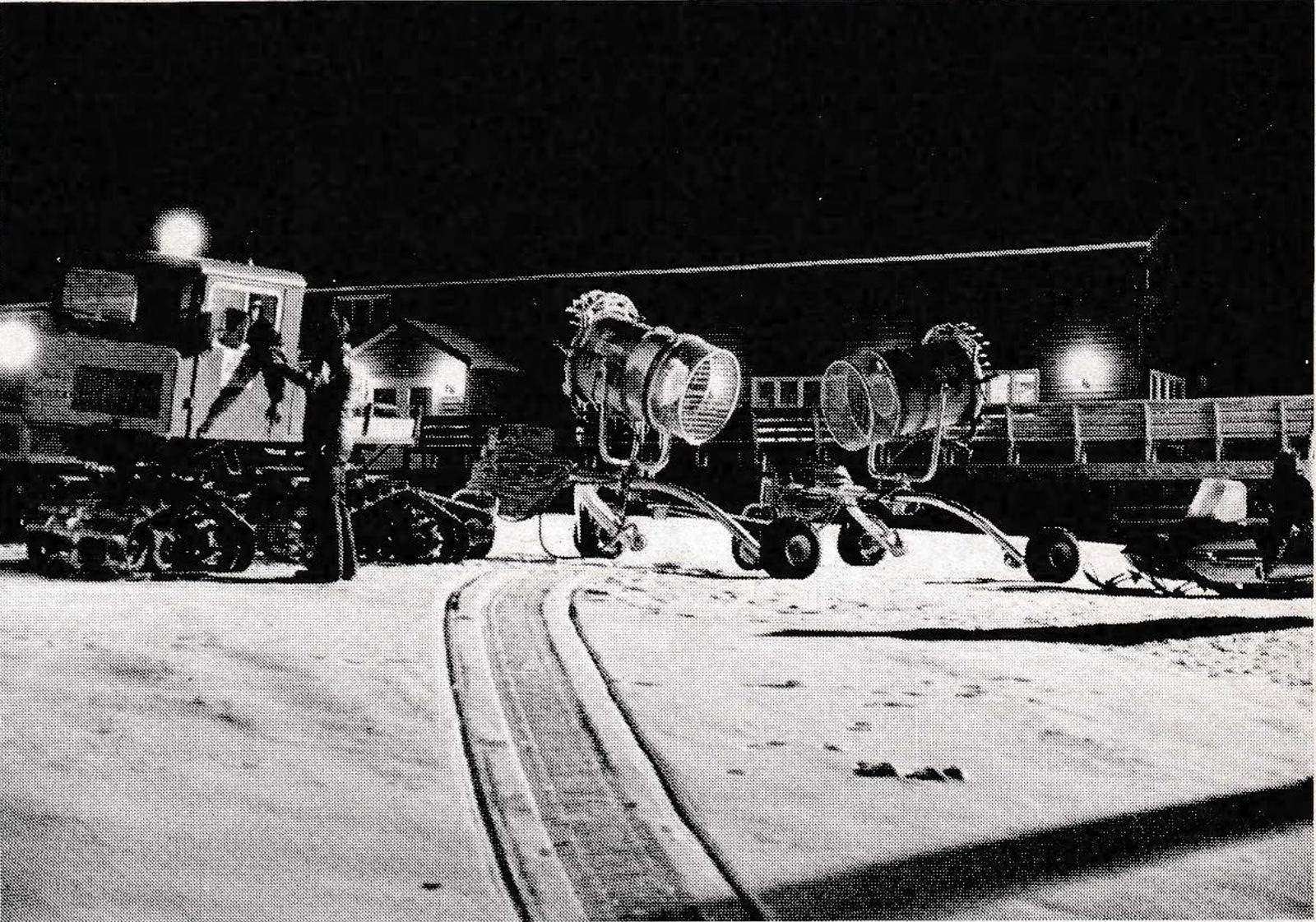
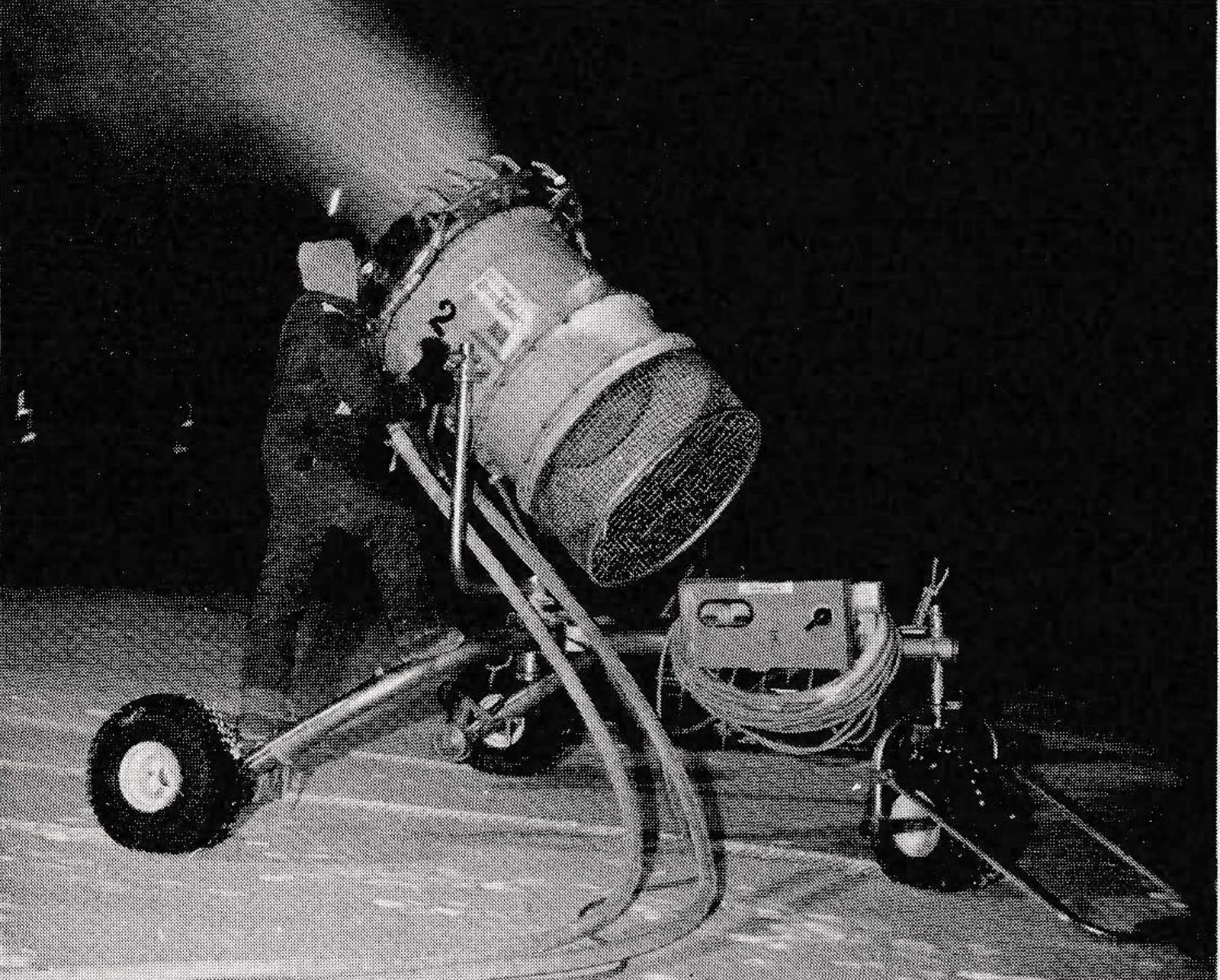
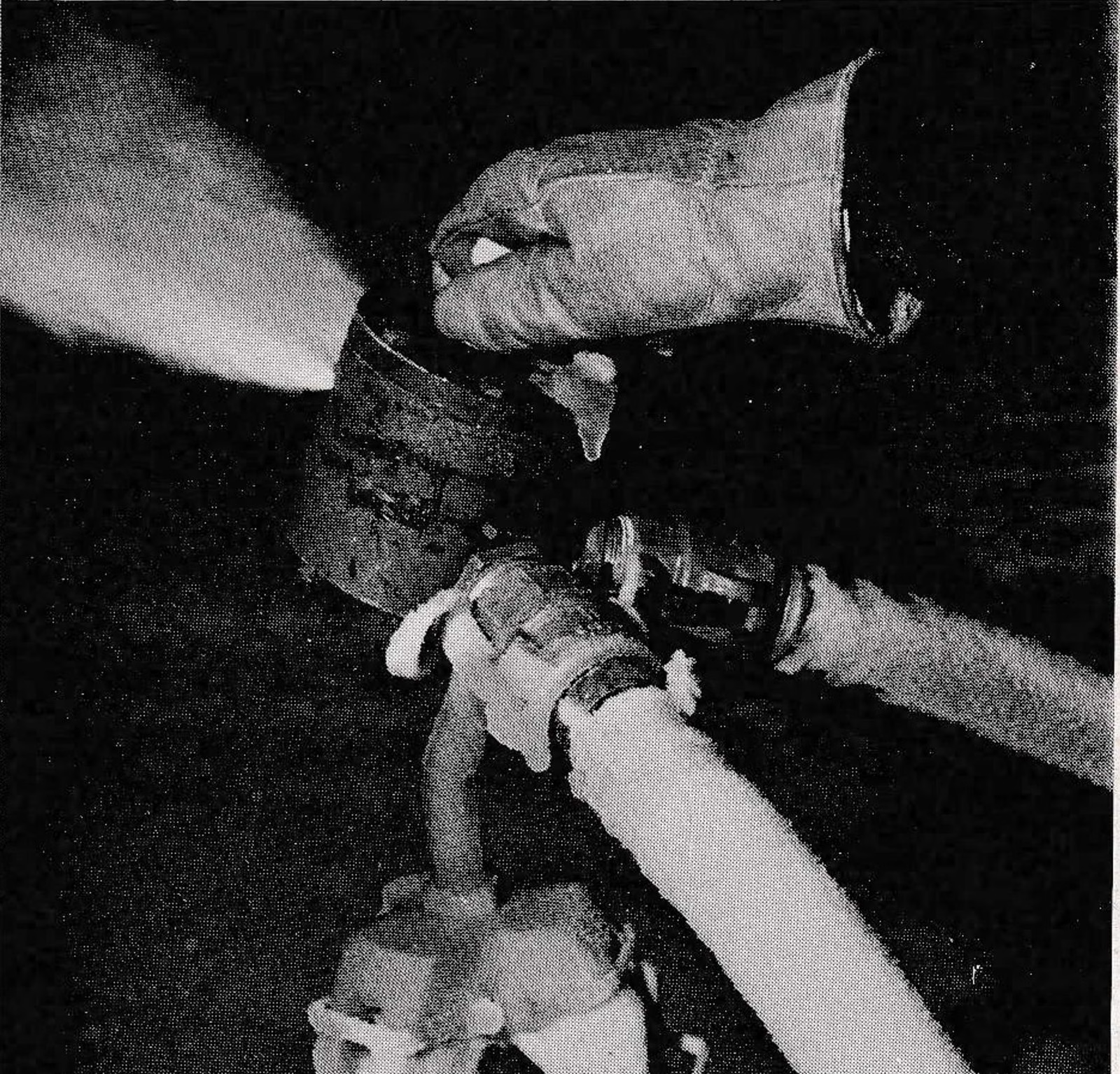
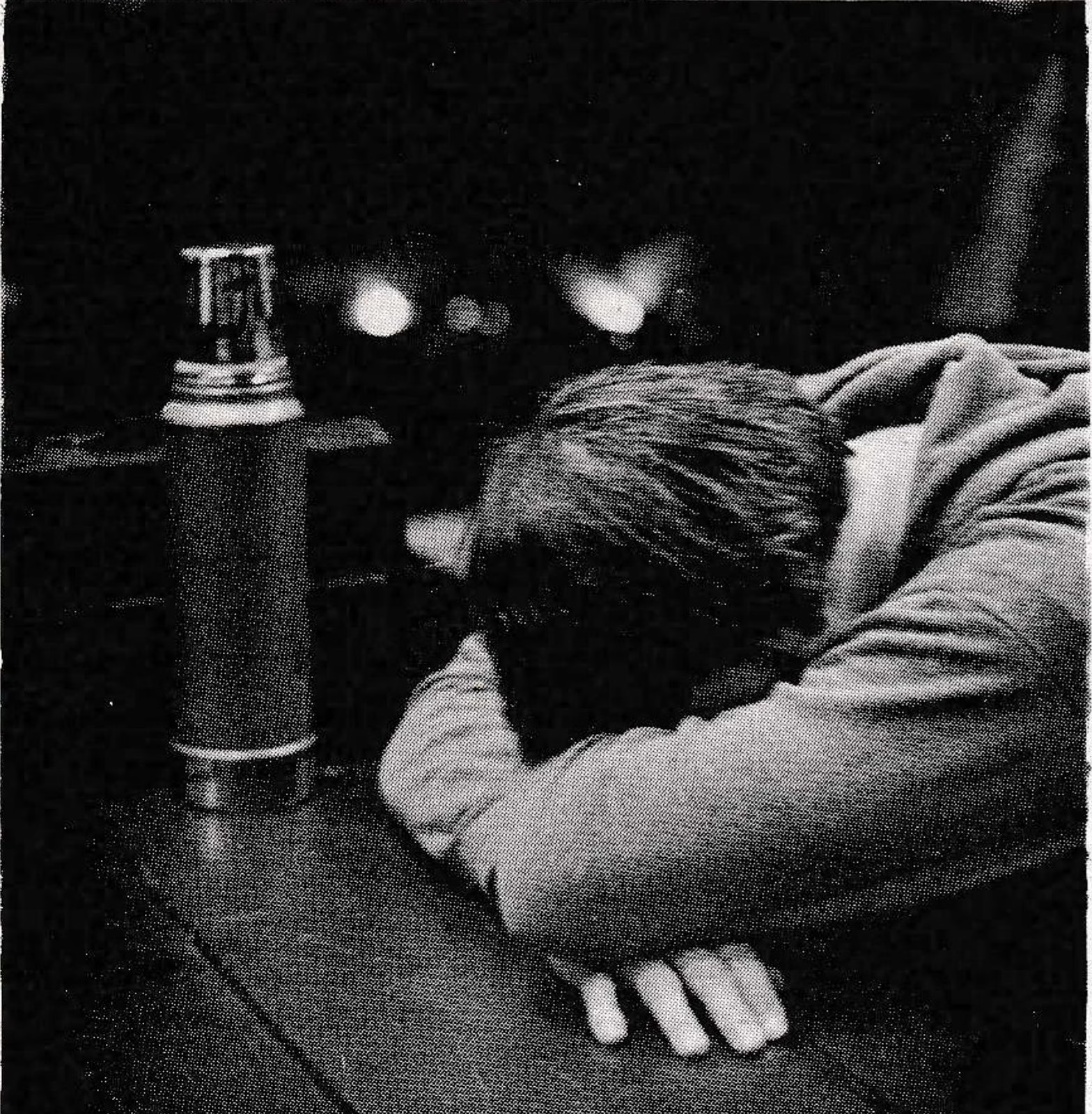
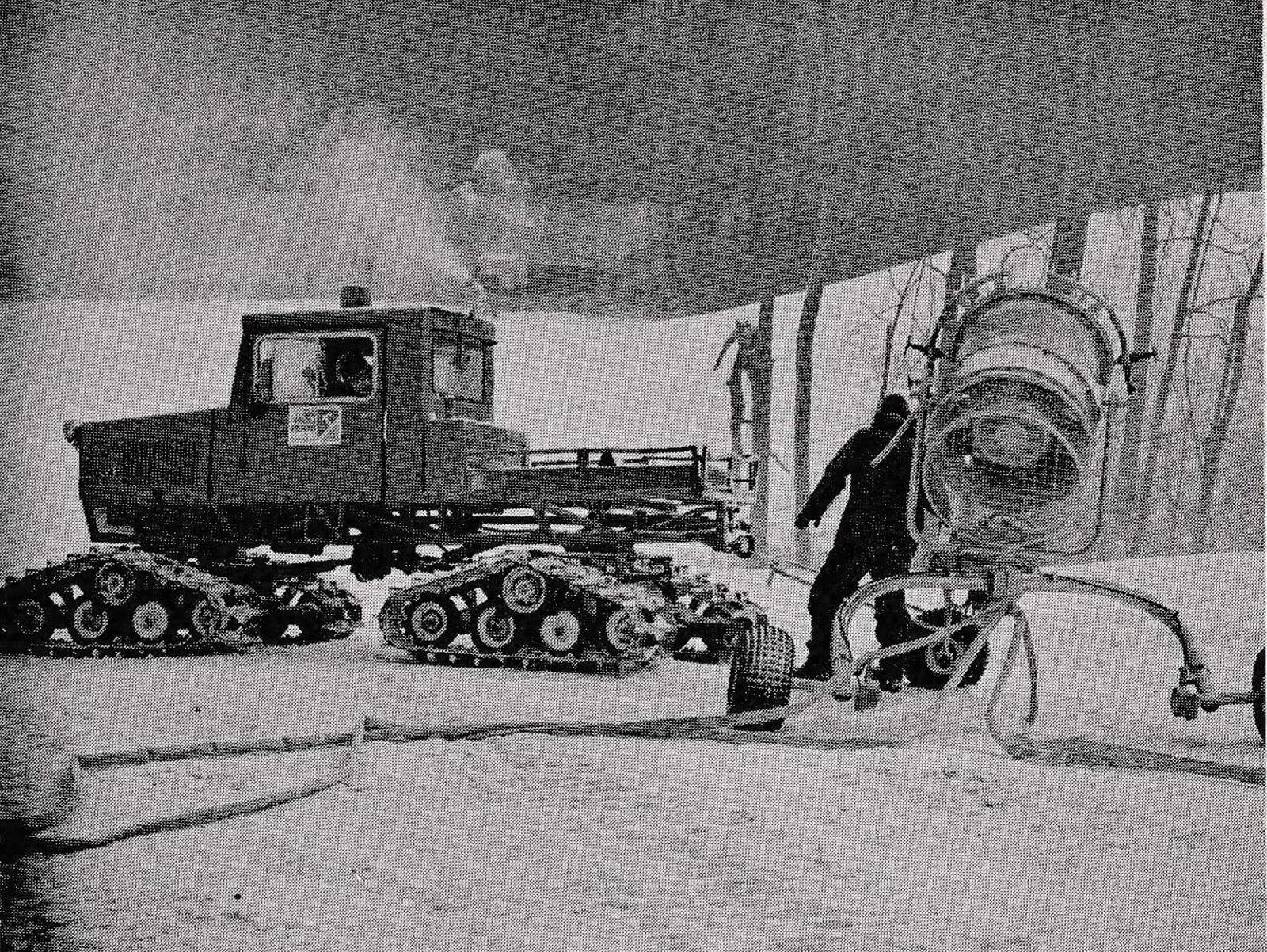
As soon as the temperature readings indicate a “go,” the guns are started. From left, the easy tower-mounted SMI’s go on first.Next are the air guns as Harper waves to start.Then the Boyne Snowmakers are moved into place, hoses attached and nucleators adjusted. A frozen nozzle is warmed by Graves with a torch that is carried on a snowmobile.With a weather report the crew prepares for the 12 to 14 hour night shift. General Manager Felix Kagi (left) points to temperature readings as Supervisor David Mullet and Snowmakers David Graves and Dennis Harper look on.Service and maintenance on the vehicles has been done during the day, so when the crew prepares to pull the guns into place, there are no problems.During a normal night, one man checks the guns every 20 to 30 minutes, turning a machine if necessary, giving more or less water, adjusting nucleators.Every two to three hours, the guns are repositioned. The heavier Boynes are placed 100 feet uphill above hydrants so they can be moved down as much as 200 feet by hand without shutting off.Other duties during the night include checking the condition and pressure of the pumps as well as the air pressure and temperature, methanol injector and water supply pump. After all that, there may be a few minutes for some shut-eye.With daylight comes the job of moving the machines off the trails. This calls for all hands (often including the manager) to give the grooming crew time to do its job on the fresh snow.
SAM uses strictly necessary cookies to run the site. With your permission we also use analytics (including Google Analytics) to improve it. Nothing non-essential loads until you choose. See our Privacy Policy and Cookie Policy.
Your privacy choices
We detected a Global Privacy Control signal in your browser and have automatically opted you out of any sale or sharing of your personal information.