


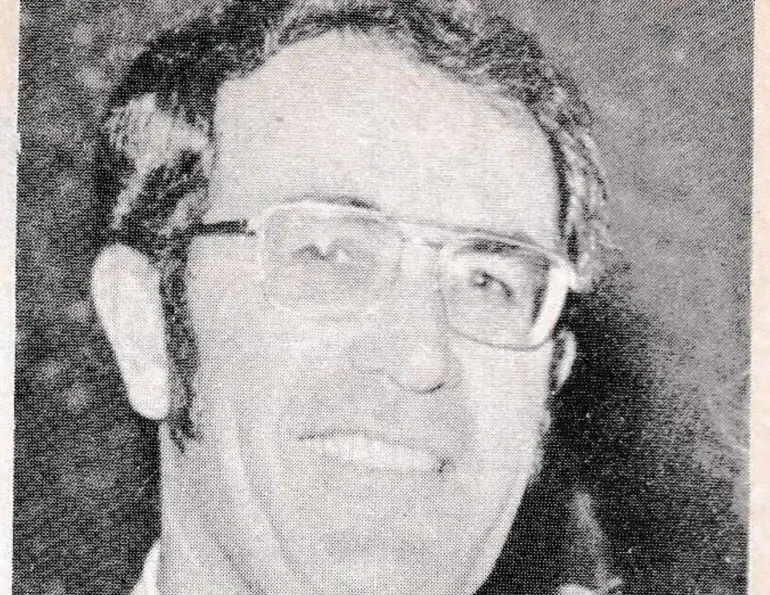
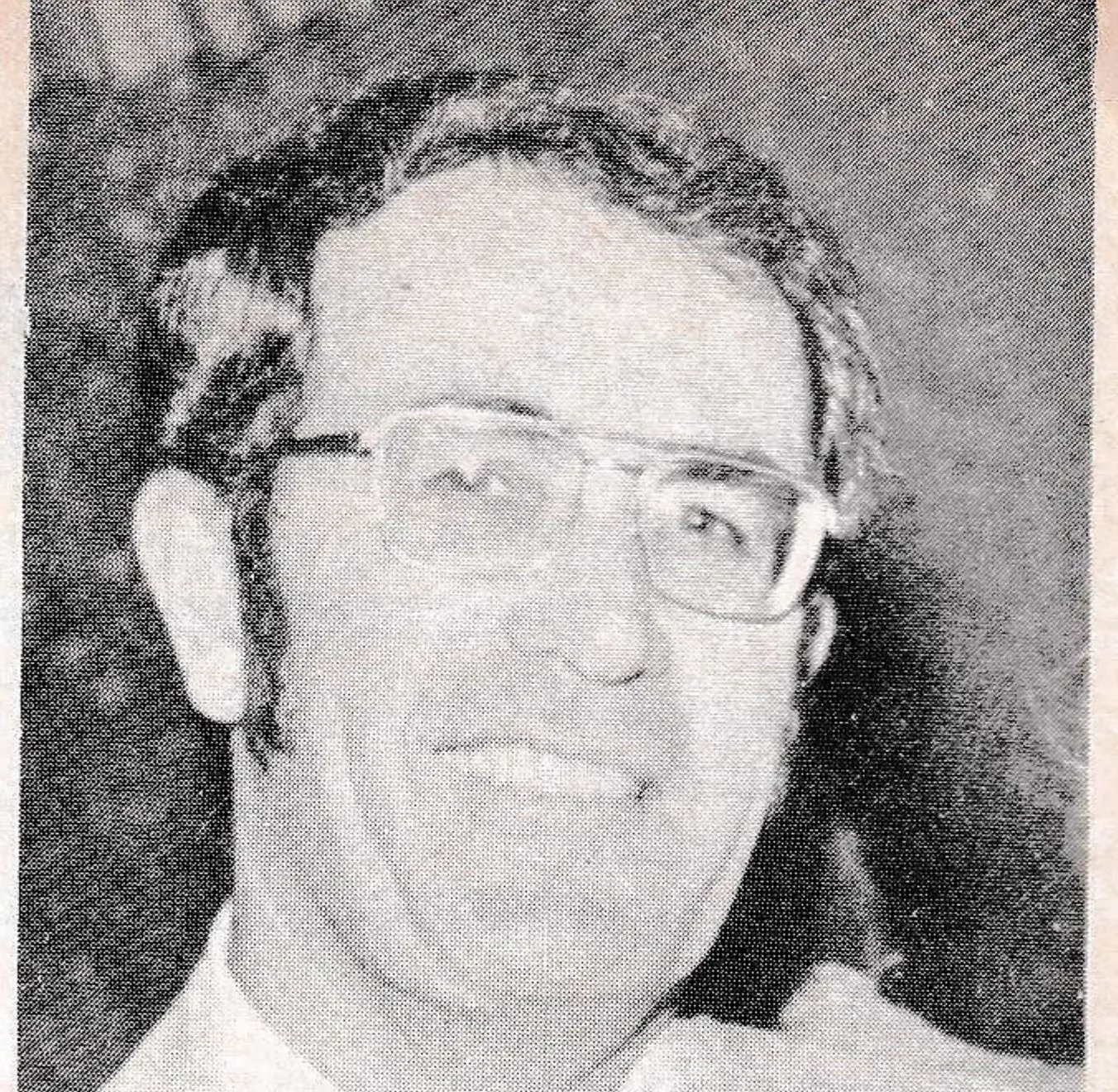
It’s this balancing act that Roy W. Feuchter, director of recreation management, is trying to achieve—and it’s no easy task.
“We fully recognize that is we’re going to have the private sector providing needed services on public land, we have to let them make a profit,” Feuchter told SAM in an interview. “Our challenge is to provide a climate in which private capital can come in and provide a good service and at the same time prevent price gouging.”
While Feuchter has gained the respect of much of the industry, to some extent he is caught in the middle of a conflict between those in the industry who want minimal government intervention and some of his staff who have believed that service fees should be regulated stringently.
Feuchter acknowledged that there has been a split within his own staff between those who believe fees should be regulated based on cost and those who do not.
“We won’t do that because we would immediately have to look at profits,” Feuchter said, adding that he did not believe it was justifiable to deny increases simply based on the profit margin.
“I think if you’re getting good service at a top-notch area and they are making a high profit, that may be OK,” Feuchter remarked. “But if it’s a lousy area, maybe a low profit is too much.”
As a result, the new system allowing increases based on comparable areas and comparable services was adopted.
“I don’t want to be in a position of saying how much an area operator should make,” Feuchter asserted. “We would then be delving into operational style, practices, etc. My philosophy is to divorce ourselves from the operation of the business and only look at the final service the public is getting, charges and safety.”
For example, Feuchter said his policy now is to make certain that an area has established a system to check and maintain the safety of its equipment. “We then will check to see if the system is functioning,” he said. “It won’t eliminate all accidents, but it is a lot better than having one inspector running around and inspecting lifts.”
Feuchter agreed that increased capacity is needed to serve the growing demand for skiing. The holdup has resulted largely from challenges filed by environmental organizations and others, he pointed out.
The RARE II program had been viewed as a significant way to help eliminate some of these delays, Feuchter said, by “spreading out” an entire land management program. But now, legislation is proceeding at a snail’s pace in Congress, and Feuchter predicted it would be five years before it would be finally resolved.
And, meanwhile, he acknowledged, its impossible for potential ski area development to move ahead “with legislation hanging over your head.”
Within the Forest Service, however, efforts have been undertaken to speed up the permit process, according to Feuchter. The requirements for environmental impact statements have been expedited, running that process concurrently with the rest of the approval system. But challenges still cause delays, he said.

In fact, according to Feuchter, it is those challenges that have delayed approvals for western areas where environmental impact statement (EIS) reviews are underway. He flatly denied that western permittees are treated any differently than those in the eastern U.S.
“We’ve been held up for years at Adams Rib in Colorado and it’s not been because of our process, but rather the challenges of environmental groups and folks opposed to development. The problem in the East is just not as severe as out West. Our process is definitely the same. They go through the same environmental analysis—East or West.”
Feuchter expressed concern that— because of the crowed conditions at some ski areas—drop-in skiers should have a reasonable opportunity to ski. “We’ll only address it when it becomes a problem,” Feuchter said. “At the vast majority of areas, there is no problem.”
The policy, he explained, is not one of saying that there must be a specific mix of in-state and out-of-state skiers. “We are just saying that every day there should be a certain number of tickets available to the drop-in crowd —whether they come from condos or the campground, in state or out, rich or poor. I don’t deny we’re shooting for a mix.”
Within the Forest Service, there have been suggestions to assess a financial penalty on ski areas failing to comply. “We’re trying to stay away from that,” Feuchter said. “If we can’t convince them that what we’re asking is right, then we need to re-examine our own position.”
Termination of a permit, however, would be the ultimate club to be used in the event of gross violations, he noted.
The problem of crowds also relates to mountain capacities, and each ski area’s master plan must contain an indication of that capacity. The number of tickets sold should be keyed to that capacity, Feuchter noted, adding that his office plans no further limitation unless specific problems develop.
“We have a responsibility to make sure that a ski area doesn’t become the private playground for a certain group of people,” Feuchter said. The local community, he added, has a responsibility to provide parking, traffic control, other services. The ski area operator “has got to be concerned about the quality of the experience,” he said.
In a final note, Feuchter urged ski areas to consider alternative uses of their facilities during the summer. “It’s really a fine opportunity to get more public use,” he said. One or two lifts could be operated up a mountain, and people could hike back down— perhaps with a nature talk on the way with participation of Forest Service personnel. Fishing opportunities might be developed; perhaps horses stabled.
“It would extend employment for some of your key people and there is some good money to be made,” Feuchter suggested.
