Everyone knows that it can snow in Tahoe—really snow. Just ask the Donner party. Anyone who has lived in the Tahoe area for any length of time understands the meaning of “big snow.” It’s not unusual to get six to seven feet of snow from the time it gets light to the time it gets dark. During one storm in the early 1980s, Tahoe got 14 feet in seven days. I know—I was there.
All this was churning through my mind when we at Tahoe Donner Ski Area started to throw around the idea of purchasing a conveyor lift to enhance our children’s ski school operation.
The first question I had was, “What do we do about snow management around this thing?” The response from the manufacturer was, “You just unplug it and drag it out of the way to groom, then drag it back and plug it back in. It’s easy!” Yeah right, I thought. Drag an 80-foot-long conveyor lift around?
I started thinking about the possibility of building a hydraulically-actuated height-adjustable frame, something that could be run off of a grooming machine’s hydraulics or even its own hydraulic unit. We started tossing the thought around and came up with some really hair-brained ideas, like a big scissor-framed unit.
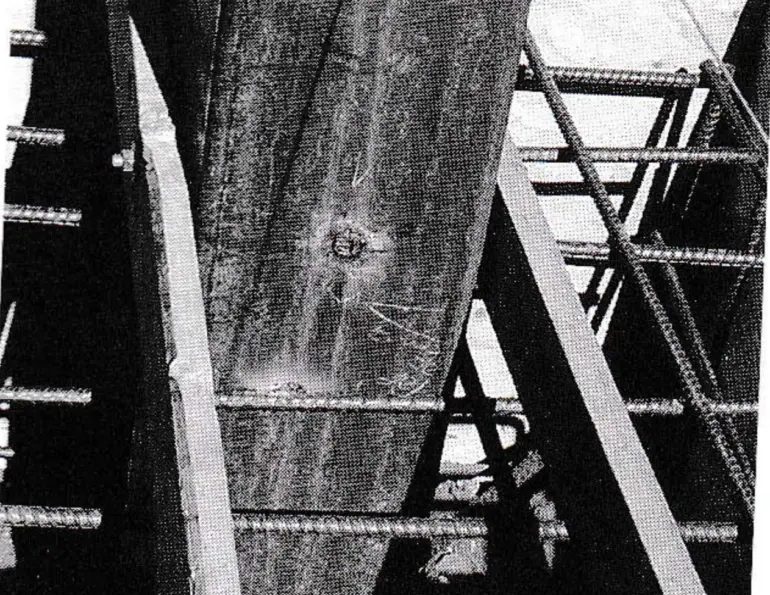
It was time to get some help. I contacted one of our local engineers, Rick Jewett, who does a lot of work in the ski industry. He seemed intrigued with the idea and we got together to discuss it. I think it was Rick who finally came up with the idea of building a permanent concrete base at each end of the carpet, with twelve-inch square 3/8-inch tubing sunk twelve feet into the ground. Inside each twelve-inch square tube would be a ten-foot length of ten-inch square 3/8-inch box, attached to a frame with the carpet unit mounted on the top. The frame itself was constructed of 8-inch x 12-inch x 1/4-inch box steel. The ten-inch square box tubing could slide up and down, in and out of the larger tubing, powered by telescoping hydraulic rams adapted from a dump-truck application. Rick agreed to put together some engineering drawings and plans of our idea, and we were on our way.
The location for this lift had water drainage issues, so we had to trench around the area and install a French drain. It took three of us about a month to trench for the drains, build the forms, pour concrete, weld frames, run the electrics, and mount the hydraulics. The total cost of the project, not including the purchase of the carpet, was about $10,000. We were able to save some money on the original purchase of the carpet unit by building our own frame and not purchasing theirs.
We had the engineering plans for the carpet unit so we were able to build our frame to the exact specifications necessary to facilitate easy mounting of the lift when it arrived. We were ready to test it out, except for one thing: We built the unit to work from the hydraulics of a grooming machine. Since we couldn’t access the site with a grooming machine until it snowed, we were not able to test our hydraulic lift before we actually needed to use it.
When the big day came and it was necessary to raise the carpet due to snow depth, I moved a groomer next to the carpet—with some anticipation and trepidation. We had the hydraulics set up so we could raise each end of the unit independently, thus changing the slope of the carpet if necessary. We plugged it in and it was show time. Had we been really smart or very dumb?

I actuated the hydraulics for one end. Nothing happened. I tried the other end. Still, nothing happened. Bad thoughts were running through my mind. It got very hot in the cab of the groomer.
Suddenly, the whole unit started to rise out of the snow. We were stunned. It was like the Phoenix rising out of the ashes. I brought it up to the desired height and casually unhooked the hydraulics, acting as though nothing unusual had happened.
When you think about it, nothing unexpected did happen. The idea had sounded good. It looked good on paper and should have worked, but as with any project, you just never know.
We have modified the unit to improve our operations. To avoid contaminating the hydraulics on our grooming machines when lowering the unit, I made some special gate valve fittings that we attach to the hoses that reach to the rams. With these, we can drain fluid into containers, thus lowering the carpet.
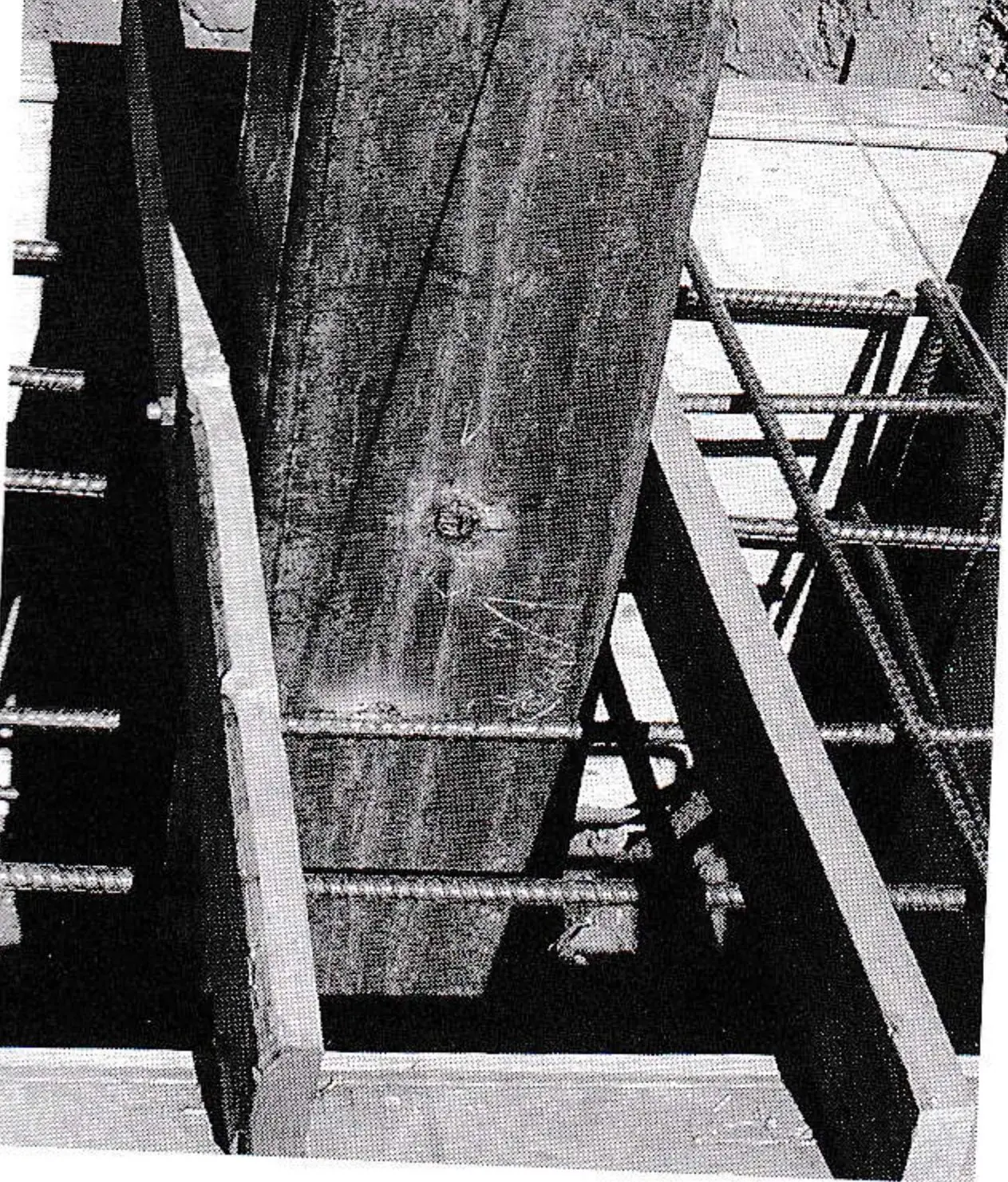
We’ve used our system for a couple of seasons now and have had no problems. The lift goes up, it goes down. We get about six to eight feet of height adjustment. I like to think that we’re ready for the “big snow,” but when you are running a ski area in the Sierra, you must be careful what you wish for, and be prepared for anything.