


Double Up
The problem, though, is that they are neither made for the higher speeds of snowmobiles nor for travels under tree branches. The fiberglass rod holding the flag often breaks at the base where the highest stresses occur.
Mountain Manager Mark Gallagher and his mountain crew at Wisp Ski Area, Maryland, came up with this simple solution—two rods instead of one, spaced a couple of inches apart for added support. Wisp uses a two-foot section from an old broken rod to reinforce the base area, tying it to the longer rod with electrical tape. It works! Now when a ski patroller hits mach 2, the flag is still attached.
Keeping Condiments
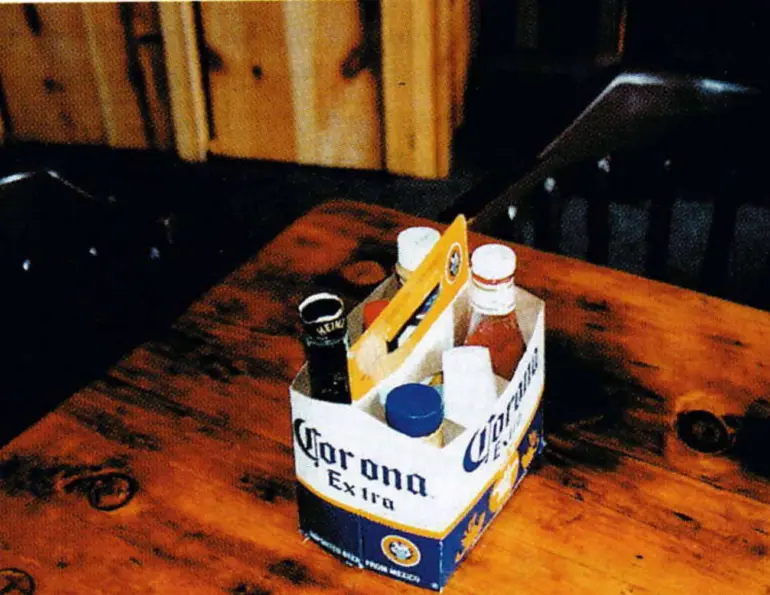
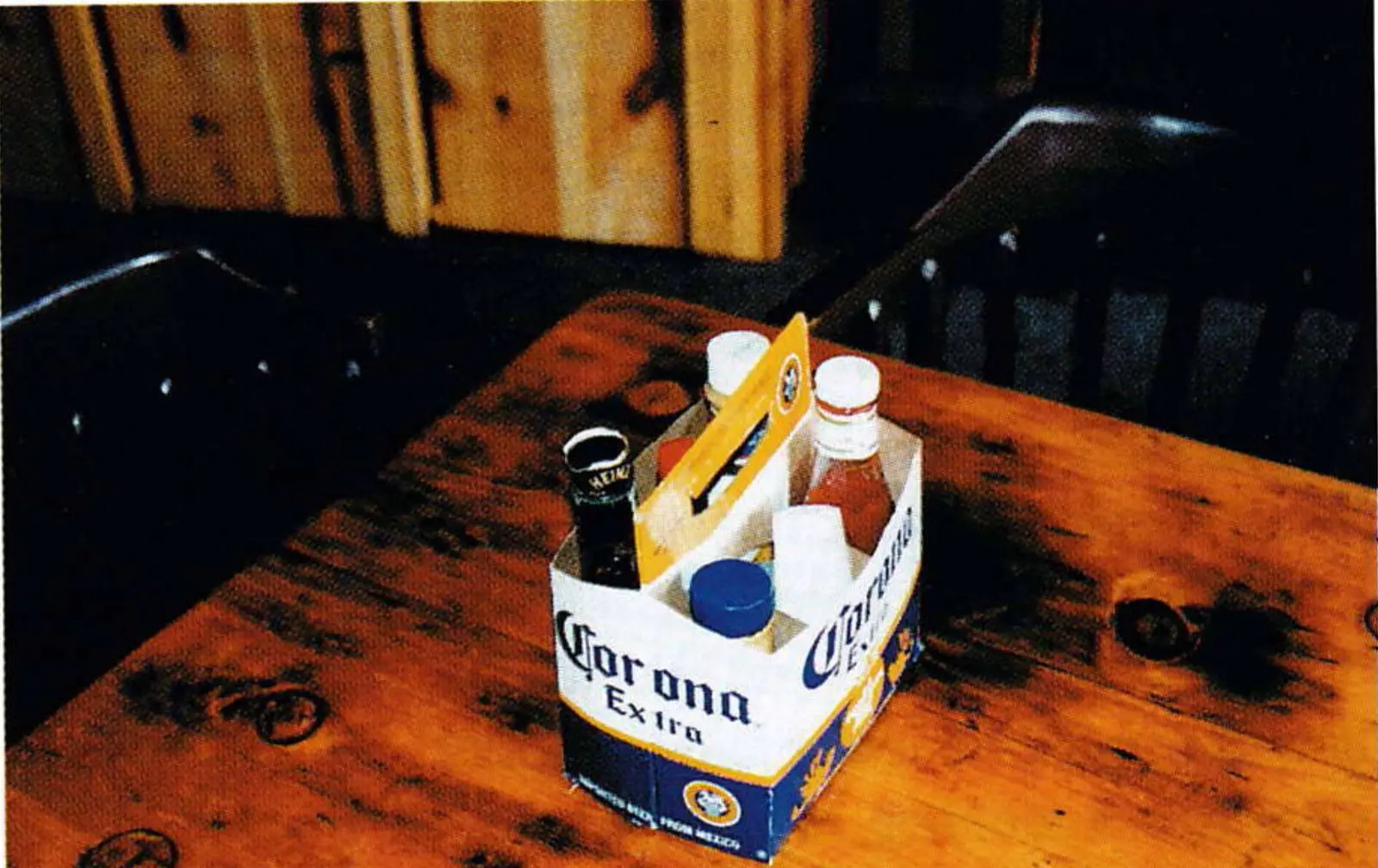
Keeping track of the condiments at a ski resort restaurant can be a full time job for the kitchen staff. Two salt shakers on one table, no ketchup on the other is a common problem. Chuck Wages, food and beverage manager at Durango Ski Resort, Colorado, found this great solution while visiting a favorite watering hole downtown: a discarded 6-pack beverage holder for the condiments. Now mustard, ketchup, salt, pepper, Worcestershire sauce and Tabasco fill the six spaces, making cleaning the tables a snap, too. Just pick up and wipe! The beverage holders can also double as advertisements, reminding skiers to grab a drink (alcoholic or non alcoholic).
When a box gets smeared with mustard, no problem, replace it with new from the practically never-ending supply of empty six-pack holders.
All-Season Doors
Chuck Peterson, P.E., president of Tramway Engineering, just completed construction of a new sightseeing tramway in Glenwood Springs, Colorado, of which he is part owner. The tram, complete with mountain top restaurant, was designed for year-round operation, but the problem was providing guests with the pleasure of dining in the great outdoors, while sheltering them when it snows or rains.
The solution for Chuck Petersen was to install garage doors for more flexibility and better year-round use of the area. Glenwood uses a drop ceiling to conceal the doors when they are in the up position. That way, lighting, speaker and fire sprinklers are located under the doors when they are open.
But, there are other issues to consider: Heating can be expensive and glass is not a good insulator. The doors need to have double panes; and the fire codes do not allow garage doors to be used for emergency egress, so other doors have to serve as exits.
The cost of doors varies greatly. Glenwood Springs used relatively inexpensive doors, around $3,000 apiece installed, but there are endless varieties in both doors and prices to choose from.

