
Ski areas across the United States have been expanding from traditional winter activities to include spring, summer and fall use. The Forest Service wanted to determine the economic and environmental effects of utilizing ski areas on a year-round basis, as well as examine the impacts on ski aeas, local communities, customers and implications of increased ski area permit administration within the Forest Service.
Last summer a survey was developed and sent to Forest Service employees responsible for administering the 165 ski areas permitted on National Forest lands. Responses came from 45 ski areas in six of the ten regions administered by the Forest Service. The majority were from the West with Colorado, Utah and Idaho providing the largest number. Most of the areas had been experimenting with or offering non-winter activities for three years or less.
The following are key questions and responses, along with some advice on mitigating problems,
What kinds of activities or uses are presently taking place at the ski area during non-winter periods? Responses ranged from the number-one ranked walking/hiking (89% of all respondents) to the making of t.v. commercials and llama trekking (2%). The top 10 activities or uses identified were:
- (89%) Walking/Hiking
- (78%) Food Services
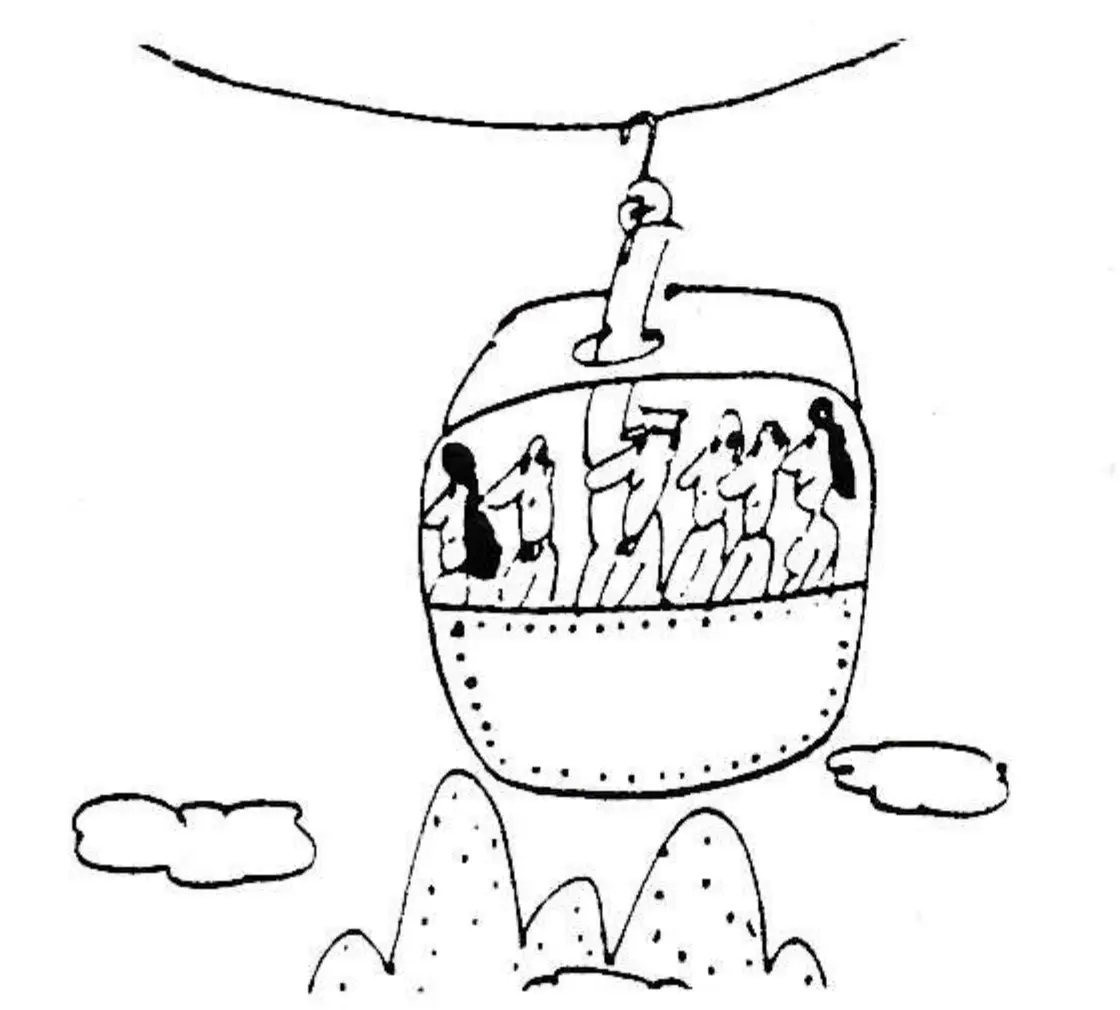
- (76%) Chairlift/Tram Ride
- (76%) Mountain Biking
- (71%) Special Events
- (62%) Equestrian/Horse Use
- (60%) Environmetal Education
- (53%) Lodging
- (53%) Meetings/Conventions
- (53%) Interpretive Trails
- (36%) Tennis
- (33%) Golf
What non-winter activites are most in demand at the ski area? The chairlift tram ride came up as the number-one activity in demand. Mountain biking was the second most-mentioned activity supporting the claim that mountain biking is the fastest growing use on National Forests.
The availability of food services was mentioned as third most desirable at ski areas, followed by walking/hiking trails. Special events (music concerts, cultural events) and meeting/conventions were listed as fifth and sixth probably due to the parking, lodging and meeting facilities needed to accommodate large groups.
Equestrian/horse use (both competitive and leisure riding) was ranked seventh followed by demand for more environmental education programs and interpretive trails to be developed at ski areas. The Alpine Slide was reported ninth in demand (even though its popularity appears to be declining at Eastern ski areas), with lodging and shopping/retail sales tying for tenth place.
What non-winter activities create the most problems and what can be done to minimize them? The majority of problems arose from unauthorzied use such as motorized vechicles in areas. Mountain biking, horseback riding and hiking were also taking place without proper planning. Most of these problems could be resolved by designating and signing trails for specific uses and providing trail users with a map of the area.
Conflicts also came up when recreation users interfered with summer maintenance crews clearing trails or working on construction projects. The problem could be minimized by scheduling projects during slow periods such as mid-week or the spring and fall.
Impacts on the local infrastructure (roads, sanitation and water) and crowd-control were identified as problems associated with music festivals and special events. Local community involvement and planning prior to the even could help address these concerns along with adequate law enforcement and perhaps limiting the number of people allowed at the event.
What effects do these non-winter uses have on the environment and the wildlife habitat of the ski area? This is critical to any exisiting or proposed activities because the Forest Service is already buried under an avalanche of environmental studies and appeals. Most responded, however, that there was little or no impact on the environment of wildlife habitat as a result of the non-winter use.

Those effects reported most often were soil erosion on trails and loss of vegetation in high-use areas. Both of these problems can be remedied by closing areas periodically and restoring the original condition with trail maintenance and reseeding.
Some minor disturbance to wildlife near trails was reported as well as possible impact on elk summer range and calving areas. Minor air and noise pollution from vehicles (especially buses) also was mentioned. The respondent noted that additional sewage and sanitation needs due to year-round use stresses local community and ski area facilities.
What is the effect on the local economy of having or not having non-winter activities available at the ski area? Responses reflected the importance of stimulating and diversifying opportunities for more year-round employment at both ski area and in the local community.
Some of the benefits mentioned were: Ski area operators could maintain better staff continuity year-round and keep employees, lower unemployment costs for ski areas and the local community and revenue from four-season operations might help keep lift ticket prices down.
In addition, more tourist travel during the summer than in winter and most foreign visitors also come to the U.S. in the summer months. Many rural economies have become dependent on tourism related to public lands administered by the Forest Service, Bureau of Land Management and the National Park Service.
Do you see any trends for the future related to year-round use of ski areas? Forest Service employees predicted increased costs for year-round permit administration, monitoring, environmental analysis and public involvement. Responses included:
- Master planning by ski area operators will include the four-season resort concept and require summer operating plans.
- Development of vegetation and erosion control management plans.
- The Forest Service dilemma of determining what is appropriate use of National Forest lands as well as no-growth issues raised by local communities.
- Increased accessibility for the elderly and disabled (more “barrier-free” facilities).
- Public demand for a wider variety of services and activities on federal lands associated with ski areas.
- Ski areas will become year-round visitor information centers as a gateway to Forest Service lands.
These trends indicate an increasing need for cooperation between the Forest Service and ski area operators. The Forest Service “America’s Great Outdoors Initiative” emphasis is on creating customer satisfaction and forging partnerships with local communities and forest users to develop strong, diversified economies while protecting the natural environment.
The survey indicates that the four-season resort development at ski areas located on National Forest lands has evolved out of necessity and demand. Necessity for many ski areas and local economies to stay in business and demand by the public for recreation and educational opportunities associated with ski areas on a year-round basis.