Affluence and burgeoning populations of young people are creating a leisure market in the Pacific Rim countries that resembles the robust 1970’s and 80’s in North America and Europe. This time, however, state-of-the-art technology and knowledgeable consultants are producing in ski resorts for the 21st Century. In some instances, terrain and snow seem less significant than high-tech trimmings and incidentals.
In this, the second part of a two-part series on Pacific Rim ski resorts, the authors conclude by saying:
The bottom line is that Asia’s resort community not only is maturing, but is taking the leadership role in the design and construction of ski resorts that reflect state-of-the-art technology. Of course, plenty of the conceptualizing and planning is being furnished by Western minds. That, at least, is one small consolation for an industry that has seen the limelight shift from one hemisphere to another.
Gala Yuzawa and Its Ski Circus
Nowhere does technology have such a free reign as in Japan’s emerging new mega-resorts, which are quickly taking this country out of the Stone Age of ski development and thrusting it beyond the modern era. It wasn’t many years ago that Japan’s ski areas were mostly primitive places with a lot of deficiencies — one-seat chairlifts, awkward slope designs, cramped day lodges and horrific traffic problems. It was something of a contradiction that the Japanese were so proficient in retail service and electronics, but so backward in creating aesthetically pleasing and efficient ski resorts.
The bulk of the 700 ski areas in Japan are still mama-san and papa-san affairs, to be sure, but the nouveau resorts now being built, some with a combination of private and public funds, are striking examples of what the West might have developed if skier days hadn’t tapered off. Certainly, Gala Yuzawa stands out as an amazing achievement and a place the world will hear much more about in the coming years.
Transportation to the slopes in the Japan Alps of Honshu has always been a problem for metropolitan dwellers in Tokyo and Osaka, who have to get on buses and take six- or seven-hour overnight rides to the major resorts. But the arrival of Gala, a $145 million project of the East Japan Railway Company, gave the city skiers a quick way to reach the slopes with a new bullet train that makes the trip from Tokyo in 75 minutes. Not only does the train service an interconnected ski circus of three resorts, but it gives access to two regions that have 17 ski areas, including neighboring Naeba, which is one of Japan’s ski giants and the flagship of the Seibu winter resort empire.
The skier day numbers for Gala’s first season are remarkable. According to Paul Mathews, president of Ecosign of Whistler, B.C., which did the master plan for Gala and consults for several other resorts in the region, Gala recorded an astounding 356,600 skier-day visits by the end of March, with over half of them coming by train. The Yuzawa region as a whole logged over 7 million skier visits, and the neighboring Shiozawa region, which is part of the interconnect between Gala and Isiuchi, tallied another 2 million skier days for four resorts. Those kinds of numbers, said Mathews, would put the region at the top of the world’s elite ski centers.
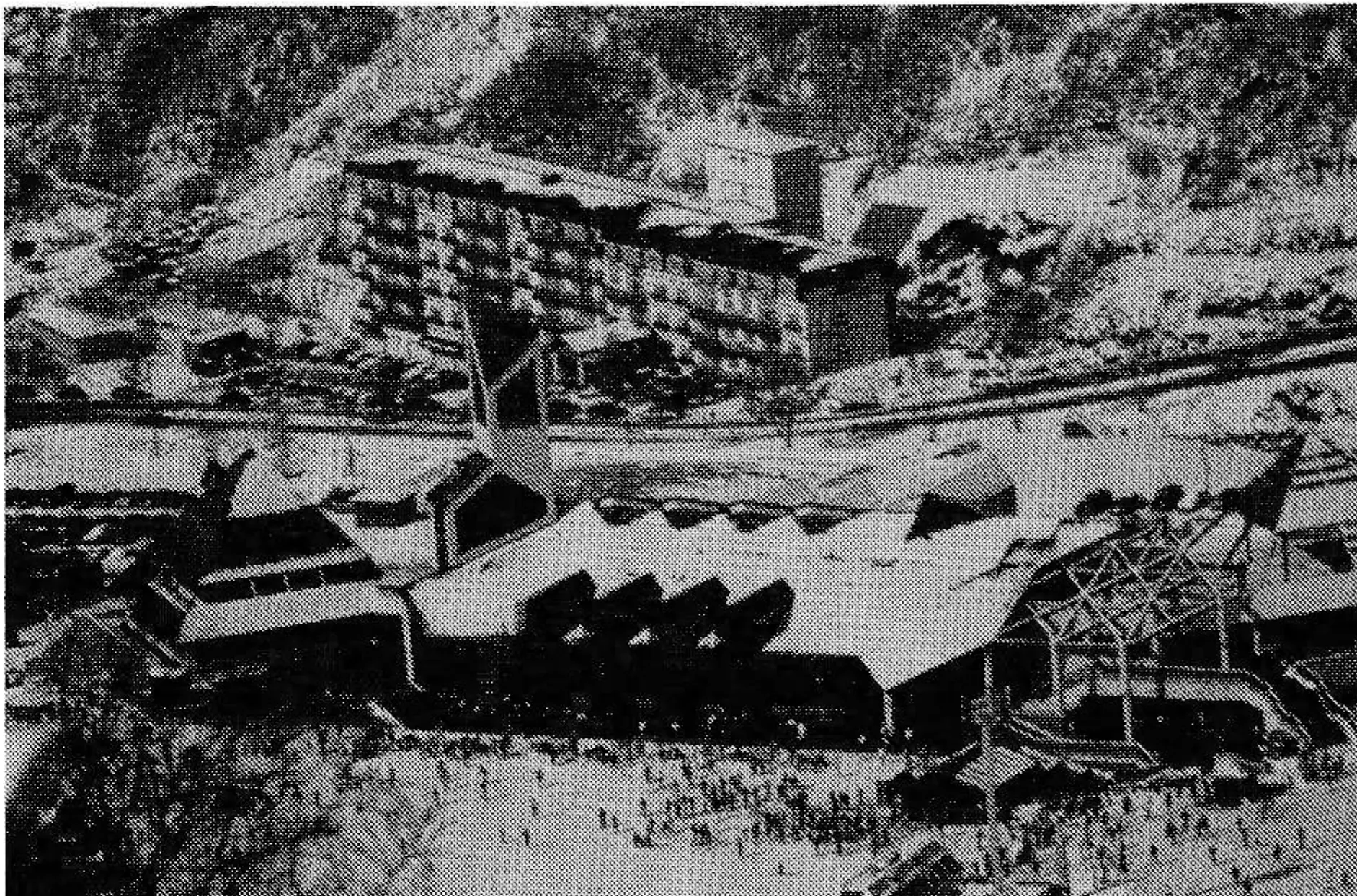
Gala has certainly demonstrated a yen for high tech. The base lodge, which houses the shinkansen station on the lower level, also contains a high-speed gondola that has automatic wind controls with remote sensing. The lodge looks like a modern airport terminal with high ceilings and skylights and has a fully computerized ticketing and reservations desk. Lift tickets (about $30) can be purchased by means of Gala’s own internal credit card system, which is also applicable to rentals, lessons, meals and other incidentals.
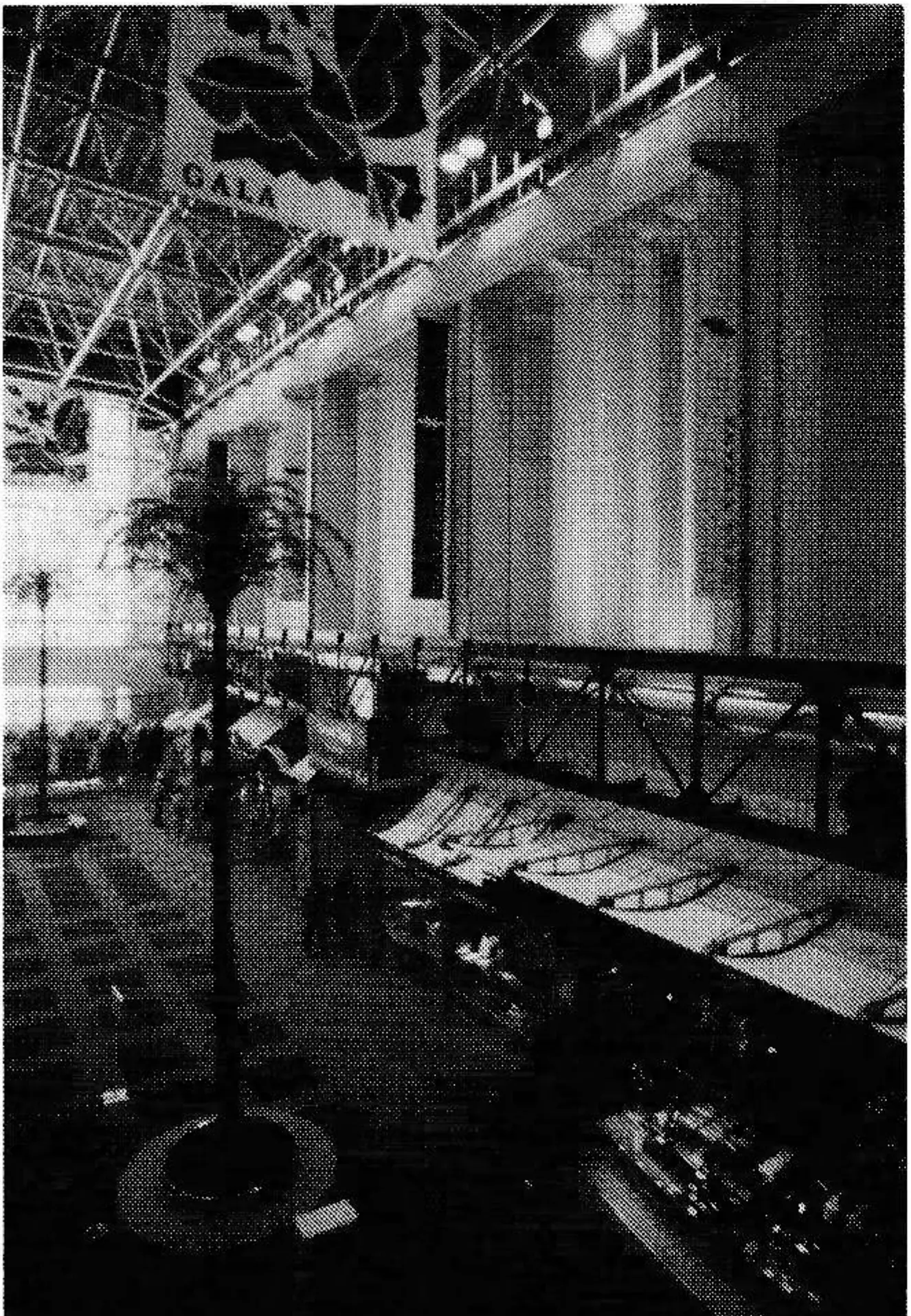
The grand foyer, lined with gift boutiques, ski rental and retail shops, a restaurant and locker rooms, has escalators that take skiers to a mezzanine where they can ship and receive luggage — including skis — to and from their homes in Tokyo. The mezzanine also has touch-video information screens and more lockers.
For its premiere season, Gala opened with a gondola, a 51-passenger tram that links the area with neighboring Yuzawa Kogen (the town hill) and six chairlifts, including two detachable quads, giving the area a vertical of 2,244 feet. Nippon Cable and CWA of Switzerland built the gondola, the tram and the lifts. From the summit, skiers can access the other two resorts via a trail and lift system. For a break, they can stop at a spacious mid-mountain day lodge called Cheers — the terminal station for the gondola — and sample any of three restaurants, including a scramble-style cafeteria with everything from hamburgers to soda noodles.
For this season, nearby Yuzawa Kogen plans to open a new 166-passenger tram — said to be the world’s largest — from the town of Yuzawa, replacing an older and much smaller tram. This, too, will be a Nippon and CWA project. A project under construction by owners of the New Otani hotel chain, called Sky Valley Yuzawa, would add another interconnected ski area to the circus, probably for the

Muju Confronts Mother Nature
Not many developers these days would consider building a ski area in a banana belt region where tepid temperatures might further shorten an already brief ski season, which in Korea usually finishes by the end of February. But Ssangbangwool Development Company, which knows a thing or two about brevity (it’s one of the world’s largest underwear producers), figured that having the only major ski resort south of Seoul, where it would be close to the cities of Taejon and Teigu, would outweigh the disadvantage of paltry contributions from Mother Nature.
Once it began the Muju project on Mount Dukyou, in Tokyusan National Park, SBW might well have wondered if it would lose its shirt. The $170 million project suffered from a 30 percent cost overrun, in part because of snafus in building an ambitious snowmaking system. Roger Gardner, a former lift and mountain equipment salesman from Gardnerville, Nev., acquired the contract for consulting and his challenge was considerable. Notwithstanding the language barrier, he had to deal with unsophisticated Korean workers, some of whom were brought in from the oil fields of the Middle East. He also had to deal with development constraints of working in a national park.
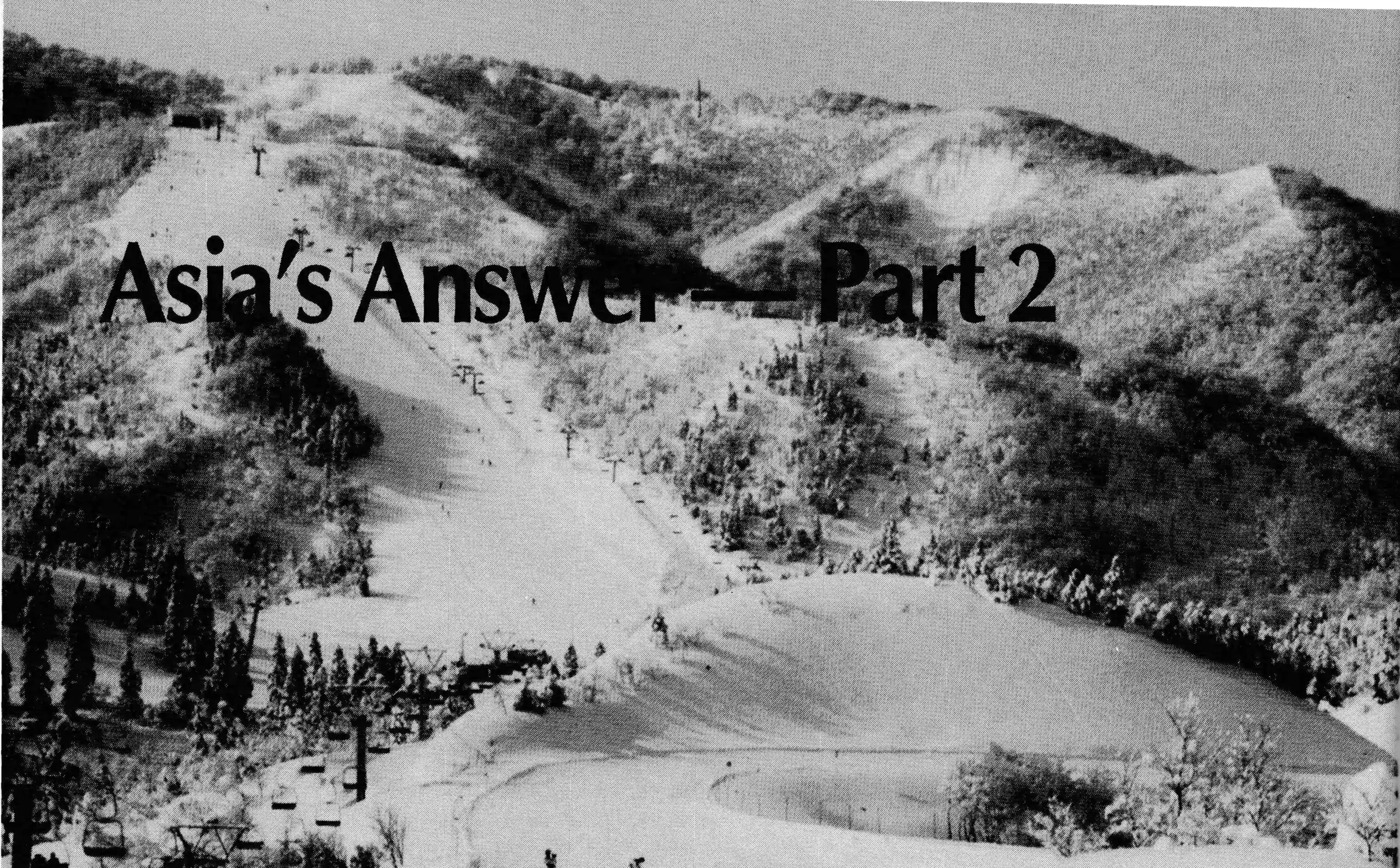
With seven chairlifts variously built by Doppelmayr, Poma and Nippon Cable, Muju opened in December 1990 with its first phase, known as Peak 1, which had 100 acres of ski terrain and a vertical of 1,400 feet. The area, with about a dozen runs, was supposed to be completely serviced by snowmaking, but more than a few glitches kept the coverage to about 30 percent. The system, with 300 hydrants and 250 snowguns — purportedly the largest in Asia — suffered from air and water leaks, and siltation in a river that was the main water source caused environmental difficulties.
The wonder is that Muju opened for the 1990-91 season at all. Despite the construction and engineering snafus, and the added problem of energy cutbacks from the Gulf War that prohibited use of the lights for night skiing, Muju catered to as many as 15,000 people a day during the Christmas to New Year’s period. A lot of them had a tough time finding housing, because Muju had only 211 guest rooms in its condohotels and the nearest town, Muju Guchundong, had only a handful of spartan accommodations.
Still, the truncated snowmaking system was able to run for 70 days, long enough to cover most of the hill. What the mountain might have lacked in snow, however, it more than made up for in infrastructure. The centerpiece of the resort is a three-story “Ski House” or day lodge, which contains 100,000 square feet and looks not unlike a very large Presbyterian church. Its basement is a marvel of organization for ski rentals, with a capacity to handle 6,000 sets of skis, boots and poles. Some 18 bindings stations, said Gardner, can kick out 3,000 sets of rental equipment in under two and one half hours. And renters don’t need to haul their equipment around; the skis are ferried to the exit in carts, where skiers can grab them and then ascend to the lifts on escalators.
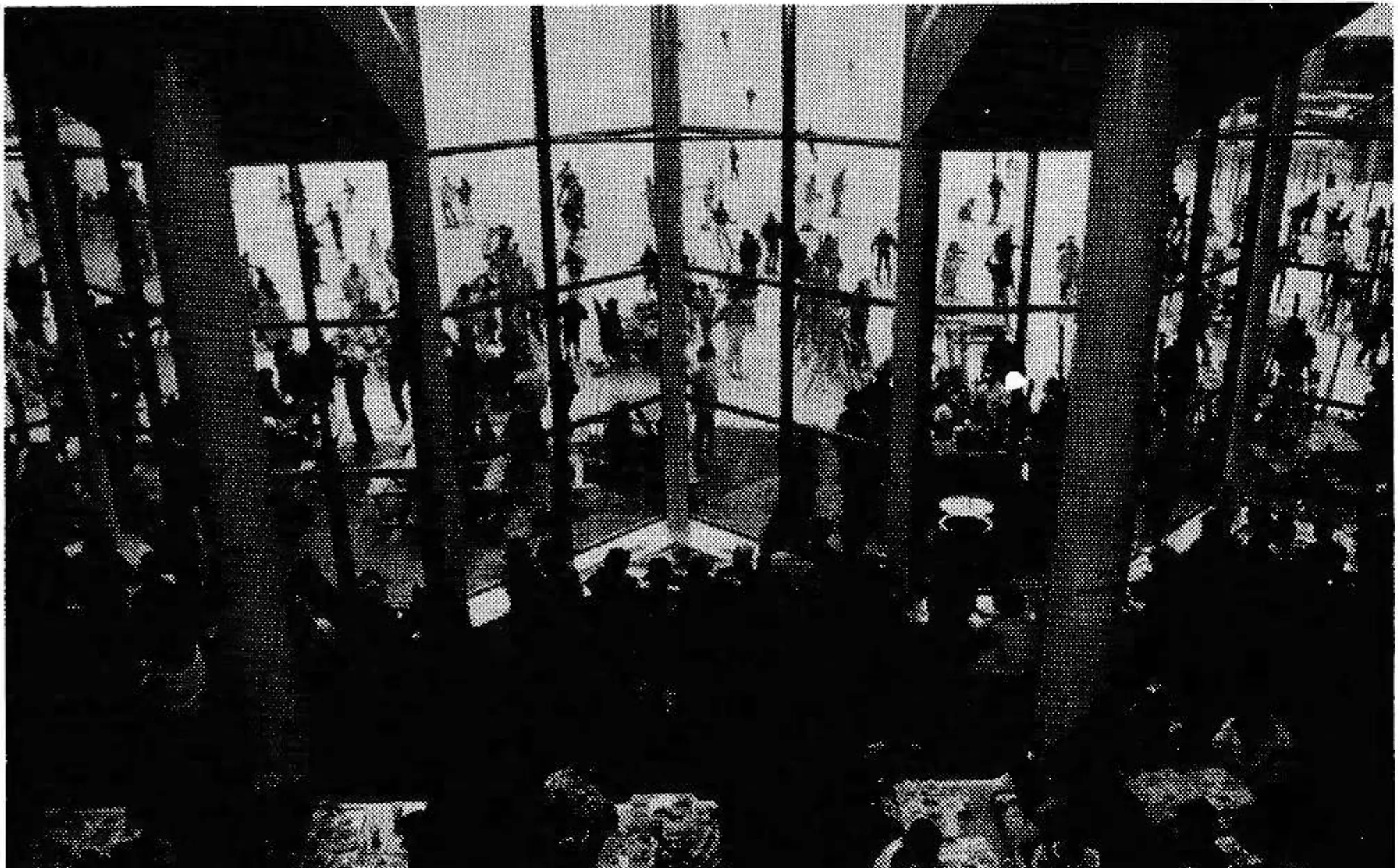
Common facilities in the Ski House include an enormous, two-level cafeteria — one for Korean-style meals and the other for Western-style fast food — with massive picture windows overlooking the slopes and a formal dinner house, where skiers can order Korean delicacies such as kimchi (pickled vegetables) and bulgogi (a type of spicy barbecued beef). At the top of Peak 1, there’s a snack bar in a rustic sort of log cabin and, strangely enough, a mini-zoo with bears and deer.
Things may get more interesting with Peak 2, which is intended for completion in 1996. This much larger mountain would have a greater vertical (about 2,800 feet) and a host of Olympic-quality amenities, including Nordic jumps, slalom courses and a downhill run. During its debut season, there wasn’t much in the way of apres ski facilities, which were limited to a cluster of Western-style condominium hotels. The number of units is slated for 2,400 by full buildout and the plans show a fitness center, with shops, two hotels and a youth hostel. Summer business will include two 18-hole golf courses, an amusement center with a water park and a variety of other outdoor sports facilities
If the vision comes to pass — if SBW has the deep pockets to bring it off — then Muju would clearly be one of the titans of Asia’s new super resorts..