It begins with a call from Brenda offering advice; things like, as you approach the resort there is a 25 mph sign, after you pass it you should be driving 23 mph—they like to give tickets. Also, bring your own booze for cocktail hour; the closest liquor store is 36 miles away. You may need a massage after a day of hitting golf balls; I can make an appointment for you.
A nice touch for guests about to embark for golf school at Stratton Mountain, Vt. Brenda is Brenda Goodman, the concierge at the Long Trail House where most of the golf students stay for the two-, three- or five-day golf-school programs and she calls guests the week before their arrival.
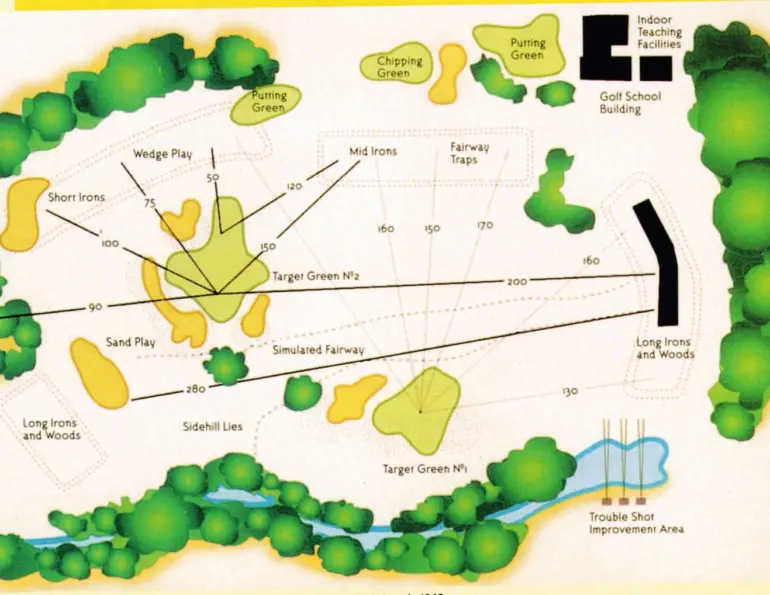
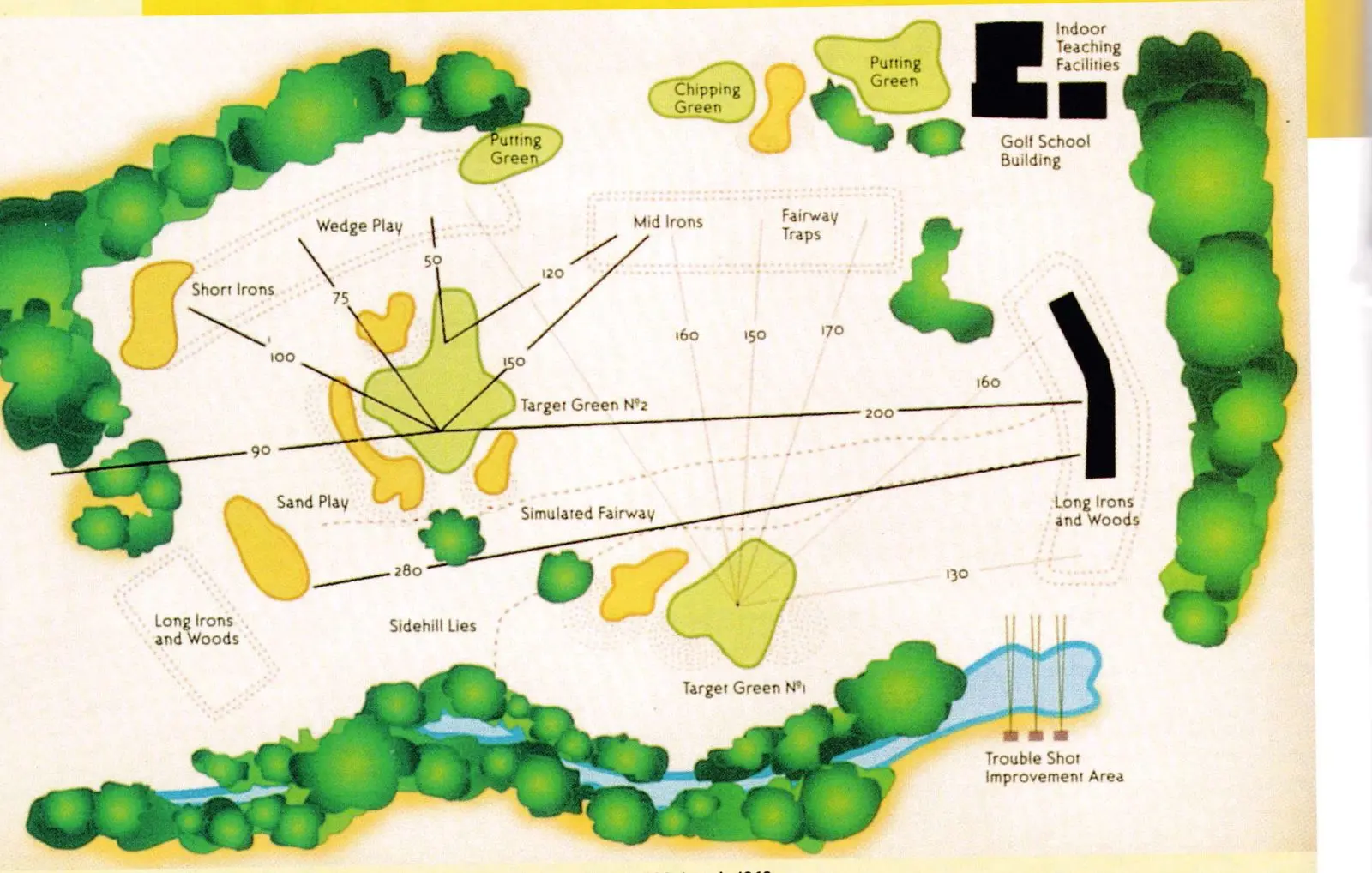
This is a different marketing approach, but it’s not the only different feature of the Stratton Golf School. The most notable distinction is the facility where golf is taught: a spread of 22 acres with separate driving ranges for woods, long irons and mid irons; greens for long putts, short putts and chipping; platforms to practice uphill, downhill and sidehill lies; bunkers for all kinds of problem shots; and a pond to pitch over and build confidence (the balls float). In addition, there is a 4,500-square-foot air conditioned headquarters building with a lecture space and seating for 80, four rooms with large computer screens to view videos of student swings, locker rooms and the usual rest-stop facilities.
Among the 650 golf schools in the United States, of which about two dozen have layouts designed specifically for teaching, the Stratton facility is one of the biggest. It also has the most specialized terrain that lends itself to a highly sophisticated approach for teaching all aspects of golf to players of all levels. Most remarkable, it was designed in 1969 by none other than Arnold Palmer.
Originally, the school was a summer camp to train kids in the art of golf, but the attraction simply wasn’t there, so in 1977 it was converted to an adult-only school with one week in July for parent/child programs. The timing for an adult golf school couldn’t have been better to catch the golf boom that began in the mid 1980s. Today, the Stratton Golf School runs from mid-May through September and hosts 3,000 students who hit an average of 500 balls a day and consume 1,000 Band Aids each week.
The director of the golf school is Rich Setter, not a golf pro turned teacher, but an amateur golfer who studied hotel and resort management at Rochester Institute of Technology. He actually began working in the food and beverage department at Stratton before switching to golf instruction. Now, 36 years old, Setter became director of the school in 1997.
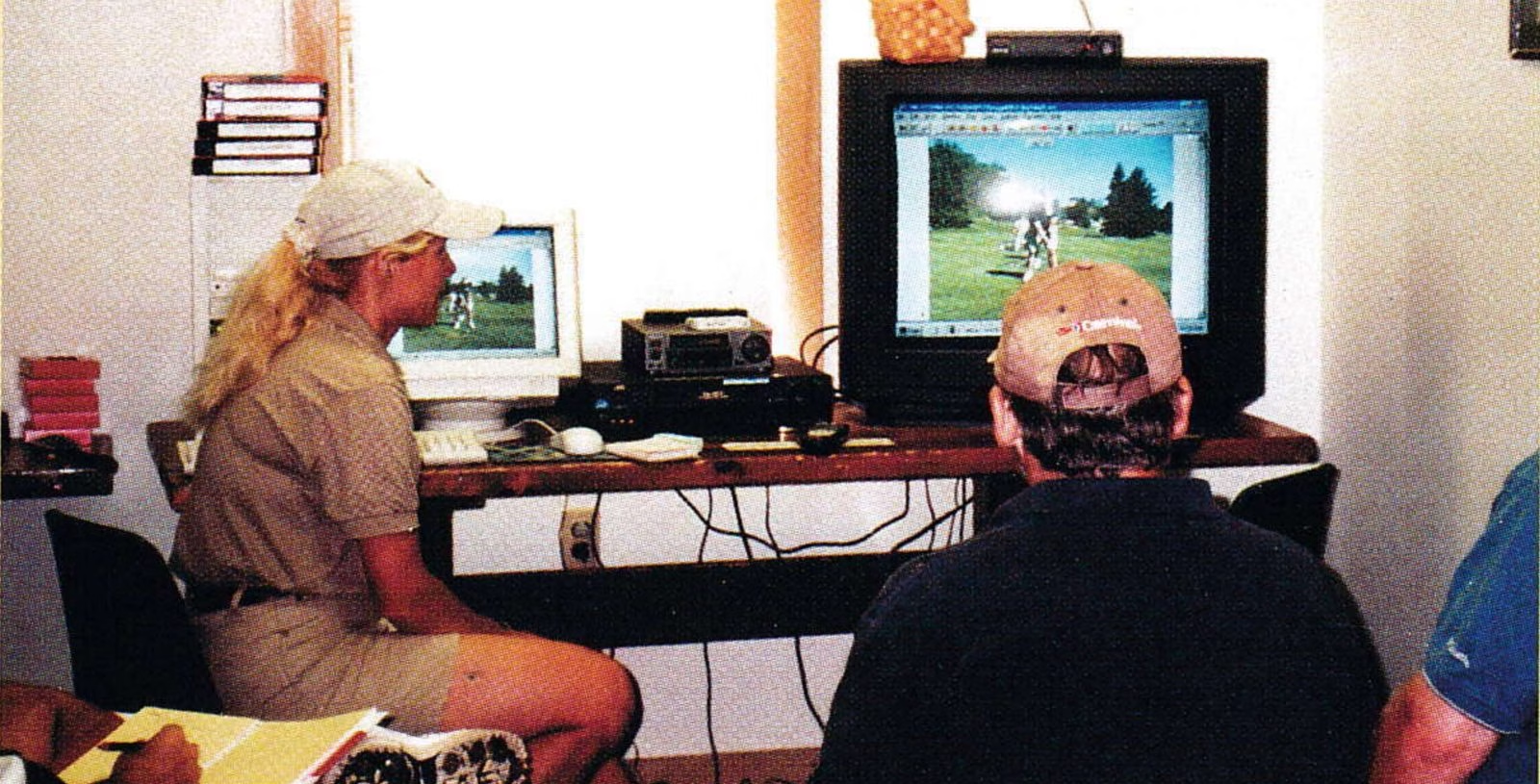
Photo by Janet Nelson
“What’s really different about this operation is our ability to move students from one instruction station to another,” said Setter. “We have lots of flexibility and variety. Even things like chipping can be done on short or long grass, uphill or downhill lies, long or short shots.”

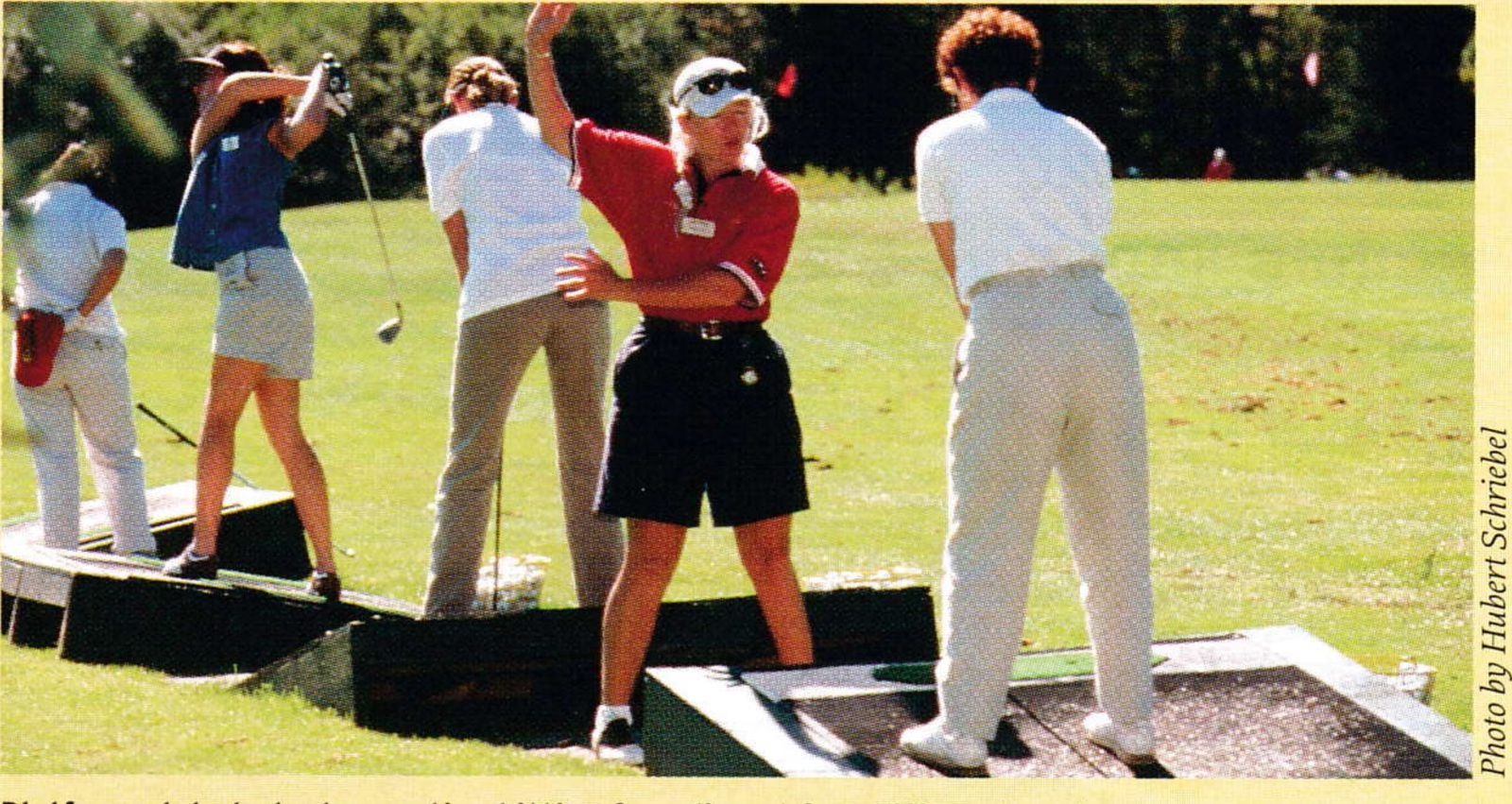
Photo by Hubert Schriebl
To manage this, the 75 to 80 students a week are divided into groups of four or five with one instructor who stays with the group through the entire session. The 19 teaching pros move their groups from station to station in a continuous flow interrupted only by stops at the golf school headquarters for respites and changes of clubs. The program is divided so students move from short shots to long shots, putting to pitching, rather than one day of hit, hit, hit followed by a day of putt, chip, putt. Eight-passenger open taxis transport people to and from distant sites.
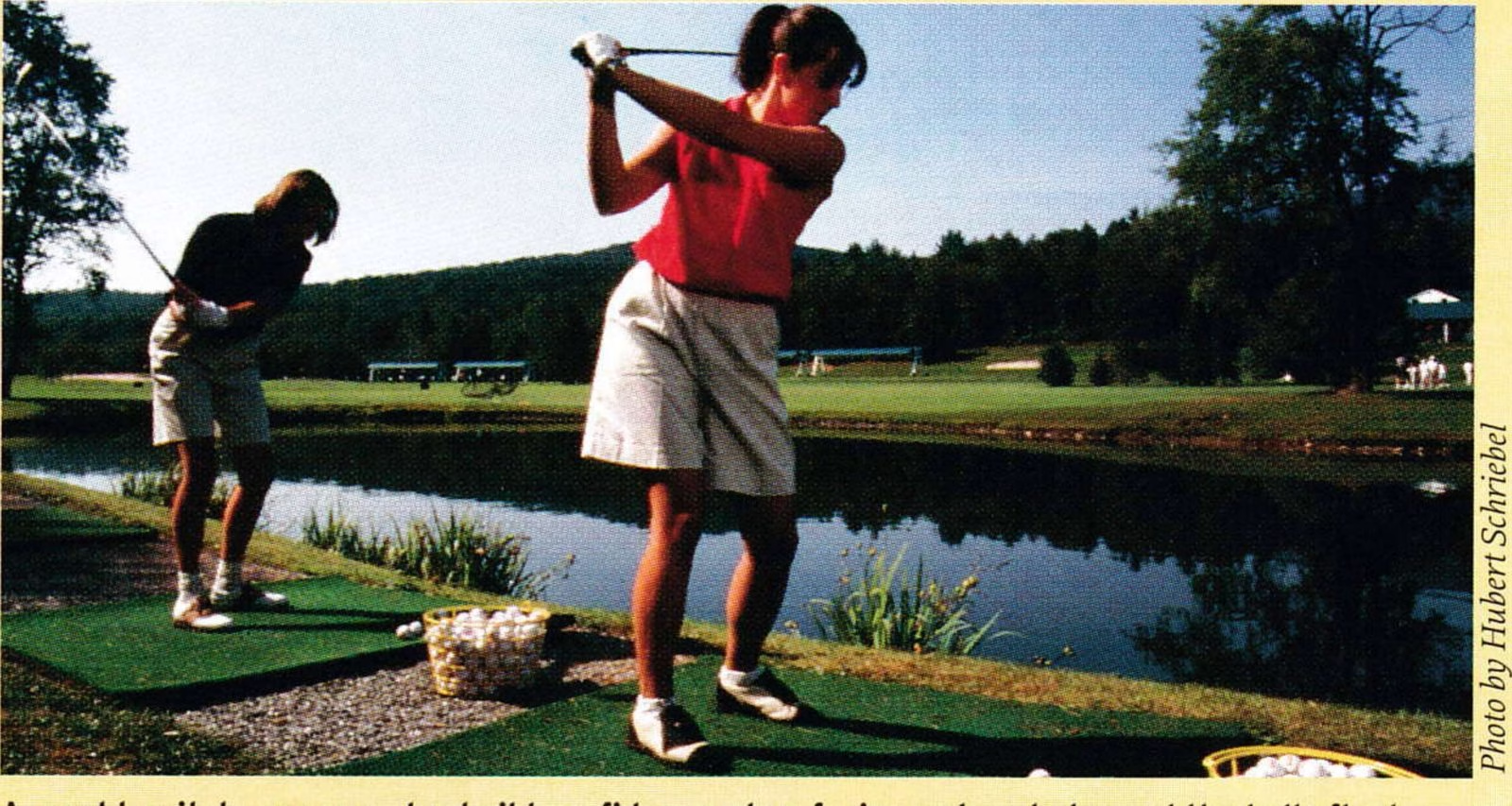
Photo by Hubert Schriebl
One variable that could ruin all this well-oiled machinery is weather. But that’s managed by hanging in through light showers and using a variety of covers, including four new portable rain shelters called CoverShots. These 62-foot-long shelters have wheels and electric motors so they can be moved back and forth to allow the grass to regrow where golfers have been hitting off the turf. Each shelter costs $23,000. In addition, there is a stationary wooden shelter, tents over bunkers and the pros are prepared to give indoor lectures on the rules of golf and courtesy, along with videos of various aspects of golf.
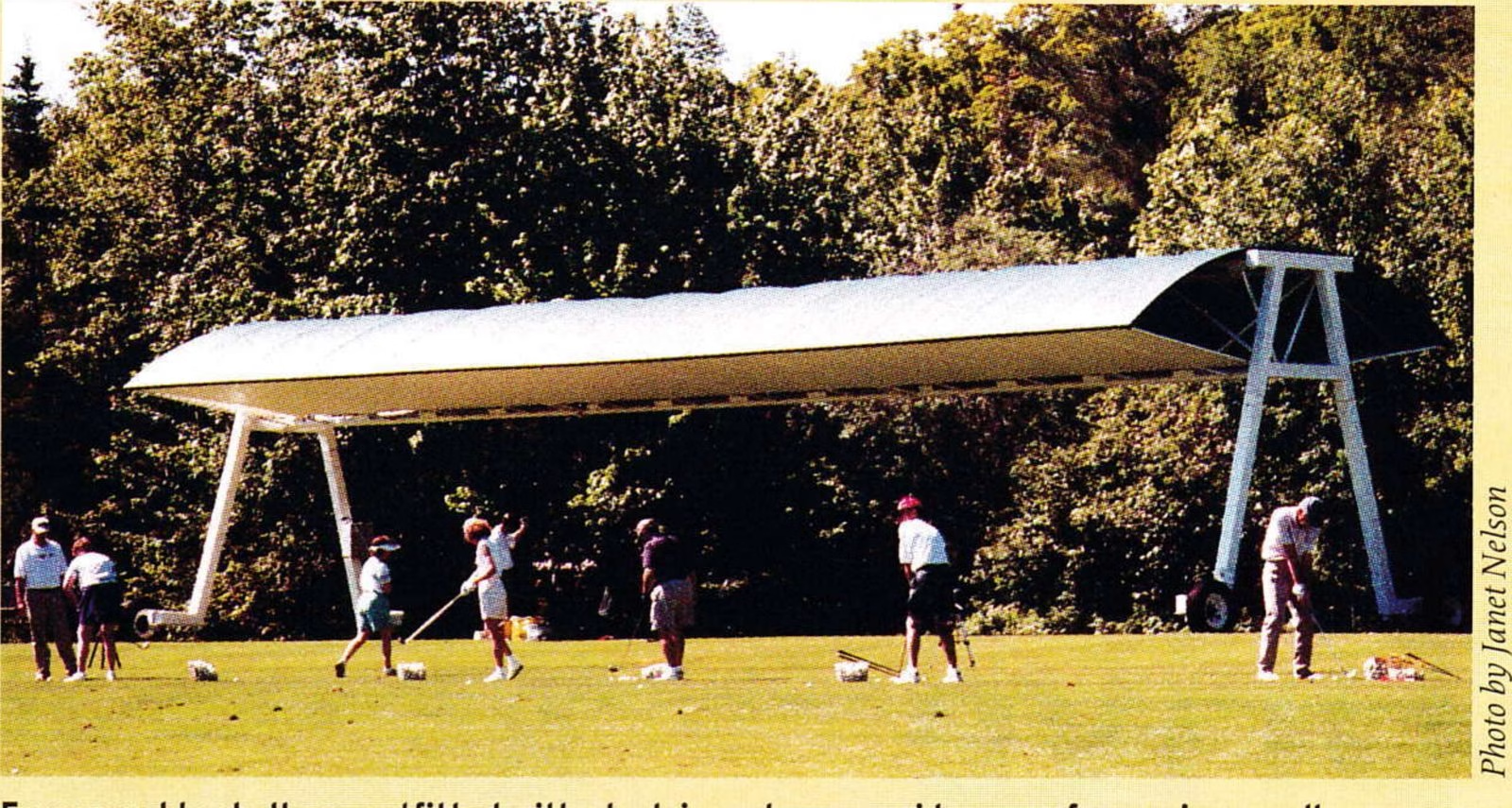
Photo by Janet Nelson
Because it is New England, the school’s office staff follows weather patterns on seven Internet channels, plus mountain operations alerts the school when the snowmaking weather stations on the mountain indicate trouble. An old school bell is used to call people inside in case of dangerous conditions.
Now the big question: Does it make money? Students pay $410 to $660 for two days, $550 to $795 for three days and $665 to $1,040 for five days, based on midweek or weekends and accommodations. For this they get accommodations, breakfast and lunch, six hours of instruction each day, a cocktail party, free play with a cart at the Stratton Mountain Country Club, an instruction handbook, a video analysis tape to take home, quick-reference booklets on etiquette and rules of golf and a photograph of individual groups. One small extra is a half-price coupon for a gondola ride (this is a ski resort, after all). Although the package prices are lower than most golf resort schools that accommodate only 20 or so students, Stratton’s numbers along with sold-out weeks for practically the entire season add up to a certain profit center.
Does it work? Overheard at the end of a session that featured some rain: “This is a great school. It’s the facilities, and also you hit more with less time spent on theory. I really learned something.”