


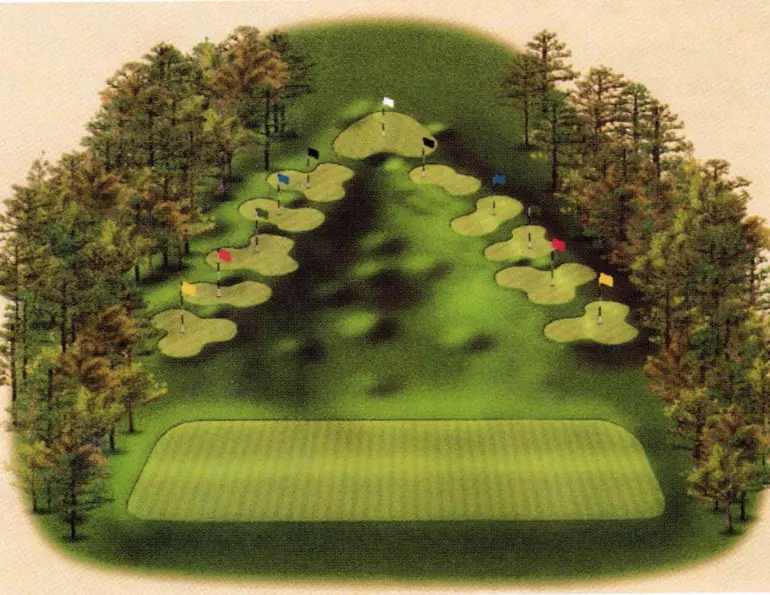
For golf-course designer Ron Garl, a driving range is a driving range, whether for practice or for teaching. “The short game—from 100 yards in—is 70 percent of the game,” he says. “And the biggest short fall in practice facilities is providing well done places to improve the wedge, the sand game, chips and putts.”
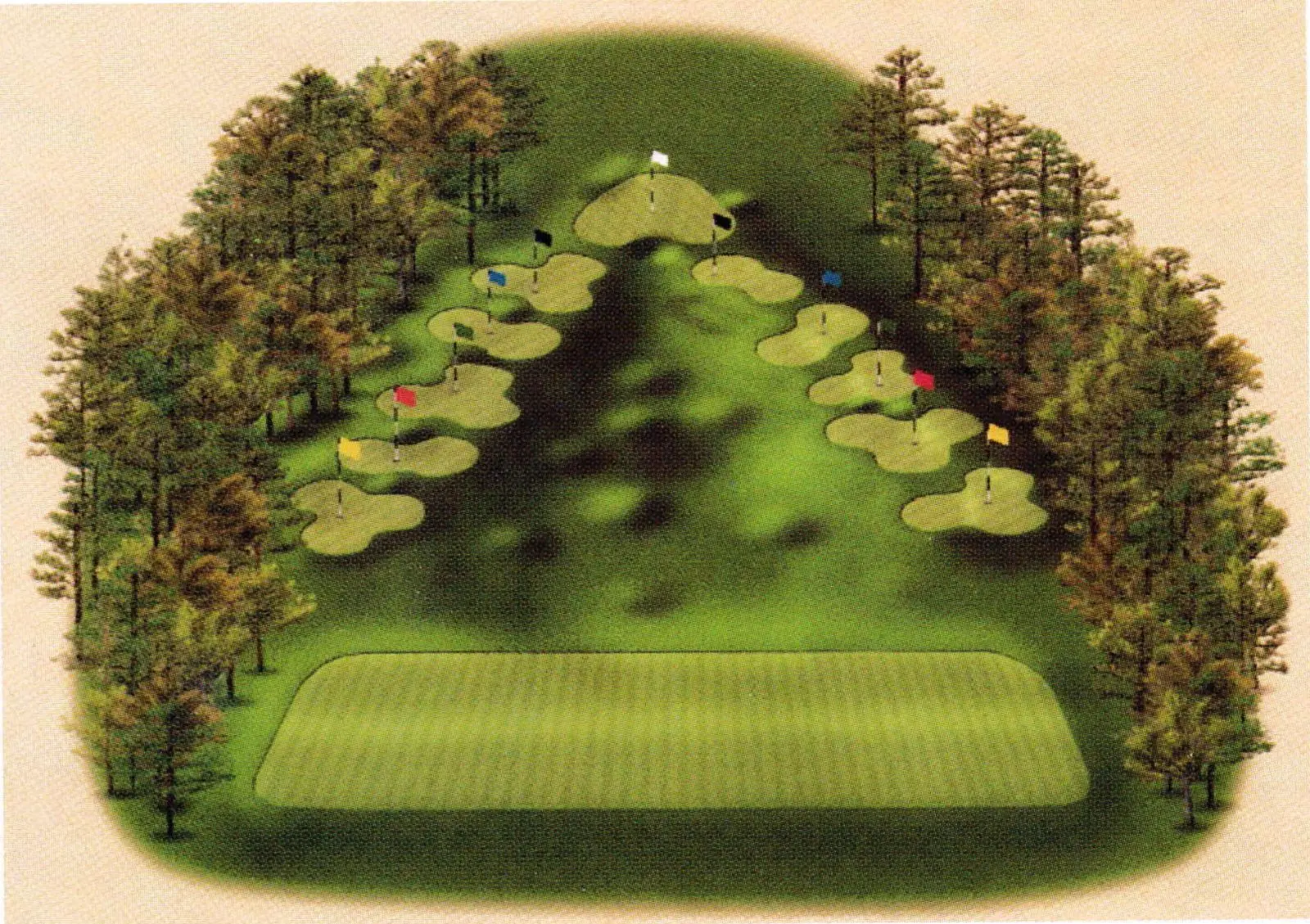
Garl, who is located in Lakeland, Fla., and has an established reputation for designing golf courses, has, of late, become the guru of practice facilities, mostly located at golf courses and resorts, but some at golf schools as well. The facility he designed for the Nick Faldo Institute at the Marriott Orlando World Center was recently named the outstanding practice facility in the country by Golf Digest.
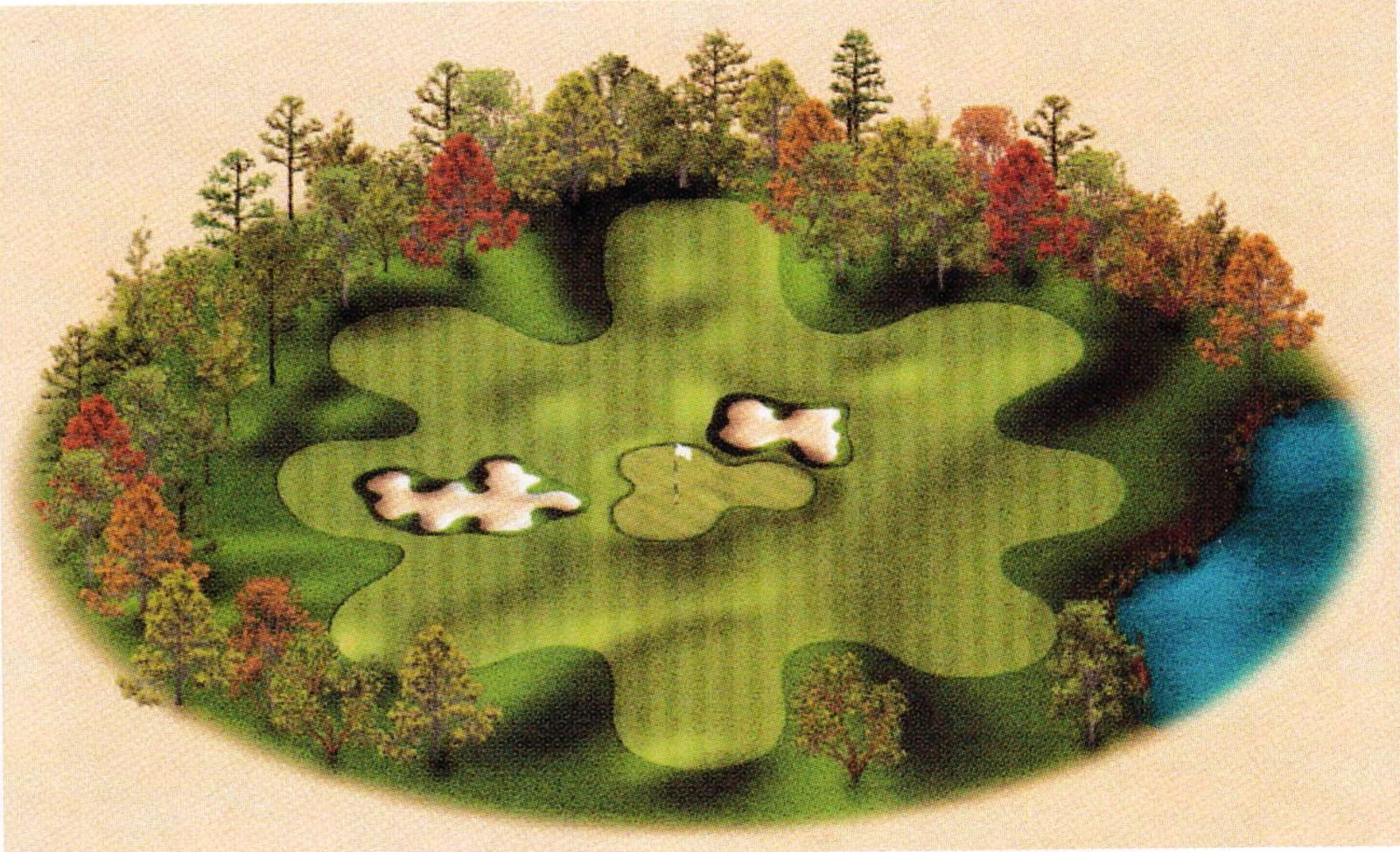
The parameters for a good practice/teaching facility, according to Garl, start with space, at least 10 acres, but not necessarily in one piece. Amoebae shapes or blobs will do as well as one solid chunk of land, but allow enough space for classes with the usual ratio of four students to one instructor. Most golf schools also need two putting greens, if there are at least 20 people per session, and a building for inclement weather and to house video equipment.
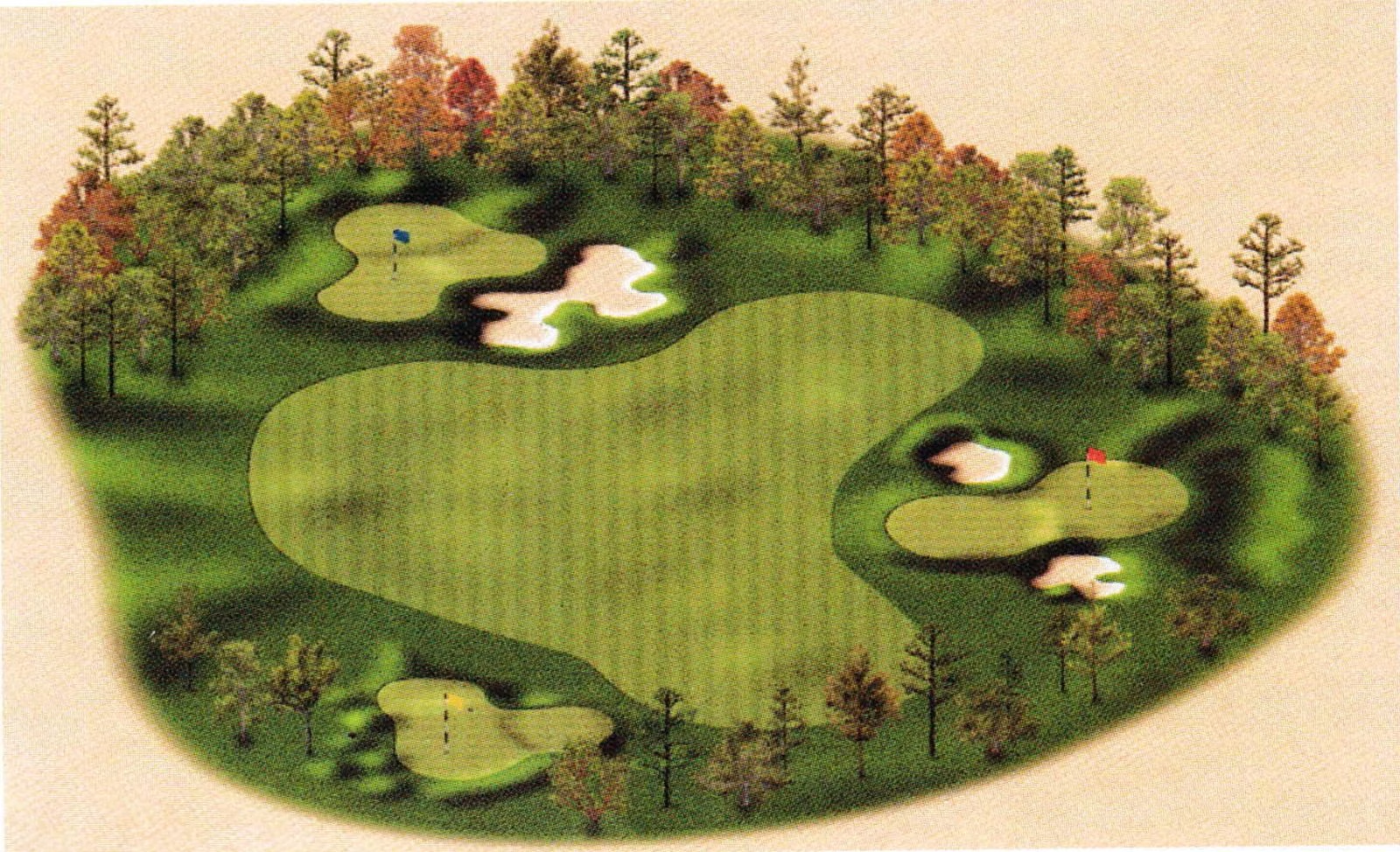
“The most valuable way to learn about practice facilities is to visit some and talk with the operators and golf course architects,” says Garl. “Golf schools have high repeat business and you want to do it well to establish a reputation for quality.”

