

Hall’s brake tester
Though the ANSI requirement refers only to emergency brakes, the Hall device will also test the thruster brakes. No longer will it be necessary to use the “four-and-a-half foot digging iron in the universal joint” method for checking thruster brakes. Nor will the “rev the auxiliary and pop the clutch” procedure be needed.
This past December, SAM witnessed an actual field application at Jack Van Scoter’s area, Cockaigne, in western New York on two double chair lifts. Although there were three people present, the testing could easily have been accomplished by one person.
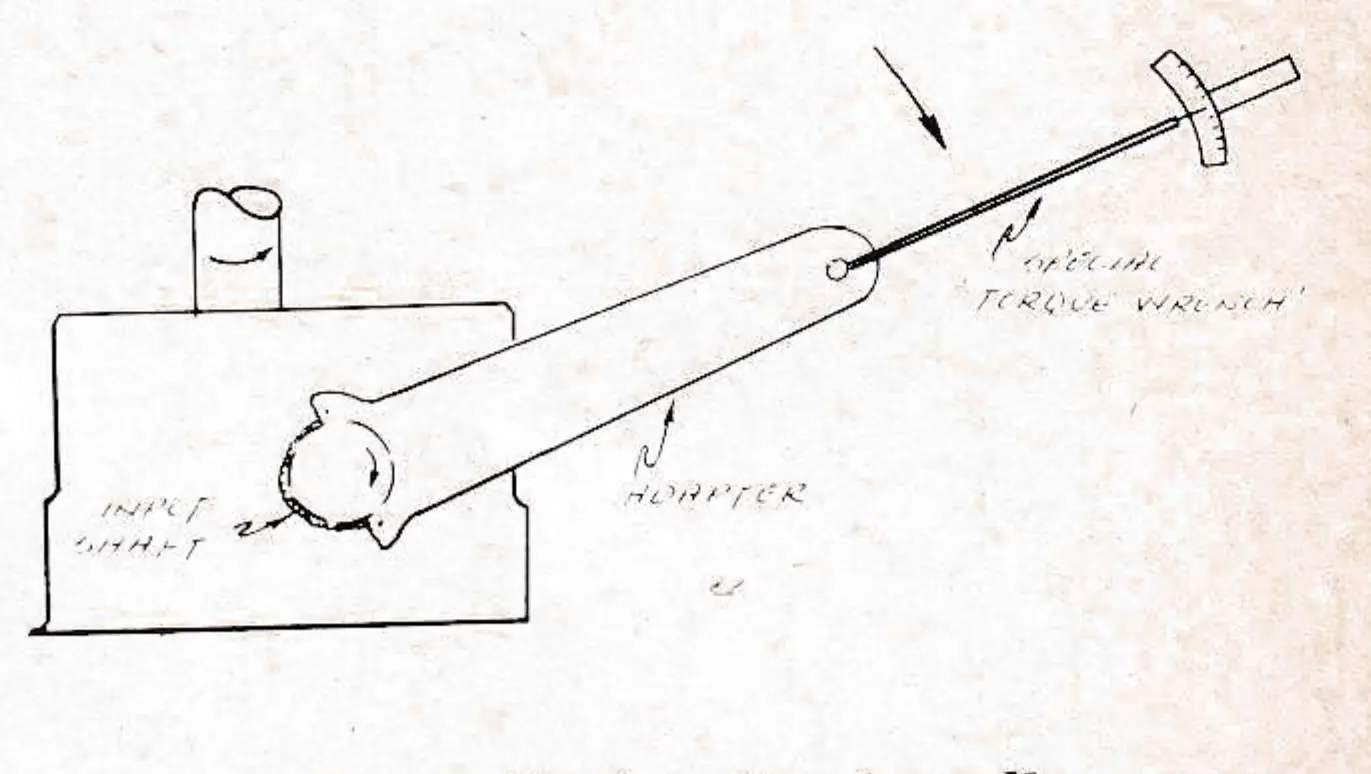
The device itself is simply a recalibrated “torque” wrench fitted to an adaptor which is coupled to the gear box input shaft, like a long handled strap wrench. Thus, when constant pressure is applied to the handle, a certain torque is developed in the system until the brakes being tested begin to slip. With a little concentration, even pressure can then be applied as the brake slips, and a corresponding reading taken from the built-in scale. This figure is then compared with a recommended value supplied by the manufacturer and the brakes adjusted accordingly. During our demonstration, one set of thruster brakes were tested, adjusted and retested in less than 5 minutes.
There is more good news. Not only is there a close correlation between suggested values and proper stopping distance, but also the cost of this device is less than the average area investment in a single ski equipment rental package.
Areas should contact the manufacturers of their lifts to find out what testing procedures and equipment is available for compliance with this new Code provision.
Track-setting machine
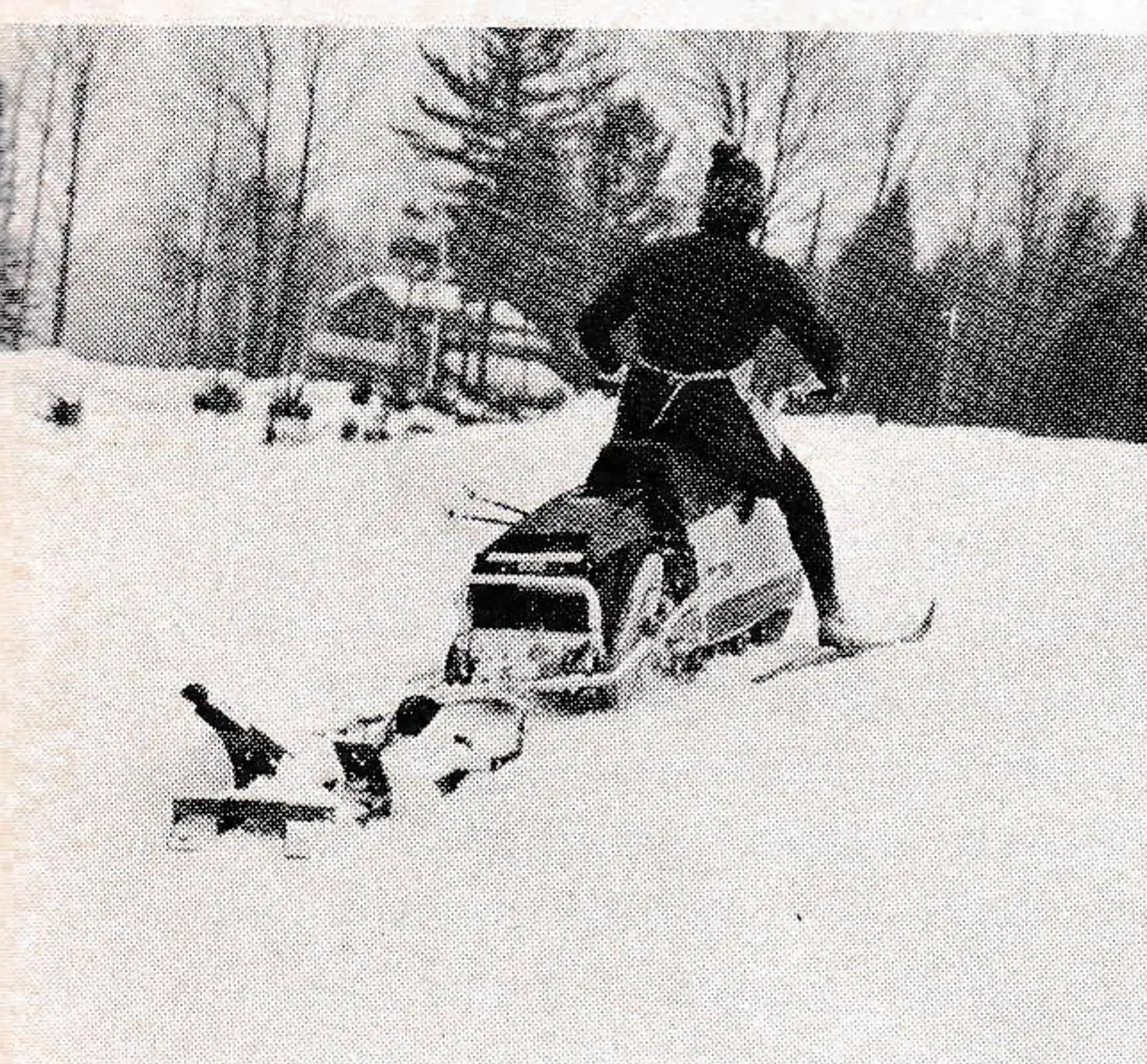
Reliable Racing Supply, 624 Glen St., Glens Falls, N.Y. 12801, is handling a Swedish “snowscooter” called Larven which is especially adaptable for track-setting.
The track sled, together with Larven and sled cutter, give excellent touring tracks, according to Tom Jacobs of Reliable.
Reliable also stocks a complete line of slalom poles, racing bibs and other ski area equipment.
Weather stations
Without knowing it, skiers across the country are literally taking comfort from mechanical weather stations that are helping engineers build lifts along routes with the least exposure to chilling winds and potentially dangerous avalanches.
The unattended stations are manufactured by Meteorology Research, Inc., Box 637, Altadena, Cal., 91001. They measure and continuously record wind direction and speed, plus temperature, humidity, and rainfall. Since introduction of the system in 1963, over 400 have been purchased by ski area managers, foresters, and mountain engineering consultants.
The MRI Mechanical Weather Station mounts on a variable-height tripod and weighs 21 pounds installed. Its built-in recorder, powered by four ordinary flashlight batteries, can operate unattended for as long as two months in the severest weather conditions, according to MRI.
Price of the basic station (wind speed and direction, plus temperature) is $2305, with delivery from stock.
Plastic chairlift seats
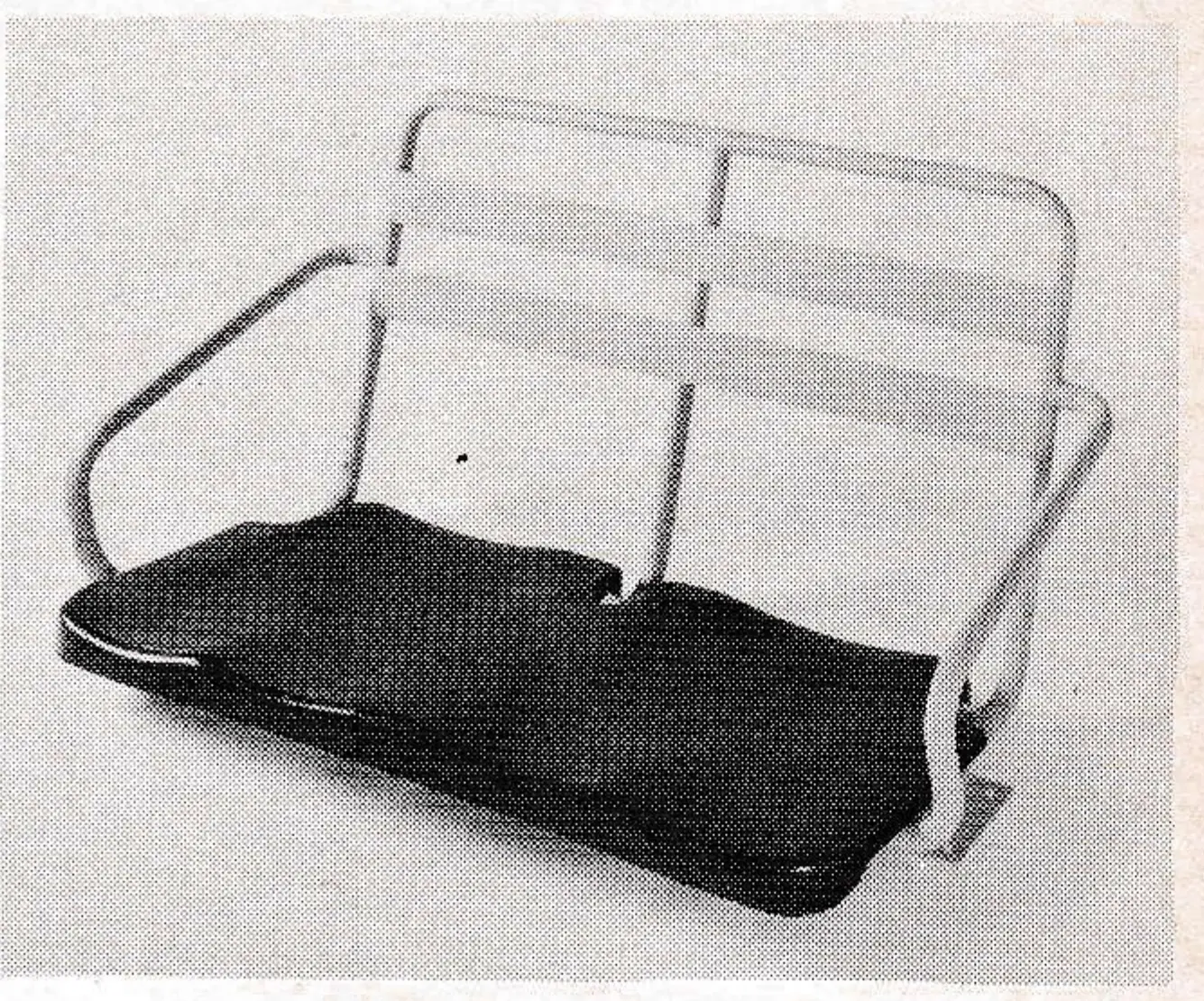
Plastic Industries, one of the country’s largest molders of high-quality polymers, has introduced some specially designed seats for the ski area industry.
The seats, shown here installed in a Hall frame, are black for good heat retention and acceptability for all surroundings. The design and type of padding used will, according to the manufacturer, “resist snow and ice accumulation and unintentional ‘picking’ by nervous lift riders.” Another advantage, according to P-I, is that they don’t need painting or other maintenance associated with conventional seats.
The seat has a saddle-shape contour reflecting current medical thinking on the best design. It relieves pressure to back of the legs caused by the weight of skis and boots, and the saddle hump provides security, especially for children, against sliding forward.

Textured surface is molded into the plastic to prevent slippage with wet look fabrics. It also adds some insulation.
The P-I Liftseat—a trademarked name—will fit most chairlift designs. A customized version is available for Riblet customers.
For more information, write Plastic Industries, P.O. Box 669, Athens, Tenn. 37303.
Urethane T-bar seat
A urethane T-bar seat which won’t splinter and resists icing is available from Eastern Ski Area Equipment Co., East Kingston, N.H. 03827.
Available in the area’s choice of colors, the seats cost $7.40 each, f.o.b. Kingston.
Eastern also offers a catalogue of the products they handle which includes snow grooming equipment, rescue equipment and hydrant covers.
New Hedco unit
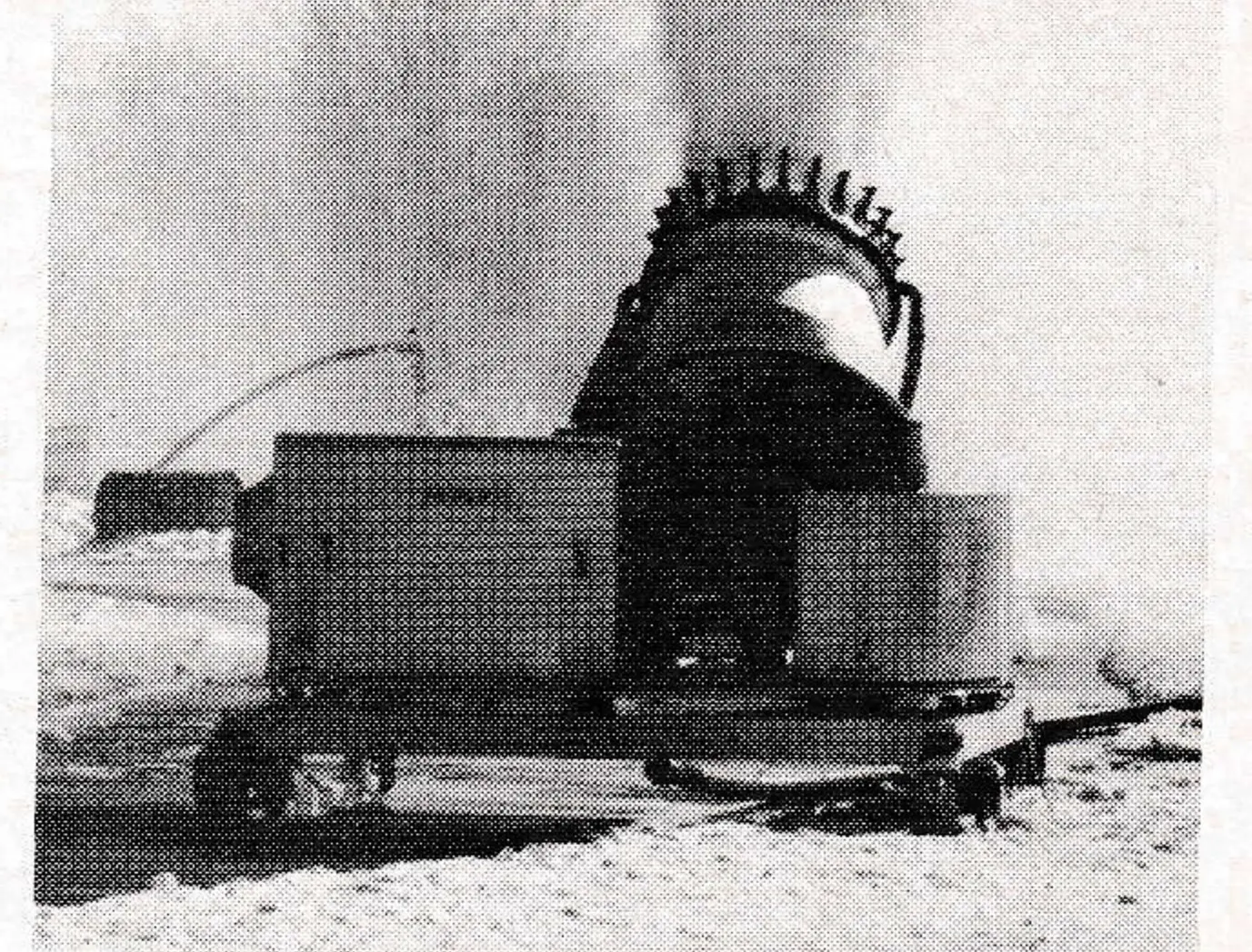
Hedco introduced its new Standard machine at the NSAA/ESAA trade show at Stratton. The Standard machine is gas-powered and replaces the H-2d machine. The manufacturer expects to open new markets in the west since the Standard is designed to work at elevations of up to 10,000 ft, and uses Vega and Ford industrial engines.
The Hedco Standard also features mechanical right angle drive, and ny hydraulics are used. An ice-proof design features a heated inlet grill and anti-icing fan blades.
For further information, contact Larry Demarse, VP Hedco, Inc., 11 Park Place, Paramus, N.J. 07652.
Extreme Temp Intercoms
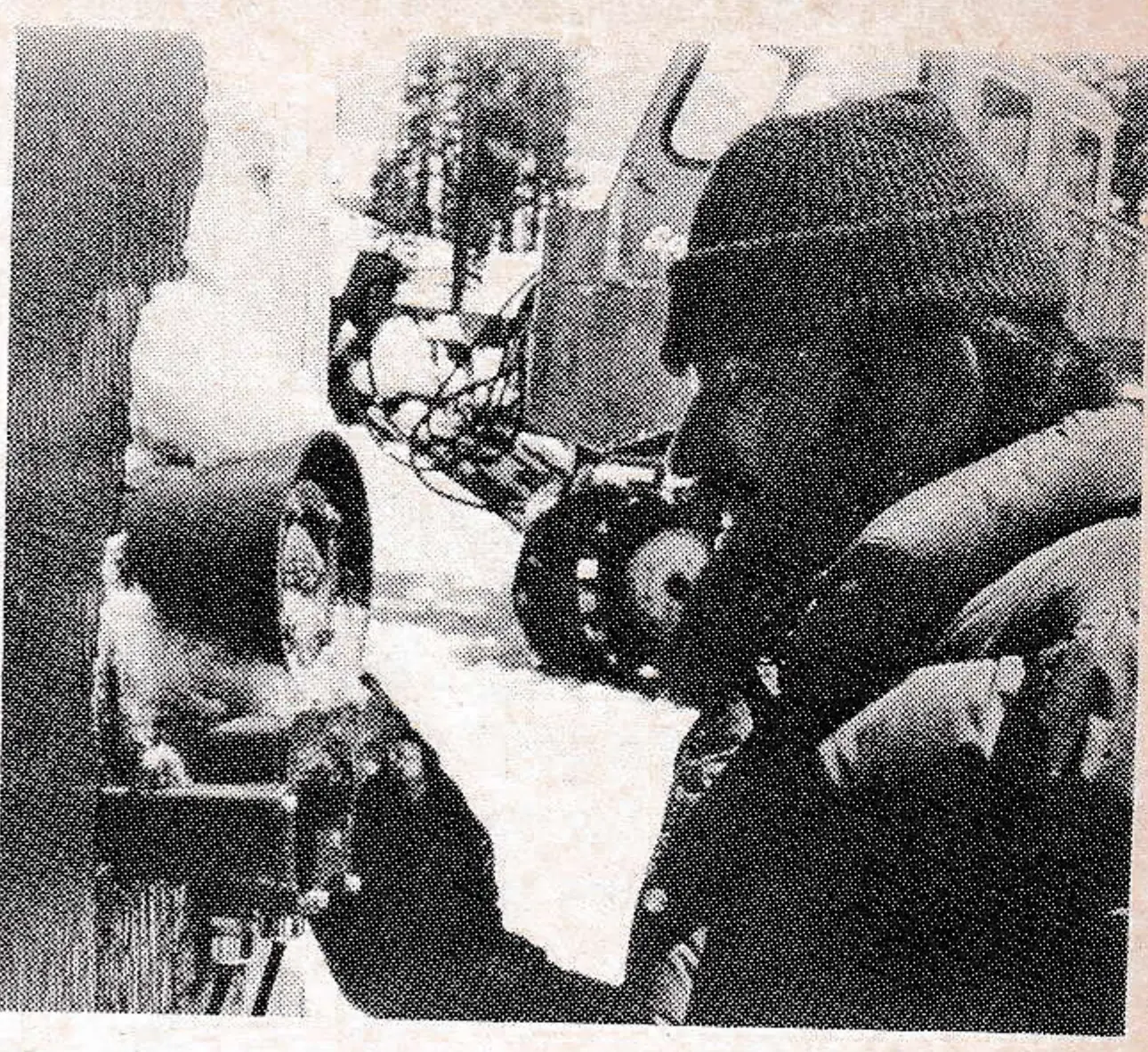
Development of a new companion series of extreme temperature intercoms is announced by Atkinson Dynamics, 10 W. Orange Ave., So. San Francisco, Ca. 94080. They are designed to provide efficient communications under temperature conditions ranging down to either — 50, or if that is difficult 50 or as high as 150F. The new sub-zero capability extends practical intercom communications to exterior areas subject to the most severe winter weather conditions.
Each intercom is self-contained -both receiving and transmitting, and amplifying in the process — so there is no limit to the number of stations comprising a system or the distance cover-