


As resorts continue to diversify, the question of whether retail shops can generate profits always comes up. When Okemo Mountain, Vt., decided to increase its business, expanding the mountain’s terrain was only part of the plan. Like many areas—big and small—Okemo sees retail as an important way to increase revenue. This is especially true at bigger destination resorts where sliding downhill is not always the only priority for guests.
In Okemo’s case, the plan for its new Jackson Gore mountain village, which will include a retail center, is to create a four-season destination resort. “We’re trying to create something not just for weekend people,” says Pam Cruickshank, Okemo’s director of communications, “but a destination where they’re going to be here for four seasons; they’re not going to be here for two days, but for five days or seven days.”
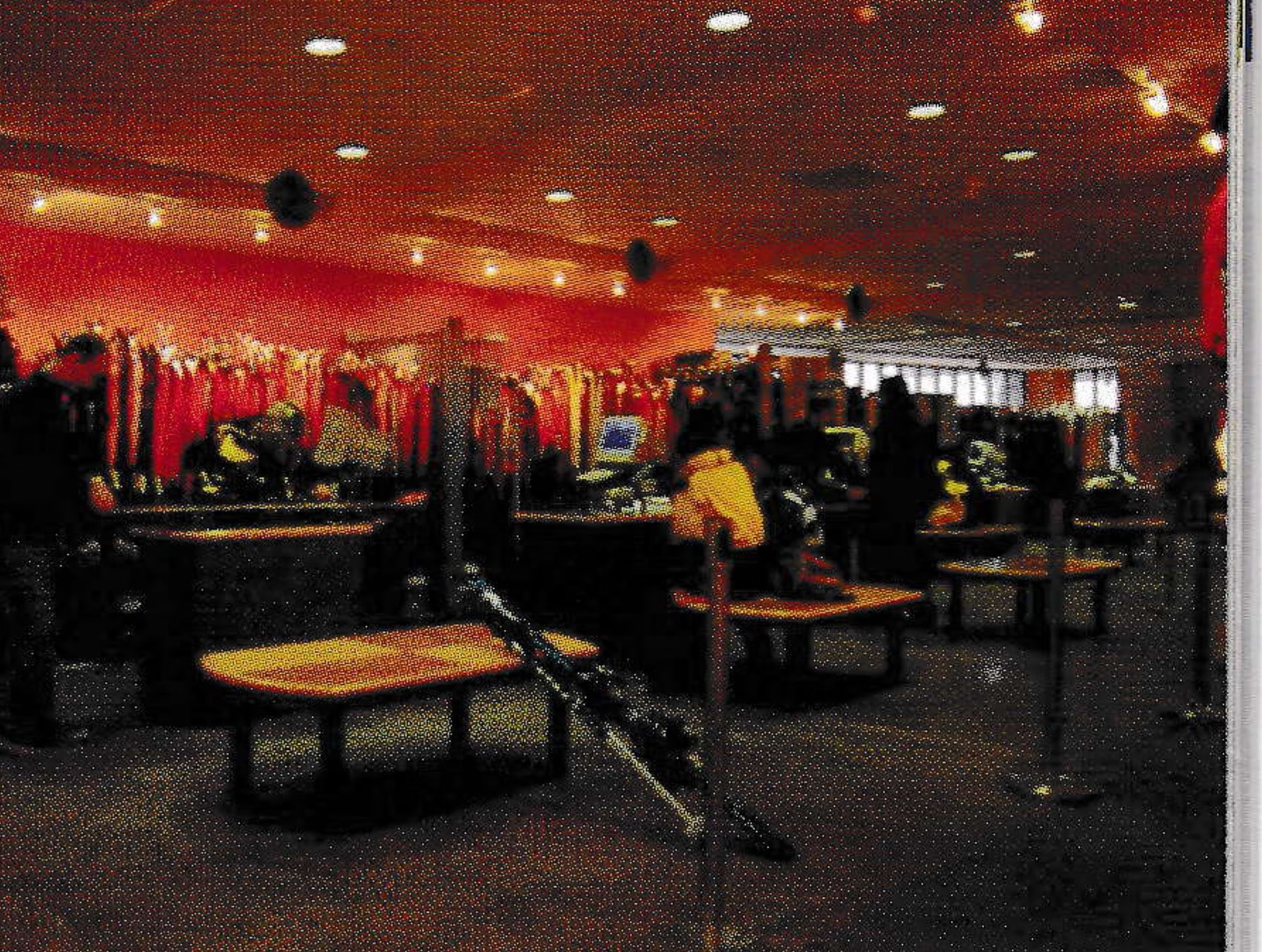
It’s no wonder that resort-owned retail is in the spotlight. In an age of flat skier days, everyone wants to figure out a way to capture the largest percentage of their existing guests’ dollars. Intrawest has made an art of creating resort destinations as opposed to ski resorts, adding retail, lodging and restaurants to attract people to the resort and keep them there. “Intrawest-wide,” says Sandy Black, VP of retail operations, “retail and rentals combined is the second largest revenue producer next to lift tickets.” That’s also the case for retail at American Skiing Company (ASC) resorts. Revenues showed a modest increase last season and the category is now second in profits behind ticket sales.
And smaller areas are pursuing retail. Ragged Mountain, N.H., a small resort by most yardsticks, says its retail sales doubled last year, while ticket sales were flat. And, according to SnowSports Industries America (SIA), during the 1998-99 season, ski area shops made up 20 percent of unit sales and 19 percent of dollar sales in alpine equipment, a figure that has been steadily increasing.
But while it sounds nice in theory— especially the idea of profits—it’s not always an easy road getting there. Finding the right mix of merchandise and the right employees to run the shop are crucial parts of the mix, as is smoothing relations between the resort and the local business community. For example, Okemo is still awaiting local review board approval of its Jackson Gore plan.
“There’s some concern that if there’s a large retail space going in that people won’t shop downtown,” explains Cruickshank, who says individual one-on-one meetings with local retailers and restaurateurs have helped soothe concerns.
The retail shops planned for Jackson Gore aren’t just snow-sports related—they include small specialty shops and a grocery/sundry shop as well as a branch of the base lodge’s Okemo Mountain Ski Shop, which the resort has owned and operated since the 1960s. It will also lease some retail space to local businesses, like State of Bean coffee shop, which will open a satellite cafe at Jackson Gore.
When considering retail, it’s important to recognize what works and what doesn’t. “We know what we’re good at,” says Brad Jones, VP of retail sales for ASC. “It’s resort-based, seasonal retail. We would not open our own coffee shop, but would lease that space to a Starbucks.”
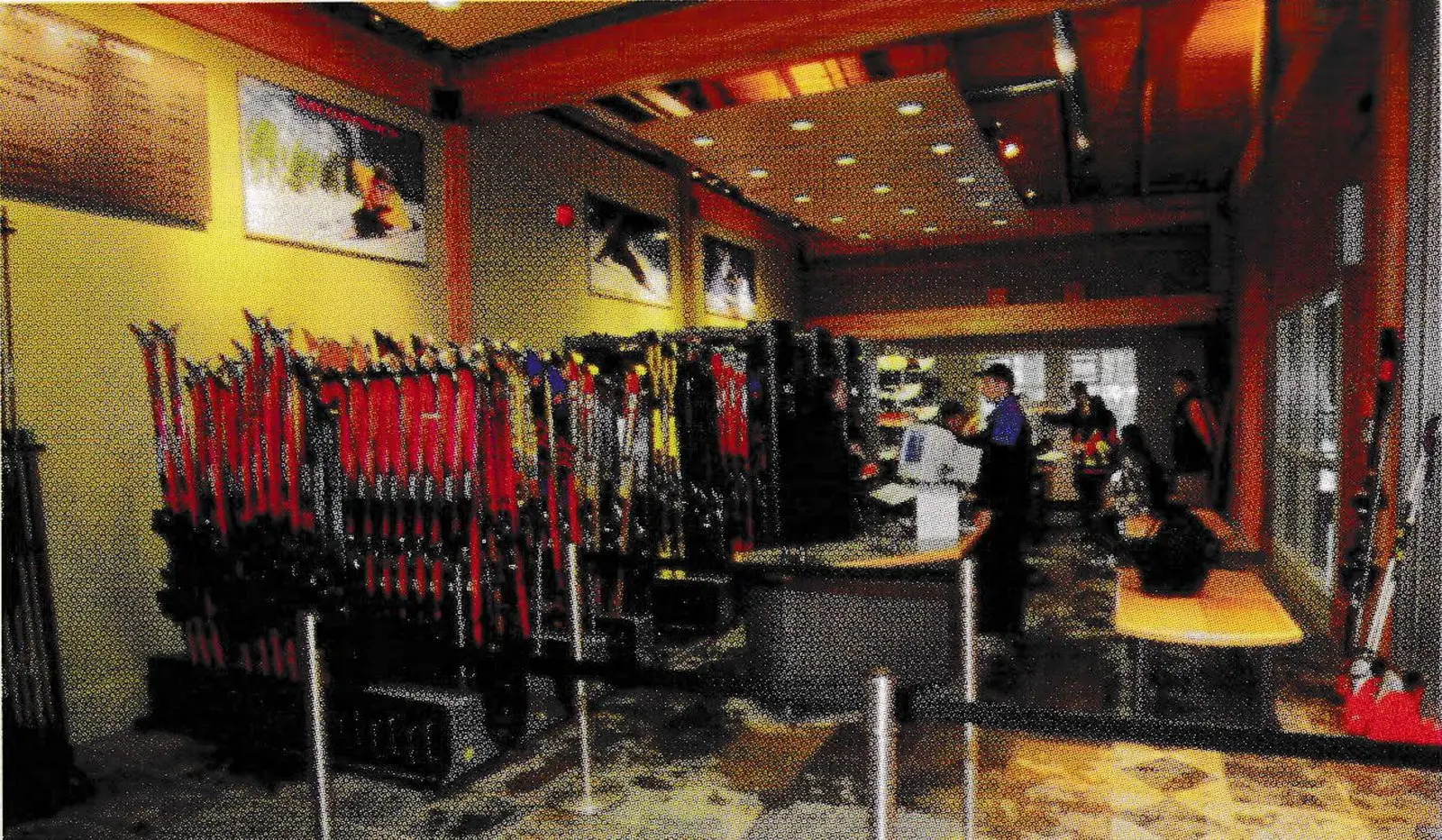
Photo by Andrew Doran/Coast Mountain Photography
Clearly, time and money need to be invested to be successful at retail. “Our goal is for the guest to get back to the hotel with five or six bags without realizing that they’ve shopped at four or five of our mountain stores,” says Black. “As a themed retailer we try to stay true to the core goods we sell at the resorts.”
A Competitive Environment
The common theme of expansion appears to be focusing on retail in one form or another, perhaps spurred on by the burgeoning rental business. According to an SIA study, the popularity of renting equipment at resorts has grown in recent years from 10 percent of people on the slopes to 25 percent in 1998. And, much of that can be attributed to the increase in high-performance demos.
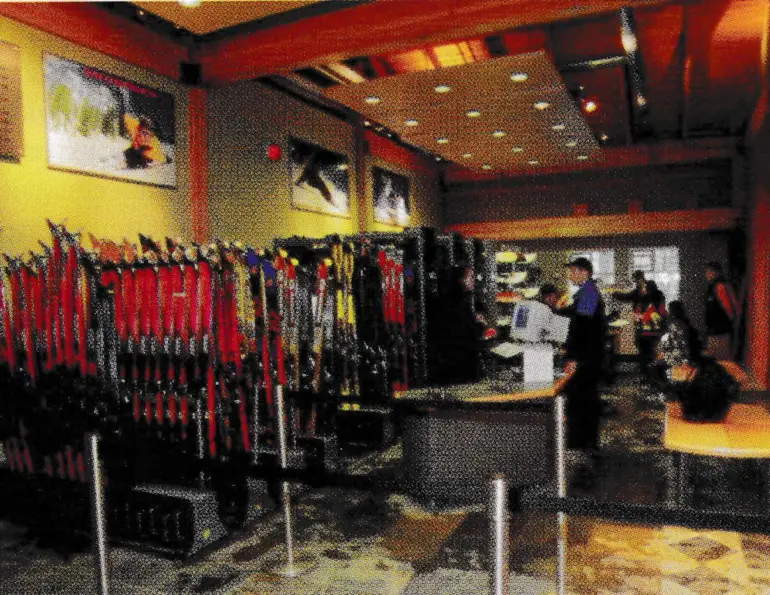
With the advent of shaped skis, most resorts have not only tried to upgrade their rental fleet in the last few years, but have also tapped into the growing trend of offering high-performance ski demos to their customers. As ski technology changes rapidly, many skiers are opting to demo skis rather than buy new ones. It’s a great deal—they don’t have to lug their skis with them on vacation and they get to try the latest models, all spiffed up with fresh wax and tunes.
Some resorts are seeing profits grow out of their rental facilities or demo equipment programs by selling people the equipment they’ve just tried. The common denominator is that these rental shops and demo centers offer the latest models for guests who are ready to buy, but need a test drive first.
ASC did this through its guided demo program. “Killington went from selling 200 pairs of skis to selling 1,300 pairs of skis,” says John Grush, who ran ASC’s Crissports in Killington and is now manager of Crissports at Mount Snow. But, he says, although it still exists, the guided demo program “lost its flair” as shaped skis became more common and other area shops entered the demo business. “For the margins we maintain in hardgoods, it’d be very tough to make money in it, unless we did a tremendous amount of volume.”
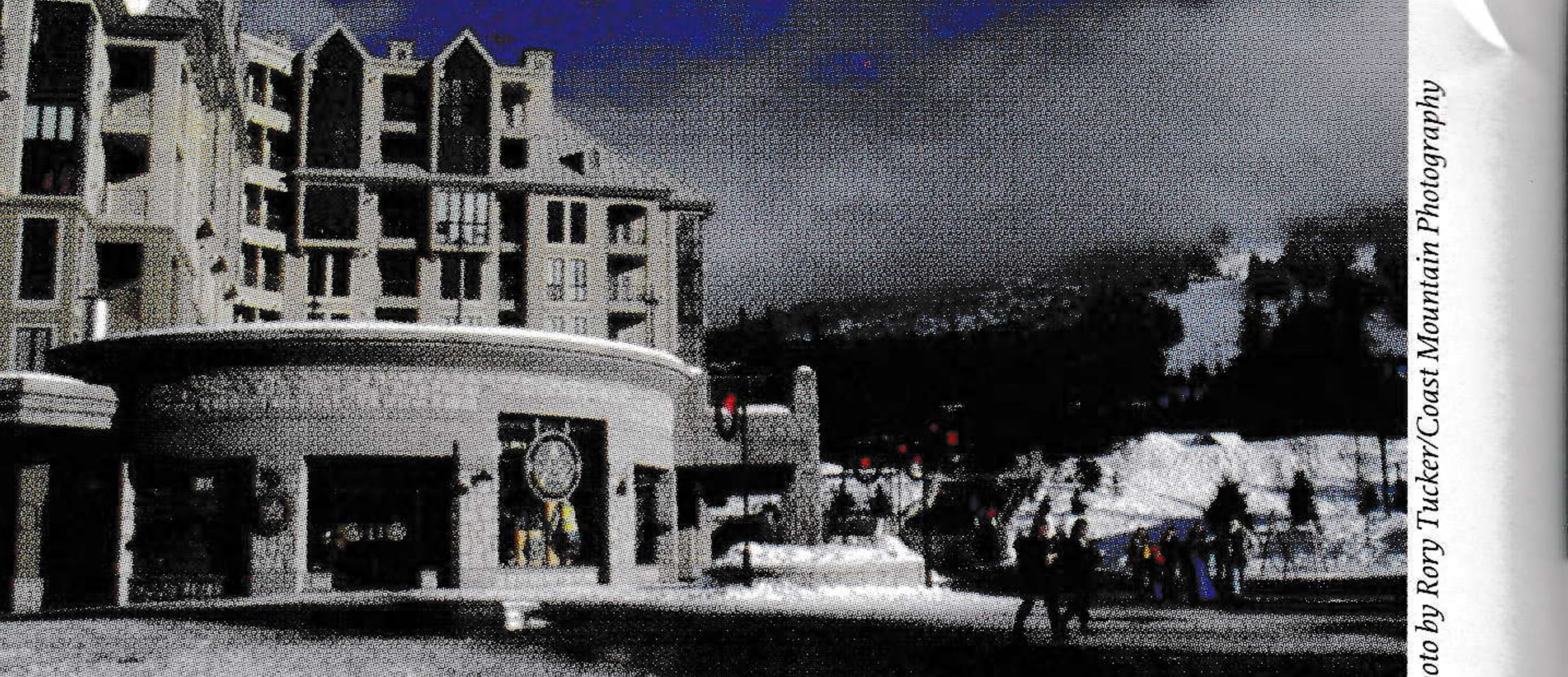
Photo by Rory Tucker/Coast Mountain Photography
Favorable pricing and getting big-name brands is a common problem for resort operators. “We’re all fighting for [brands],” Grush explains, “and sometimes it becomes so competitive especially in the Killington area, that you end up selling things at such a low margin and you wonder if it’s even worth it to be involved in the business.”
Retail, Rental or Both?
But while most resorts agree that rental is profitable, they acknowledge that retail—particularly specialty retail—is tough and competitive. So resort owners are taking a hard look at whether retail will be an expanding avenue or a wrong turn for their resorts. Before opening a retail operation, management needs to assess if it is honestly ready to deal with the ups and downs of transient workers, low margins, competitive environments and the uncertainty of weather, which can create inventory problems.

“We can’t really judge what the season is going to do to us weather-wise or customer-wise,” says Dick Ludwig, owner of Boston Mills/Brandywine, Ohio. Ludwig’s resort is located halfway between Cleveland and Akron with 3.7 million people within an hour’s drive and gets about 250,000 skier visits a year. “It’s not a comfortable situation for me to walk into something we own and see that we still have 500 sets of skis or snowboards and the season’s over.
“I don’t think we have the expertise. You’re stuck with your bad decisions on hardgoods and fashion trends. Those are decisions better left to those who follow that much more closely,” explains Ludwig. Boston Mills leases a retail facility to an area shop that has several locations and can move product from one location to another quickly and easily. It works out well for both: Boston Mills gets 15 to 20 percent of retail sales as part of the lease agreement and the retailer gets front-line presence right near the snow.
Control Inventory and Keep Staff
While we’ve long heard that location is everything, when it comes to selling skis, inventory control becomes a key component to success because margins are so slim. “You do need hardgoods to act as a draw if you want to run a ski shop and sell a substantial amount of outerwear and accessories,” says Black. “If you do a good job with the sale of hardgoods and the services that surround hardgoods like bootfitting and ski servicing, you’ll find it will help in the other areas.”
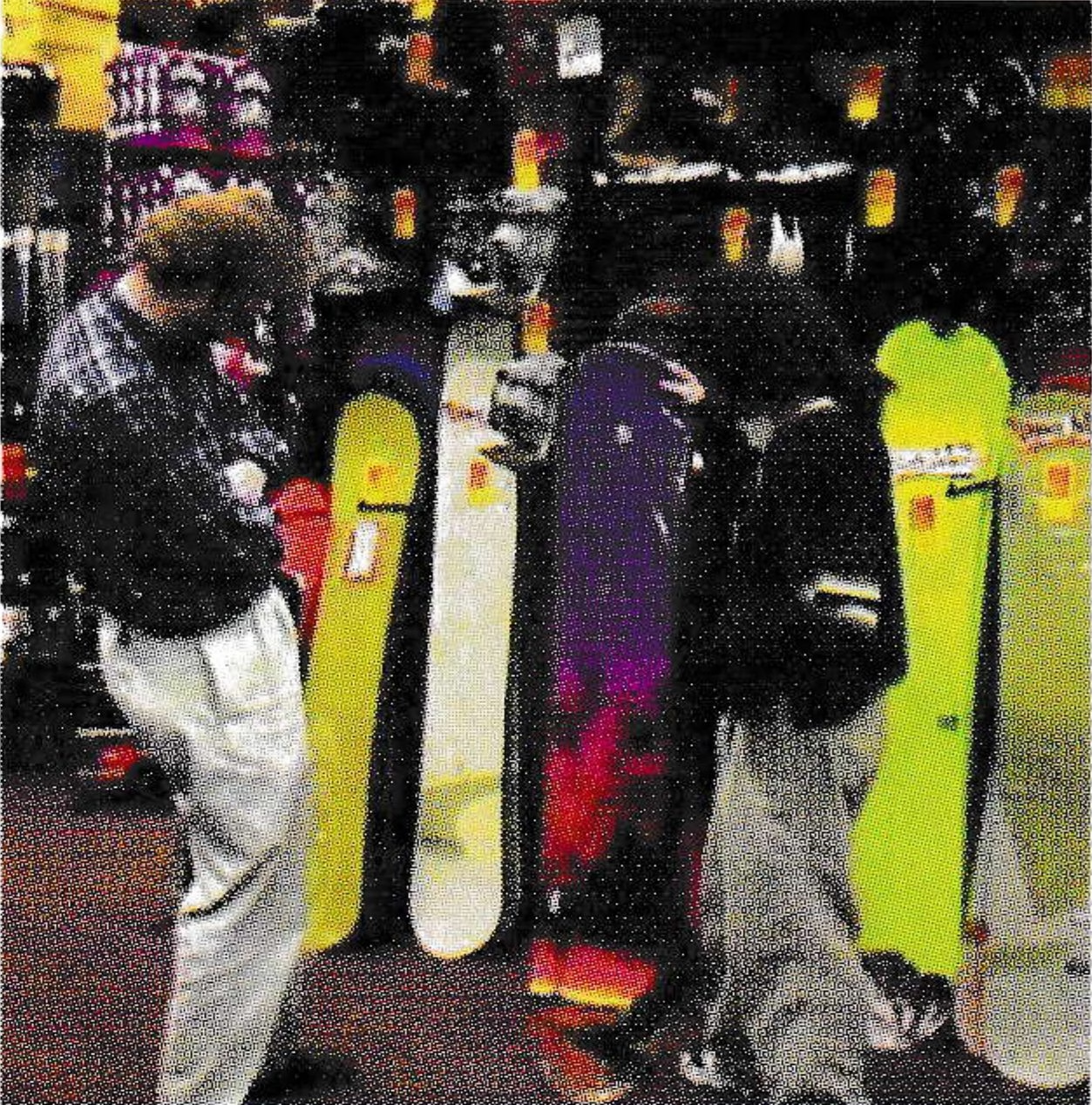
Photo by Lori Edwards/Okemo Mountain Resort, VT
At Okemo, Cruickshank says that equipment is not the big draw, but they offer product anyway. “Our real strong point is in soft goods—especially women’s clothing, accessories and even helmets, which have really taken off. Hardgoods is not as huge a portion. That’s where the downtown shops do a lot. They offer a lot of service, a lot of ski tuning and repair and they have longtime relationships with their customers,” she explains.
Some observers say that the ideal retail scenario would be a convenient, one-stop type of atmosphere for the guest to get bootfitting, demos and technical service slopeside. But most retail operations are not located in those prime locations—they’re usually reserved for the food and beverage folks.
Another trick is to train employees to be good at retail and then keep them at the resort. “You need to create a retail presence that is big enough to keep employees involved at other times of the year,” says Ludwig, who says the independently owned retail shop at Boston Mills once had a young college student working for the winter who one day put up a sign that read: Closed, gone riding for the day. “It’s hard to control. And customers probably assume the ski shop is owned by the area.”
“It’s a business we’re committed to, but it’s very challenging,” agrees ASC’s Jones, who adds that there’s a “wealth of competition in suburban and urban areas. We have to work hard offering high levels of service and knowledge. The guest expects that when they talk to someone in retail about skis or jackets. They expect that person to be very knowledgeable. We have to work very hard to consistently deliver that.”
Accessories Can Fly
Where retail business shows promise is in the much easier sales of soft goods, accessories, logo wear, impulse items and things that generally don’t need a high level of service. Keeping a good, highly-visible inventory of certain items leads to greater sales.
Most of the earnings from Intrawest’s Breeze and Max rental shops—Intrawest bought 48 stores in the western U.S. last year—is rental (75 percent to 80 percent), but retail sales have increased in the last year, thanks to an increase in accessory sales and Intrawest’s retail expertise. “Our retail business has definitely gone up,” says Tom Slade, director of operations for Breeze and Max. “We had a substantially bigger presence in the accessory business, which definitely helped our sales by the end of the year.”
Accessory sales, with high margins and high turnover, present a viable retail venue. A good goggle day at Killington, for example, will yield sales of 1,200 pairs. That’s a lot of goggles, and, according to Grush, it means the resort sells an average of 800,000 to 900,000 pairs a year.
Despite the difficulties, the trend seems to be more retail outlets run by resorts. Intrawest, which has 171 retail venues today and eight under construction, says it expects to continue the growth at a rate of 15 to 25 a year for the next five years.
“When a guest arrives at a resort jazzed, if you are able to maintain that level of excitement in the stores, it’s amazing the transactions that can take place,” says Black.

