


Early in my ski industry career, I was working at a small western ski area when I learned a lesson in the importance of self-evacuation. I was riding a lift just after a storm had blown through that was trailing vicious, 60-mph east winds. The winds triggered a series of unfortunate mishaps, beginning with the derailing of the lift I was on. The power went off next and, to top it off, the auxiliary engines wouldn’t start.
There were about 80 passengers on the lift, including half of the eight ski area employees trained in lift evacuation. In order to launch a full-scale evacuation, three of us had to self-evacuate, after which we joined the other trained rescuers and removed the passengers from the lift quickly and safely.
Though often considered to be a last-ditch effort, self-evacuation is a necessary procedure at many ski areas—particularly smaller ones, as is evident from the experience described above. But there are other situations requiring self-evacuation that are not unusual. For example, snowmaking teams using a lift at night may need to self-evacuate if the lift goes down because few employees trained in evacuation are likely to be readily available. Lift-maintenance employees doing pre-season work may find themselves in similar situations, with a downed lift and a skeleton crew.
At Sierra Summit, Calif., a self-evacuation plan has been in effect for many years. All paid ski patrollers and snowmaking teams are outfitted with self-evacuation kits and are trained in their use. Proper training—vital for safe self-evacuation—includes the ability to run a chairlift, thorough knowledge of simple troubleshooting techniques and the ability to self-evacuate safely if a lift restart does not occur.
In the event of a lift shutdown, every attempt should be made to troubleshoot and restart the lift before carrying out self-evacuation. In the winter, time can be a deciding factor, particularly at night, because cold temperatures and wind can quickly lead to hypothermia for those trapped on the lift.
If an evacuation is deemed necessary, then communication is essential from the outset of the operation. Radio communication with the lift operator and other crew members is of primary importance to ensure that the lift is locked out, removing any chance of lift movement during an evacuation.
Required Equipment
A self-evacuation kit consists of a small pack worn around the waist, similar to a ski patrol fanny pack. Pack contents include: perlon rope at least 7 to 10mm, a figure-eight descender, two locking carabiners, a diaper sling and a backup Prusik loop. All equipment should be secured to the pack’s interior loops. The rope—which should be twice the height of the tallest tower at the area, plus an additional 10 percent for added safety—should be tied off at its halfway point, with equal lengths of rope on either side of the knot.
Safety checks should be carried out on all equipment, both pre-season and periodically during the season. Check the rope for fraying or breaks and check the water knot on the diaper sling to make sure it is secure. Carabiners should be examined for possible stresses or bends, as well as proper functioning of the locking mechanism. Make sure that the knot on the Prusik loop is tight.
How to Self-evacuate
Any materials that can’t be carried down, such as ski poles or snowmaking gear, should either be lowered with the rope to personnel below or—after checking to make sure all’s clear—thrown off to one side of the lift. If equipment is fragile or can’t be lowered, secure it to the seat to prevent it from impairing the lift or falling off and injuring someone.

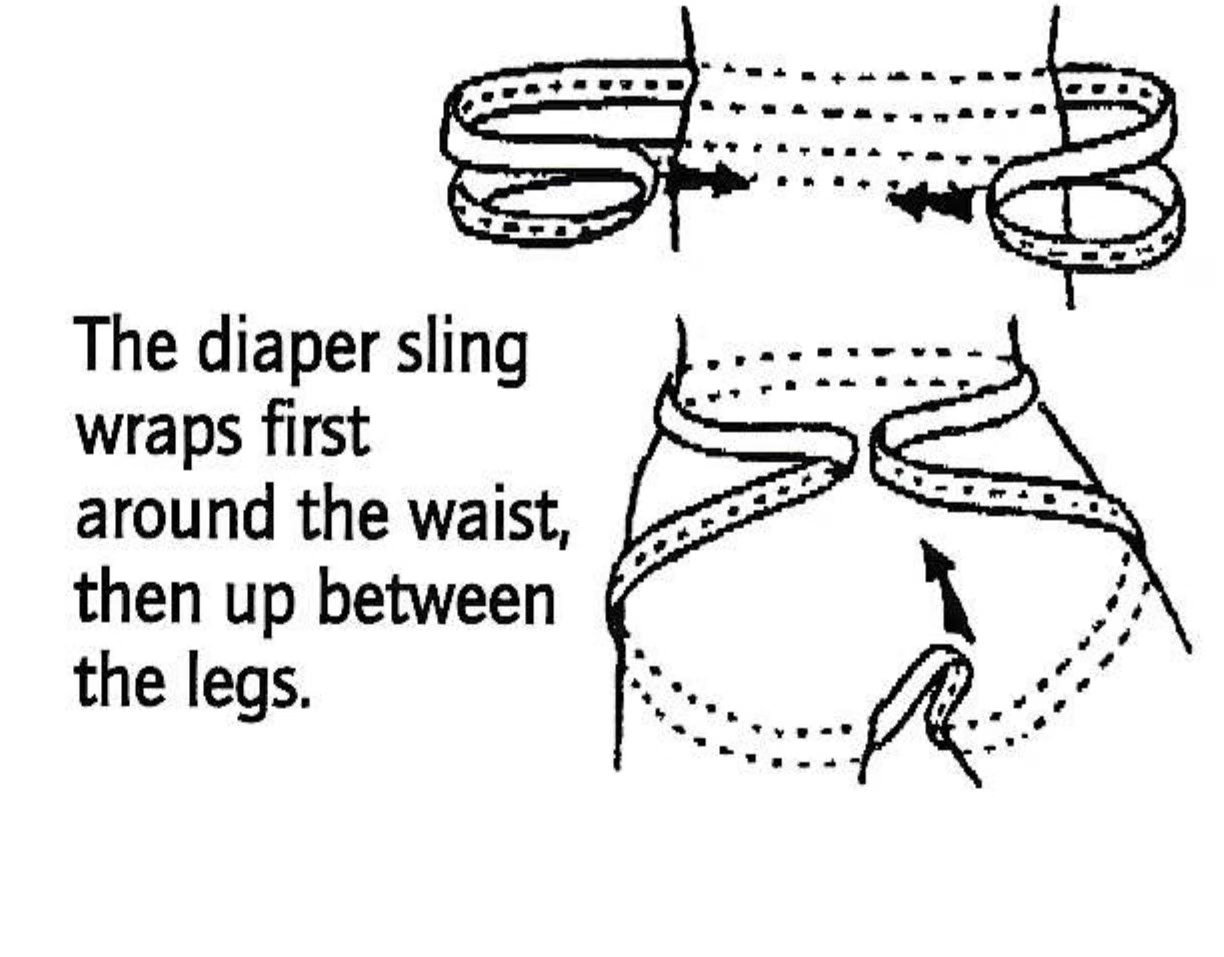
Then, keeping the fanny pack attached around your waist, turn it around so that the main compartment is in front of your body, so equipment can be removed. Put the diaper sling on and attach each piece of equipment to the sling as you remove it from the pack. During self-evacuation, it is extremely important to maintain control of all equipment—it’s a long way to the ground to retrieve dropped pieces.
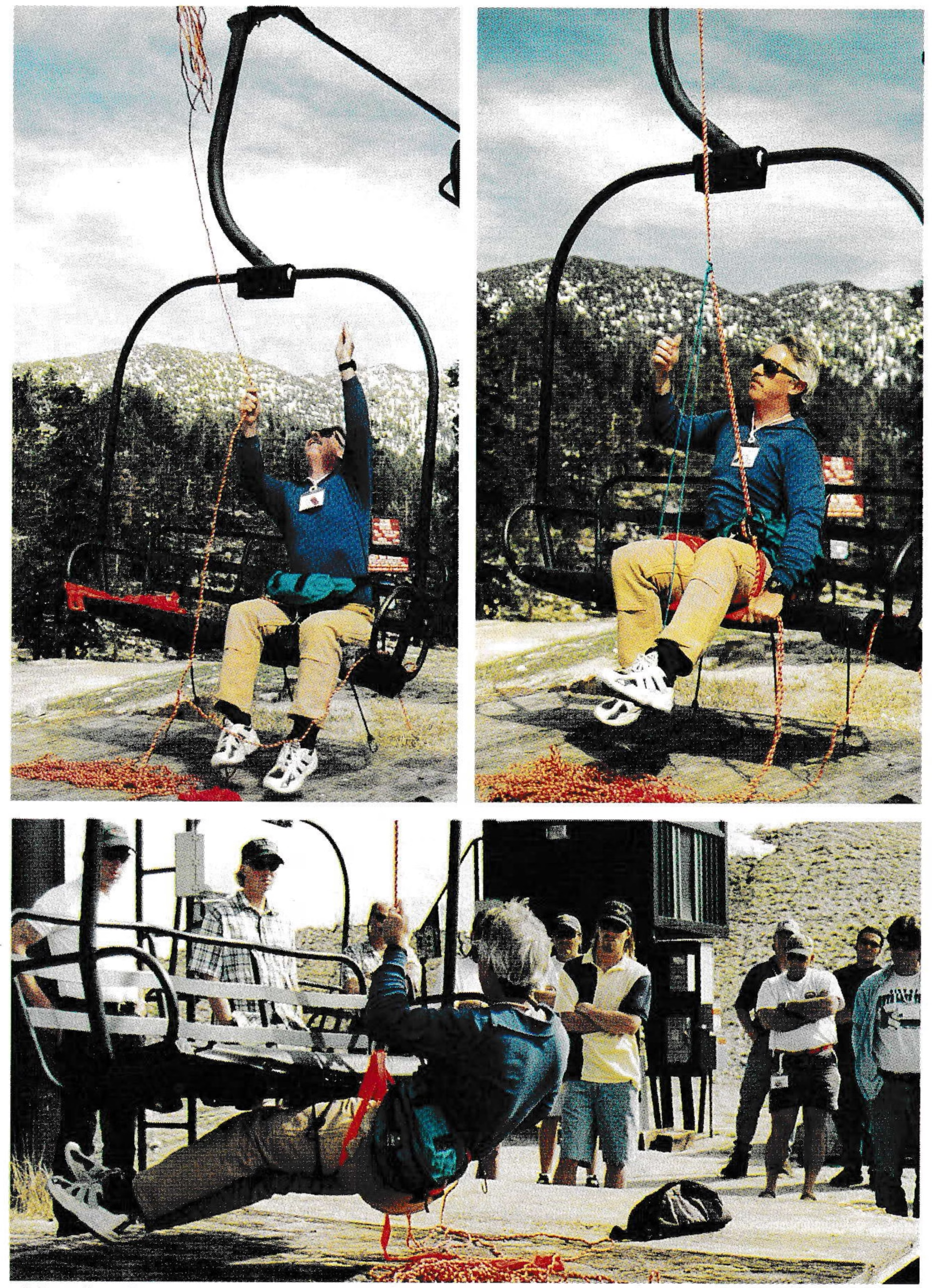
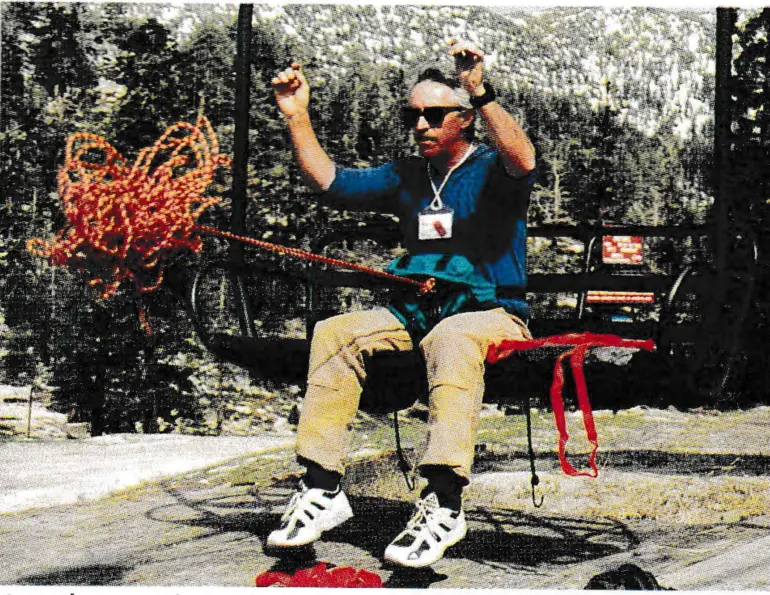
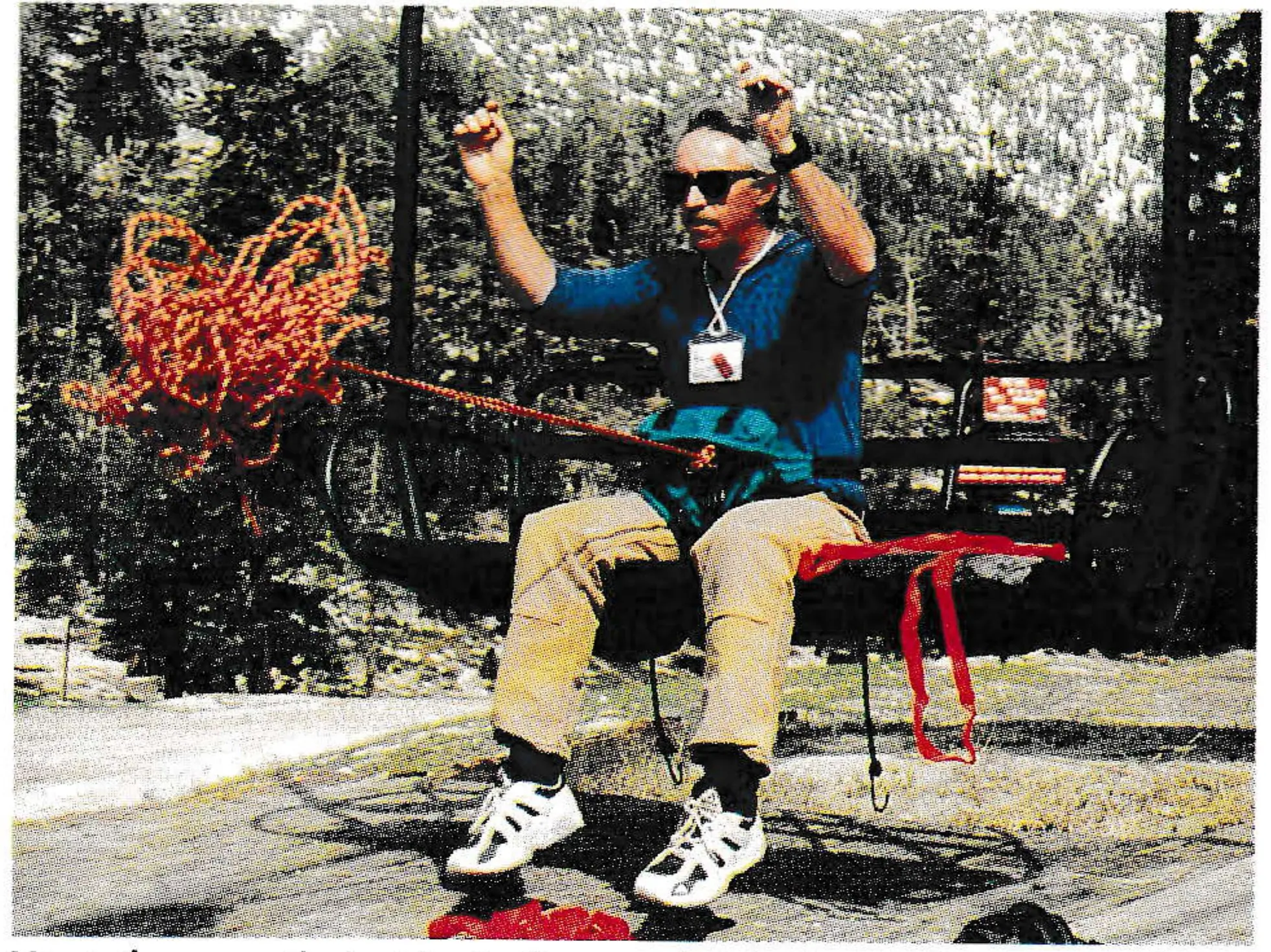
Remove the rope from the pack, making sure it is free of knots and kinks. Gather a couple of coils at one end and toss them from the inside of the haul rope toward the outside to avoid tangling with communication lines. The gathered coils should provide enough weight and slack to carry the rope up and over the cable when it is tossed. Tie the ends together in a figure-eight knot—this is very important because it will keep you from rappelling off the end of the rope.
Make sure that the rope lands directly above the chair hanger. If it is too far up the cable, it will slide down towards the hanger and cause you to swing while descending. If the rope is below the chair hanger, it will slide down the cable until it encounters an obstacle—such as the next hanger—which will cause you to swing a great deal and won’t instill much confidence in passengers witnessing the evacuation. Once the rope is over the cable, both ends should be lowered to the ground. (If it is easier or more practical—due to lift design or windy conditions, for example—the rope can also be positioned around the bail of the chair rather than thrown over the cable.)
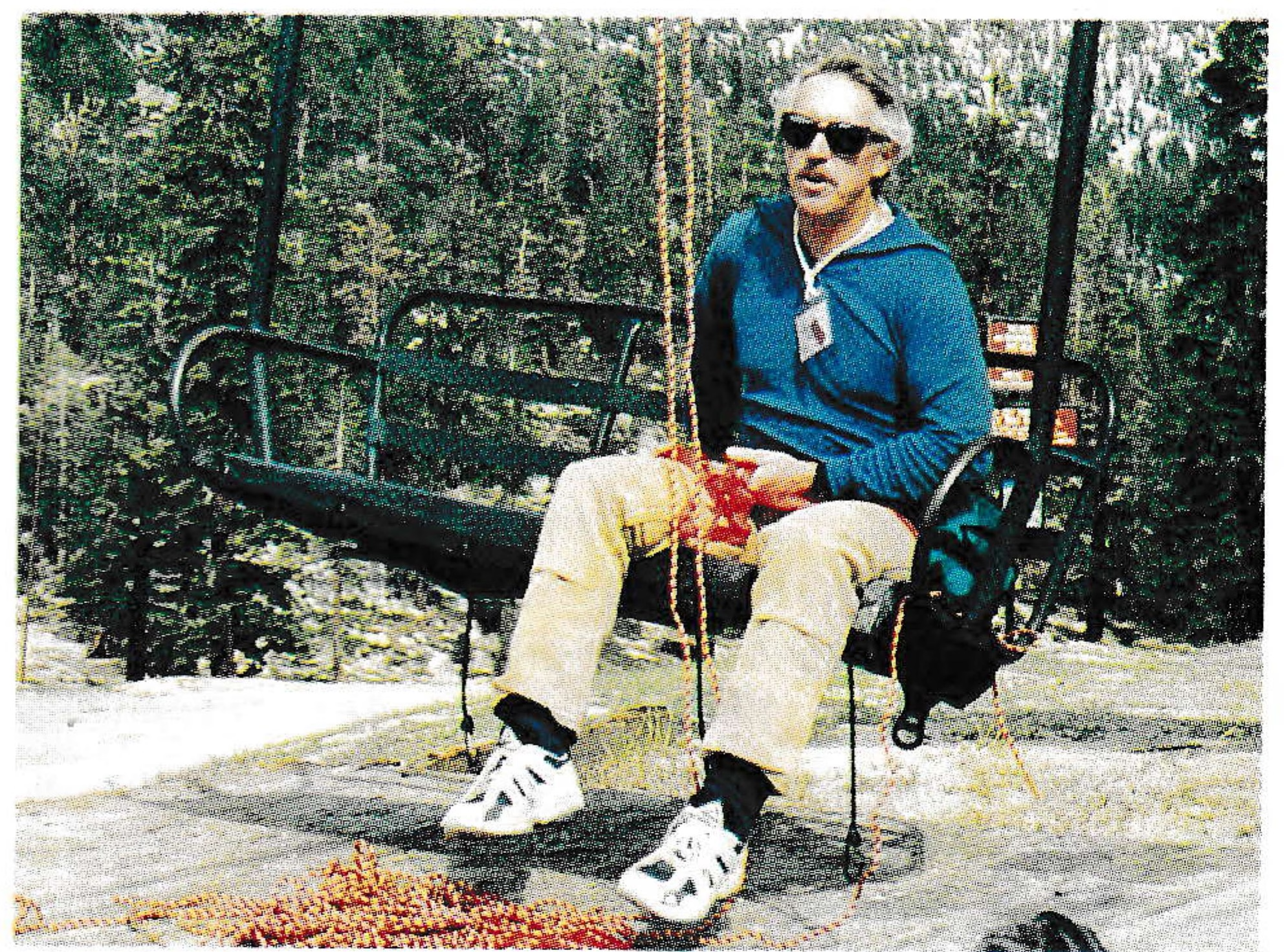
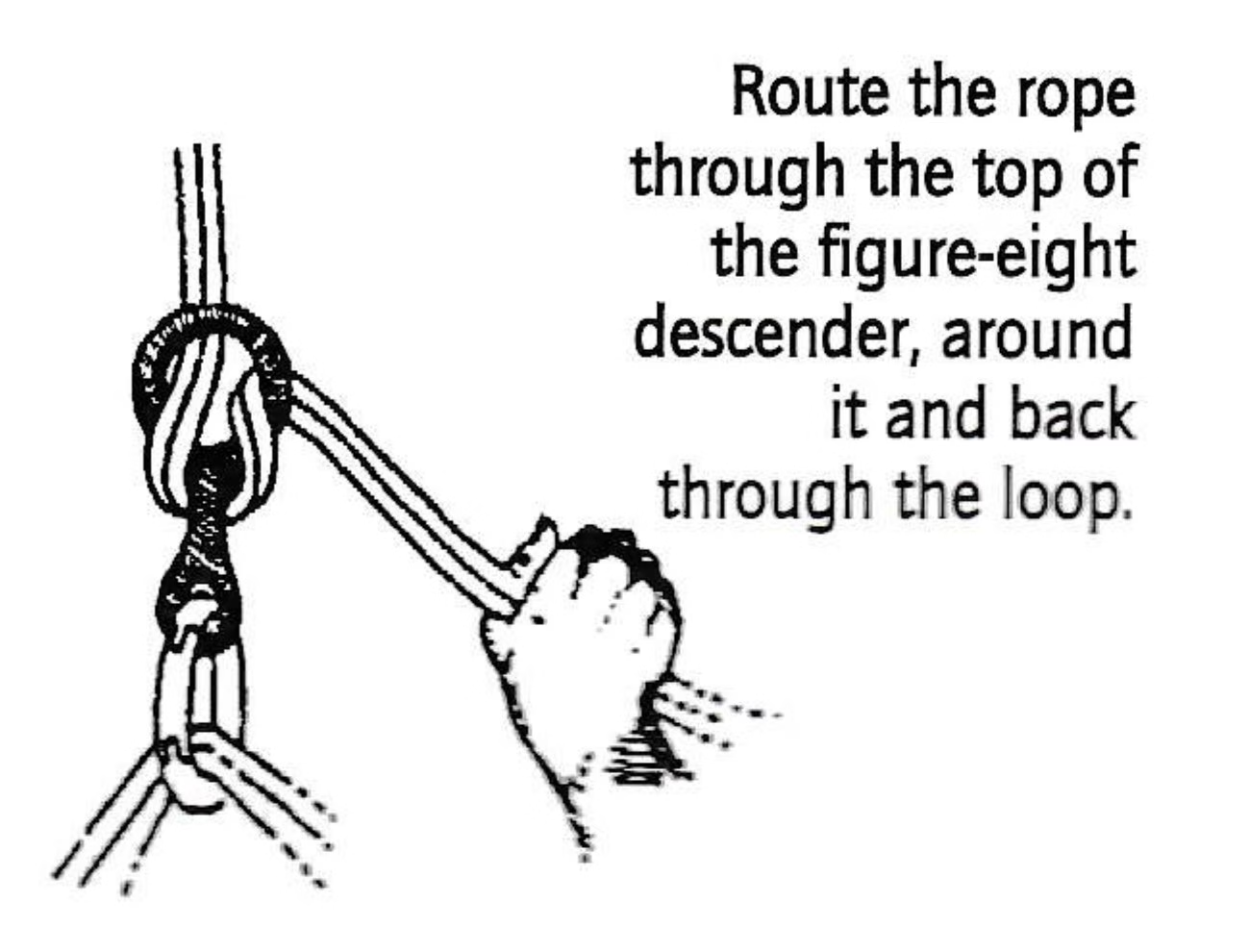
Remove the figure-eight descender from the pack. Route the rope through it and reattach it securely to the diaper sling using a locking carabiner.
Wrap the rope around your body in a standard belay position and take up the slack so that the rope is tensioned. While on belay, gently roll out of the chair, turning to face it as you drop. Hold on to the chair as you roll out to keep it from swinging back and hitting you during the descent. Pay out the rope slowly with your belay hand and descend to the ground. If you are wearing skis, place them perpendicular to the fall line to prevent taking off once you reach the snow surface.
A common problem using a figure-eight descender is that if the evacuation rope catches on the chair, it may cinch onto the figure eight in a very firm girth hitch. In this case, simply attach the Prusik loop above the snag, hoist yourself up the evacuation rope and undo the girth hitch. Undo the Prusik and continue the descent to the ground.
The ability to self-evacuate properly can be a valuable skill, particularly for employees at small- to medium-sized areas. As with any risky procedure, however, self-evacuation must be carried out with the utmost care, and only by those competent, practiced and well-trained in its execution.

