


The Whisperized compressors, developed by Ingersoll-Rand Co., supply 1200 cu. ft. of air per minute at 100 p.s.i. These machines operate at about a hundreth the noise level of standard portable compressors of comparable size at a decibel level of 85 dBA measured at a distance of three feet. This is equivalent to the average sound of residential street traffic and compares with 110 dBA for a normal compressor.
If manager Jim Trepp had not heard about the compressor last Spring, the Dutchess ski area probably would not be in business this season. Last Winter some Beacon residents faced an unacceptable noise problem when Dutchess made snow on a large scale. The new area had expanded its acreage for its second skiing season and had upgraded its essential snowmaking operation, replacing three medium-sized portable air compressors with three standard c.f.m. compressors. On February 18, 1969, the area was forced to permanently shut down the snowmaking apparatus a month before the end of the season because of the disturbance the machines were causing to nearby residents.
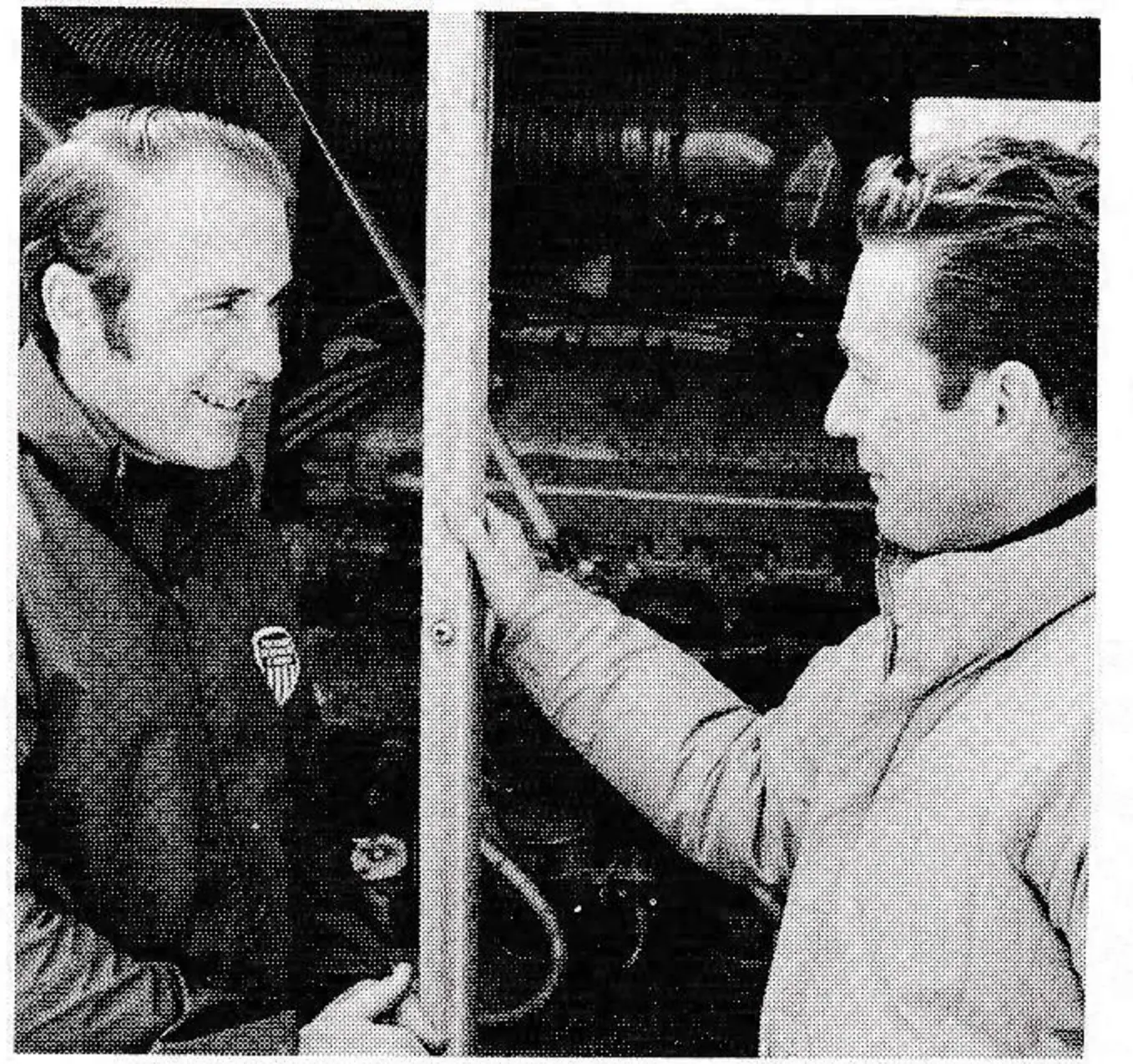
“The board of directors gave me until May 31 to get the Ingersoll-Rand Whisperized compressors,” recalls Trepp. He contacted an I-R sales representative in the area, and arrangements were made to lease the first three Whisperized 1200 c.f.m. compressors off the production line. Until then, the largest available in the new product line had been compressors of 900 c.f.m.
When snowmaking resumed with the new compressors this past December, Beacon’s city commissioner sent building inspector Alfred J. Papo on an official visit to the ski area. Papo was prepared to insist the activity be stopped when he realized he could not hear the compressors operating, yet they were running at top speed making snow.
“Trepp and I stood right alongside them and talked awhile,” recalled Papo. “That’s quite a compressor. It ought to be good in the city.”
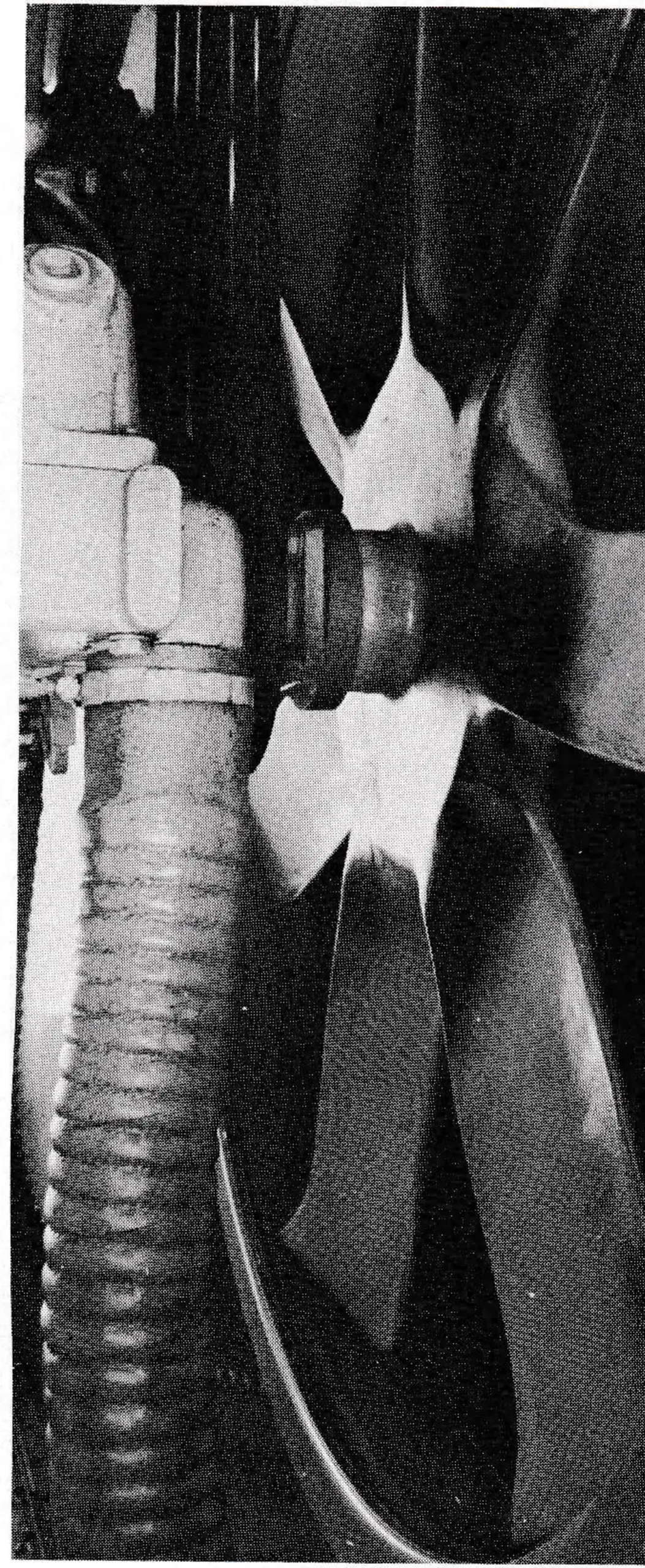
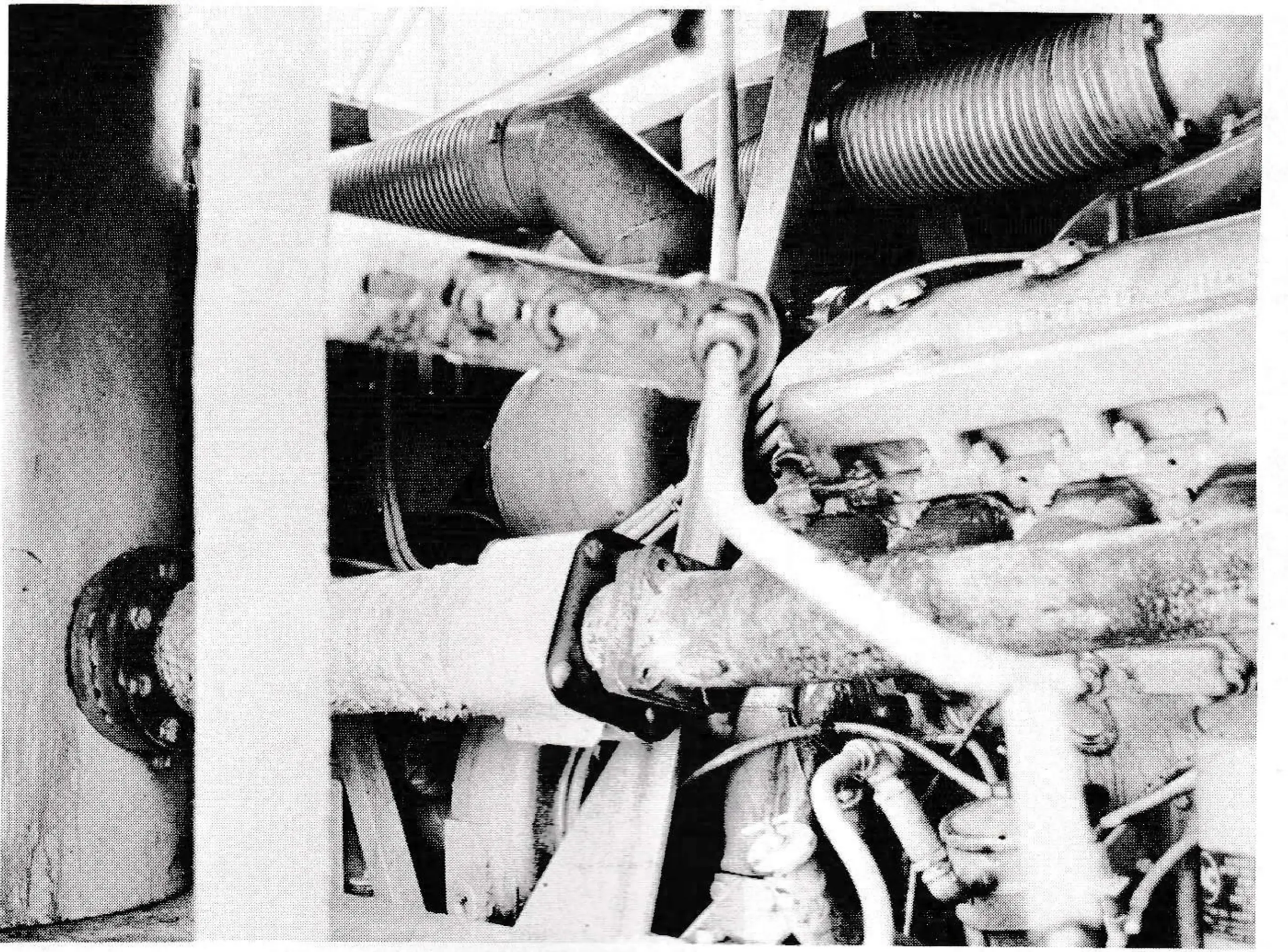
Papo noted that last winter’s snow-making had brought complaints about noise from residents as far away as Glenham, N. Y., 2¼ miles North of the ski lodge. “We haven’t had one complaint this year,” he said.
“Without quiet compressors, Dutchess ski area would be closed this year because we couldn’t make snow,” Trepp concedes. He said the 1969-70 Winter, one of the coldest in memory, had resulted in a depth of 26 inches of packed natural snow and 51 days of operation as of the end of January. However, he estimated there would have been only 10 ski business days without additional artificial snow, “which, of course, would not be enough days to operate the business at all.”

The Whisperized compressors were developed in an 18-month program at the Ingersoll-Rand Research Center in Princeton, N. J., in which various techniques of muffling and enclosure were studied. The result is a patented enclosure which accomplishes the required noise reduction while maintaining normal standards of compressor dependability, portability, cooling, ruggedness and service accessibility.
Dutchess now covers approximately 40 acres with artificial snow on Mount Beacon, a 1200-foot peak rising abruptly from the city of Beacon (population 14,000) near the East bank of the Hudson River. The Whisperized portable compressors, parked about halfway up the mountainside, are positioned so the cooling air outlet baffles on the top of the units direct what little noise there is up the mountain, not down into the town. This contrasts sharply with the conventional air compressor, whose noise cannot be diverted.
An unexpected design advantage of the new compressors, Trepp says, is that their acoustical housing also keeps them relatively warm during shutdown which results in easier starting later.
Dutchess’ snow-making usually begins after the 10 pm closing every night. The system has 18,000 feet of galvanized steel piping, with two open slopes and four 3000-foot trails covered by crews manning 15 to 20 snow guns.
The compressors have been run almost continuously for up to 72 hours, stopping only for refueling and oil checks, says Trepp. “The Whisperized machines are functioning just the way Ingersoll-Rand has said they would. The concept is so new, everyone is learning along with us. General Motors has made a 100-hour check of the diesel engine on one of them so far and said that the compressor’s cooling fan is really taking care of that engine,” said Trepp.