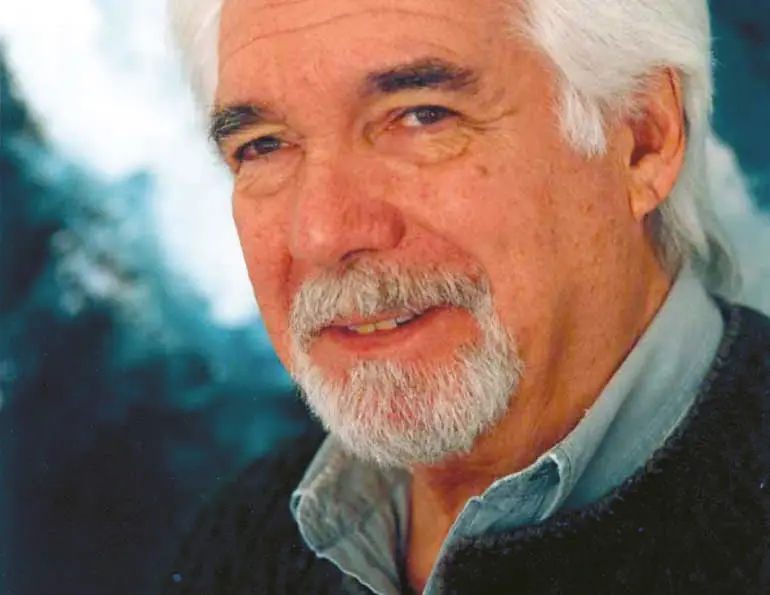
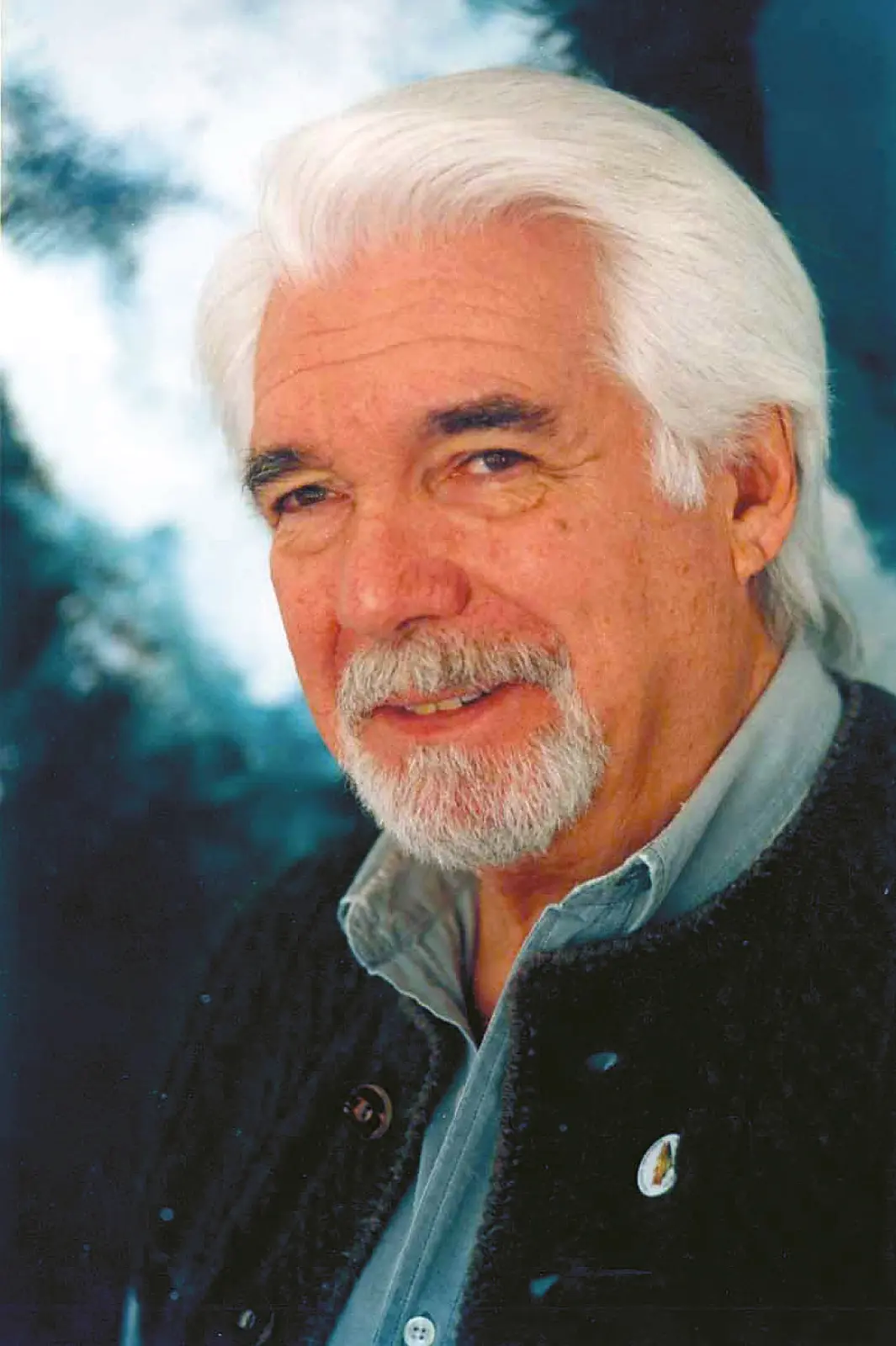
Reynal, half American and half Argentine, built—and then lost—the continent’s oldest and largest ski empire centered in Bariloche, a resort town that borders a spectacular Andean lake. But now, at the age of 70, Reynal is once again in control of the ski resort Cerro Catedral and, with his son Juan Pablo, Reynal is forging ahead with a master plan to put his resort in the top tier of the Southern Hemisphere’s ski fields.
He’s waited more than 17 years for this opportunity, and therein lies the story—one that has never been told.
While some resort owners have dodged avalanches, drought years and economic hardships, Reynal dodged bombs and kidnapping attempts, which could have ended more than his ski business.
The origins of Argentina’s ski resort industry began in the early 1960s when Reynal, not yet 30, founded an airline called Austral Lineas Aereas. Having owned a home in Bariloche since the late 1950s, Reynal intended to serve the widely scattered Patagonian tourist regions from airports in Buenos Aires, Argentina’s capitol, and other points on the continent. The coastal capital teems with 13 million people—about one-third of the country’s population—and its residents dominate leisure and business travel in Argentina.
Over the next decade, as Austral grew to become the largest privately-held airline in South America, Reynal looked for ways to fill his planes during the continent’s winter (July through September). During those months, Bariloche and the other mountain communities became ghost towns, with shopkeepers shutting down.
As a way to stimulate winter travel, Reynal, a passionate skier, came up with the idea of building a ski resort. That was a novel concept in the late 1960s, when no public ski areas existed in the country. For advice, he turned to the Austrians, and especially to lift-builder Doppelmayr. After canvassing the mountain regions of Patagonia, a site selection team settled on Cerro Catedral. A handful of skiers from Club Andino Bariloche had been skiing there since 1924, and a rope tow was put in in the early 1950s.
One of the key advantages was that the area sits only 16 kilometers from Bariloche, where thousands of visitors could be housed in small hotels and European-flavored inns. But there was sentimental value as well. Billy’s aunt, Catalina Reynal, became a local folk hero after using the area in the late 1920s to introduce poor children to skiing. Years later, some of them became Olympic competitors.
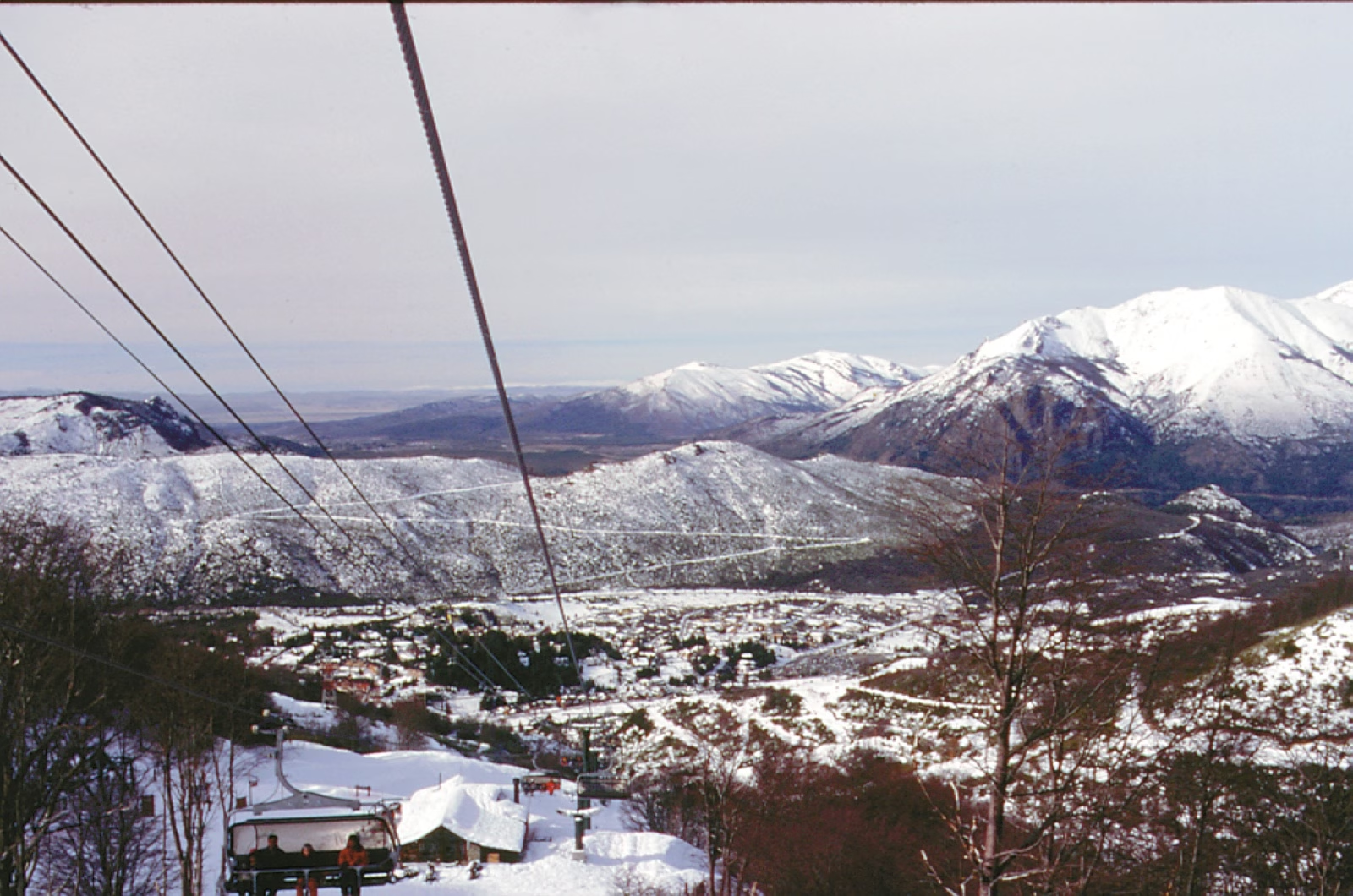
Although it had a relatively low base elevation (3,445 feet), Cerro Catedral was blessed with vast open bowls at its summit (6,725 feet), and these would provide the best powder skiing in the area. By the end of the 1960s, chairlifts were operating and skiers were beginning to discover the new resort. In order to capitalize on the fledgling winter recreation industry, Reynal started a wholesale tour operation called Sol Jet. He also built hotels in town and at the mountain. “By the early 1970s,” says son Juan Pablo, who is now the company president, “my father owned the entire infrastructure related to skiing—lifts, planes, buses and hotels. He expanded the travel company to Brazil and the business ultimately employed over 12,000 people.”
Flush with success, Reynal wondered if the formula could be repeated. He looked at the small, sleepy village of San Martin de los Andes, which is a three-hour drive north of Bariloche through the rugged spine of Patagonia, and decided to try again. A mountain called Chapelco was chosen and Reynal’s company moved in to work its magic, building lifts, an airport for Austral’s DC-9s and hotels for skiers. Like Bariloche, which is situated on the shores of Lake Nahuel Huapi, San Martin also had its alpine jewel, a finger-like basin named Lacar. Reynal saw opportunity on the water, as well, and soon launched a fleet of large catamarans for sightseeing cruises on both lakes.
Photos by Ken Castle
By the mid-1970s, Reynal was at the top of his game. He controlled the tourism industry of Patagonia with an airline, two ski areas, five hotels, buses and cruise vessels, and a tour operation. Life was good.
But in 1976, it all stopped. That year, a three-man military junta seized power in Argentina and began one of the darkest chapters of the country’s history. Amid the chaos of strikes, demonstrations and terrorism from both left- and right-wing groups, the junta embarked on a “Dirty War” to stabilize the country and stifle dissent. For the next seven years—a period that included the disastrous invasion of the British-held Falkland Islands off the coast of Argentina—the junta ruled with an iron fist. Human rights groups blame the military for more than 2,300 murders, 10,000 political arrests and the kidnapping of as many as 30,000 people.
Photos by Ken Castle
Shortly after the junta took control, Reynal ran afoul of Brig. Gen. Omar Graffigna, commander of the Air Force. The reason: Austral was beating the pants off of the state-owned airline, Aerolineas Argentinas, and Graffigna decided that his government wouldn’t put up with competition. So he tripled the cost of fuel for Austral and barred the airline from raising ticket prices. That forced Austral into bankruptcy, and since all of Reynal’s assets—including the ski resorts—were set up as part of the airline, the empire folded like a house of cards, nationalized by the junta.
But that wasn’t enough for the generals. One day another Air Force officer summoned Reynal and gave him a terse warning: Leave the country or else. Adding to the military’s dislike of Reynal was the fact that he was born in the United States, the son of a San Francisco socialite and an Argentine polo player. Not long after the meeting, someone threw a bomb at the Reynal residence in Buenos Aires, destroying the front of the building and shattering windows at a school across the street. Fortunately, no one was home and he figures the bomb was meant as a warning.

Photos by Ken Castle
Reynal, along with many Argentine and international corporate executives, went underground as the political climate grew more dangerous, with death squads and kidnappers targeting prominent businessmen. “A lot of companies relocated their headquarters to Montevideo (neighboring Uruguay), and we would move around in Buenos Aires to different hotels, which would check us in without registering our names,” recalls Reynal. “There was a time when I thought that I would be killed and that I wouldn’t know whether the bullet came from the left wing or the right wing. Anyone who wasn’t an extremist was at risk.”
Not long after the bombing, a band of would-be kidnappers, who apparently knew that Reynal spent weekends at his summer retreat near Bariloche, broke into the home, tied up his housekeepers, and waited for him to return. It was Sunday and he usually flew back to Buenos Aires in the evening. But because of heavy rains that day, Reynal decided to take a morning flight instead and, by luck, managed to evade the thugs. But after learning of the incident, he decided that enough was enough. Reynal gathered his wife and four small children and, in December of 1980, fled to the United States. “I lost everything that took me 25 years to build,” he says. “I arrived penniless in New York.” Fortunately, Reynal had a sister in San Francisco and was able to bring his family there.
Although he had lost all of his important assets, he still owned a small oil company called Petrolera Patagonica. While the company was not in the business of producing oil, it owned several valuable contracts, although not enough to interest the junta. Those would later prove to be his road to recovery. But during his forced exile in the U.S., Reynal dabbled in several American real estate projects—”anything I could do to support my family,” he says. Juan Pablo, now 32, was educated in U.S. schools, and later graduated from Fort Lewis College in Durango, Colo., where he also worked as a television newscaster.
It wasn’t until 1987, after Argentina returned to civilian authority, that Reynal was able to return without personal risk. Over the next 10 years, he built up his small oil company until it became the fifth largest in the country, providing him with a second fortune—and a second chance to regain his resorts. The junta-installed concession had virtually driven the ski business into the ground and during the post-junta period, Cerro Catedral lost much of its valuable destination trade from Brazilian skiers, who opted for new resorts in Chile. Even Argentine skiers were shying away from the deteriorating lift system, the fractious operation of 14 ski schools at the base and an overall decline in service.
Finally, in 1997, at the age of 66—when most men are contemplating retirement—Reynal reacquired Cerro Catedral. He tried to regain control of Chapelco as well, but couldn’t make that deal work, although there is now a promotional relationship between the two resorts. What he got at Bariloche was a tired ski area, one that was divided into two concessions. His agreement with the provincial government, which owns the land, was for the northern and largest section of the mountain. He renamed it Catedral Alta Patagonia, after the new resort and travel company that he formed. But the independently-operated Robles Catedral on the south face will not become part of Reynal’s holdings until 2003, when its lease expires. Meanwhile, skiers grumble about having to buy two separate and expensive lift tickets (a total of $84 for adults in high season) if they want to ski the entire mountain in one day.
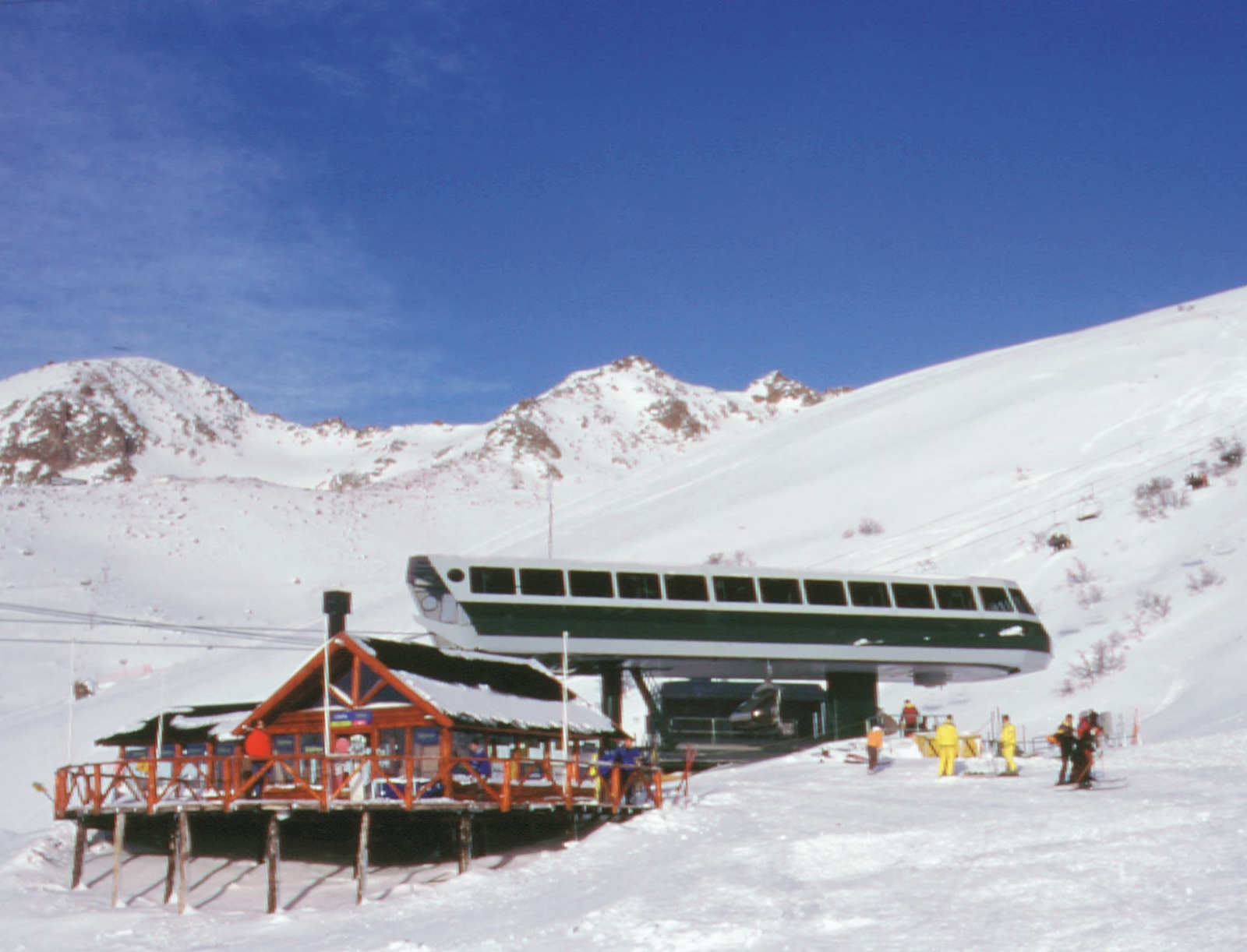
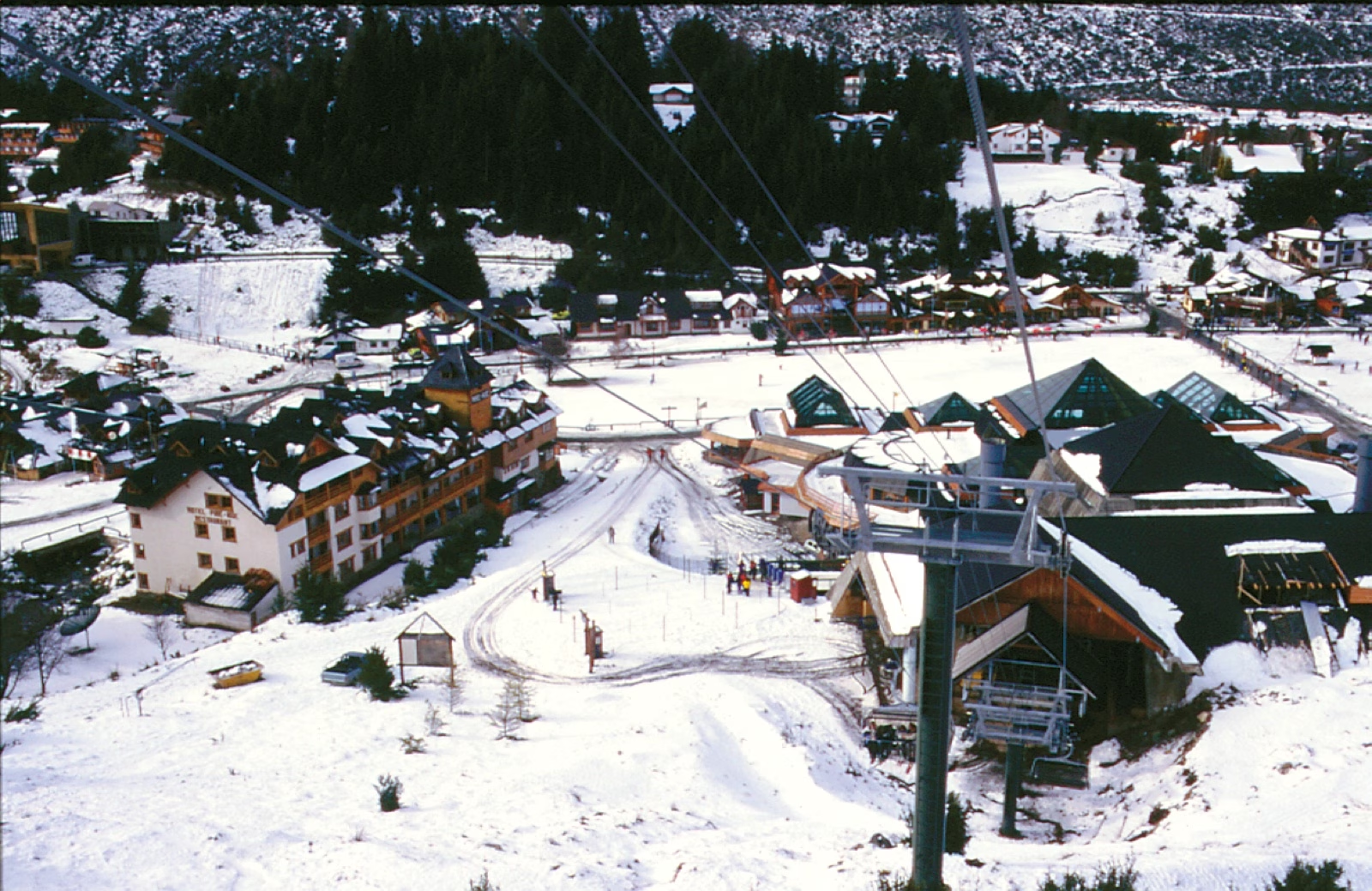
Over the last five years, Reynal has pumped $30 million (including the purchase price) into his portion of the hill. He added a six-pack chairlift called the “Superbubble,” a fixed-grip quad and a fixed-grip double, and 60 high-pressure guns that form a snowmaking system built by Sno.matic. He also opened a snowboard park at Piedra del Condor, which has a lift and a warming hut. And at the base area, on land he owns, he enticed a developer to build an enclosed shopping mall, called Las Terrazas, which also houses several fast-food restaurants. Mountain facilities now consist of 10 chairlifts, one aerial tramway (the only one in South America), two T-bars and 17 surface lifts, all serving 42 miles of trails. The resort is the largest on the continent.
Reynal also combined the various ski schools into one operation, and organized the retailers, restaurants and hotels into partnerships using a few selected credit card and supply companies.
Juan Pablo, who runs day-to-day operations, says the takeover of Robles Catedral in two years will trigger the largest project in the new master plan. “We’re looking at spending upwards of $40 million more, with four new detachable quads and an expansion of the snowmaking system,” says the younger Reynal. The plan was largely devised by Mike Larson of International Alpine Design who, at the time, was with Vail Associates. The Reynals also have embarked on a vigorous marketing plan to win back international skiers. This last season, Mother Nature cooperated, with frequent snowfall that extended skiing to the end of September. And Bariloche has been named as the site for the 2003 Junior World Championships—the first time that a resort in the Southern Hemisphere has won the bid.
Some people never get a second chance to realize their dreams. But Billy Reynal refused to give up. And today, a revitalized ski area once again offers a world-class experience at Bariloche.