


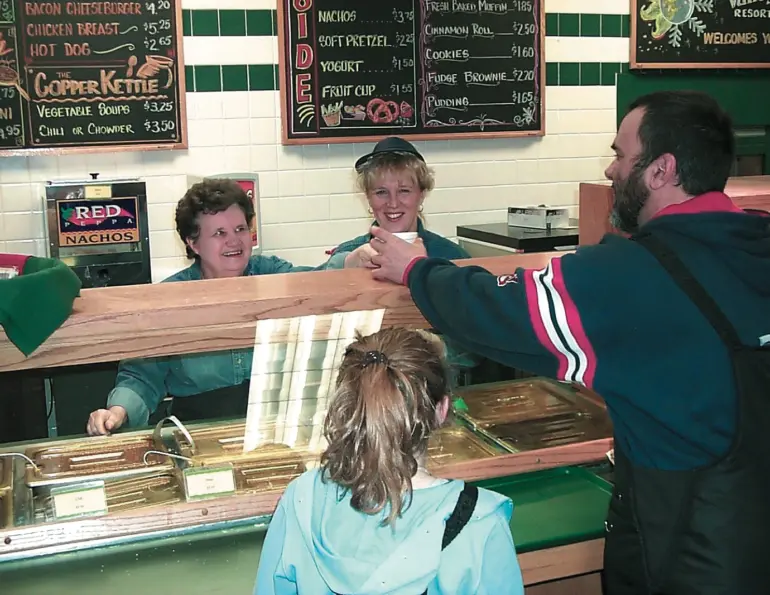
In a perfect world, all ski resort visitors would be so entranced by the experience that they would move heaven and earth to become season pass holders. On this imperfect planet, there are realistic, affordable measures resorts can take to improve their guest relations and thereby convert more visitors into committed members of their community.
Such actions fall under the heading of “hospitality training,” which resort operators often relegate to a 10-minute video session, if that. A strong, sustained dose of hospitality training will not only increase return visits by your guests, it should also decrease employee turnover, which is another vital key to getting those guests to come back.
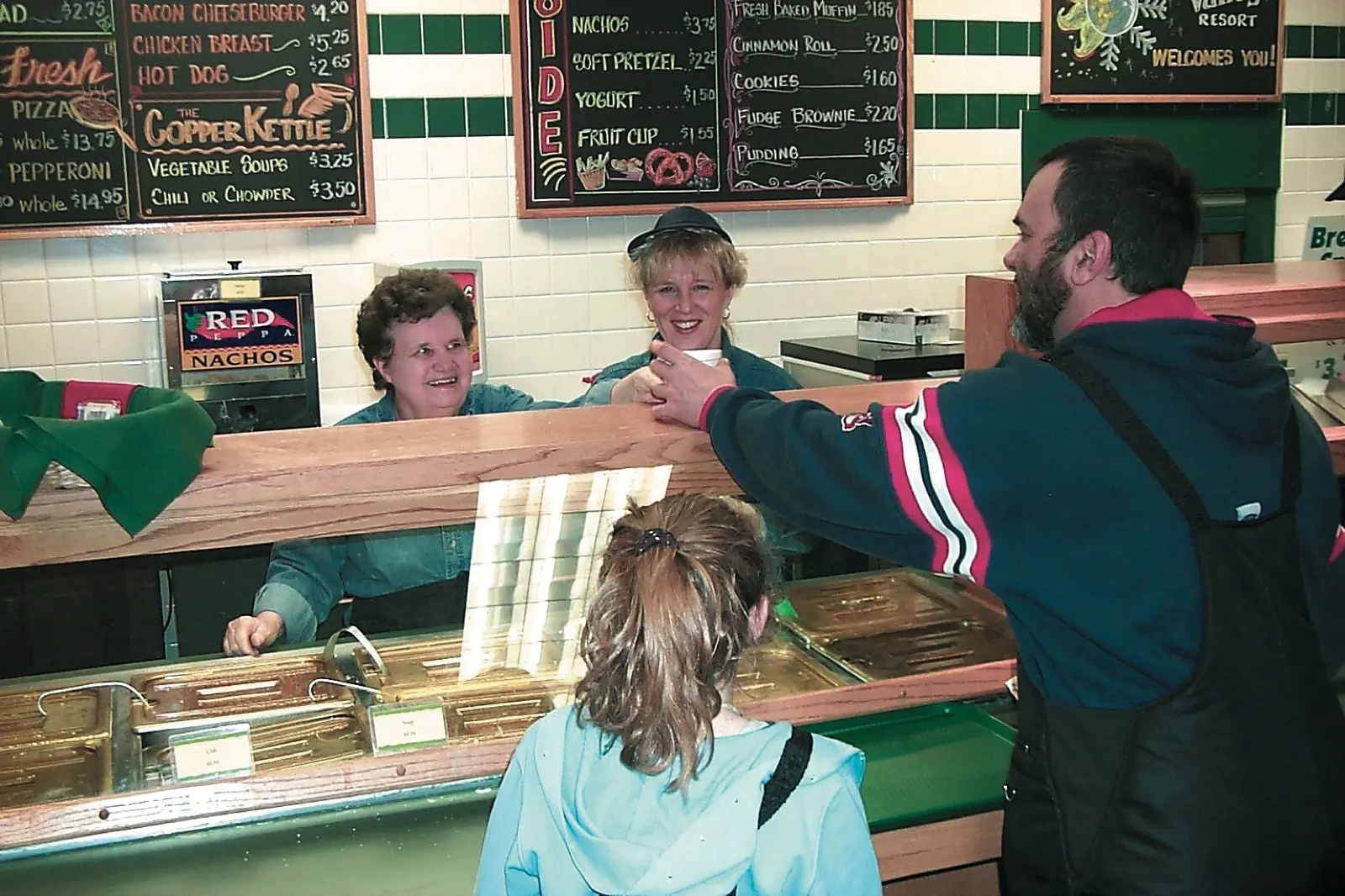
There are many reasons why resorts fall short on hospitality training, but three causes stand out: timing, cost and commitment. None of these are serious obstacles. Let’s pick them off one by one.
Timing
Rare is the resort that can afford to bring on hundreds of seasonal employees, many of them untested rookies, days before they are truly needed in order to get them fully indoctrinated. In the rush to get everyone to their post the day the resort opens—and not a minute before—there is barely time for a hasty operational orientation and sufficient technical training to avoid calamity. Where can hospitality training fit into this already condensed agenda?
The solution? Training should be implemented in stages, starting with the top of the totem pole and moving down. (A powerful hospitality training program can be as instructive to management as it is to frontline personnel.) Since management and supervisors are the first to be trained, and since these employees have to be present before the season is in full swing, their training can occur well before the season unfolds. In fact, these core employees can be trained at any time.
A second reason to start at the top: To create a true culture of guest service, management staff has to buy into the training program and understand their role in keeping it alive.
Once supervisory staff has ownership of the program, they will be eager to pass it down the line, as their lives will be easier if all their people are on the same page. All they need is a program to plug into their existing new-employee indoctrination protocols.
Will this require a little more training time than what is being spent now? Yes. But the payoff in performance, morale, increased guest satisfaction and revenue will more than offset the time requirement.
Cost
When budgets are stretched thin, it may seem foolish to invest in employees who may not last the season. But there are two other ways of looking at this expense. First, consider it an investment in your guests rather than in your employees. To create a culture of guest service, you must invest on your guests’ behalf, just like a building remodel or a new lift. But unlike other amenities, the benefits of hospitality training are resort-wide and touch every guest on every visit. The return on this investment is high.
Second, the pay in ski resorts, especially for entry-level jobs, is poor. The pay does not, by itself, demonstrate to your employees that you value them and appreciate their contributions. Quality training, on the other hand, shows that their jobs matter and that you care about your staff and their performance. Guest-services training can justifiably be pitched as an employee benefit that will continue to serve them long after their other job benefits have expired. (It also gives you a tangible means to measure their performance.)
The cost of hospitality training depends on the size of the resort and its level of commitment. While no hard-and-fast rules exist for what this amount should be, if it costs $50 per employee to buy season-long “interaction insurance” with your guests, the increase in guest satisfaction and return business should more than offset the cost.
Commitment
For training to succeed, management and supervisory staff must stand behind it 100 percent. As well they should: Nothing less than the identity of your resort is at stake. Your staff creates the atmosphere your guests inhale. This isn’t something best left to chance. To make an impact, training has to connect with your rank-and-file and their day-to-day experiences. Off-the-shelf training videos may not leave the hoped-for impression unless they are part of a larger presentation that explains their message and reframes it in your context. But in that case, you might as well develop a comprehensive training program that wraps your unique message around established principles.
Training is an effort at behavior modification, and people do not often change behavior based on a single presentation. For training to sink in and become reflexive, it needs reinforcement, follow-up and consequences. This requires real commitment from supervisors to monitor performance, correct flaws, provide day-to-day reminders and inspire by example through the course of a long season.
Training, on-the-job performance and reward should all be linked. This way, training has a real connection to the job and the guests. It becomes a vital, living part of the brand, of what makes the resort what it is.
Teach Skills, Not just Attitude
A good deal of existing guest-services training consists of encouraging the neophyte to smile and be nice to guests. This worthy message has its place, but achieving real behavioral change usually entails more than just asking for it. Give your employees skills, not just exhortations. Skills must be taught, and then reinforced on the job.
And just what skills should hospitality training instill? The relationship skills that lie behind the smile, the ability to make every guest feel at home and increase the guest’s sense of connection with the place. In Planet Hospitality, a program that I have developed with my partner, Dave Bertoni, we call these skills Guest Recognition Factors. They are a form of shorthand for understanding what people want and how to deliver it.
Specifically, these Guest Recognition Factors are Exploration Style, or how the guest navigates around the resort; Guest Orientation, or what the guest values and hopes to achieve; and Communication Style, which defines how the guest relates to others and in turn prefers to be treated. Knowing how to spot these factors equips your employees to deliver the personal attention that guests crave. And they are almost embarrassingly easy to learn and use.
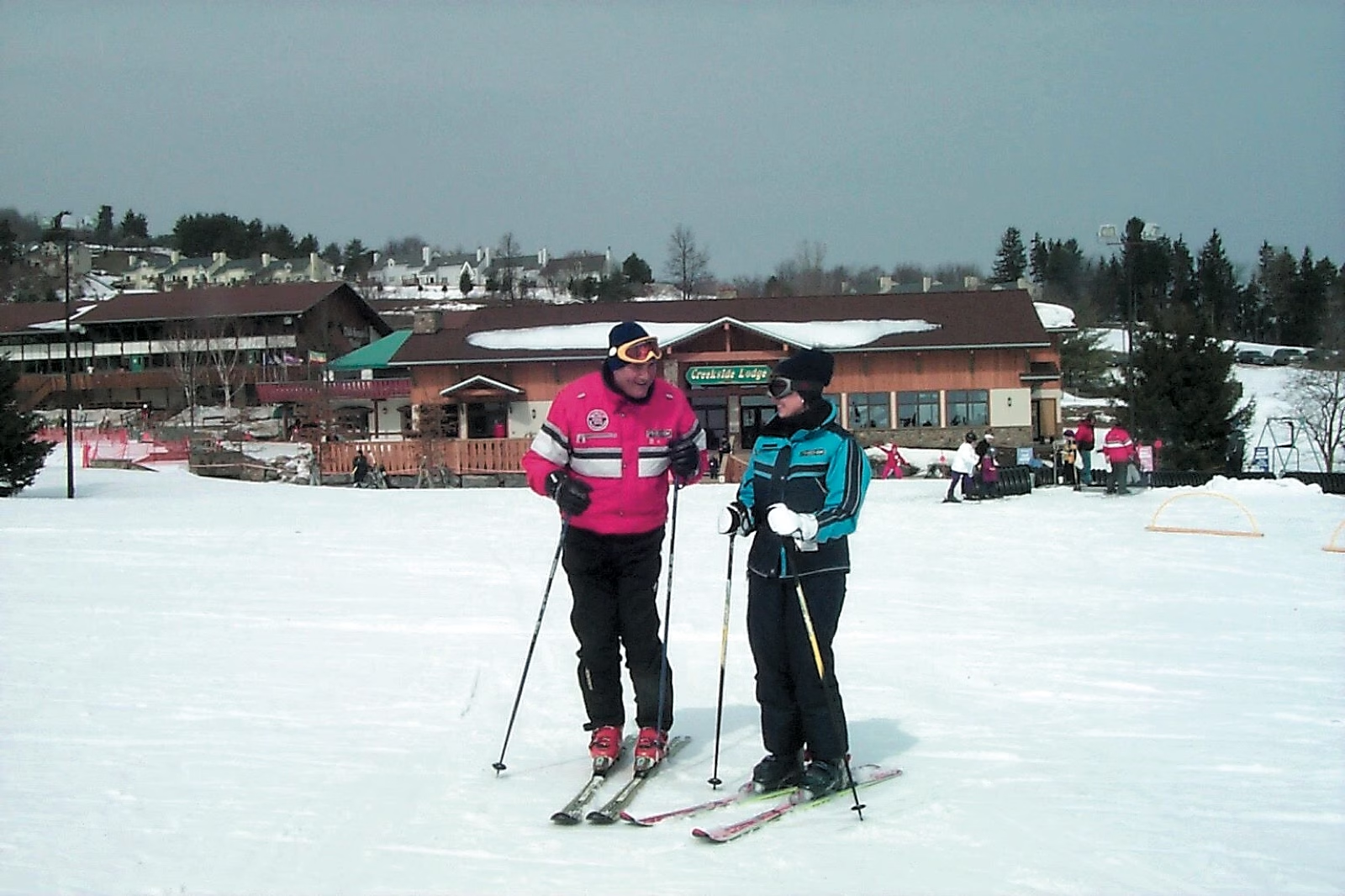
How do these Guest Recognition Factors illuminate a typical guest/resort interaction? Take the example of how Guest Orientation pertains to ski school. Guest Orientation is a measure of the guest’s commitment to an activity, and reveals how the guest will define a successful outcome. There are three basic Guest Orientations: Tourists, who just want to take it easy and who prize social connections; Players, multi-sport participants who want to make progress; and Zealots, who are totally obsessed with one aspect of the sport and could care less about almost anything else. (By the way, these same traits run through your employee community.)

When each of these Guest Orientations signs up for a ski or snowboarding lesson, they have very different images of success playing out in their minds. The Tourists will be happy if it’s a nice day, they get to meet some interesting people in their class and perhaps get to see a rabbit in the wild. Players are easy for the instructor to identify with, since they are actually taking a lesson in order to improve. If they don’t get some palpable sense of progress, they won’t be back. Zealots are more likely to sign up for a coaching clinic than a lesson; they seek the slightest edge that will make them more proficient at their chosen specialty.
An instructor who views his students from a guest orientation perspective is far more likely to deliver a satisfying experience than one who isn’t. This same sort of insight can color every guest/resort interaction, or what we call on Planet Hospitality a Pivot Point: Wherever the guest and resort intersect there’s an opportunity to turn the guest experience in a new direction. Regardless of the brevity of this interaction, it represents an opportunity to surprise, dazzle and expand the guest’s vision of the resort and all its possibilities. Every interaction can help build your brand.
To increase a guest’s involvement with your resort to the point where they want to make it a part of their lifestyle—which is the goal we all ought to be striving for—you must increase their meaningful connections with your special place. This is what makes every interaction with the guest so precious: it’s the linchpin moment that may determine whether that guest decides to come back or take their discretionary dollars elsewhere. Considering all the investment the resort makes just to get that guest to visit in the first place, it’s crazy not to back that investment up with training that will make that guest want to come again. Once the guest has had a sour resort experience, all the advertising dollars in world won’t induce him or her to return.
Training the Hard Cases
There is a school of thought that suggests that even attempting to train today’s alienated youth is destined to fail. To listen to these Harpies of doom, the next generation of the labor force seems as though they’re missing the genes for personal responsibility and social behavior. But to simply give up and let your employees set the standard of care is no solution. Even kids who don’t like to be told what to do can recognize value in social skills. It just requires the trainer to use a tone that connects with your employees’ lifestyle. You can’t just put the entry-level labor force in charge of your resort, which is what happens if you neglect hospitality training.
Developing an effective training program should be a collaboration between you and your training partner. There are several training programs available that are in tune with ski resorts’ needs, their employees’ lifestyles and interests, and their guests’ hopes and aspirations. Get the ball rolling now so your employees are ready once the chaos of the season hits. This is one investment that will deliver a return every day of the year.
Jackson Hogen is the co-founder and Chief Creative Officer for Planet Hospitality and Desperate Measures, a parallel program for retail sales training.
The Guest Editor’s Take
We spend the summer re-inventing or tweaking our orientation and guest service programs, and sometime around late January we wonder why our frontline isn’t more engaged.
Look at some key words in the first few paragraphs of this article. “Community,” “passion,” “hospitality”—what we’re talking about here is not just delivery of a service product, but developing a real service culture. We might smirk at zealots who compare our sport to a religious experience, but they’re not far wrong, and the cultural analogy to creating a strong organization is apt. After all, we’re striving to grow participation—to indoctrinate the heathen—and to retain these converts in our own congregations (we call ’em resorts).
Any successful culture is built on a set of shared values and behaviors that are relevant to its members. A training program in isolation, without a supportive culture, will struggle to survive. A solid training indoctrination is critical, but it’s just the beginning.
And Jackson is 100 percent right-on: The only place success can start is at the top. Top managers can teach, as well as lead, by example. Consider the Sunday sermon, the campfire story, and the annual “Manager of the Year” ceremony. Each represents a ritual that can serve to underscore the values you hold important—rituals are a primary means for teaching about the culture. At some point, the stories become the on-going training. As leaders and managers, our job is to seek out, capture, and tell the stories that exemplify our resorts’ shared values and the kinds of behaviors that make heroes of our employees.
We need frequent and timely channels for sharing the daily shining moments that take place throughout our organizations. Simply being recognized by name as a character in one of these circulating stories is often recognition enough for your staff, and frequent celebrations, large and small, produce continued positive results.
I like Jackson’s perspective of this investment of time and money as one invested in the brand and the guest, as much as an investment in the employee. Viewed this way, I’d bet we would be more willing to spend the resources necessary for measurable changes in the education and growth of our employees.
—Bill Benneyan, Mountain Creek

