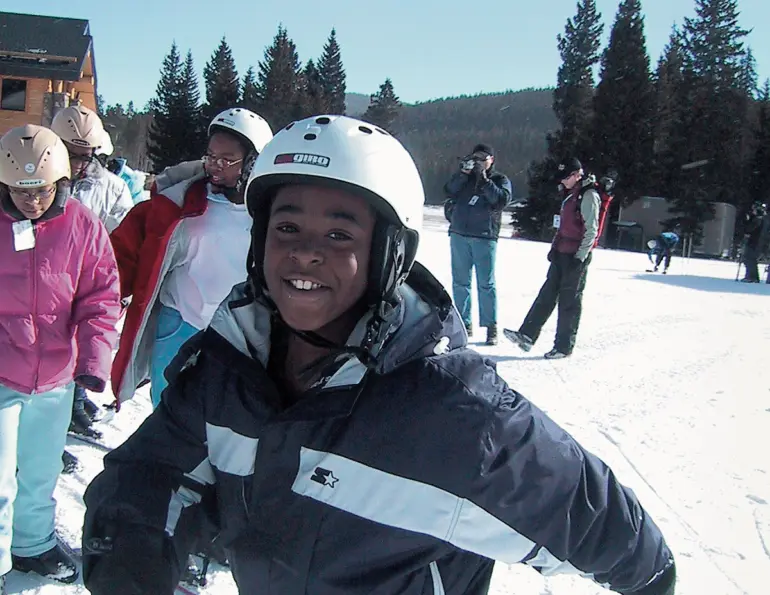
Skiing has been, from its start centuries ago, a white sport. It’s played on a white field, and the participants have been mostly white. But as America moves into the 21st century, winter sports are becoming multicolored, like the society as a whole. Several areas in California, from Mountain High to Northstar, have successfully attracted legions of Asian-Americans and Hispanics to the slopes. Now, the resorts around Denver are beginning to host Hispanics and African-Americans, and may provide a template for similar marketing efforts nationwide.
Certainly, the timing is right. The NSAA is beginning to shift the focus of the Growth Initiative from conversion to invitation. “We have improved the first-time experience,” said NSAA president Michael Berry. “Now we have to invite more people.”
Indeed. Several speakers at a mid-November meeting in Denver described the extent of the demographic changes facing the country and the ski industry. Sponsored by the Denver Business Journal, the meeting brought together resorts, major corporations and representatives of the Hispanic community. Denver itself had just past a milestone: the “minority” ethnic populations in the city had eclipsed the “majority” white population, one speaker noted. Others said that by 2030 or 2040, the “minority” populations will eclipse the “majority” population nationwide.
Jim Spring of Leisure Trends pointed to other relevant statistics. The company’s potential-market survey, conducted a few years ago, revealed that there are nearly 30 million Americans who say they have at least tried skiing and/or snowboarding, a quarter of whom are minorities. There are another 20 million who say they would like to try—and 47 percent of those are minorities. But the retention rate for these groups is extremely low: only eight percent of current skiers/riders are minorities.
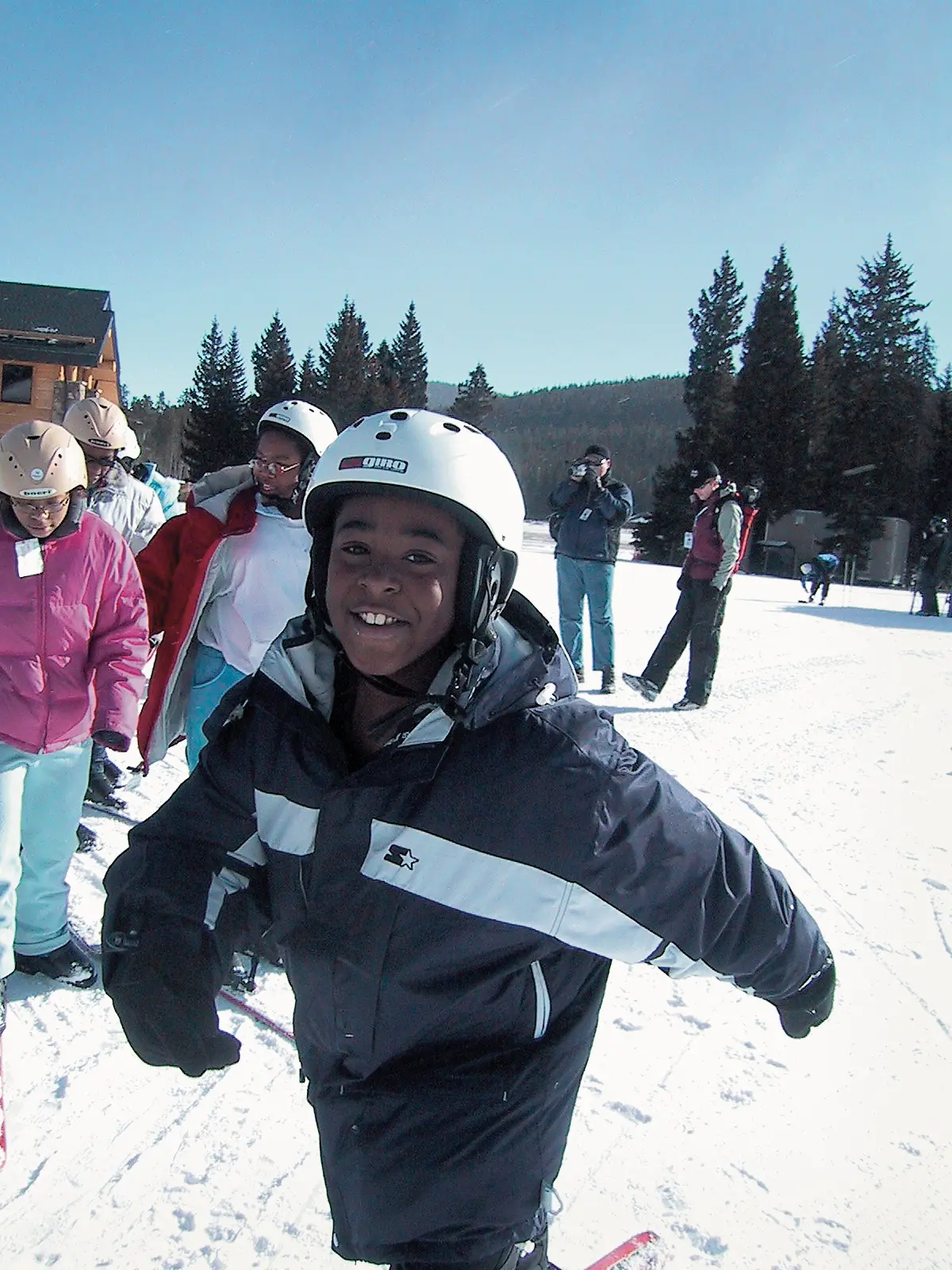
“Ethnic populations are a big part of the potential market,” Spring said. “They just want to be invited. You have to start somewhere, and you have to think pipeline.”
Many resorts understand that if they are to increase visits in the future, they must include these groups. The lessons of Mountain High and others have not gone unnoticed. And many realize that the time to act is now. “There’s been a huge shift on the industry’s part,” Berry said. “We realize that what we do in the next five to eight years will define the business for the next 20.”
Cultivating the Grass Roots
Still, few areas have figured out how to appeal to the ethnic markets.
Roberto Moreno, the spark behind the business meeting in Denver, has an answer: grass roots programs. He has founded the Alpino Group to introduce Hispanic youth to the mountains. He’s currently recruiting major corporations in Denver and Colorado to sponsor trips to the mountains, and he’s encouraging local areas to become more accommodating of people of color. Ultimately, he hopes that his efforts will create a model that can be copied in other states.
Individuals like Moreno can provide a critical link between resorts and their would-be customers. They have the connections to the ethnic communities and can make the invitation.
It’s important to understand just what that invitation is. It’s about more than just learning a new sport—albeit a sport of great thrills. It’s about broadening horizons and experiences for low-income, inner-city youths and inspiring them to buy into the American dream.
“The snow sports adventure can change lives,” Moreno said at the Denver meeting. “It opens possibilities.” And that’s what his program has done. There were several teenagers at the Denver meeting who had gone on Alpino trips, and they were unanimous in describing how amazingly, mind-blowingly, totally awesomely, incredible their experiences had been on the slopes.
Going Public
Hank Lamport is another winter sports crusader. A math teacher at the Martin Luther King Middle School in Denver, he has been taking small groups of students, mostly Hispanics and African-Americans from low-income neighborhoods, to the mountains for years. A recent grant from the Sierra Club Foundation (the Club’s educational charity) has allowed him to vastly expand his program to 500 students this year. Although these students can see the mountains from their school and homes, many of them have never traveled to the mountains. So Lamport considers the ski trips an important part of their education. As Moreno said, it opens possibilities.
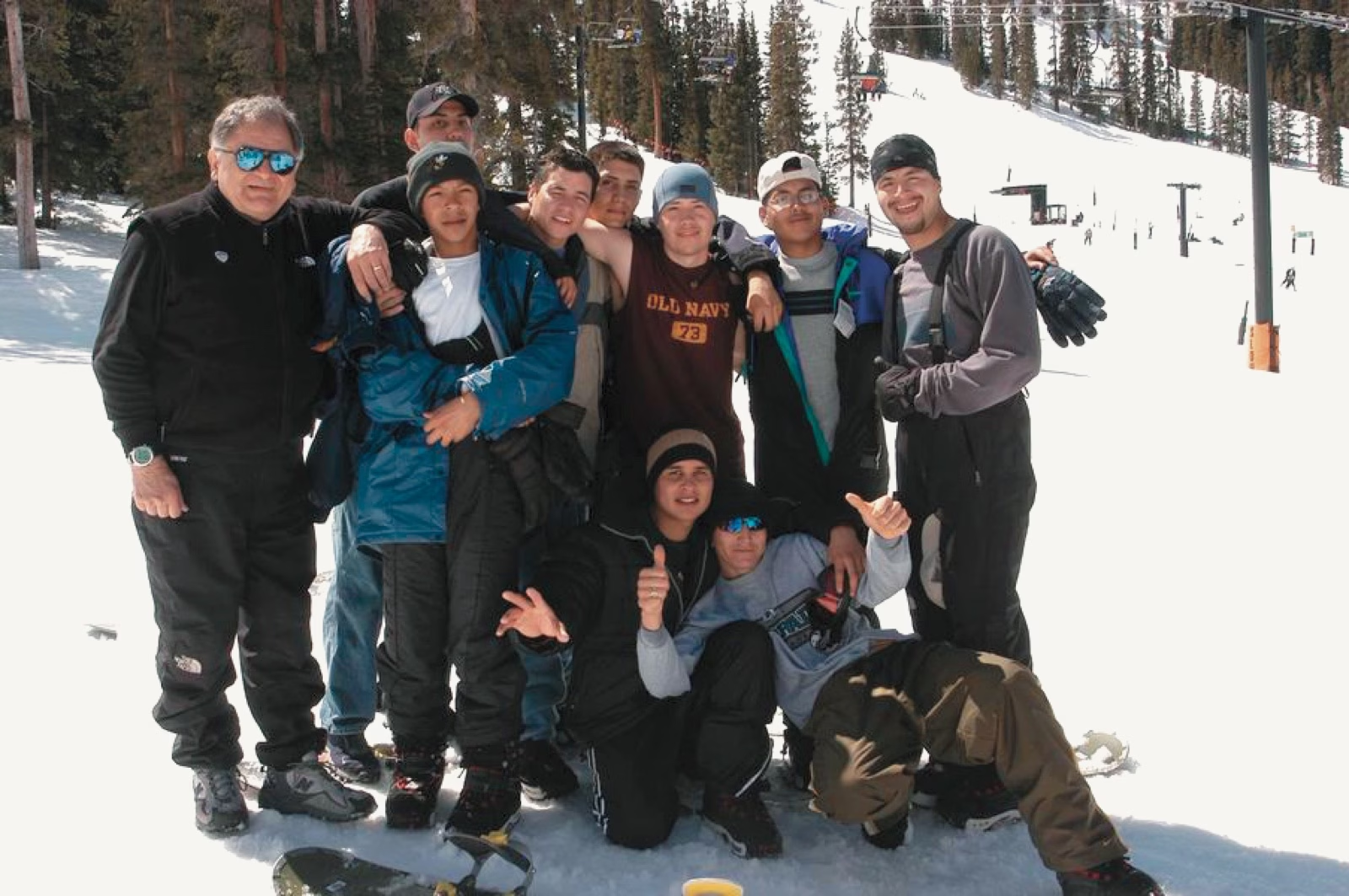
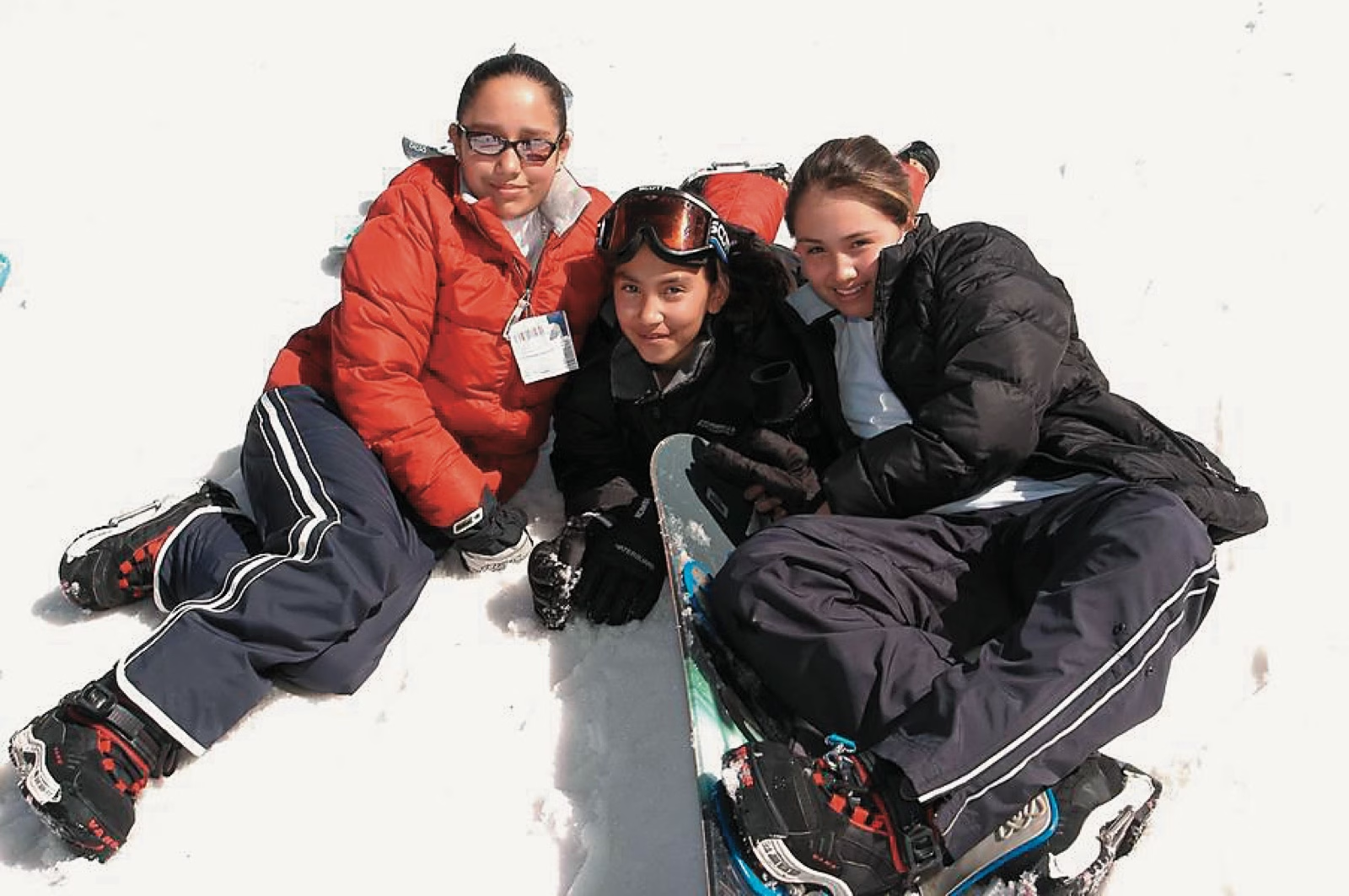
Eldora Mountain Resort is also a key partner. The area provides a $30/day package of lifts, lessons, and rentals for the groups, which number from 50 to 100 on any given day. The program brings each child to the area three times during December and January.
Lamport credits both the Foundation and Eldora for the success of the program. “It wouldn’t have happened without the financial support of the Sierra Club and Eldora,” he said. “The Eldora folks are terrific, they’re really doing all the work.”
Eldora marketing director Rob Linde gives the credit to Lamport. “It’s been done mostly at their initiative, not ours,” he said. The group came to Eldora not through some marketing initiative but through the area’s group sales program.
The Sierra Club might seem at first glance to be an unlikely ally for winter sports, given the tendency of local chapters to oppose ski area expansion plans all across the U.S. But the national organization has always had a more favorable view of the sport, and involvement in winter sports dovetails with the Foundation’s goal—to increase awareness of and involvement in the wilderness. In Denver, the Foundation sponsors school groups on hiking trips in spring and fall, skiing and riding in winter.
The program is administered by a small non-profit organization in Denver. The group arranges the bus rental and schedule and gets individual teachers on board. Their participation is important, because this is a school program. Skiing and riding form the core of an educational field trip, not just an athletic program.
And that, said Linde, is key. “He [Lamport] has broken a barrier,” Linde said. “He has the ability to get kids out of school midweek. And he overcame all the usual liability and funding hurdles.”
And Lamport is just getting started. With funding for transportation, he said, the program could expand to 1,500 kids next year, and 5,000 the year after that.

“You can aim for sizable impact with very modest amounts of money,” he said. “The transportation is the most expensive part of this; I could triple this next year, and make it ten times bigger in two years, without much expense. To grow to 1,500 would cost about $40,000 to $50,000.” Lamport plans to discuss ways to reduce the costs with the Regional Transportation District (RTD).
For 5,000 kids, the transit cost would be about $150,000—equivalent to about two teachers’ salary and benefits, he said.
Lamport believes that the educational benefits justify the expense. “I think you could get the community to buy into it,” he said. “The effect on the kids, the stories they write, it’s powerful stuff.”
Expanding Grass Roots Efforts
For all that Moreno and Lamport have done, they can only do so much. So one of Moreno’s goals is to find other people of color who can serve as role models for ethnic youths: ski instructors, patrollers, management employees at the areas. He’s organizing a group of “pocwobs” (people of color working on boards) to ski together, have fun, and get involved in bringing more people of color to the slopes.
Moreno is encouraging areas to look within their own pocwob staff for ideas as well. And he’s won a convert in Vail president Bill Jensen, one of the first industry leaders Moreno has been able to engage on the issue. Jensen was one of the few resort managers at the meeting in Denver and has provided financial and other support to the Alpino Group.
“I’m going to ask some instructors and other employees at Vail to brainstorm ideas about how we can start to gain awareness and penetrate ethnic groups within Colorado,” he said. “Put them into a task force and work in local markets. These people can make our overture welcoming to people who generally haven’t had an invitation to our sport. Every ski resort can look in-house first for resources that exist within your staff.”
This type of grass roots marketing is the single best way to reach ethnic communities, Jensen believes. “It takes one small step at a time. The industry doesn’t have the resources to target individual market segments,” he said. “This is not going to be, for any ski resort, a targeted marketing campaign. We do shotgun marketing.
“But as part of our industry-wide initiative, it’s possible to work on a grass roots level in those markets,” he said. “Overlay the NSAA focus, with its particular strategic approach, and every resort has to consider ethnic markets in their effort to bring new people to the sports. It needs to be on everyone’s marketing checklist.”
Both Moreno and Jensen believe that areas can make the appeal in other ways, too, such as including people of color in the images that grace websites and brochures.
Moving Forward
All of this suggests that as the U.S. continues to move toward a more multi-cultural future, the mountains should follow.
“Areas have to recognize the changing ethnic mix,” Berry said. “Mountain High has, and has been marketing directly to the Hispanic community. And it has seen results. Areas have to have a group program and communicate to the community organizers—and those organizers have to be receptive.
“Do we have the ability to communicate the broad appeal of the mountains? Snowboarding is very helpful in that regard. The sport is more colorblind than skiing ever was during its period of growth in the 60s and 70s.
“The ski industry is sensitized to ethnic markets. It just needs to become a little more strategic in its efforts. The consciousness is there, in the East and West, and especially in California. As with so many other things, if you want to look to the future, look to Southern California.”
And, as Roberto Moreno and Hank Lamport have proven, to Denver, too.