Come up with a successful business plan for a ski area, and you’re unlikely to choose a relatively small mountain in northwestern Virginia’s Shenandoah Valley that gets an annual snowfall average of just 30 inches. Surround that ski area with a lucrative pool of timeshare units and a dizzying array of year-round recreational activities on 6,500 acres, and all of a sudden the picture gets much, much rosier. Then factor in a market of nine million potential visitors within a three-hour drive, and the plan begins to resemble the formula that Massanutten Resort has used to sustain itself as a perennially popular destination, winter and summer.
Unlike at many resorts that have only recently recognized the importance of real estate to the bottom line, the plan at Massanutten focused on residential lots from the start, with skiing and golf the primary draws. Lots first went on the market in the early 1970s, says Massanutten general manager Steven Showalter, and in the 1972-73 season the ski area debuted. The 18-hole Mountain Greens golf course joined the mix in 1976. Today, the resort hosts 970 private homes, as well as 1,200 timeshare units and 240 hotel rooms.
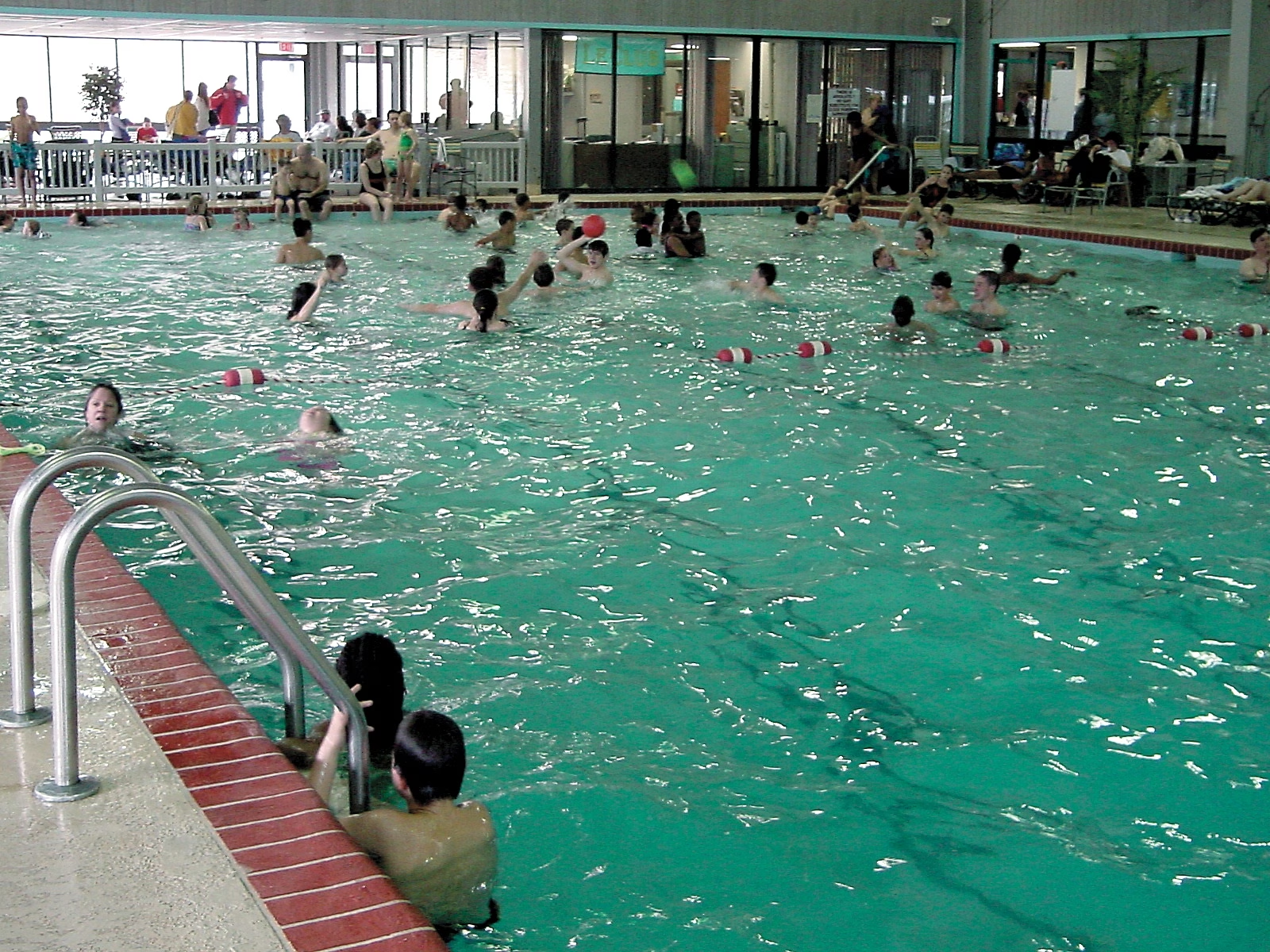
In 1984 the current owners, the Great Eastern Resort Corp., bought the resort and embarked on an ambitious series of major improvements that still continues. First among them was an indoor sports complex, LeClub, that contains an indoor pool, racquetball courts, a regulation-size basketball court, game room, exercise room, saunas, steam rooms, and tanning facilities.
Around this time, too, as the timeshares planned by the previous owners were actually developed and resort amenities were rounded out, the balance of visitors shifted to the summertime. “More people can take off in summer than winter,” posits Showalter. “We’re busiest in the summer, but we are getting busier in the winter,” he adds. “But people here are very sensitive to the weather. Here, ‘pretty good’ [weather] doesn’t bring a whole lot of people out.”
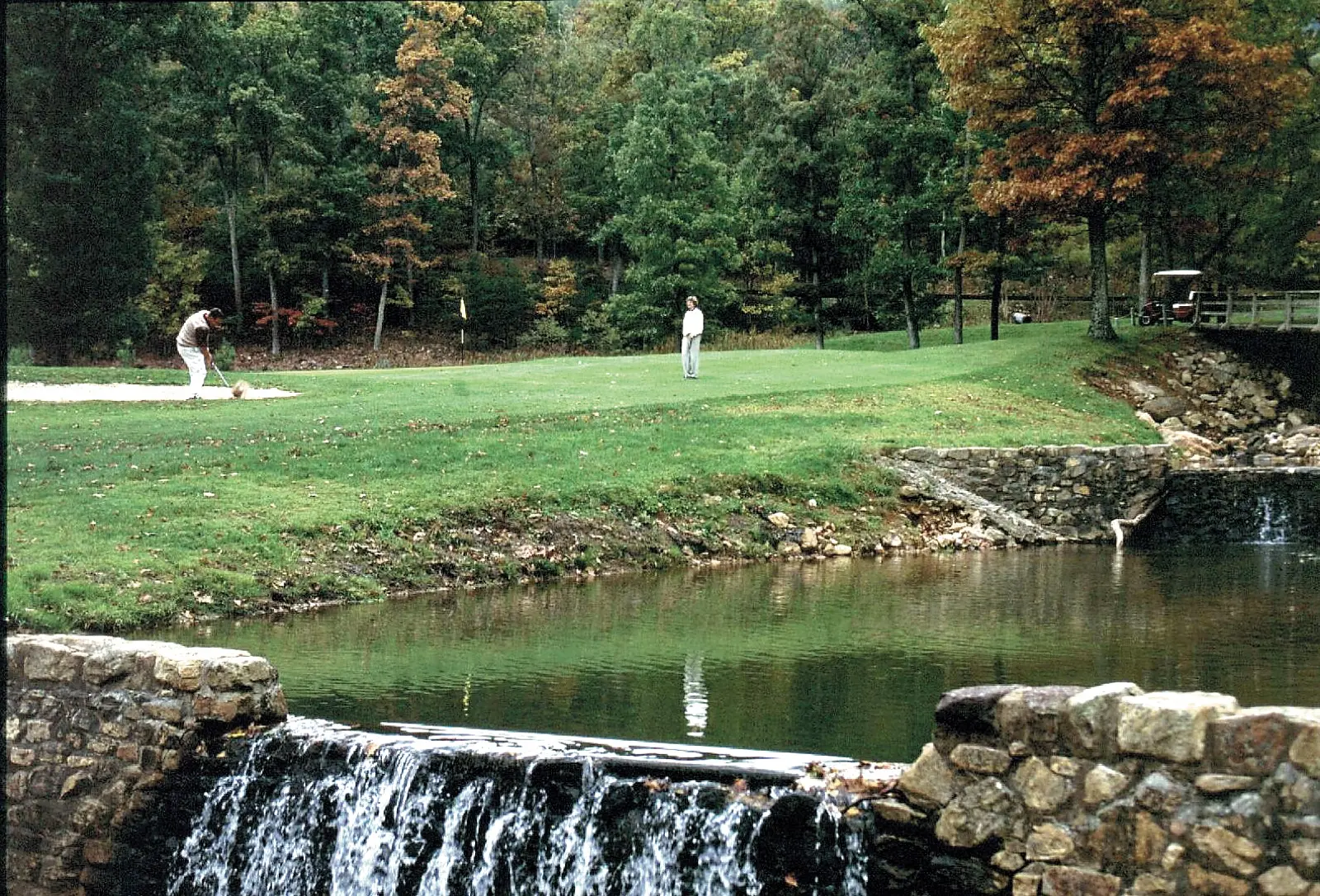
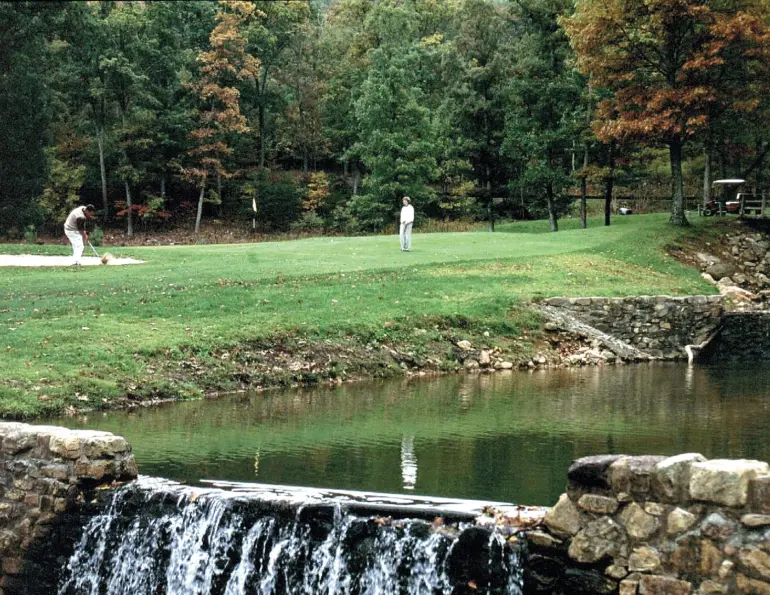
A second indoor sports complex was built in 1998; it includes a full-service spa and children’s recreational center. Another golf course, Woodstone Meadows, was also constructed, with nine holes. A second nine were added in spring 2002.
Massanutten was way ahead of the curve in another realm, too: they realized that many vacationers desire a destination that offers multiple activities—not just skiing or golf—and responded to that need. “We try to be a four-season resort,” says Showalter. And so, from the change in ownership in the mid-1980s to the present, an extensive menu of recreational opportunities has been developed, many of which can be enjoyed year-round. Swim in one of the resort’s five pools. Mountain bike on 30 miles of maintained singletrack. Canoe or kayak on the South Fork of the Shenandoah River. Angle for rainbow trout in one of two stocked fishing ponds. Throw ollies in the skate park. Visit the horse stables. Putt on one of two “championship” minigolf courses—“they’re really, really nice,” says Showalter. “Very visually appealing.” Or choose from a daily offering of workshops and activities that run the gamut from winemakers’ dinners, swing dancing and bingo to yoga, wildflower remedy creations and candlemaking. When Massanutten’s website promises something for everyone, it’s not just marketing hype.
In spite of the range (or perhaps because of it), the classes, which are open only to overnight guests, are immensely popular. “If you don’t sign up at the first of the week, you don’t get in,” notes Showalter.
Though the ski area has been eclipsed by the sheer breadth of other activities at Massanutten, it’s far from an afterthought, drawing an average of 140,000 skier visits during a season that typically runs from mid-December to mid-March. With 1,110 feet of vertical and 14 trails on 70 acres, the terrain offered is respectable for a mid-Atlantic area. (“Massanutten” is a Native American word for “great mountain yonder.”) All of the trails are lit for night skiing. And, in another example of forward thinking, Massanutten has operated a terrain park since 1992.
“The luxury that we’ve had with the bed space and the timeshares drives a lot of our business,” says mountain manager Mike Mueller. “It’s been able to cushion us from the impact the weather has here.”
Since each timeshare owner buys in week-long increments, Massanutten also benefits from more midweek skiers than do many other ski areas. “Most resorts are always figuring out how to generate midweek business,” notes Showalter. “We actually have midweek business [in winter]. We have 3,000 people here midweek sometimes.”
It also helps that nearby Harrisonburg is home to James Madison University, a private four-year institution with a student body of 15,000. Specials readily draw students to the slopes. For example, on Wednesdays and Fridays, college students pay just $29 for a lift ticket and rental package.
Needless to say, Massanutten makes a lot of snow for its slopes and just invested $250,000 in upgrading its snowmaking system. Other improvements for this season included replacing a double with the ski area’s second quad and making some renovations in the base lodge. (The resort now has two quads, two doubles, and three surface lifts.)

In addition to skiing and riding, Massanutten relies on its snow tubing park to draw guests to the ski area. The tubing park racks up about 60,000 visits each season, and it’s carefully managed. Six two-hour sessions are offered daily, with a cap of 200 tubers per session. “We want to try to make sure that our guests can get eight or nine runs,” says Showalter of the cap. “They feel slighted if they get less than seven.”
The tube park’s success has spawned Massanutten’s latest planned endeavor, a 110,000-square-foot indoor/outdoor water park, for which the resort hopes to break ground in spring 2004, pending final approval by the county planning commission. Showalter says that information-gathering visits he and other managers took to hotel and water park resorts in Wisconsin also helped finalize the concept. “You have to stay at the hotel to use the water park, and the hotel is always full,” he says.
As with tubing, water park tickets will likely be presold to owners at Massanutten, and expectations are high. “The tube park was so immediately successful,” Showalter says. “We just know that the water park will be immediately successful too.”
More so than to attract day visitors, Massanutten’s wide-ranging amenities were, and are, created as value enhancers for current and potential timeshare owners. And, over the past 30 years, the resort has succeeded in establishing a unique profile for itself. “No one in our area provides anything [like we do],” notes Showalter. “You’d have to go to Florida to do as many things as you could do here. The Homestead, in western Virginia, has some things, but it’s a five-star resort. We [cater to] a different price clientele.”
The typical Massanutten clients, as Showalter describes them, are upper-middle-class, two-children families with disposable income who live in the Washington, D.C., or Richmond metro areas. Both parents work and are often government employees.
Though Massanutten doesn’t do any international marketing, foreign visitors also frequent the resort, given its proximity to the tourist attractions of D.C. and an affiliation with RCI, which offers timeshare trades worldwide.
According to Showalter, most of the private homes at Massanutten, which served mainly as weekend getaways when the resort was started, are now year-round residences. The resort is 11 miles east of Harrisonburg; in addition to the university, the town and its environs include a large Coors bottling plant, an RR Donnelley printing house location, and numerous turkey and chicken processing plants. Many upper-level staffers from all of these businesses live at Massanutten. The resort itself employs an astounding 450 workers year-round (many of them in the housekeeping department), with another 450 added for the winter, though there is no on-site employee housing.
So that leaves the timeshare units as the primary source of destination visitors, and Massanutten continually tries to grow sales, in part through an aggressive in-house marketing department that sells additional weeks to current owners. Meanwhile, the rest of the staff is busy making sure that a Massanutten experience leaves a guest wanting more of the same. “We’re constantly doing things to make our mountain guests and owners feel like they’re having a good time,” comments Showalter. “You can’t sell them another week if they’re not happy with their own week.”
In support of the Massanutten model, consider that fractional ownership, timeshares’ sibling, has become one of the hottest trends in ski area real estate over the past several years. (“One of the most evolving and profitable sectors in the hospitality and leisure industry,” according to a report by PricewaterhouseCoopers.) As other resorts in North America consider how to boost year-round business and increase guest retention rates, they might just want to look to a small ski area in Virginia for inspiration.