


The evidence is clear: Visits to mountain resorts are increasingly becoming less about having the ultimate vacation on the slopes and more about spending time in the mountains. And while it’s been well documented that skier visits have stagnated for the last 10 years, overall summer visits to many mountain resorts are on the rise. In fact, at many destinations like Whistler/Blackcomb, B.C., Tremblant, Quebec, and Stowe and Smugglers’ Notch in Vermont, summer visitors are outnumbering their winter counterparts. This shift in seasons presents significant real estate and retailing opportunities that have historically been overlooked. As resorts try to embrace such opportunities, the question becomes, whose retail will succeed and why?
According to both domestic and international guests, dining and shopping are among the top three activities at many ski resorts in both winter and summer. In fact, the Travel Industry of America, Tourism Works for America Council and the Canadian Tourism Commission all agree that shopping ranks as the number-one activity for resort visitors regardless of the season. While not typically the primary reason for choosing a tourist destination, shopping provides an alternate venue to socialize, watch people, compare adventures, find entertainment and become educated on new products and activities.
A neglected resort amenity
Even among many traditional, integrated, master-planned resort communities in places like Florida, Hawaii and Arizona, retail was often treated as an afterthought. The exception has been Disney, and even at those properties retail is continually undergoing refinement. Now however, several destination resorts are repositioning their retail offerings and important lessons can be learned from them without copying the Disney standard or creating a mall-type experience. Mistakes of the past include such things as the haphazard choice of retail locations, poor visibility to passing pedestrians and random mixes of tenants and the types of retail they sell.
But before outlining some of the avenues to retail success, it’s important to note what ski and snowboard resort operators—both large and small—think about the subject. A recent survey of 50 North American resorts (with and without retail areas) conducted for this article shows retail is also a neglected aspect of ski and snowboard areas, even though operators identified why it should be considered an important component:
- It is an integral part of the visitor and resident experience.
- It is a source of revenue with the potential to match and, in some cases, exceed lift-ticket revenues.
- It acts as a central meeting place for people before, after and even during leisure pursuits.
- It can provide an excellent location to establish a real estate sales office to intercept traffic and acts as an additional incentive to buy real estate by rounding out existing amenities.
- It keeps visitors at the resort longer.
- If properly designed, it sets the resort apart from other mountain and non-mountain resort destinations.
How much retail space?
The survey showed no clear relationship between the amount of retail space at a resort and its skier visit numbers, capacity or the number of condo and hotel units surrounding the mountain. In the past, the assumption was that these factors should determine space dedicated to retail, but early numbers from retail projects developed or repositioned by the likes of Vail Resorts, Intrawest, American Skiing Co. and Booth Creek Resorts have shown that guest and resident dynamics should also be taken into account.
One example is the River Run village at the base of Keystone, Colo. Originally developed to maintain a small scale, it was expanded to include a mix of residential and retail. Unfortunately, pedestrian traffic followed a couple of natural main routes between lifts and the parking lot, ignoring other avenues in the village where retailers were located. As a result, overall earnings began to falter. An argument can be made that the retail expansion of River Run was too big and proceeded too quickly as its initial space approached 200,000 square feet. Vail Resorts, which took over operation of River Run from Intrawest, has been redesigning space, to redirect more traffic to other areas.
Though some sales experts insist that at least 100,000 square feet is required to create a vibrant retail village, many examples of smaller retail projects and individual stores refute this claim and prove that paying careful attention to choosing specific types of retail for each space, controlling merchandising and carefully placing key tenants is more important than size when creating vibrant retail. While there is no simple way to determine the proper scale for retail (copying the size of successful retail at a similarly sized resort is not the answer), the space should fit the need. Smart designing of such space starts with determining projected expenditures, expected visitor numbers, requirements of potential tenants, requirements of the resort operator and projected potential growth, among others.
Sundance, Utah, has a very small retail operation in the form of a deli-cafe and a general store that sells jewelry, clothing and other items. It is anchored by a bar at one end and the resort’s restaurant. An Old West theme is created through merchandise, the rough-hewn wood architecture and the Owl Bar. It is on the smallest end of the retail village scale, but counts success in sales and leaves a lasting impression on visitors with its “historic” nature.
Shopping as an event
Given its captive market appeal and attraction as a leisure setting, mountain resort retailing should be at the pinnacle of retailing experiences. By creating memorable experiences and connecting to the customer, great success can be achieved. It should be easy to make that connection at mountain resorts where guests share outdoor activities with others. Operators who provide merchandise reflecting these shared experiences in a unique setting become retail leaders. One of these leaders is Tremblant, and while most North American resorts will never be able to justify such a village, smaller, non-destination ski areas can create exciting and profitable retail opportunities by incorporating some of the elements described below.
On a large scale, the planned setting of Tremblant’s village, where the cabriolet lift provides visitors with a bird’s-eye view of the animated shops, restaurants, miniature golf course and family aquapark, contains numerous aspects of this so-called experiential retailing. At street level, stores and cafes are deliberately located, marked with animated, artfully rendered signs, interesting storefronts, music, a variety of merchandise and pleasant smells to lure shoppers inside.

Intrawest realized it would need to embrace more market-driven merchandising strategies and couldn’t simply rely on sheer numbers of visitors for Tremblant’s village to be successful. The critical factors Intrawest looked at should be examined by any resort that wants a successful retail presence, regardless of its size. They include:
- The quantity and type of clientele (e.g., destination vs. day visitors, residents, conference attendees, etc.)
- Spending patterns and lengths of stay
- Activity cycle, time of day and week
- Seasonality
- Cultural affinity
- Type of merchandise mix and pricing
- Leased or owned retail space
- Accessibility, visibility and location
- Proximity to competitive offerings
- Design and ambience
According to Intrawest officials, sales by their “casted” retail tenants—those they have worked with closely to determine the types of experiences customers will take away—have steadily increased during the last five years with average annual sales well over $500 CDN (about $325 US) per square foot with some exceeding $1,000. That number is on a par with the most successful shopping centers in North America, and yet Intrawest is continually refining its retail model. Similarly, Vail Resorts has seen retail and restaurant sales at Beaver Creek almost double during the last three years since the reinvention and expansion of its village. The redesign emphasized the entire visitor experience and anchored it with a world-class skating rink as well as an arts and performance center.
The success stories show that stores at most multi-season destinations can and should offer more than just ski and snowboard items, sporting goods or souvenirs and logo merchandise. By offering the right mix (e.g., gourmet coffee, toys or specialty foods) in interesting settings, most mountain resorts can increase visitor satisfaction while getting guests to spend more money. One way to look at this type of retailing is to view the village or individual store as a stage that uses merchandise as props to engage the consumer—to touch customers in personal, memorable ways.
Some keys to success
To create this type of profitable retail setting, an overall theme should be developed. Typically, the most successful examples target our five senses using interesting and pleasing visuals, comfortable surroundings that allow us to touch and handle unique merchandise to see how it works and how well it is made, acoustics from music to sound-absorbing spaces that are easy on the ears and pleasant aromas and flavors using baked goods or samples of cheeses, sauces and jams.
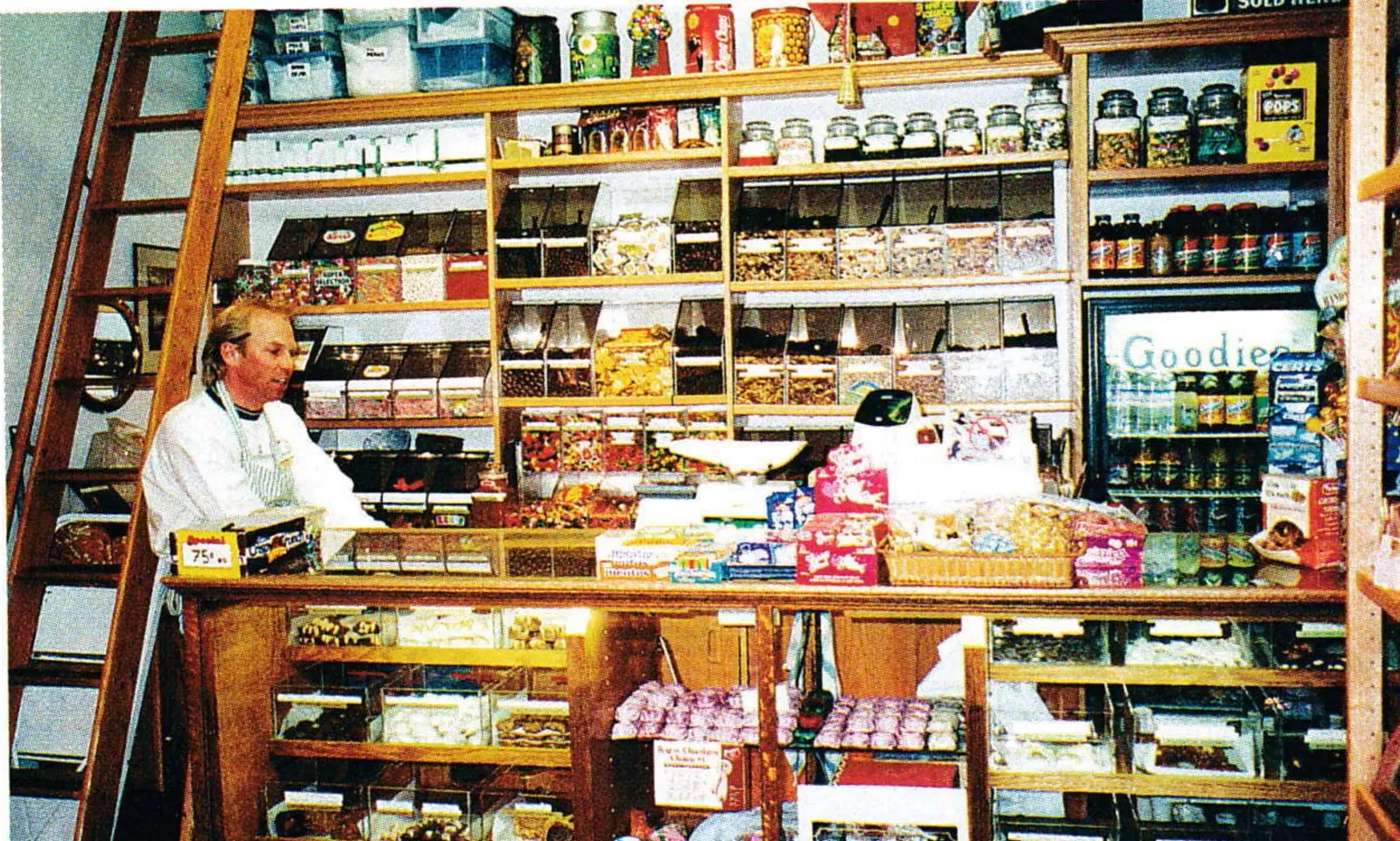
One excellent example is the Vermont Country Store located in the small village of Weston 10 miles south of Okemo Mountain, Vt. It provides a nostalgic retailing experience by appealing to the senses using old-fashioned signage, candy displays, a potbelly stove, samples of treats, interpretative displays and comfortable seating areas. The store encourages people to spend time wandering or sitting down and soaking up the ambience, which translates into higher sales. This relatively isolated store and the adjacent Weston General Store have turned the village into a significant tourist attraction.
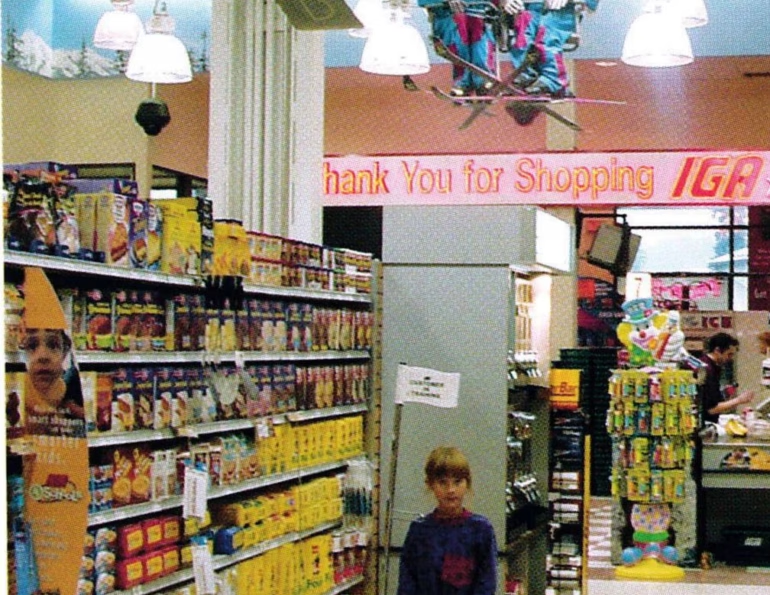
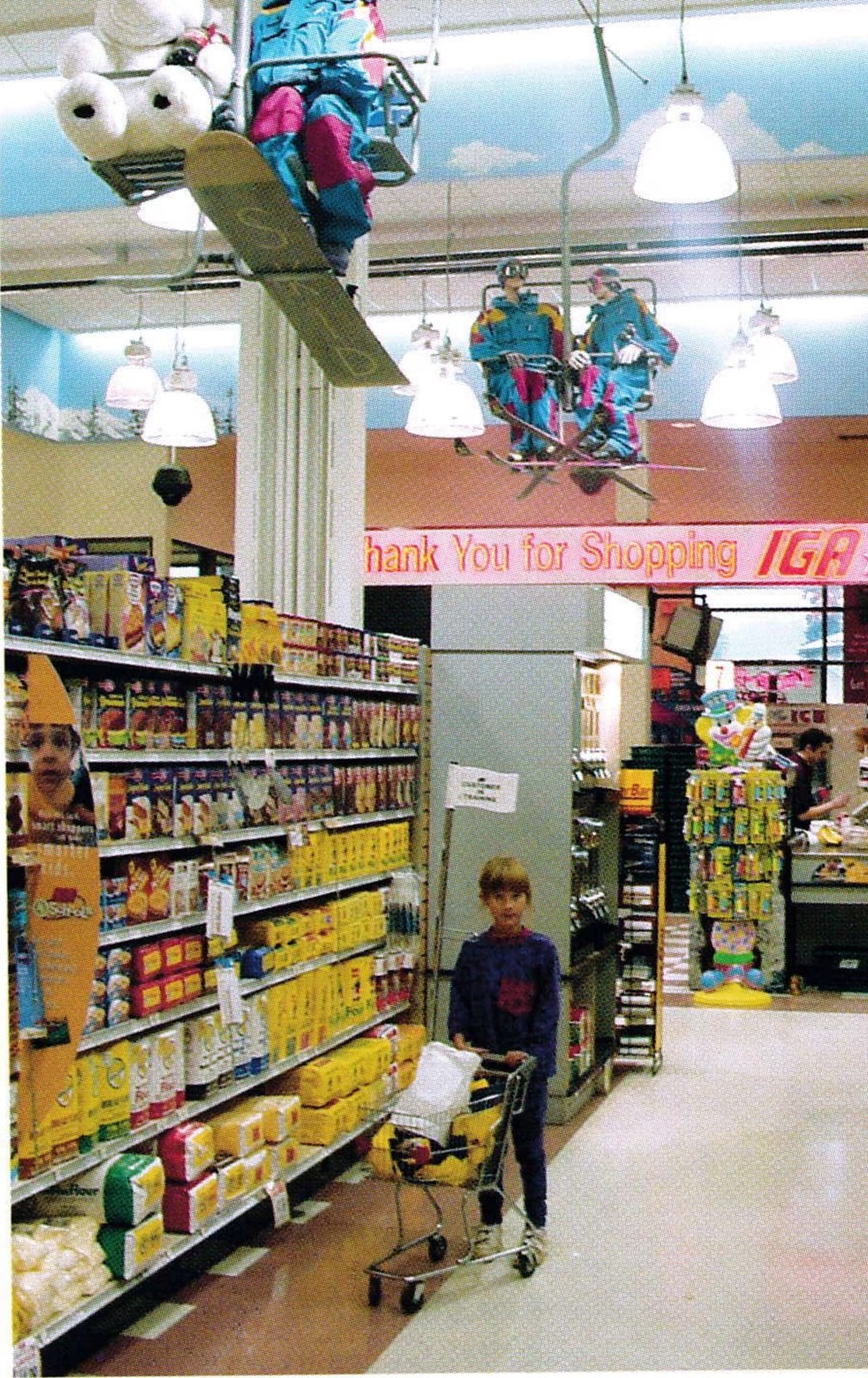
Opportunities to create more participatory and “edu-tainment” experiences like the ones mentioned are numerous in most resort settings. The real advantage at resorts is that there is no need to construct expensive stages like climbing walls, bike trails, putting greens, small fishing ponds and other interior “outdoor” settings to showcase merchandise. But some indoor redesigning is still important. One of the best examples is the Whistler/Blackcomb IGA. The market has surpassed all financial projections by making the traditionally mundane chore of grocery shopping entertaining and unique. Not only is there a mountaintop mural painted around the upper fringes of the store, but a number of chairs from an old double lift holding mannequins dressed to ski and snowboard are suspended from the ceiling. In addition to that, the managing grocer has elected to entice shoppers with the ever-present aromas of freshly baked goods and provides miniature shopping carts for children.
Whatever the approach, whatever the scale, with some careful planning there are opportunities to be both creative and profitable in retail while catering to today’s customers.
Mick Matheusik is a development and management consultant specializing in retail.

