



One of the side benefits of trade association meetings such as the recent NSAA convention at Great Gorge is that they attract experts in various technologies. It becomes a forum for the interchange of ideas and information, but often in small groups, and often the exchange deserves far wider dissemination. SAM’s Idea File Editor, Nils Erickson, P. E. spotted an opportunity put together four top men in the wire rope industry and lead a discussion that would be valuable to many ski area personnel. Participants were Al Ziegler, P. E., wire rope inspector; Walt Harmon, Bethlehem Steel; Aaron Whitlock, Paulsen-Webber; and Bill Alsup, certified splicer and lift supplier. Questions and summaries are Nils Erickson’s.
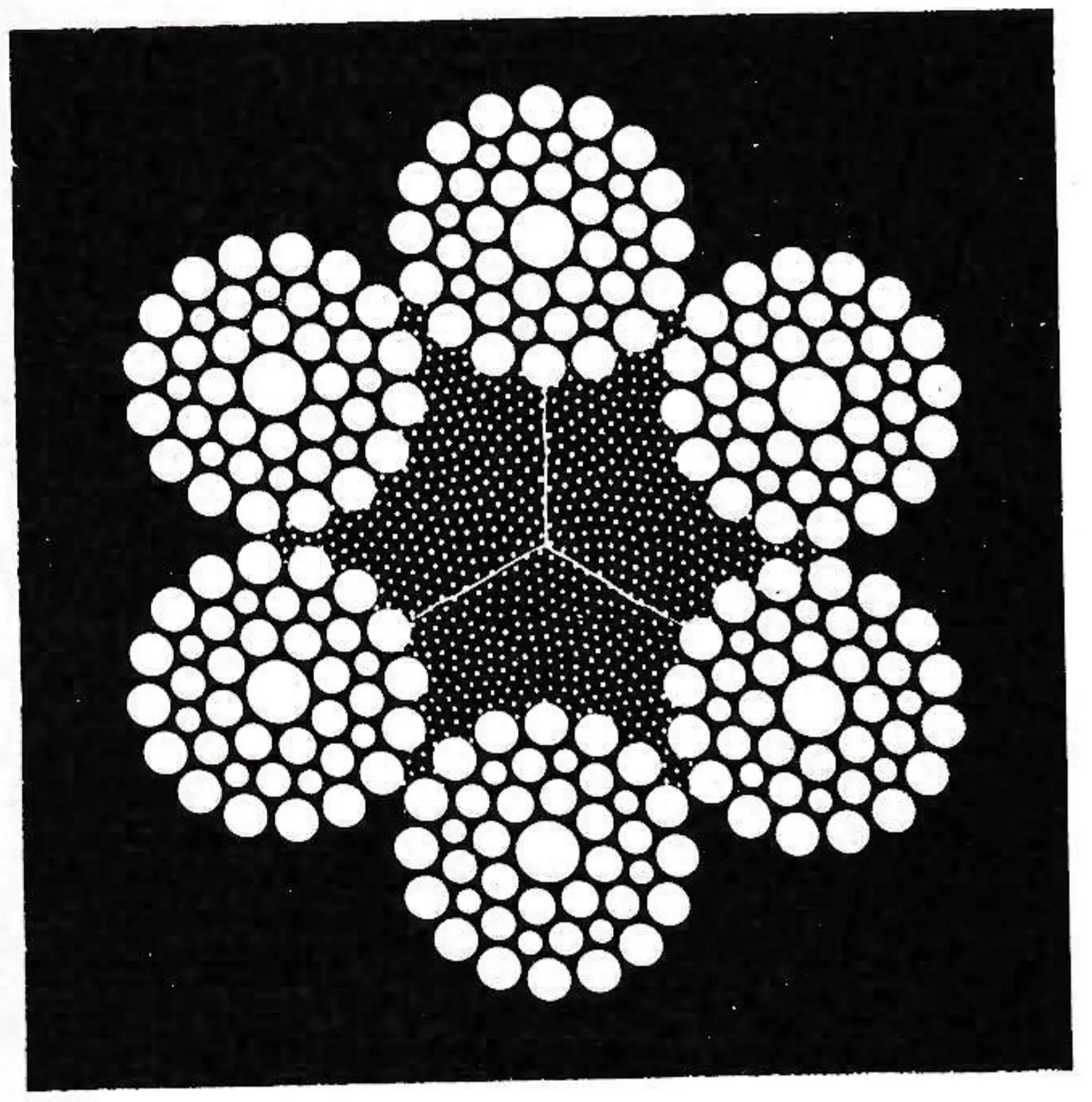
Question: How do you feel about polypropylene cores in wire rope?
Al: Wickwire was first to use poly core in 1961.
Whit: I’m in favor of them. There were some past troubles due to using the same size poly core as Manilla. We use them all the time, successfully. No wetting problems as with fiber and the core is uniform.
Walt: We make both and will supply either one. Strictly a matter of preference.
Whit: Same here.
Al: A poly core can be manufactured more uniformly than a fiber type.
Bill: Splicing with poly core causes some minor problems due to “brooming.”
Walt: I lean toward natural fiber only due to experience with elevator rope, although the core is not a problem if the rope is properly maintained. Poly core reaches operating dis. faster but this is not a detriment.
Al: What about improperly maintained rope?
Bill: I have seen some powdery poly and sisal while splicing due to apparent lack of lubrication.
Walt: The type of core has little effect on the wire rope.
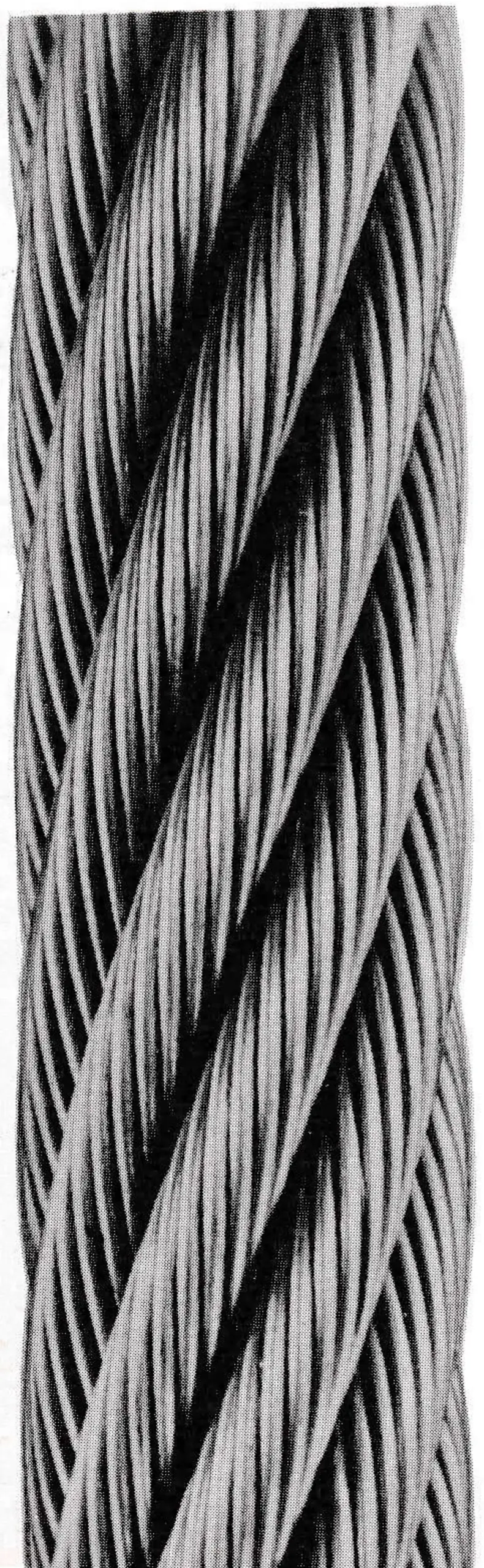
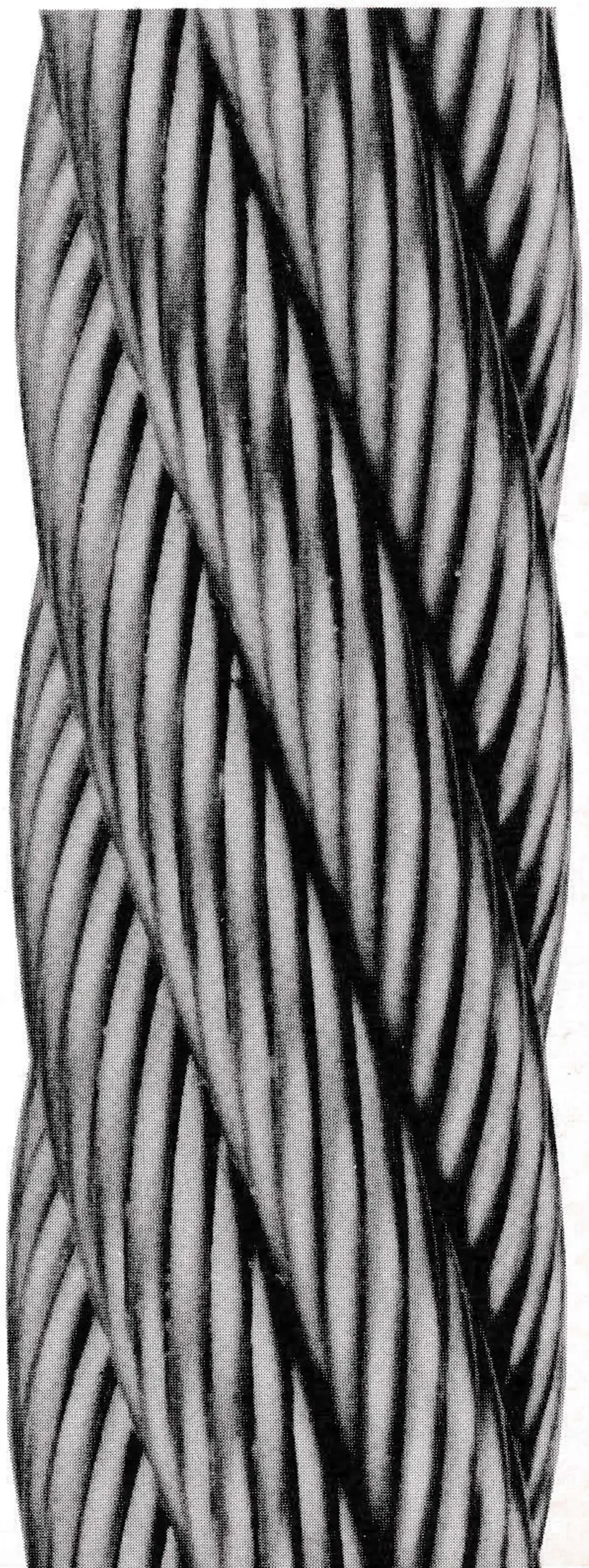
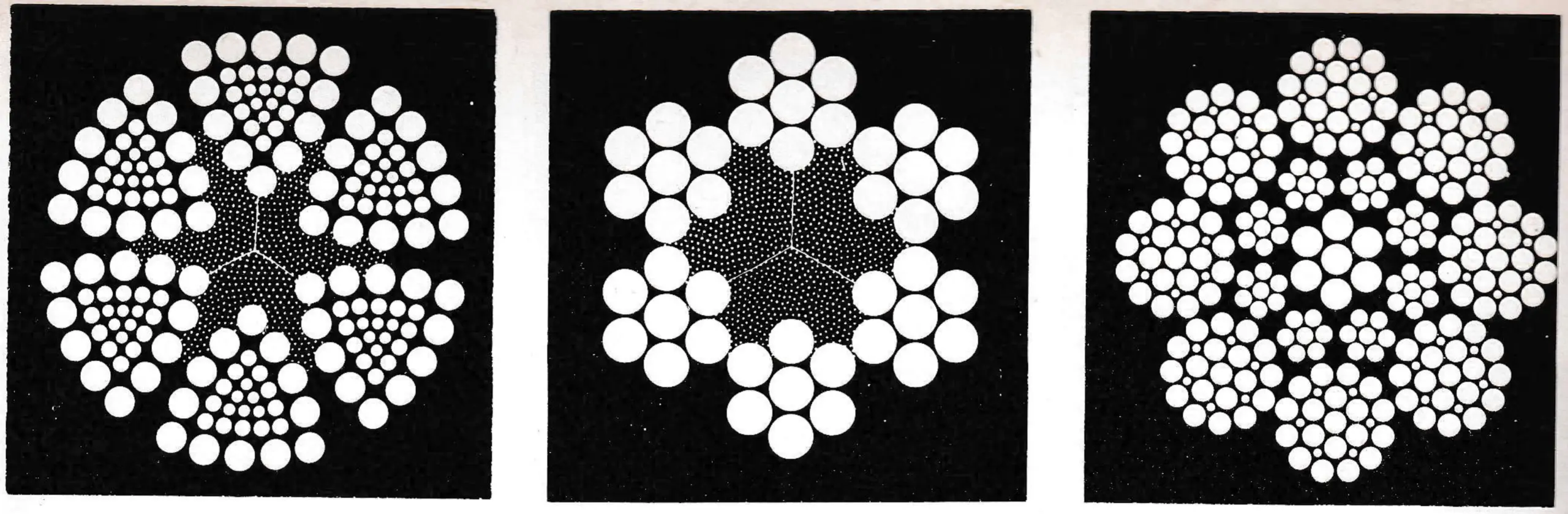
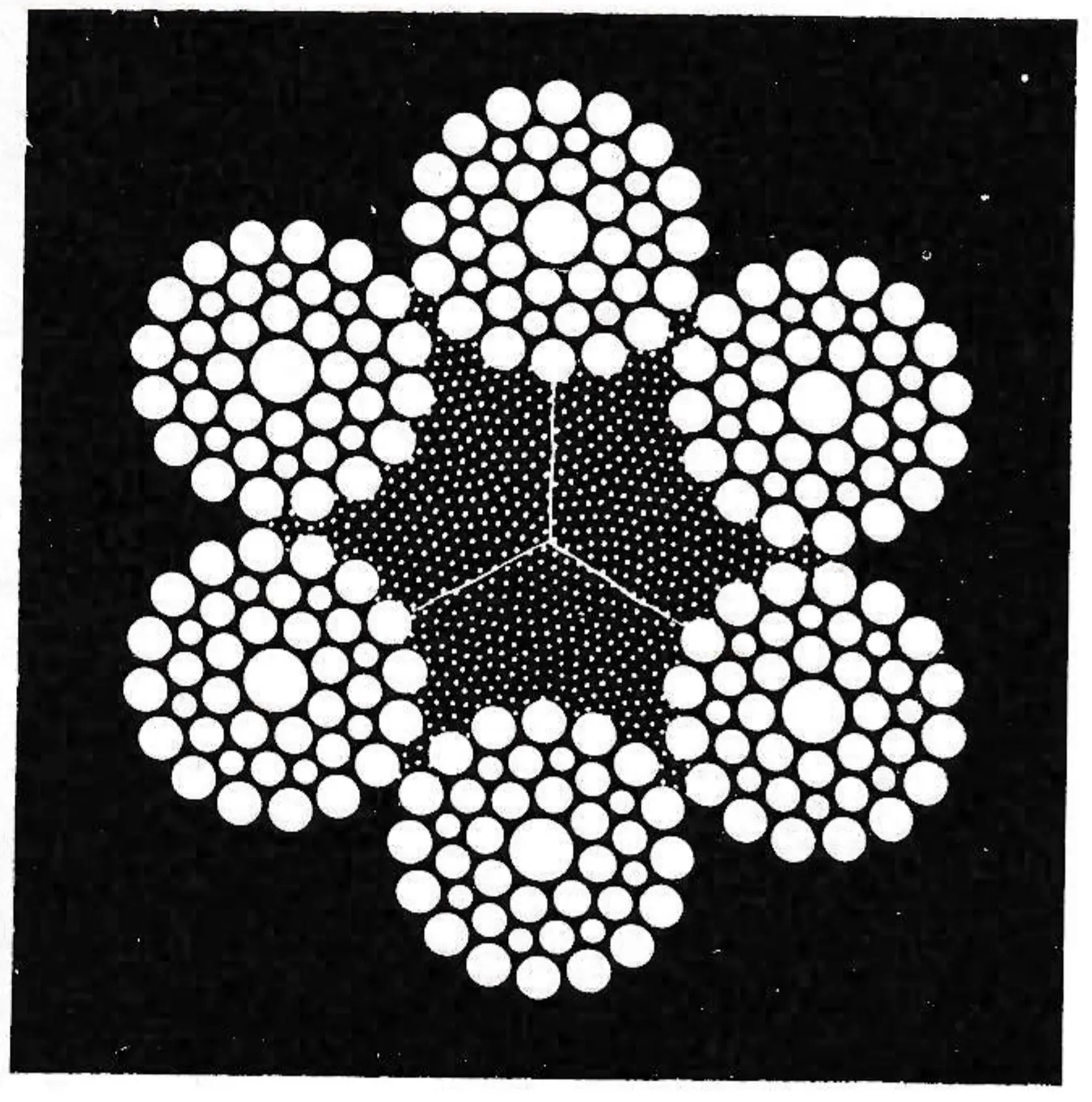
Note: All illustrations on these three pages are courtesy of Bethlehem Steel, one of the principal suppliers of wire rope to the ski industry.

Question: What is the best lubricant for wire rope?
Walt: The type is a function of what the supplier wants.
Al: There is no ideal lubricant.
Walt: However, you should use a lubricant that does not have a hydrocarbon base.
Whit: It’s just terrible what mineral type oil does to some liners.
Al: Linseed oil is no good either. It prevents good future penetration of lubricants.
Whit: I believe if a petroleum type is used it wiql affect natural rubber liners and cause them to wear more rapidly. This material will eventually fall on customers.
Al: A black “muck” fills valleys in the rope and hinders further lubrication. Mt. Mansfield has a Swiss wire rope cleaner to remove such excess.
Bill: Little pieces are like hard rubber.
Whit: ‘Vitalife’ contains a detergent to assist in cleaning the rope. I believe Wildcat also had some type of cable cleaning device.
Al: Dust from parking lot builds on ropes also.
Whit: Yes, analysis of “build-up” indicates 90 percent dirt in some cases.
Al: Are linseed soil and castor oil compatable?
Whit: Yes. Incidentally, one lift supplier even used oil base paint to seal the rope, many years ago.
Bill: Is there any effect on polyurethene liners from hydrocarbon oils?
Whit: Not sure — some question apparently.
Bill: There is a definite effect on neoprene
All: Yes
Al: I don’t feel there is enough data in this area.
All: Agree
Conclusion: It was felt that as far as the wire rope is concerned, almost any lubricant can be used, even old crank case oil, just as long as it is well lubricated. But the real problem comes when lubricant is incompatible with the sheave liners. And because of this it was felt that only vegetable-type oils should be used unless lift supplier recommends otherwise. Although there are new mineral oil-type lubricants on the market, insufficient use data is available to form conclusions or recommendations.
Question: What do you suggest for rates of application?

Bill: General practice — 5 gallons for 6000 feet of 1⅛” rope — two applications.
Al: Apply some in the spring, but saturate in the summer (hot) and run all day long if possible.
Bill: Use slow application, several revolutions of cable.
Walt: This allows lubricant to get down into core.
Al: Use auxiliary engine when available.
All: Use a sufficient quantity — better to have more than not enough. There is no set rate.
Conclusion: Operate all lifts during the off season, for benefit of all parts; if possible once a month. Better to lube too much then not enough
Question: How often should a wire rope be inspected and by whom?
Whit: That’s a good question.
Walt: Once a month at least, by the area.
Al: Maintenance people of the area are responsible for this duty.
Bill: A close visual inspection is very important.
Whit: If maintenance people see anything out of the ordinary, they should contact a wire rope specialist.
Al: Should all tucks be marked on a rope?
All: Not a bad idea — especially due to chair grip corkscrewing.
Al: Make a mark 20 feet ahead of the splice so as not to draw attention of the public.
Whit: Why do grips move anyway? It seems that compression towers might cause movement.
Al: Also the bullwheel.
Bill: Rope twist is the big cause.
Al: The force is considerable between the edge of grip and rope wries.
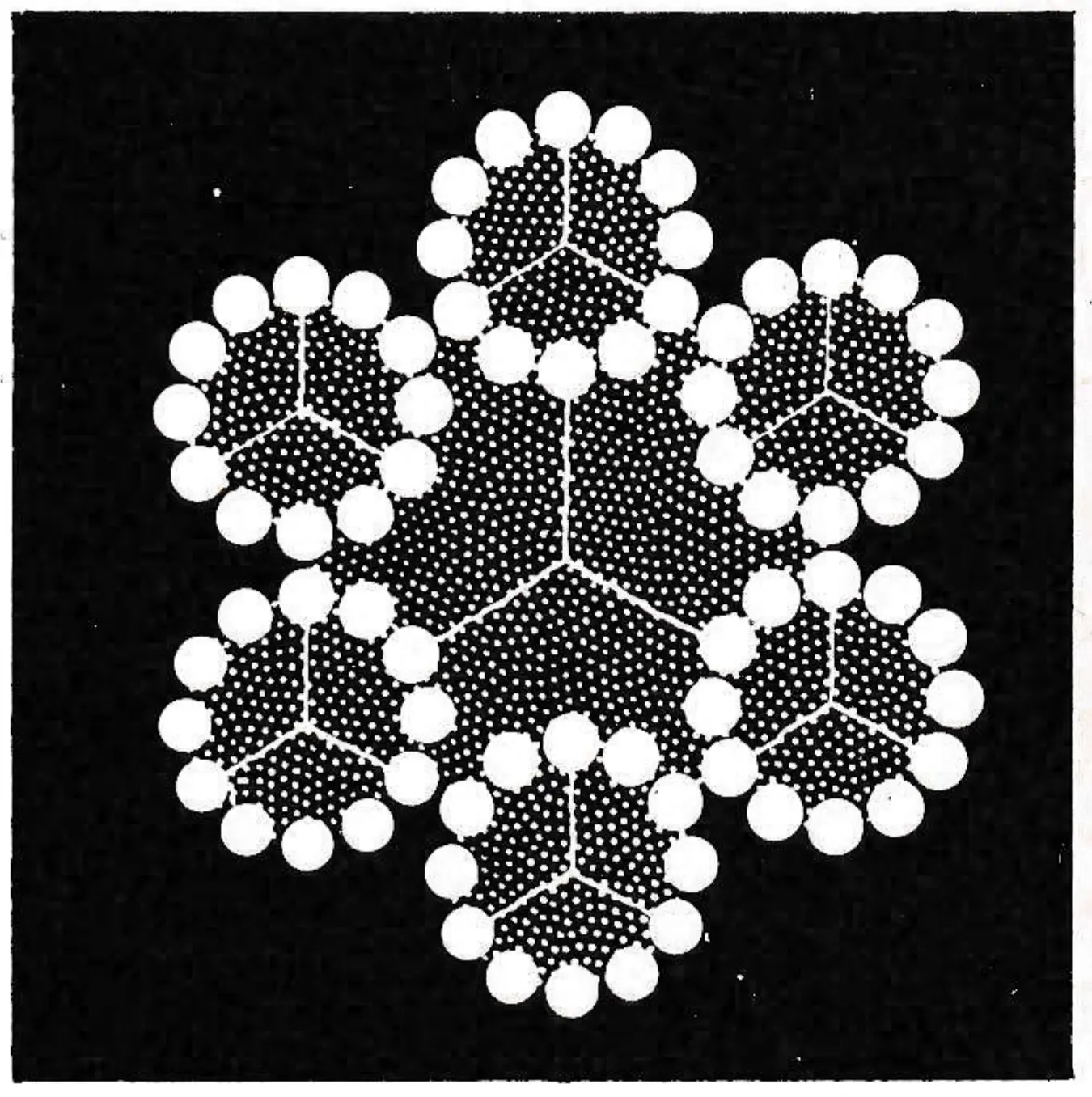
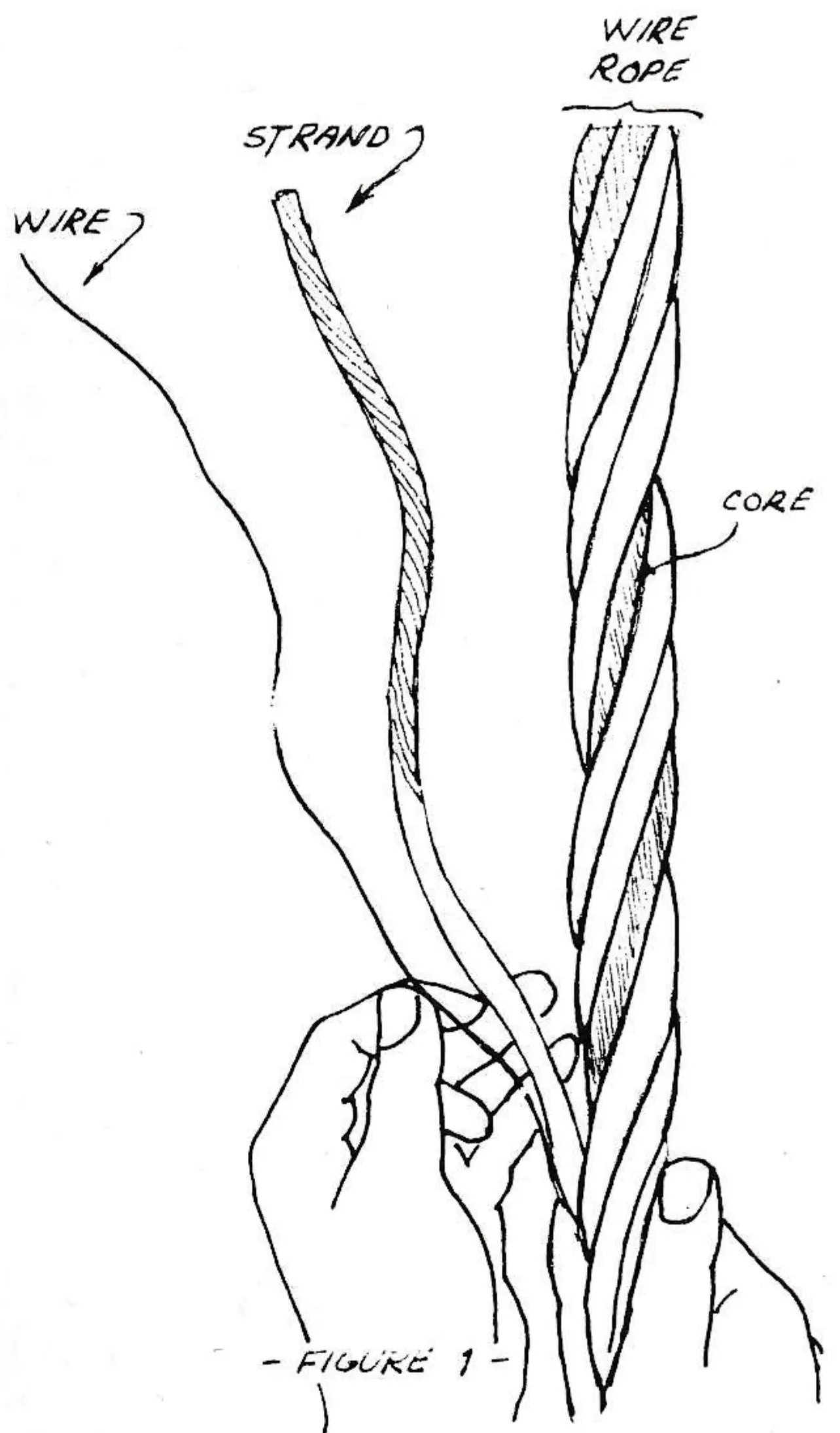
All: Better define what a wire and strand are. (See Figure 1)
Walt: They break right at edge of jaw.
Bill: That’s right.
Al: Some have broken directly under the grip.
Bill: That’s why it’s most important to move all grips approximately 3 feet annually.
Whit: What are the predominant reasons for retiring a rope?
Walt: Chunge in diameter and lack of lubrication.