


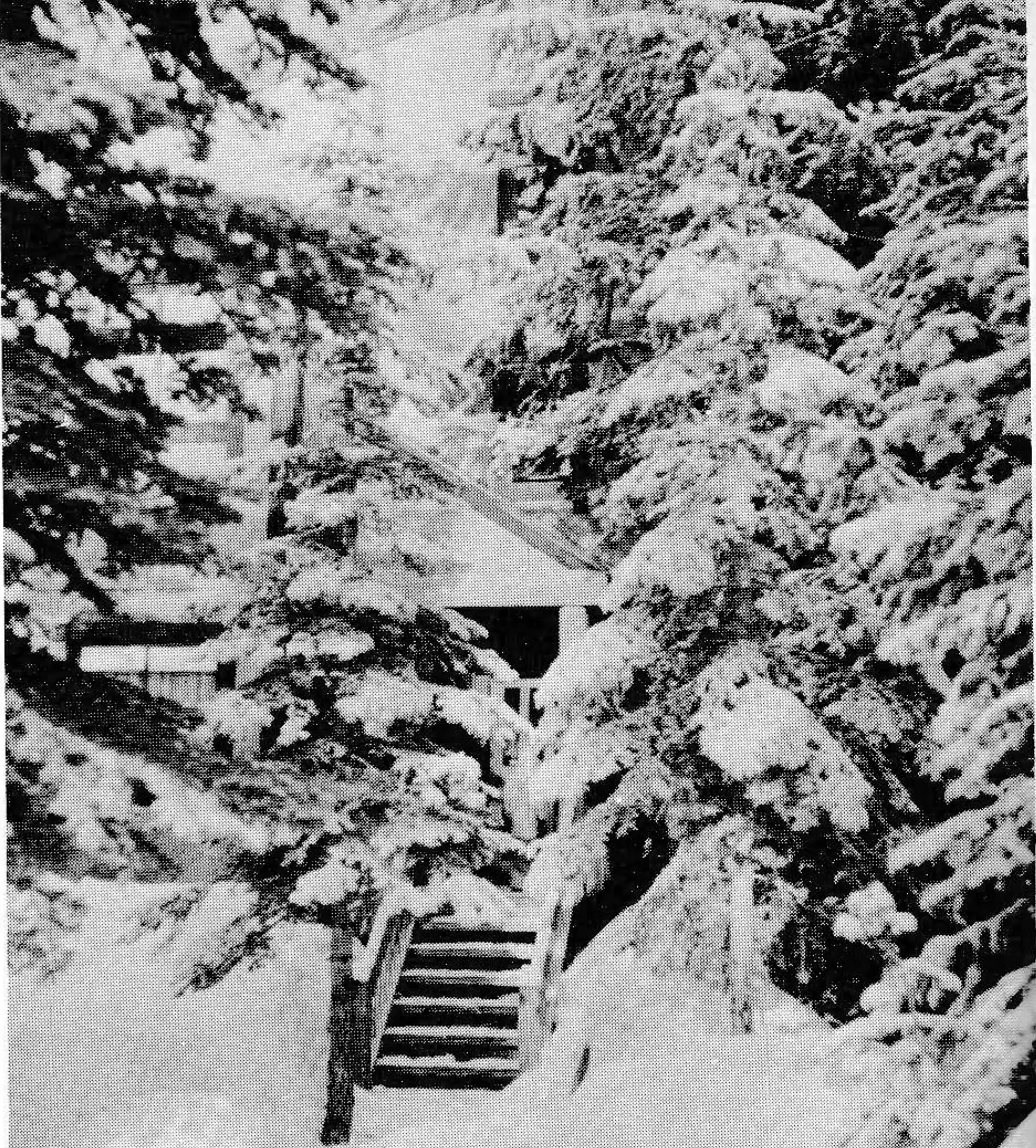
When I was a kid growing up in Stowe, Vermont, probably the most delightful skiing was in the Slalom Glade alongside the hairy and more famous Seven Turns of the Nose Dive. It was a hidden preserve of those who knew the mountain, and there was often powder snow in amongst the trees (powder in New England?). I have no idea whether the half-cleared forest was the work of man or nature, but it is typical of many such special places scattered across the country. The face of Bell Mountain, for instance, in Aspen, is probably the best known for this kind of special trail, because it has the dubious advantage of being most visible from the lifts.
Unfortunately, it was part of the catechism of the ski area developer of 25 years ago that the only great skiing was on the wide open slopes of the West or above timberline in Europe. Millions of trees all over this country were cut down to create such wide open slopes. That the money was in the beginner and intermediate skier was another article of faith. This may still be true, but modern equipment and more straightforward and sensible teaching makes the advanced intermediate of today a better skier than the expect of yesterday, and more and more skiers are discovering the boondocks. The trouble is that there aren’t enough boondocks to go around.
The wide open slopes are easy to maintain with modern equipment. They need to be. The wind whips through in a storm, and the sun beats down on the bright days, and along with the square cut moguls created by shorter skis, these trails need lots of care.
On the other hand, the admittedly less-used “glade” areas need little maintenance and they are the only place to ski in a white-out or blizzard. It is my belief that more such “trails” should be created to accommodate the different skier of today. This will take the cooperation of the Forest Service if it is Federal land, but if the area developer has not blown his good will, he should be able to argue that the goal is a park-like feeling which seems like a work of nature. Furthermore, the appearance of these trails from a distance would be virtually unchanged, which can certainly not be said of most of the brutal slashes visible from miles away which have so angered conservationists. You may, in fact, be removing two-thirds of the trees, thereby giving the better specimens more breathing room. What can be good business may also be sound forestry.
At this point, I would like to emphasize the importance of enlisting the aid of a trained forester, knowledgeable about local conditions and sensitive to your goals. He can assess the health of the trees, predict the long run natural regeneration and determine whether in certain exposed areas you might be increasing the danger of windthrow.
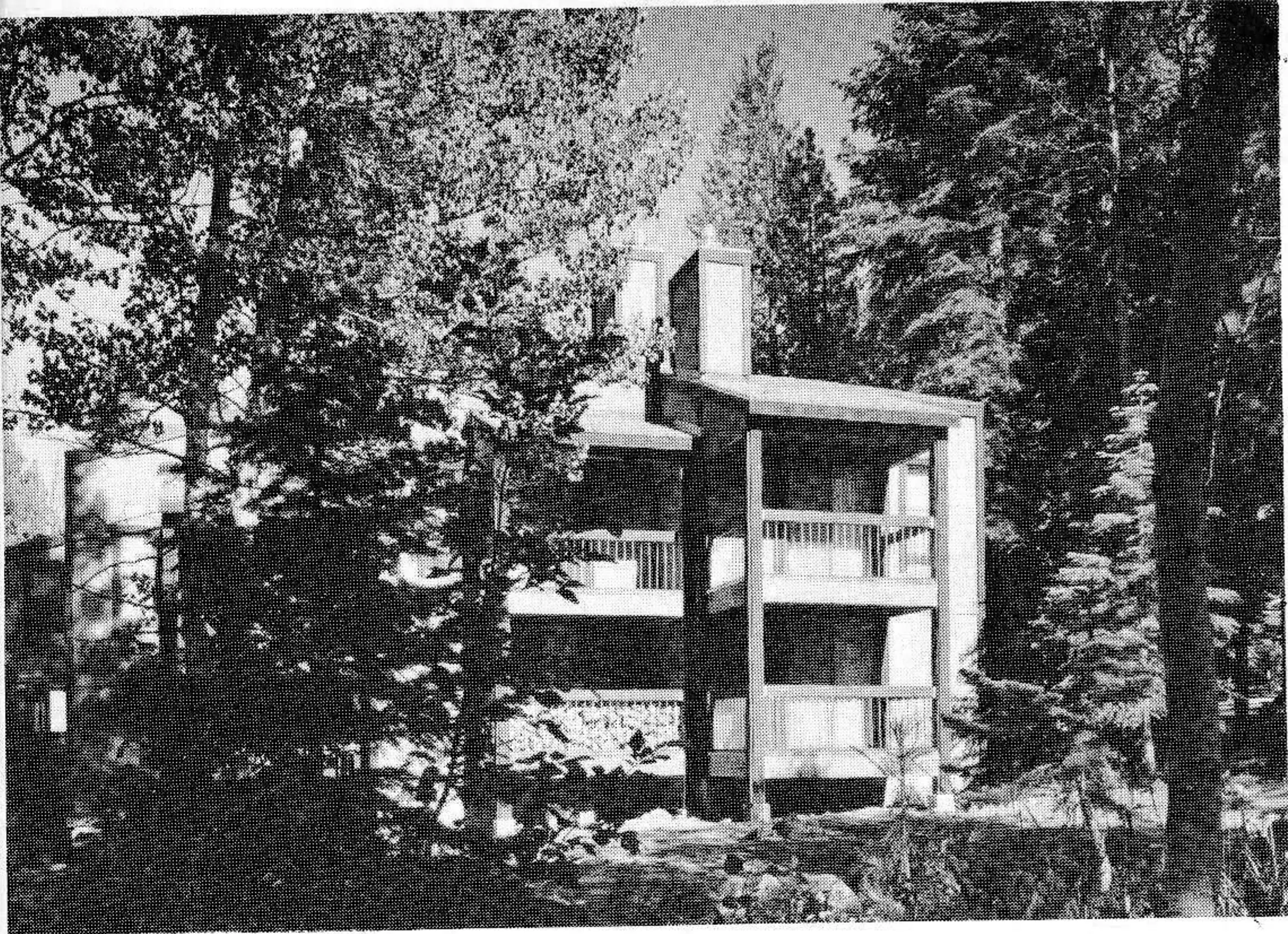
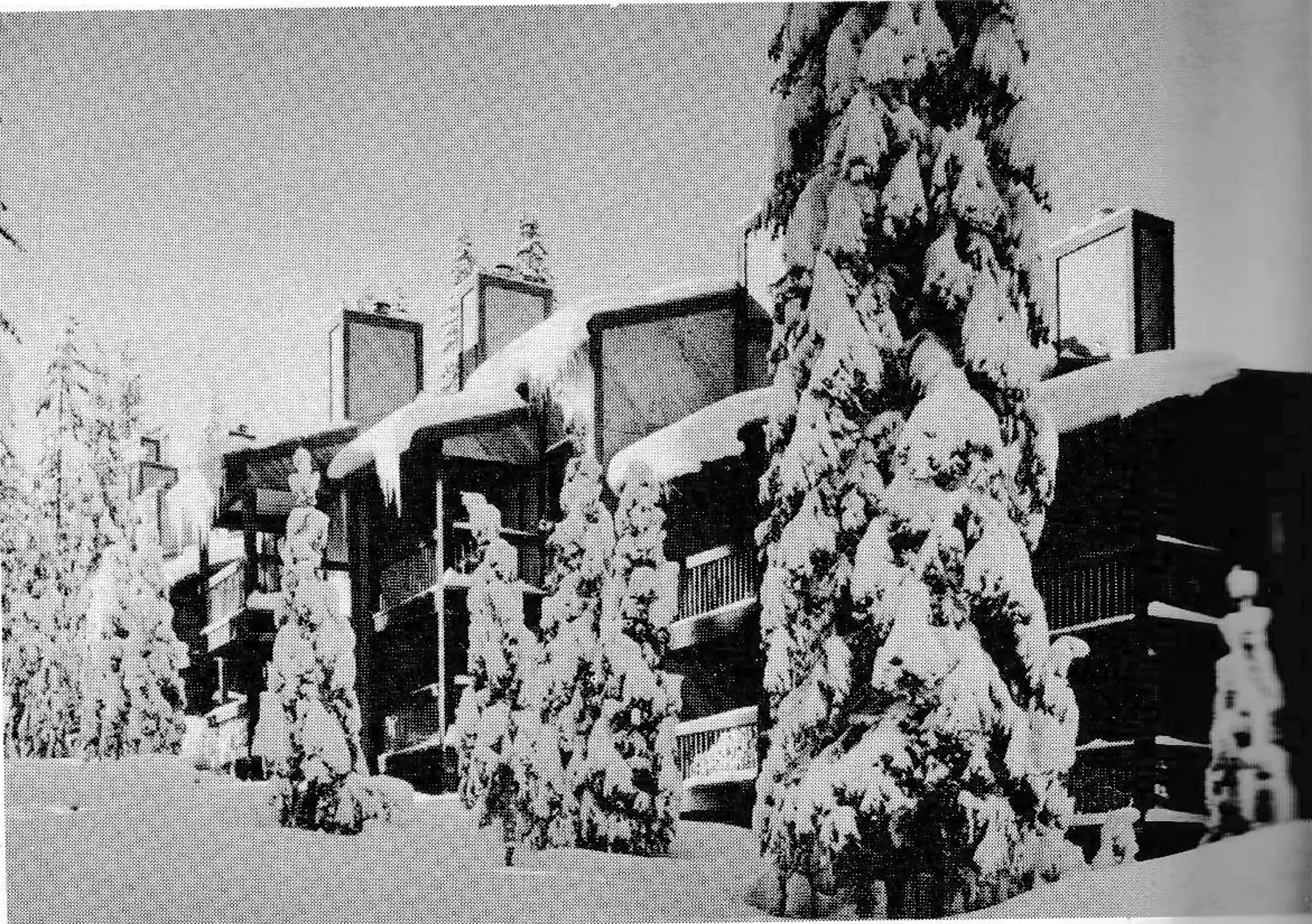
The same kind of weeding out can apply to all of the types of construction around ski areas. Existing, mature trees are often the most effective and cheapest form of landscaping. Remember you can always cut the tree down next summer, if in fact it proves to be inconveniently located, but it is very seldom possible to transplant anything but very small trees, which take a lot of maintenance and many years to really be effective visually. It is often possible to replan building locations and road alignments to preserve the better specimen trees. As a general rule, excavation should not be done within the drip line of trees, that is a vertical projection down from the furthest reach of all the branches. Under certain circumstances, it is possible to build closer by carefully trimming branches and sealing any cut roots. Foundations can be bridged over major roots. All trees that are near a building site should be protected with specifications to contractors stating severe penalties for any damage to the trees or natural ground covers which you want to preserve. Strong fences should be built around these areas and tree trunks protected with corsets of vertical 2×4’s wired around. Many general contractors will argue that such procedures are very expensive and will hinder the work’s progress. You should always remember that there is a cost of both time and money to restore the land to its previous condition and these conservation procedures are almost invariably much cheaper. It’s important to have someone on the building site at all times to make sure that no damage is done. Citing the specific paragraph in the specifications and its penalties will not grow the tree back.

At Northstar, in the Sierras of California, the conservation measures described above were photographed and used as a central part of a very effective advertising sales campaign. This was a project where the client was a wood products firm and all of the land had been timbered 70 to 80 years before but, to the average buyer and skier, it looked like virgin timber. In the planning of those areas to be developed, the healthy, and more handsome trees were preserved, and the weeding process only made them look better.
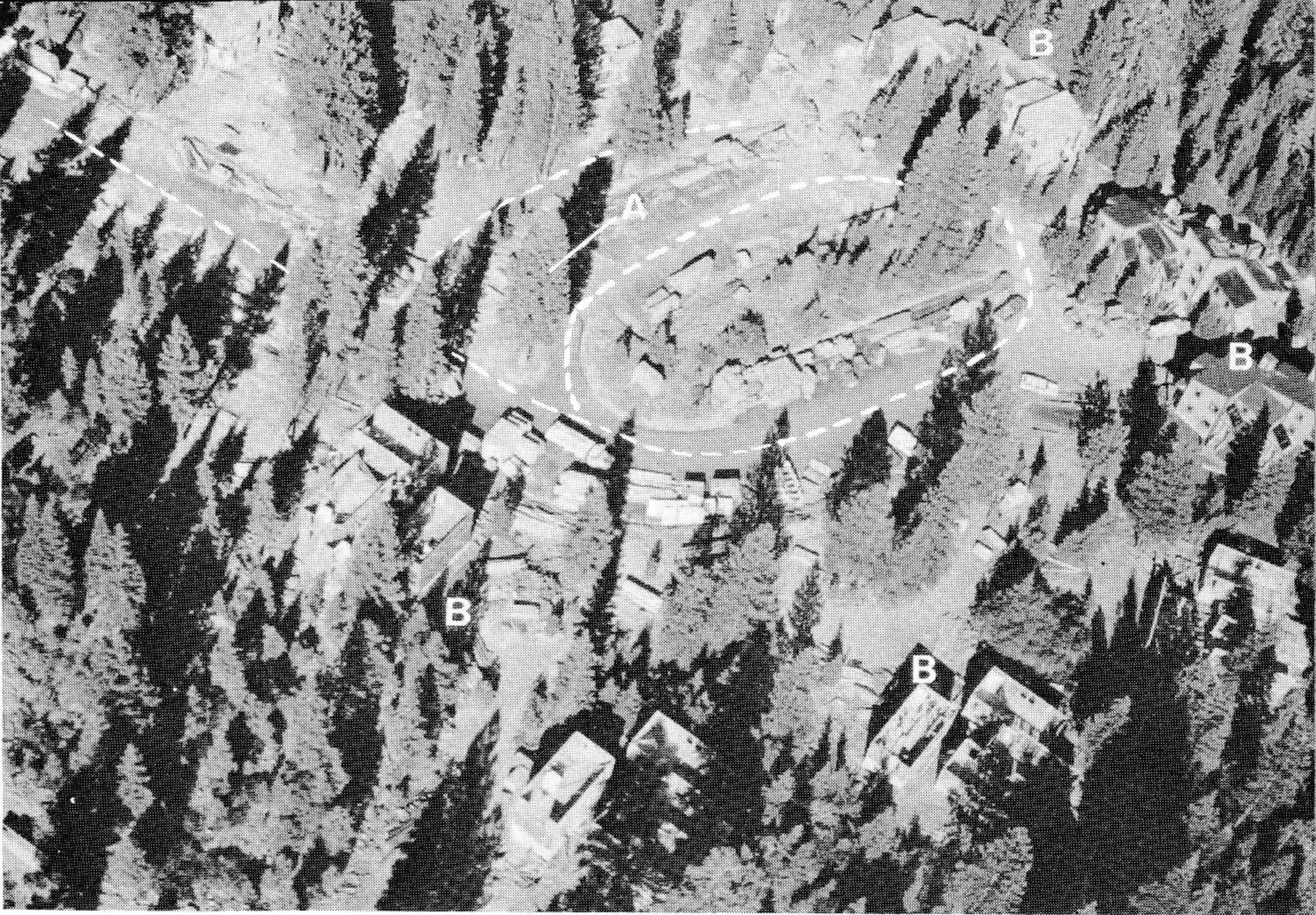
Some of the ski slopes at Northstar had been logged recently, with a leave stand of 80 square feet per acre (total area of trunks at the base) which makes for fantastic skiing. At Northstar, we also planned a 700-car parking lot in four tiers, curving to follow exactly the contour lines, with islands of trees to separate the tiers. As a result, probably less than 100 cars are visible at any given time. “Usually, parking lots, roads, and even buildings are laid out in drafting rooms where the handiest instruments make straight lines. This is one cause for the unnecessary tree removal and deep cuts and fills which characterize many projects.
Salt for snow melting and rotary snow plows at close range can cause tree damage, but healthy trees will usually survive. If you are paving close to trees, it is important to allow a reasonable unpaved area around the tree so that the amount of surface water it receives is not changed.
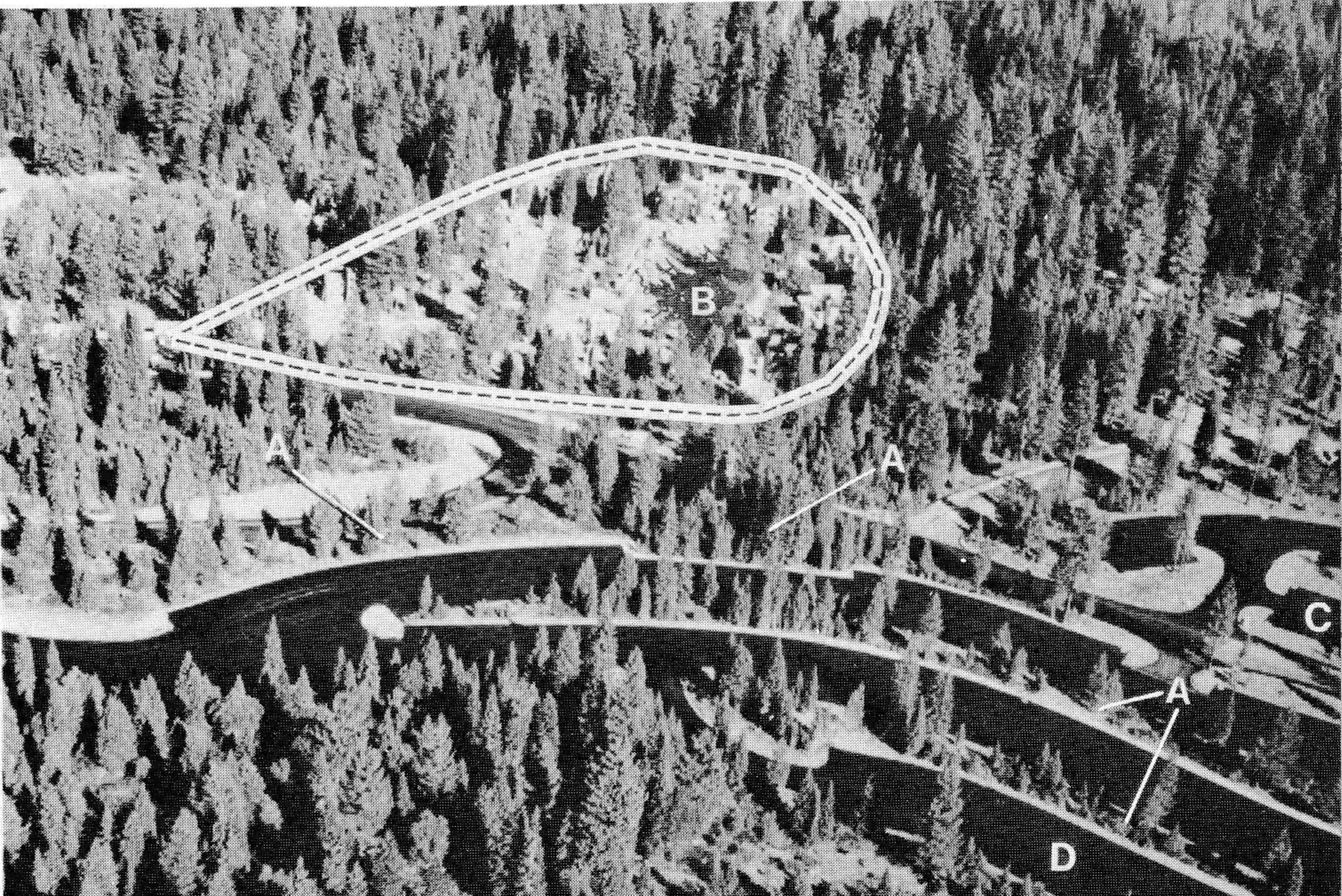
Whether planning a ski trail, a parking area, or a condominium complex, the same principle should hold: Work with nature, don’t fight her. Otherwise, as in the margarine commercial, she will certainly get her revenge in the form of erosion, increased winds, and more subtly, a decreased patronage because your customers are going to a more beautiful resort, more in harmony with nature. As a well known landscape architect said, “no one will know I’ve been here, if I’ve done a good job.”