

- The first Midwestern ski center that was exclusively cross-country.
- The first night-lighted cross-country area.
- The first cross-country area to use snowmaking
- The first cross-country area to offer round-the-clock skiing.
Most recently, Isenring designed a machine to lay packed snow in the same way that road building machines lay asphalt pavement. The machine is being built by a Sauk City (Wis.) shop and Isenring isn’t saying much more about it until it’s patented, completed and operating. But he has high hopes for another first. He estimates that the machine could cut his trail snowmaking and grooming costs in half.
Blackhawk Ridge started as a holiday hideaway for the Isenrings about two decades ago. They invited friends to camp, the word got around and more people wanted to come. They bought some additional land and went into wilderness camping commercially in 1965.
Roughly the same evolution occurred in ski touring, and in 1970 they went into it commercially. But even then, Blackhawk Ridge was more of a hobby; it’s only been a full-time occupation in the last five years.
Now the two complementary operations on the 650-acre spread bring in income year-round. Isenring says winter business approaches summer business in a normal year and “makes the whole operation a lot more feasible.” He said cross-country attendance was roughly 25,000 in the 1978-79 season, though it dropped during last winter’s early season snow drought and mild weather.
The ski operation offers 55 km of trails, about half marked, groomed and double tracked. There are three primary loops: an easy 3 km, a harder 5 km and a tough 10 km; 7 km more are crossovers and spur trails. All the trails are used for hiking and horseback riding in warm weather.
The 5 km trail is lighted and Isenring says he hoped to double the lighted distance in the next couple of years. He uses single-phase 220-volt mercury-vapor lamps in the system and, at current prices, estimates that it costs between $5,000 and $6,000 a mile for materials, plus installation costs.
Night lighting came to Blackhawk Ridge in 1972. An ice storm knocked it out in 1976. The Isenrings redid it in 1977, taking care to get proper distance for the lamps to simluate moonlight and stringing the wires through trees to conceal them.
“The first couple years of lighting, I thought I’d really goofed, as very few skiers used it,” Isenring said. “Then, business slowly picked up. We started closing at 10 or 11 p.m. but found some wanted to ski later. Local people who knew us would come out in the middle of the night and turn on the lights so they could ski. So now we stay open around the clock.
“We recommend the buddy system for early morning skiers, so they can keep track of each other. One employee is on duty for ticket selling and emergencies. He or she keeps busy with other work, such as repairing rental ski equipment or summer gear. That’s one advantage of having a year-round operation.”
One method Blackhawk Ridge uses to encourage more night use is establishment of racing team leagues, with races of 5 or 10 km scheduled every Tuesday and Wednesday night for nine weeks.
“It’s a takeoff on bowling alley leagues,” said Isenring. League rules limit teams to six members, with the best three times counted. Businesses, ski shops and clubs have entered teams, which may be men’s, women’s or mixed. The leagues attracted nine teams the first year, 18 last year, from as far away as Milwaukee, more than 100 miles to the east.
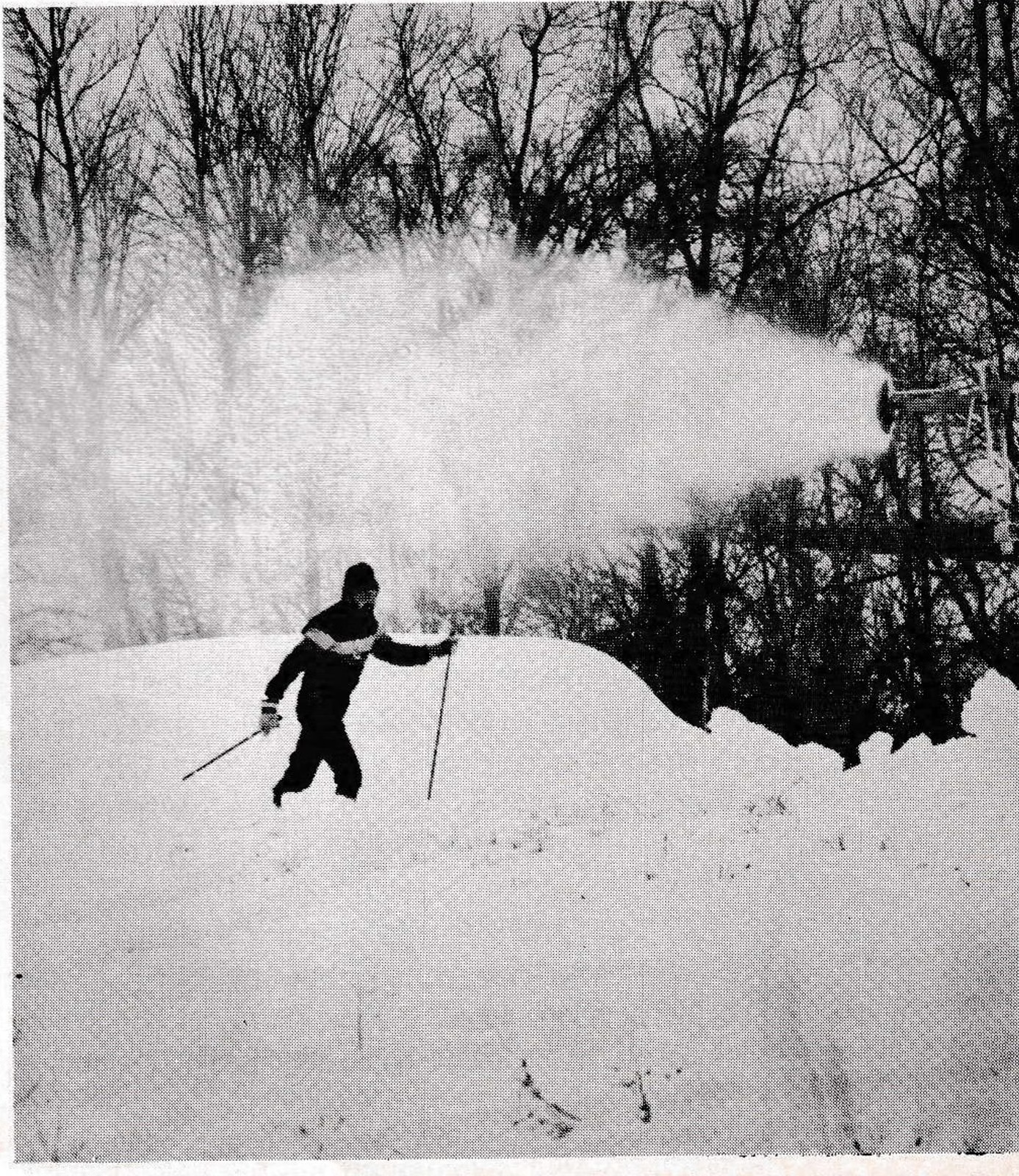
Isenring started “snowing” the trails by moving snow out of the nearby woods, then progressed to snowmaking right on the trails, using an alternator powered by a tractor to produce electricity and 2,000-gallon water-wagons to provide water. However, wind often blew this snow to the side of the trail and, acting like a mini-ice-storm, covered and killed small trees.
Now to snow the 25 km of trails, he makes mountains of snow between Thanksgiving and December 20, so that he can open the weekend before Christmas. He moves the snow onto the trails with front-end loaders, carrying two and three yard buckets, and operating around the clock. He levels the snow with bulldozers to set the base, then grooms it and sets the track with his grooming equipment. He estimates that grooming and double tracking trails costs $200 to $300 a mile each season.
This method gives very little control over the depth of snow, which ranges from one to three-and-a-half feet, Isenring said. That’s one reason he’s so anxious to roll out his new machine that is designed to lay a base one to two feet deep and seven feet wide with smooth edges. He hopes to incorporate a grooming roller that will double track it at the same time.
He notes that the key to this method of snowing trails is to lay out the trails like the fingers of a hand. Snow is made at one spot in the palm of the hand, and moved out in a variety of directions rather than in long hauls.

This year he’s putting in a 20-foot-high tower with dual snowguns and underground utilities. That way he can blow snow 360 degrees and loader operators won’t have to worry about hoses, pipes and wires.
A director of the National Ski Touring Operators Association, Isenring disagrees with the association’s trail rating system of Beginner, Intermediate and Expert. He prefers to rate trails Relaxing, Invigorating and Challenging.
“Why turn a skier off simply because there’s one steep spot on a trail that gives it an intermediate or expert rating?” he asked. “People can sidestep down places like that. We warn our skiers about spots that may be beyond their capability, but we don’t warn them off the whole trail.”
In warm weather, Blackhawk Ridge offers 65 wilderness campsites for tents and small tent-trails only, plus eight so-called trapper cabins that can house two to eighteen people apiece, two appartments and four sheepherder wagons. All but the campsites are used in winter, providing—along with four rooms in the lodge—capacity for up to 100 persons at a time. Most of the winter weekend lodging is reserved by late summer.
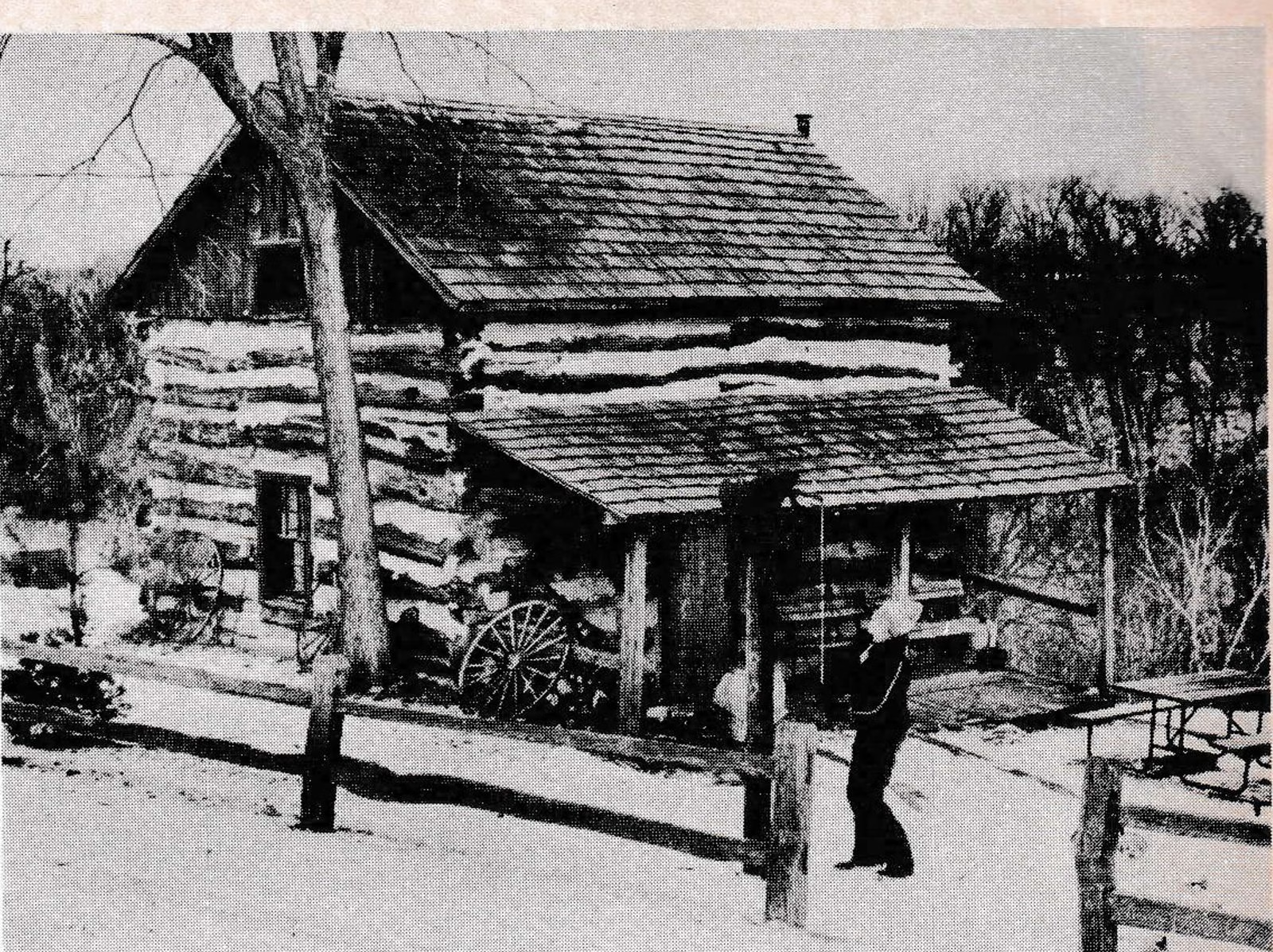
The trapper cabins are log cabins, chicken coops, hog pens and other buildings from the eight farms that make up the area. Each building has been remodeled for basic living and equipped with bunks, mattresses, wood stove and electricity. There’s no running water; each has a privy outside.
The sheepherders wagons are built along the lines of the wagon-cabins used by sheepherders in the West when they move flocks to high ground. Isenring saw some on a trip, was intrigued, built a prototype and promoted it at a ski show. When he returned home, he found it was rented to four parties at the same time, so he quickly had to build three more.
All housing must be rented for at least two nights—three nights on holiday weekends. Rates run $8.50 a person in the cabins and wagons with a minimum price for each based on its capacity, $12 a person in the apartments and $18 or $20 in the rooms.
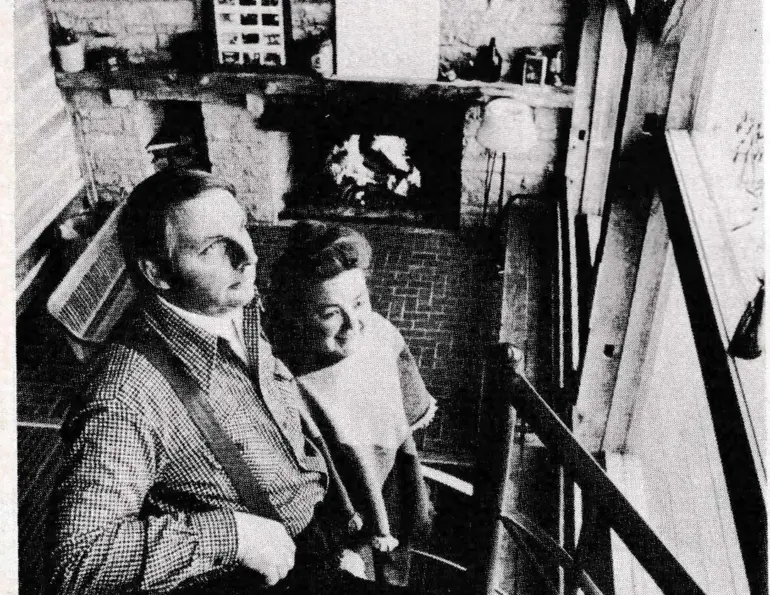
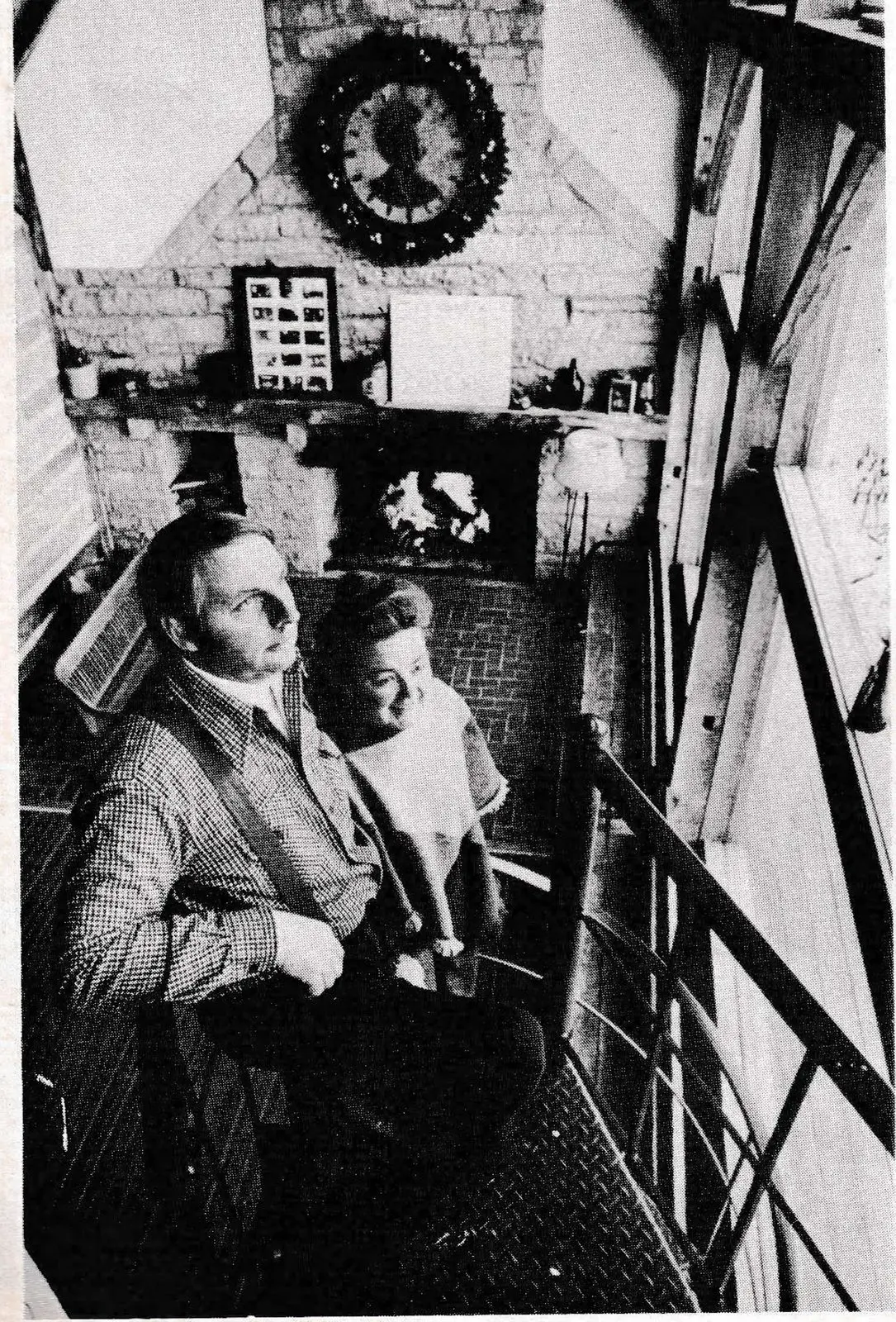
The lodge was an old barn that now houses a general store and living quarters for the Isenrings, but because of a scarcity of winter accommodations, they give up their bedrooms for skiers. On the ground level, where cow stalls used to be, there’s a bathhouse with whirlpool and sauna.
To accomodate non-guests who want to ski, Blackhawk Ridge has a parking lot just off the main road. A bus used to transport people to the canoe livery in summer is parked there. It is heated and has a phone so skiers can call the jeep-pulled tram to take them to the top of the hill, where the trails start.
Blackhawk Ridge uses publicity releases sent out by an agency, ski shows and a membership in a ski area marketing association to promote attendance and keep skiers informed of new activities and developments. It is one of 10 areas in Big River Ski Country marketing association and prior to this year, was the only cross-country area in it. Blackhawk Ridge also spreads its word through a rack distribution service that places brochures of ski areas in more than 200 ski shops in southern Wisconsin, northern Illinois and eastern Iowa. Isenring operates the service as extra business.
“It’s ironic,” Isenring said. “My father once advised me never to get into a business in which you deal with the public, have to work seven days a week and have to depend on the weather. That’s exactly what we have here, in addition to which things always have to be ready by a certain time.”
Vital Statistics: Blackhawk Ridge, Sauk City, Wisconsin
- Top elevation: 1,150 ft.
- Terrain: 650 acres; 35 miles of trails, 15 miles groomed in winter.
- Prices: Weekend adult: $5.50; Weekday adult: $3.50; Evening adult: $3.00; Under 6: $1.00 all times
- Grooming equipment: Bombi, Valley grader, Valley Powdermaker, John Deere wide-track cat
- Snowmaking: 3 SMI Snowstream 320’s
- Employees full-time: 8
- Employees seasonal: 8
- Instructors full-time: 3
- Instructors part-time: 2
- Facility Management: Area-owned ski school, rental shop, restaurant and lodging.