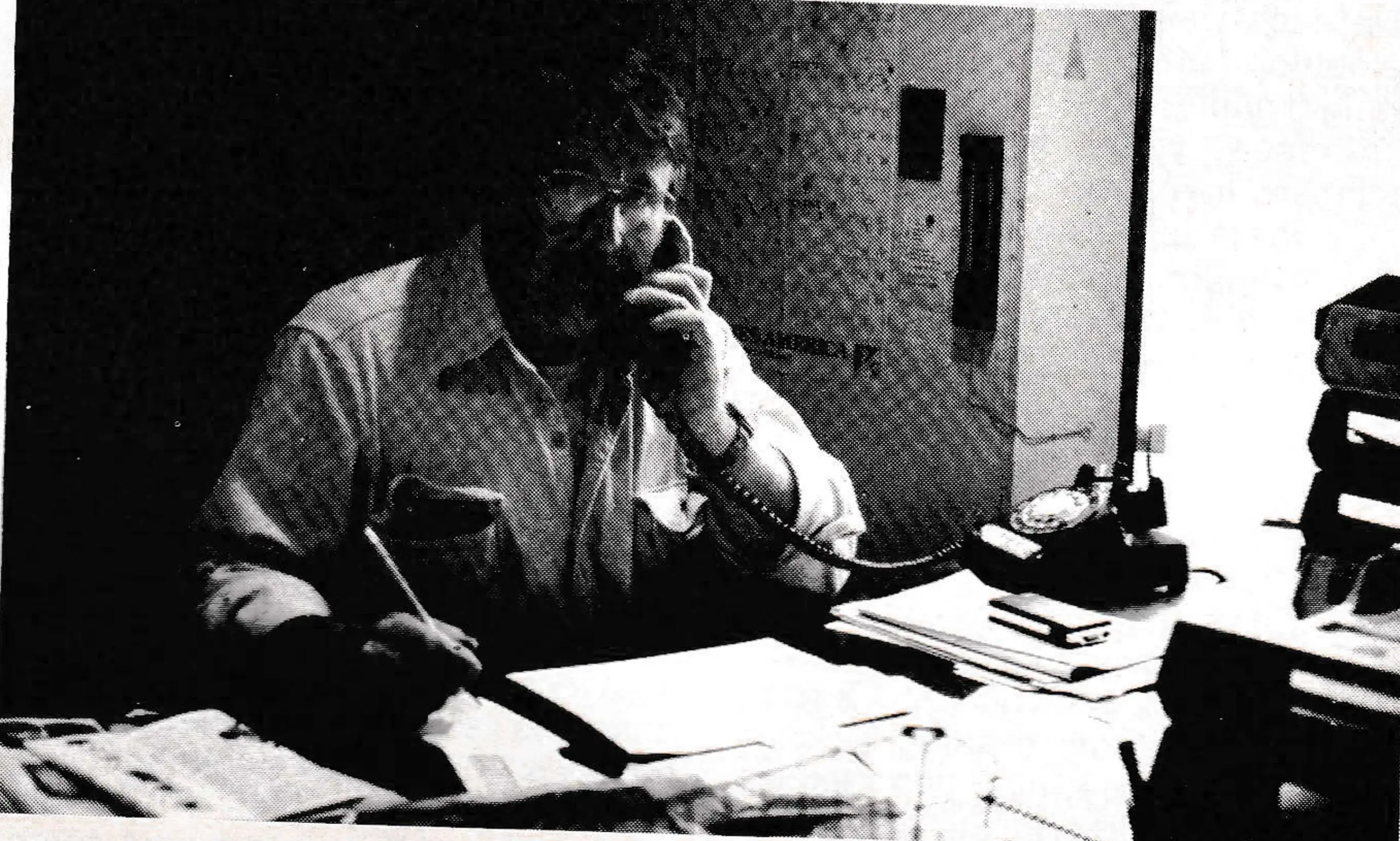


For an hour or two each day Wachtel, who arrives at the area around 9 a.m. and seldom departs before midnight, turns his back on the office and heads for the slopes at this 70-acre area on the banks of Iowa’s Little Maquoketa River. Putting the time to good use, he dictates comments about snow conditions on the area’s 15 runs into a pocket tape recorder for later review with the night snowmaking crew, visits with skiers to keep on top of the market, and spot monitors security.
Wachtel’s on-slope quality control sessions are all part of his primary goal — to provide the best possible skiing experience for customers at all times.
Making Sundown enjoyable, convenient, safe and aesthetically pleasing for skiers requires year-round effort. “We designed the ski area to complement the site,” says Wachtel who majored in landscaping and ornamental horticulture at Michigan State University.
Trees, which protect both skiers and snow from wind, are cut reluctantly. Runs meander through the growth with new vistas opening at every turn. Utilities and wiring are concealed where possible. Preventive and cosmetic maintenance is a religion.
“An hour lost to a breakdown during the season is like losing a day,” says Wachtel. “My kids ride these lifts and as for painting and cleaning, let’s face it. Skiing is show business. If your chairlifts are rusty, skiers won’t respect your operation.”
For added customer convenience Wachtel keeps Sundown’s slopes open 13 hours a day, six days a week (nine hours on Sunday) and is considering offering all-night skiing for third-shift factory workers in the city.
An enjoyable skier visit must be backed up by positive employee relations, says Wachtel. Weekly staff meetings keep operations running smoothly, provide an arena for airing conflicts, discussing problems and handling out compliments.
“Keep a light hand on the tiller and an open mind,” says Wachtel. “Ask for, and listen to, opinions and remember that praise doesn’t cost a thing.”
Wachtel finds that making skiing enjoyable and convenient for the customer pays off. For example, he doesn’t split his lift ticket into day and evening prices, as most ski areas offering night skiing do.
“Everybody says I’m giving money away,” says Wachtel, “but I defy them to prove it. The word-of-mouth publicity we get from the few people who do ski all day and evening, then brag about it, is worth any cost and we avoid hassling our customers by closing down the lifts and requiring new lift tickets.”
A similar philosophy governs snowmaking. “A lot of area operators think they’re getting their money’s worth when they pump every conceivable drop of moisture out that can be passed off as snow. What they get is slush and then they fight boilerplate all season.”
Watchel’s snowmaking equation reads: More time and less snow equal easier grooming and fewer customer complaints. And that equals good business.
Sundown, not projected to be profitable for 10 years, turned a profit last year after only four full seasons. Some 66,000 skiers skied the area last season, a 65 percent increase over the 1976-77 total which exceeded 1975-76 by 45 percent. “We’re running between 600 and 900 skiers midweek days and 2,000 a day on peak weekends,” says Wachtel. “In our market place that’s outstanding.”
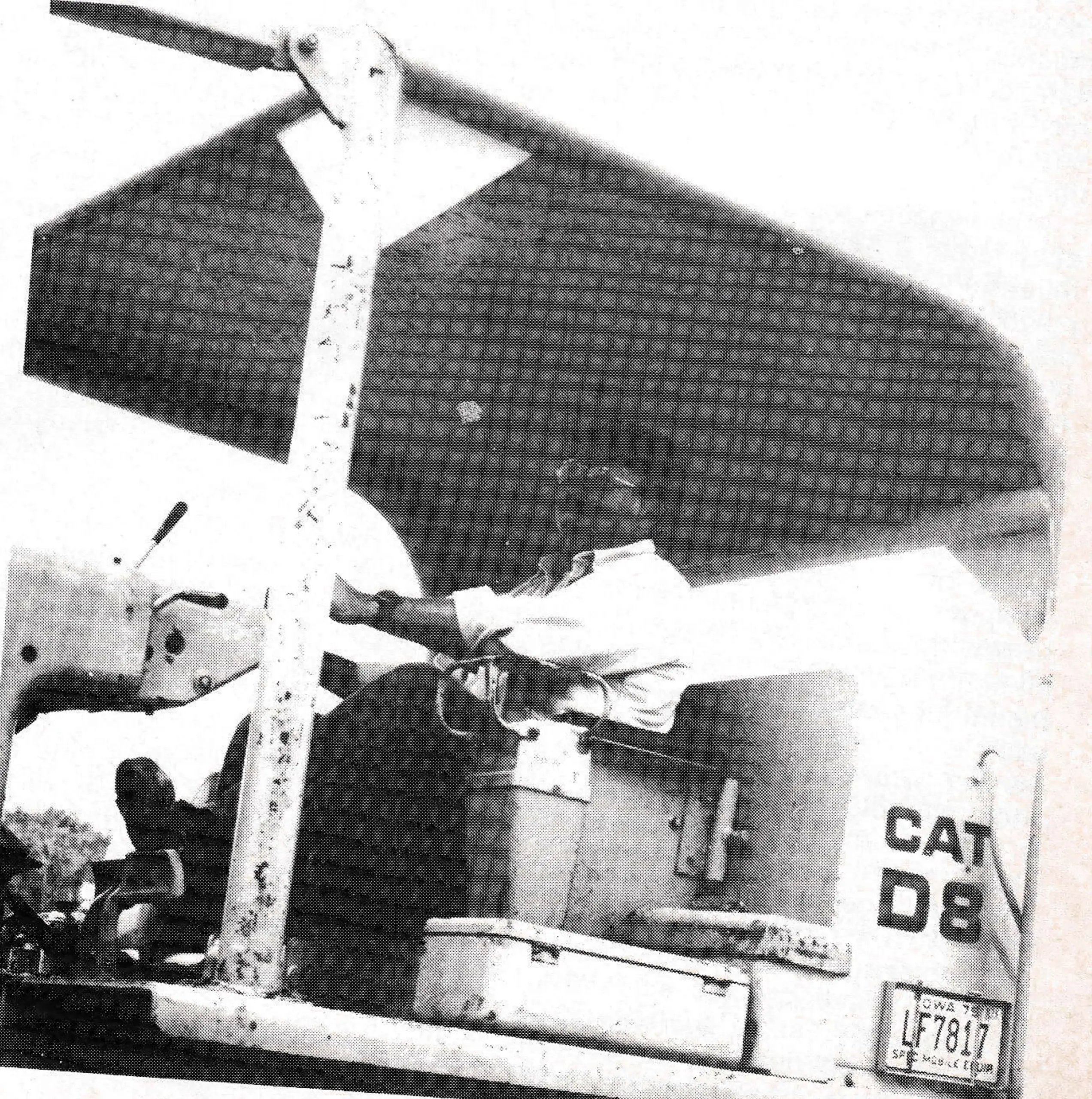
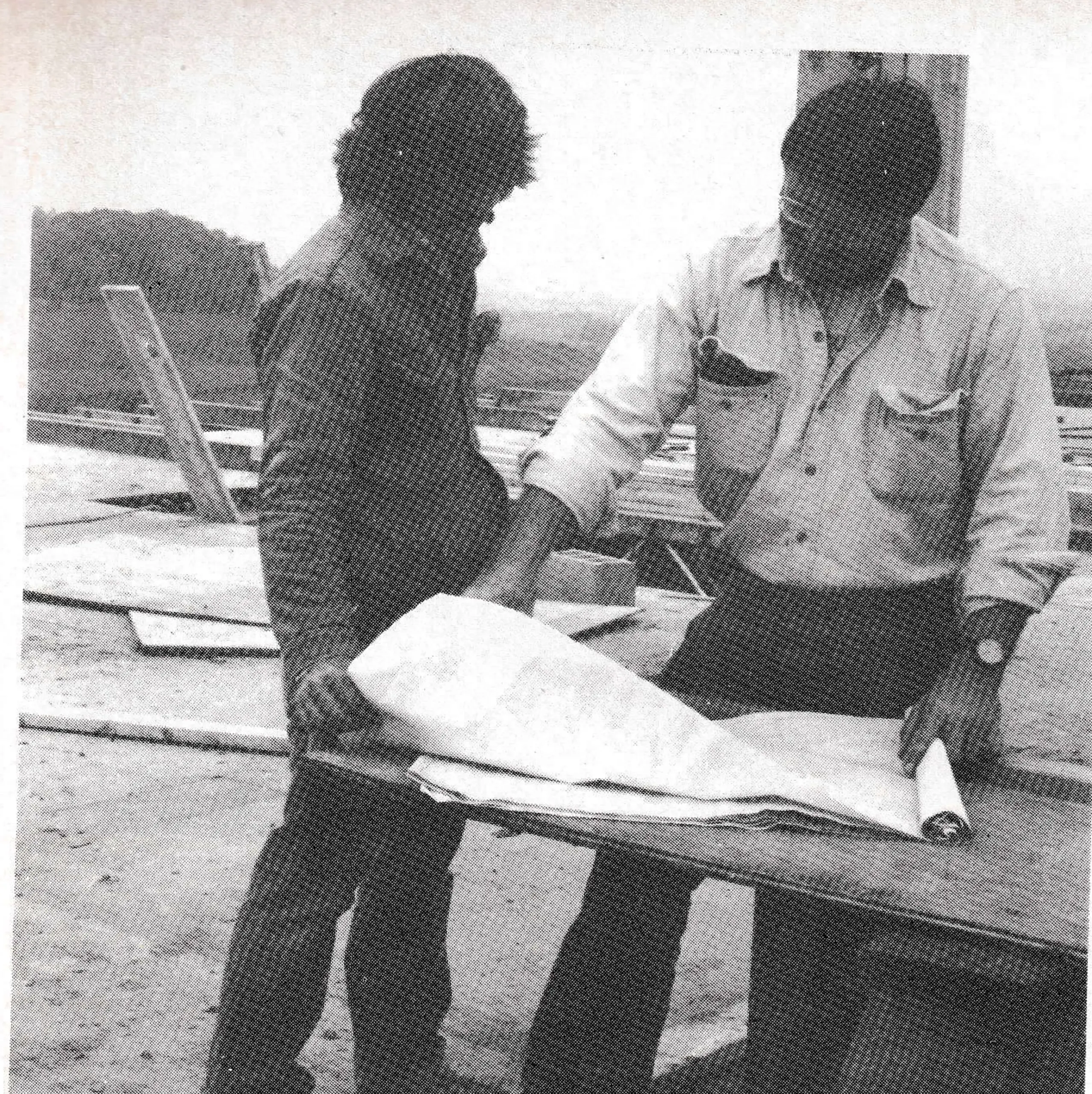
Sundown’s primary market place is the city of Dubuque, population 65,000, located six miles away on the banks of the Mississippi River. But as the only ski area in Iowa with chairlifts, Sundown, with its 450-foot vertical, one double chair and one triple chair, draws skiers from all over the state and from as far away as St. Louis, Chicago and Rochester, Minnesota.

Encouraging the market to ski is the secondary goal for Wachtel who, along with marketing director Kristi Doemel, received the Central Ski Areas Association’s award for outstanding achievement in marketing last year.
“You have to remind people that they like to ski,” says Wachtel, “and I don’t care where they ski because as long as they ski sooner or later I’ll get ’em.”
Slightly more than four percent of Sundown’s budget is spent on marketing. About 38 percent of that is invested in radio spots, 13 percent in brochures, 11 percent in print ads, nine percent in billboards and six percent in ski shows. Actual advertising dollars are supplemented by direct trade-offs in some media and in co-op advertising with retail outlets, hotels and motels and equipment manufacturers.
Marketing, however, is a lot more than advertising, according to Wachtel. “Marketing is anticipating what the market place is going to do and being there in the right posture when it happens,” he says.
Wachtel’s multi-level marketing approach starts with specials and teaching programs tailored to his customers, a skiing public heavy in students and factory workers. The basic four-week learn-to-ski program is a credit course at many of Dubuque’s universities, colleges, and high schools. Many of the first-time skiers sign up through their places of employment. Sundown offers weekday discounts Monday through Friday aimed at families, women, men, college students and local industry. “If we eliminated our specials we’d cut our midweek sales by half,” Wachtel predicts.
The specials not only attract skiers, they give Sundown something to talk about in its ads, commercials, and press releases, and talk is a key word in Wachtel’s marketing plan.
“You have to start people talking about the area,” he says. “You don’t need to be particularly creative. The important thing is to do something.” He laughs about the zany St. Valentine Day promotion the area hosted providing two lift tickets for the price of one to couples approaching the lift ticket window holding hands. “We had big strapping guys coming in holding hands. Sure, we gave them their tickets. It was worth the coverage.” Some straight forward projects, including Sundown’s free handicapped skiers programs for amputees and the blind, and the annual Muscular Dystrophy skiathon, also result in extensive publicity for Sundown including news coverage and free public service broadcast announcements.
Wachtel also recommends taking an active role in the ski industry and in local community affairs. He finds such interaction not only spreads the word about Sundown, but provides him with important business contacts invaluable in accomplishing his objectives. He attends ski rep shows and meetings of the National Ski Areas Association and Central Ski Areas Association, he serves on the board of the Dubuque Chamber of Commerce, chairs the city’s tourism task force and is a dedicated Rotarian.
Wachtel, who is 41, entered the industry in 1969 at Little Switzerland, Slinger, Wis., and put in two seasons managing Loch Lomond, Thunder Bay, Ontario, before moving to Dubuque in 1973 to oversee construction of Sundown.
“It’s a demanding business,” says Wachtel, “but you can put up with anything for 90 to 100 days. The rest of the year you’re just busy.”