Fox and his associates at Geological Reclamation Operations and Waste System, Inc. (GROWS), a Warner subsidiary, are building a ski resort based on a newly patented, sanitary landfill system. Developed by GROWS president Gordon Larson, the new process not only enables the reclamation of wasteland but helps in the disposal of solid waste material without polluting underground or nearby waterways.
The concept of ski areas built on compacted refuse is nothing new. The development of such areas as Etobicoke Hills outside Toronto, the Brookhaven, Long Island project, community ski slopes in Hogdalstoppen, Humlegarden and Stockholm, Sweden and the Blackwell Woods and Ski Mountain projects outside Chicago have all been well documented. What is new is the knack of building an area without adversely affecting ground water or adjacent streams.
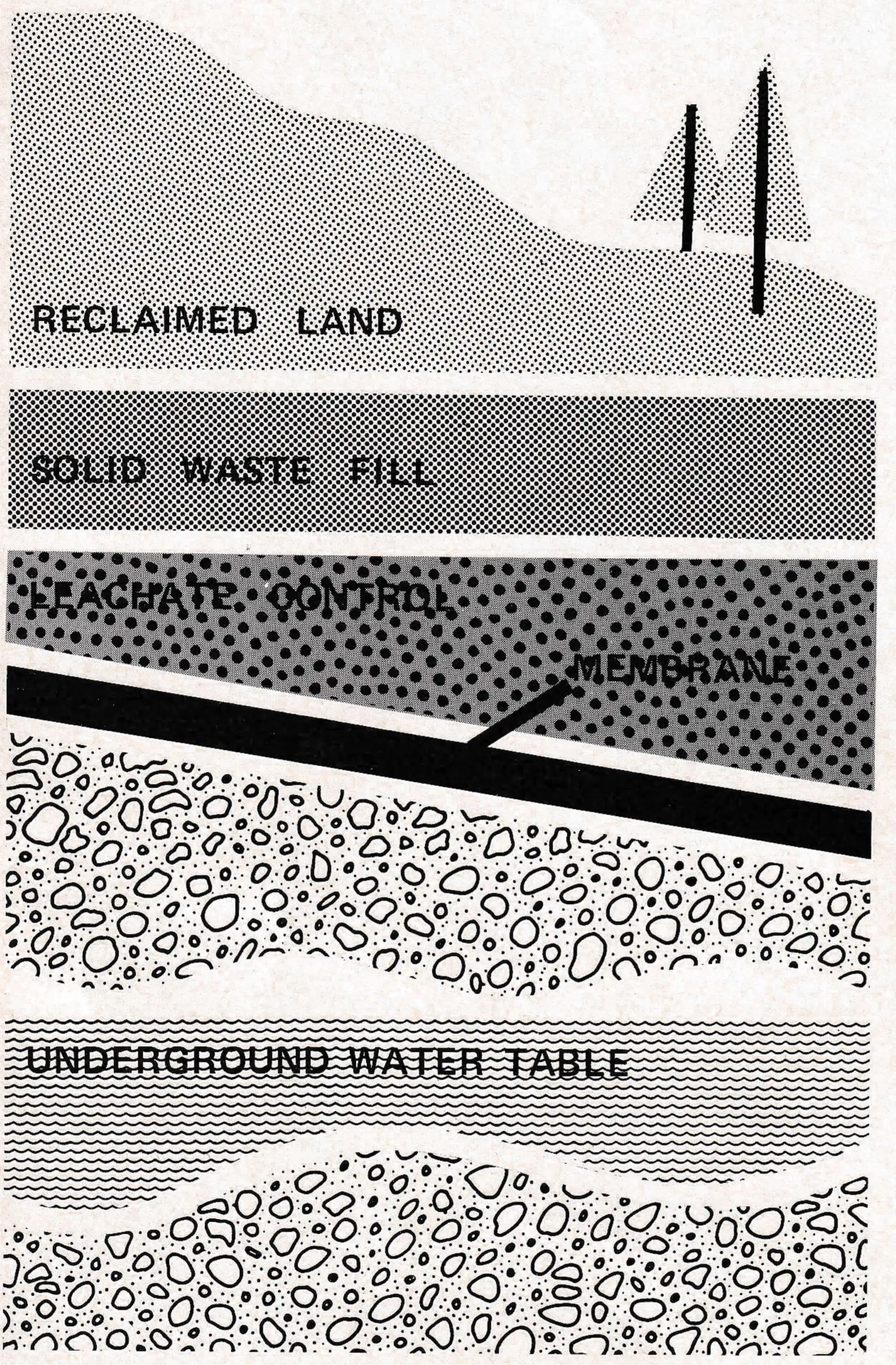
Fox’s answer is a water-impermeable asphaltic membrane which, applied as a barrier between the base of the landfill and the underground water table, is sloped so that water is collected and channeled to a collection basin where it is treated before entering local waters. Thus, the one major limitation to recreational building on solid-waste landfill—absence of sanitation—has been removed.
“We knew what this system would mean to communities,” Fox says, “but we wanted to prove it by piloting a project that would point up its value. We wanted to show that solid wastes could be returned to the earth without jeopardizing local water.”
Fox tapped urban planner-architect Anthony Walmsley to develop the design. Consulting engineers Kinney and Associates were also brought in for the feasibility studies and to determine what was needed to create a skiing complex.
Solving a community problem, fulfilling a civic need . . .
“After we found out how much land was required, how high the slopes should be and other factors, we fitted the pieces together,” Walmsley says.
“It’s like sculpturing,” he explains. “Once the mounds are built, we’ll add the finishing touches—shape the slopes. It’s a great backdrop for any community. How else can you kill three birds with one stone—reclaim wasteland, solve the problem of waste disposal and create recreational resorts.”
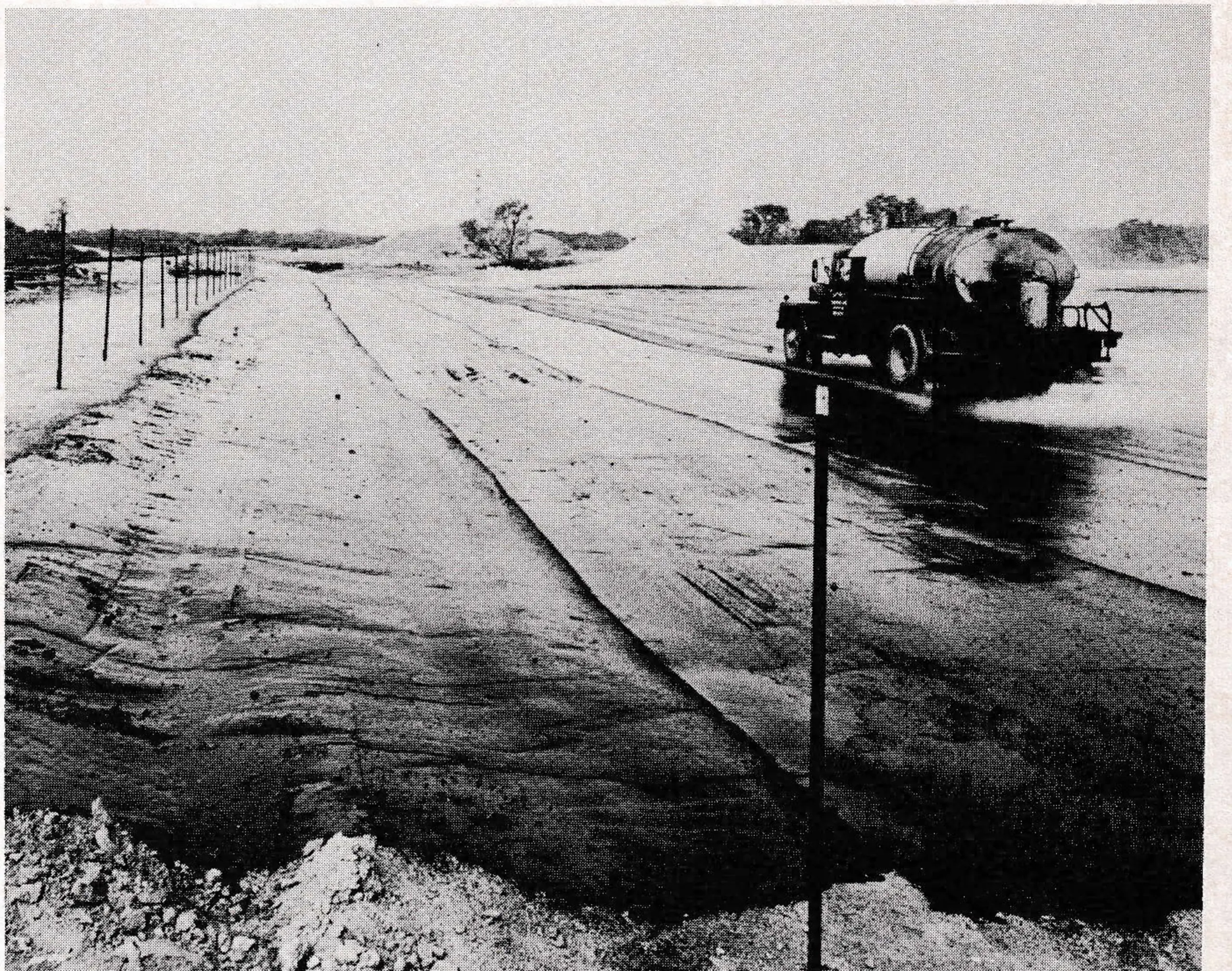
According to Fox, the GROWS membrane system is the first that prevents contaminants (liquid pollutants resulting from water that has passed through solid waste) from polluting ground water or ground water from rising into the landfill and becoming polluted. Water contaminated by landfill is drained off, chemically treated to remove contaminants and then redistributed in the landfill or discharged into local waters.
Conventional landfill produces a highly toxic contaminated water which acts as a pollutant to underground water supplies, surface streams and wells. With a high ground water table, this contaminated water is particularly objectionable since it discharges into the ground water with little filtering by the soil.
“The GROWS system,” says Fox, “offers the least expensive solution [the Bucks County project, begun exactly a year ago, has been capitalized at $500,000-750,000] to the growing disposal dilemma while at the same time creating a community benefit.” Company engineers are now working with engineers and community officials throughout the U.S. in the hopes of licensing the system on a national basis.

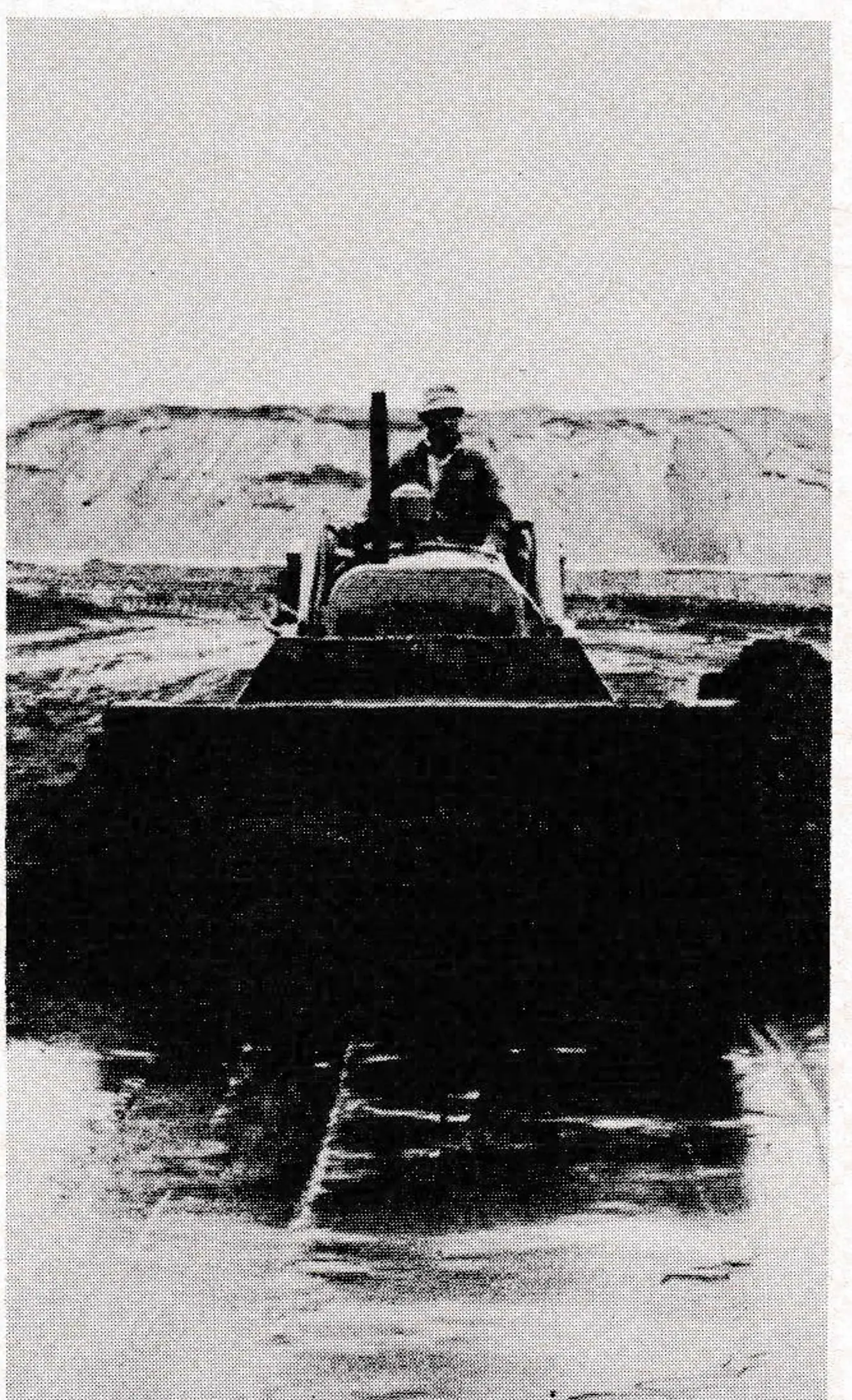
The length of time it would take to prepare the land for skiing depends on the site size and the rate of refuse disposal, Fox says. He adds that a 40-acre site, such as that in Bucks County, would use a total of 6 million compacted cubic yards of trash and cover material. On an average day, nearly 700 tons of rubbish are dumped at the site, all collected within a 15-mile radius of the project. Once the rubbish is compacted to a height of nine feet, a foot of topsoil is layered over. This is repeated every nine feet until the desired mound height is reached.
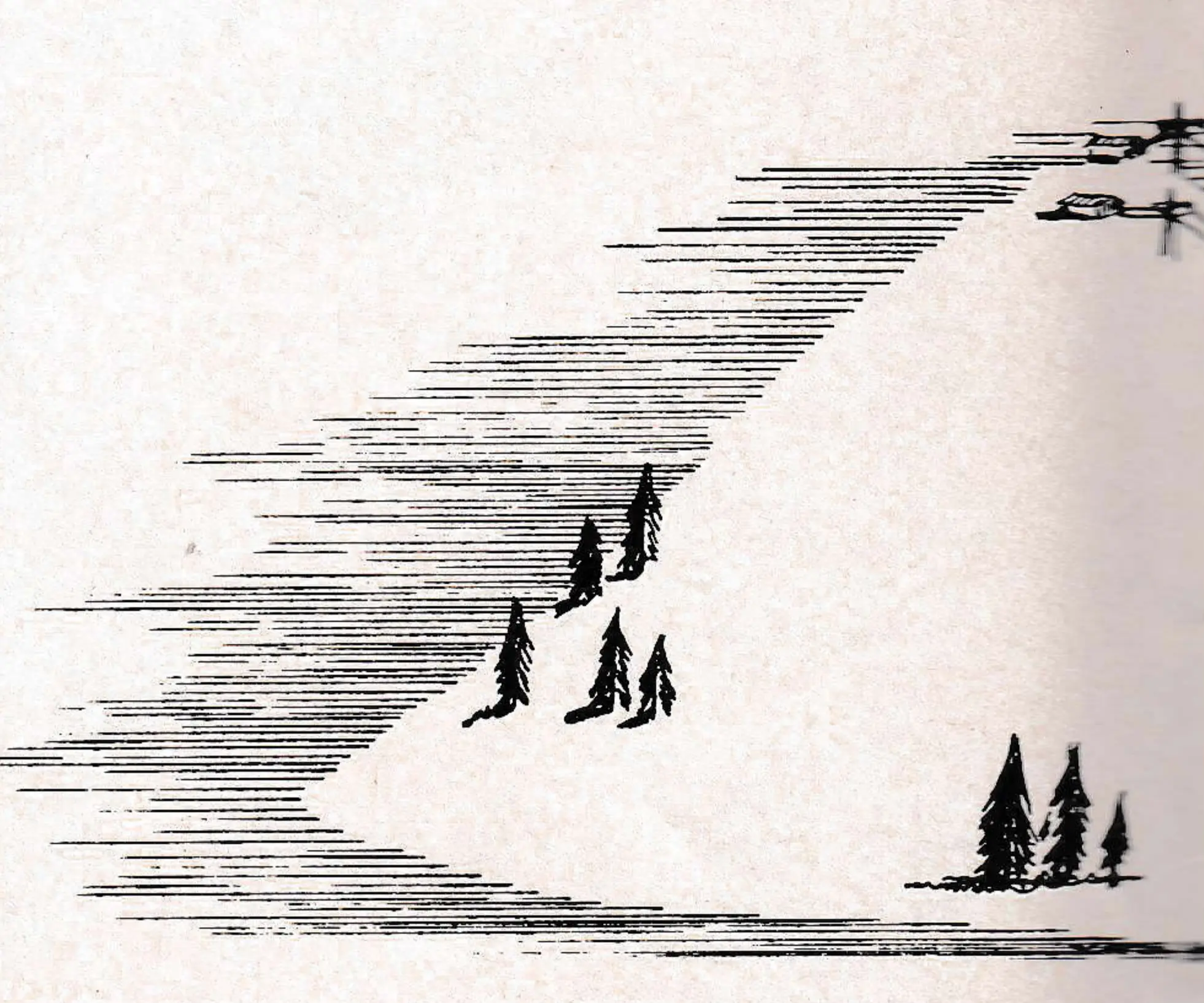
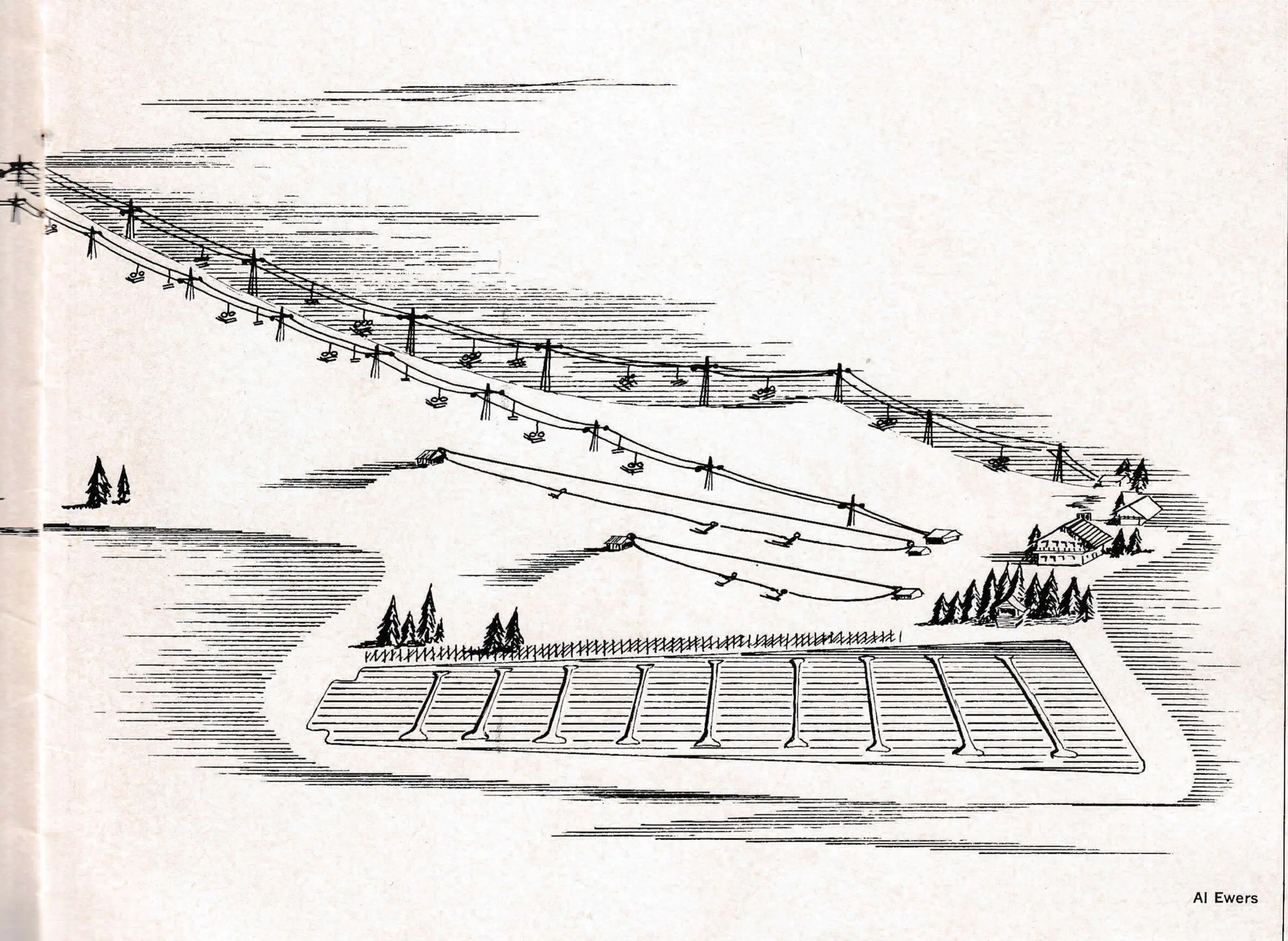
In order to provide maximum protection from the direct rays of the sun, the ski slopes—there are three—will face in a northerly direction. Each will have a gradient of at least 12 per cent (12 foot drop for every 100 feet of slope) and some portions, designed for advanced skiers, will have gradients of over 20 percent.
A parking area for 400 cars will be provided, as will a base lodge, snowmaking facilities and space at the base of the slopes for skier runout. The bottom (northerly) 300 feet of the area’s slopes will be level and provide seven acres for base facilities. The terrain will be sloped so that two plateaus will be formed—one at an elevation of 150 feet above the base, the second at 200 feet. There will be an average gradient from the 150-foot elevation of 14 per cent and a gradient of 22 per cent from the 200-foot elevation.
The westerly slope (average gradient 22 per cent), designed for advanced skiers, will be serviced by a triple chairlift with an hourly capacity of 1,800 skiers. The length of the run will be 1,000 feet. The easterly slope (14 per cent average gradient) will have a run of 1,200 feet. A double chairlift with an hourly capacity of 1,200 skiers will provide the uphill transportation. A 500-foot-long novice slope, serviced by a wire rope tow with a capacity of 600 skiers an hour will also be located on the easterly slope, as will a rope-tow beginners area.
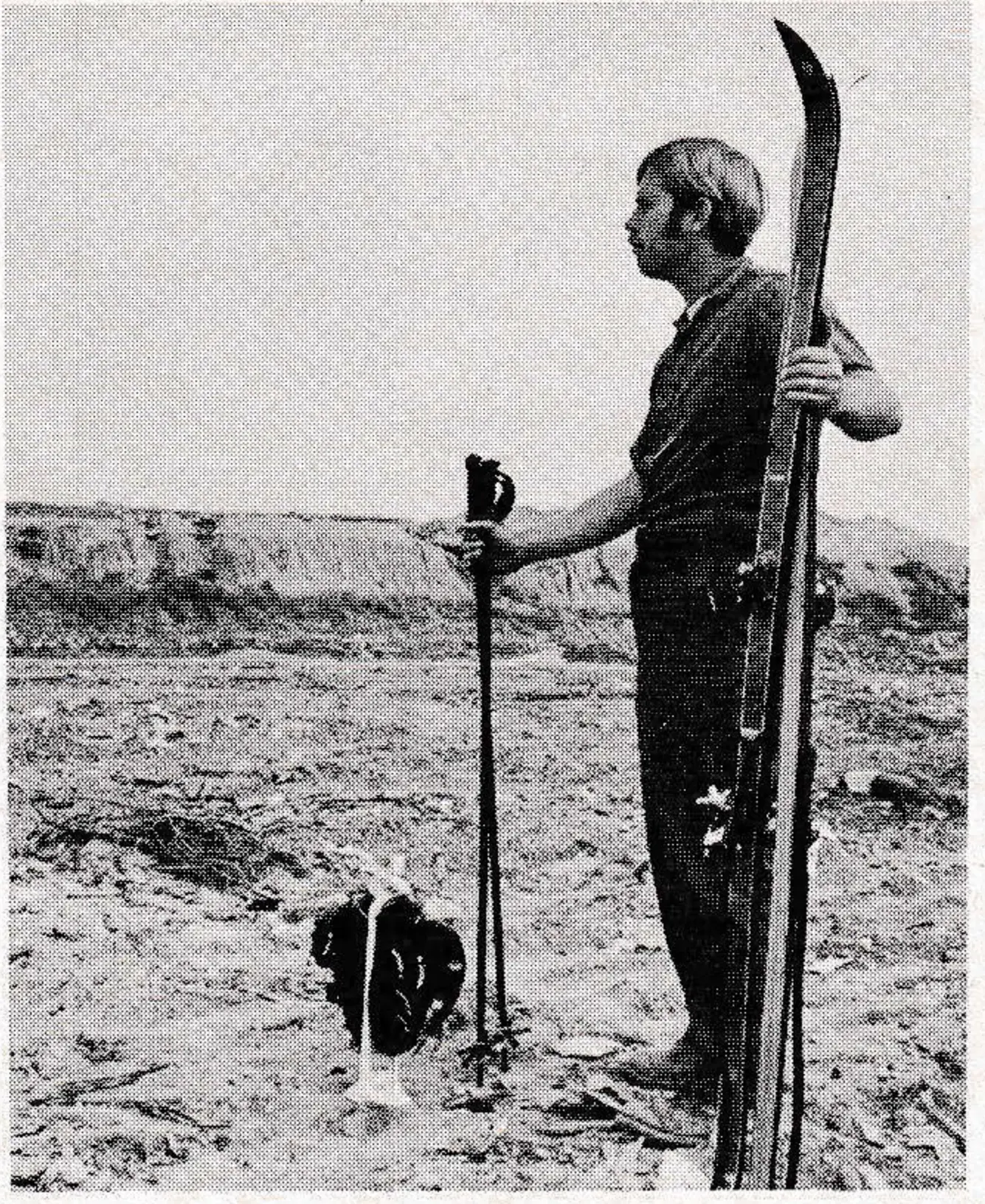
The base lodge, to be located in the center of the base area, will provide cafeteria and food services, rest rooms, ski rental facilities, ski retail shop, ski school and administrative offices. A first-aid room and ski patrol facility will be located in the base of the double chair lift. This will allow the treatment and removal of injured skiers with a minimum of interference with normal operations.
Snowmaking and maintenance buildings will be located near the western edge of the base area. Space for water pumps and air compressors and storage area for portable snowmaking equipment as well as snow grooming vehicles will be provided in this building.
Night skiing is also planned, with special lighting to be mounted on top of the chairlift towers and on poles adjacent to the rope tows and near the base area.
Completion date for the Bucks County project is five years from now. Says Fox, “Once ecologically conscious communities realize what’s happening here, they’ll be lining up for ski areas of their own.”