
Accumatic Eyes
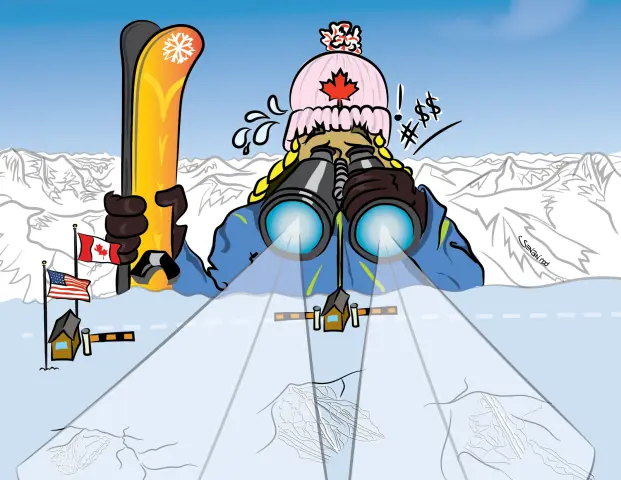
A 2″ diameter high-resolution lens system prevents ski poles from stopping the timers.
Thiokol Super Imp
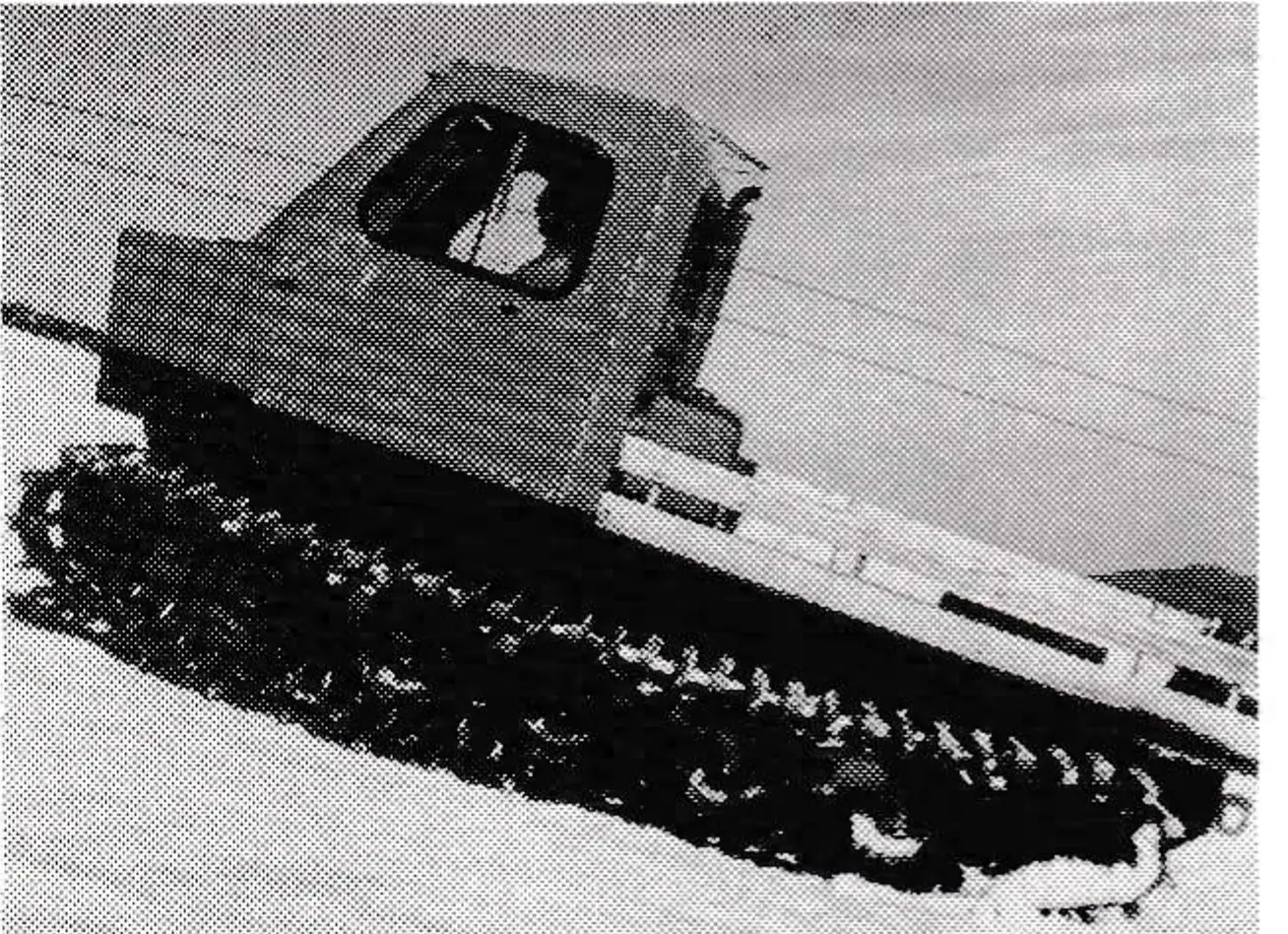
Thiokol has redesigned their Model 1404 IMP, which is now designated Model 1450 “Super Imp® . Developments include a 200 cubic inch engine; automatic four-speed transmission, coupled to the OC 12 differential; and increased payload of 2400 pounds. The vehicle has been stretched by adding a fifth axle.
“Extensive testing has proven this configuration,” according to a Thiokol spokesman, “and the vehicle should be ideally suited for small ski area grooming, snow making and lift maintenance support.”
A full line of accessories is available, including Valley Engineering eight-way blade and rear grooming attachments, plus a full can option capable of seating eight people. Super Imp is available in January 1979, and local representatives are prepared to give further information.
Evacuation System
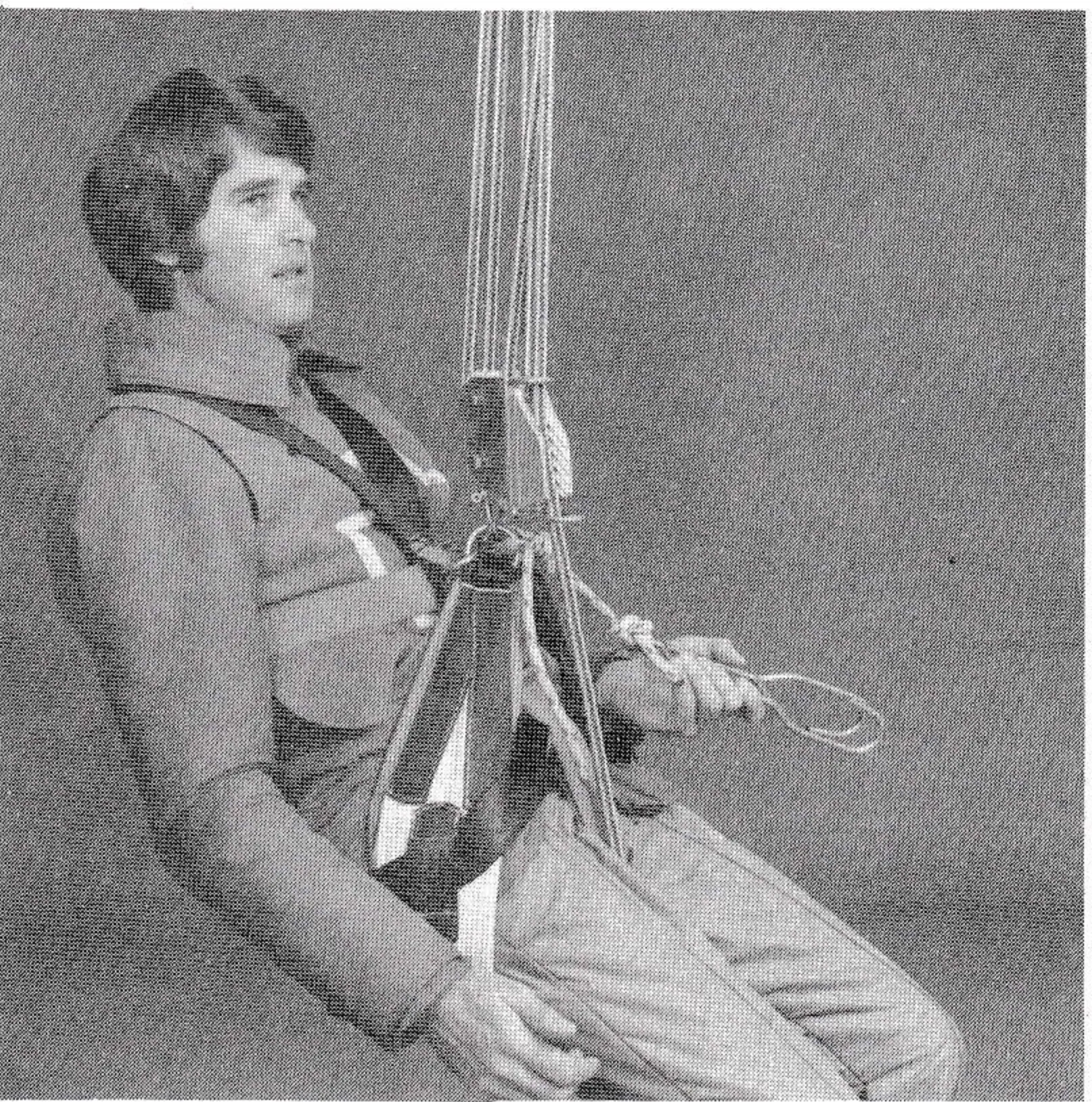
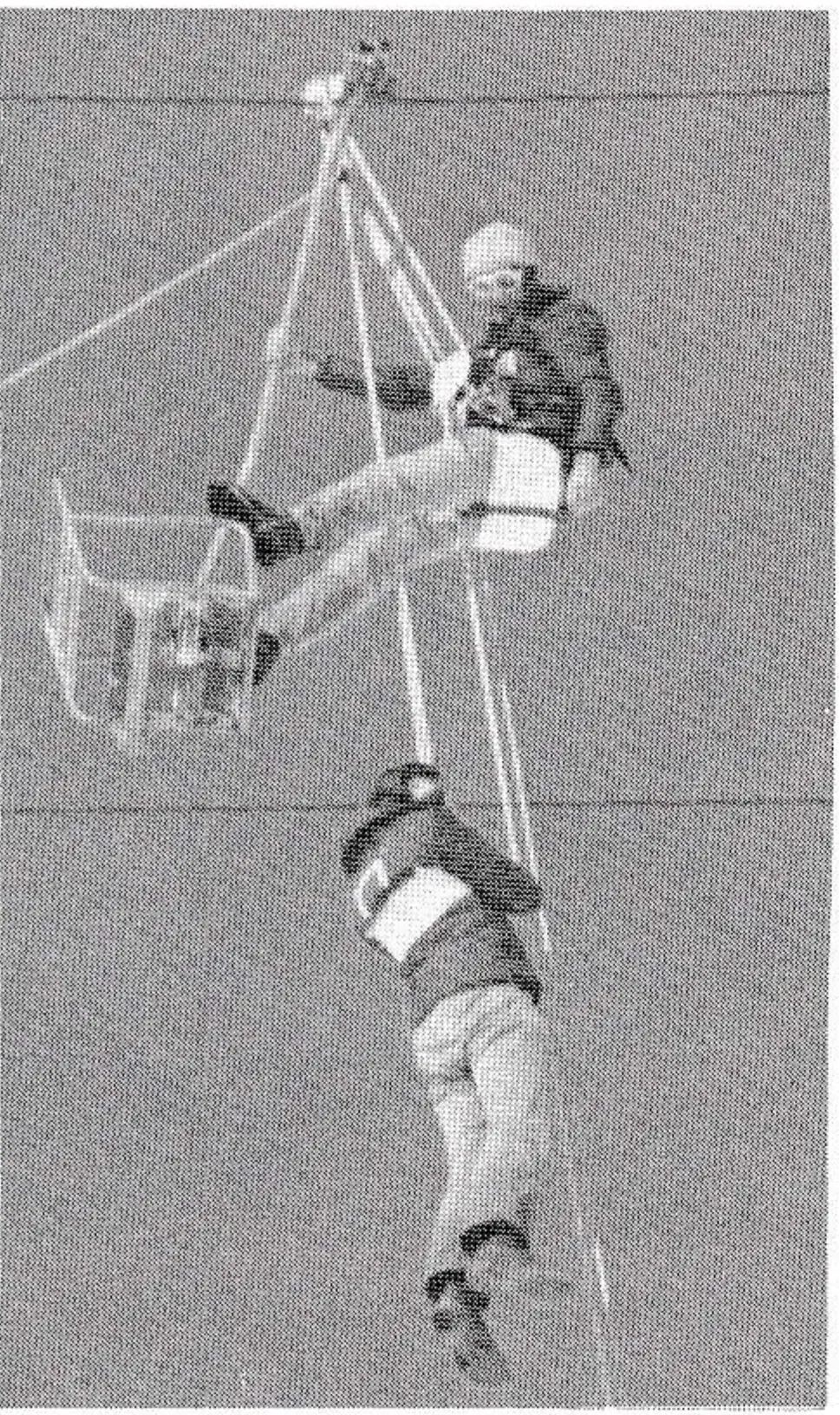
From New Zealand comes an evacuation system for removing stranded passengers from an aerial cableway. Designed and developed for the Mt. Ruapehu Ski Patrol by Patrol Leader G.W. Painter, with the help of D.L. Lamont and P. Walker, the system is particularly suited to areas using chairlifts with high towers.
Painter’s patrol has to contend with vertical drops from cable to ground of up to 100 feet. In addition, the area is subject to rapid weather changes that can drop temperatures 30 degrees and increase winds from 0 to 30 mph or more in less than an hour. Because of these various factors the more conventional approaches –ladder, passing rope from ground to cable and down again, rocket or arrow-fired line–were deemed impractical. The potential effects of cold and fright on a stranded skier made the patrol decide that a complete evacuation system has to involve moving a rescuer along the lift cable to each chair so that total assistance could be given to each passenger and without requiring help from that passenger.
The patrollers looked at using a marine “snatch” block to attach a rescuer to the cable, but it was unwieldy and required two hands to operate.
Eventually a block was designed that was light and could be operated by hand. The system devised involves four items of unique hardware which enables a rescuer: 1) to be attached to thecable at a lift tower; 2) to be belayed along the cable to the chair; 3) to lower himself to the height of the chair so that he is adjacent to the passenger. The passenger is then lowered to the ground by a simple chest harness. The rescuer can then ascend to the level of the cable to be fastened by a safety hook to the cable while the main traveling block is removed from the top side of the chair clamp and refastened to the lower side for the continued traverse to the next chair. At each tower the rescuer descends to an appropriate level below the cable, is swung into the lift tower when the cable block is unfastened from the cable on the top side of the pylon by an assistant, and refastened to the cable on the lower side of the pylon for onward traverse.
Field testing of the system has shown that the average traverse time of towers and chairs without removing people from the lift involved less than 30 seconds per chair. In a further exercise, 16 people were evacuated in an average time of 1½ minutes each. A practiced team can clear a double chair with an average time of 1 to 1¼ minutes per person, with very minor increases in adverse weather conditions, according to the designer.
The equipment is available for overseas sales. For more information contact Graham W. Painter, 180 Bleakhouse Rd., Howick, Auckland, N.Z. Mr. Painter is visiting the U.S. in the early part of the season.
Equipment for “Ruapehu System” evacuation
Rescuer’s Equipment
- Ruapehu Rescue Block”
- Ruapehu Self Cleating Harness Block”
- 20 meters 12mm Green Polyester Braid
- Chair Harness
- 300mm “Ruapehu Safety Hook”
- 100 meters 8mm Gold Polyester Braid Belay
- “Ruapehu Belay” and Karabiner
Passenger’s Lowering System
- 60 meters 10mm Blue Polyester Braid
- Chest Harness and Locking Karabiner
- 3 Part TAckle with Locking Karabiner
- “Ruapehu Blay” and Karabiner
Patents applied
This inventory is for a maximum of 20 meters vertical drop on reasonable terrain. Additional braid lengths would be required for greater vertical drops and more difficult terrain.