



Eldora Mountain Resort, located just outside of Boulder, Colorado, found itself in the middle of an environmental issue concerning a small snail, the Acroloxus Coloradensis, better known as the Rocky Mountain Capshell Snail. About the size of the tip of a ball point pen, the snail is believed to be among the oldest living creatures on Earth.
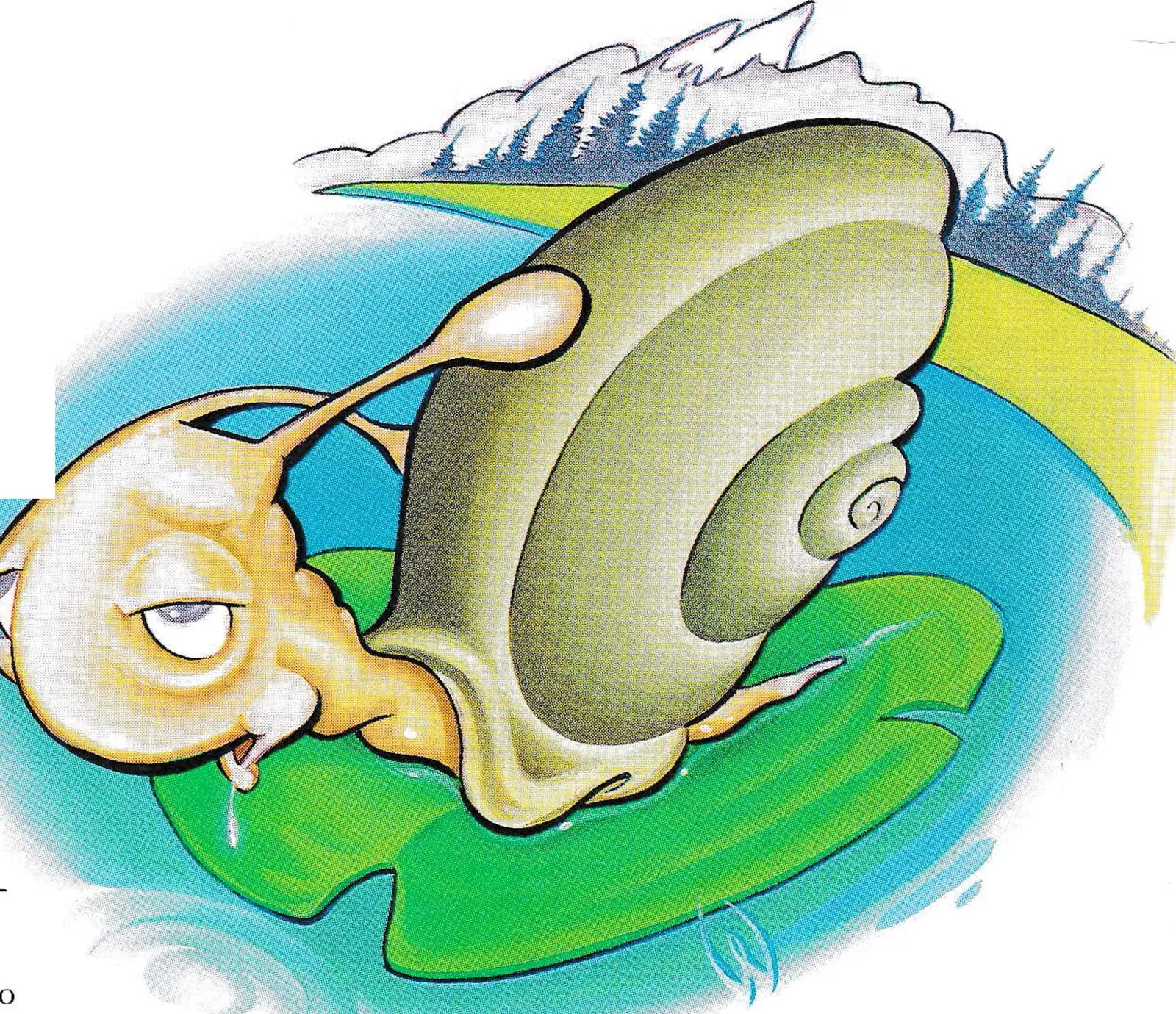
The resort draws water for snowmaking from Peterson Lake, a private lake to the east of the ski area, which is also home to the Rocky Mountain Capshell Snail. Based on past studies, it was believed that the snail was found only in Peterson Lake, Lost Lake in Montana and a few other remote lakes in Canada’s Ontario and Quebec provinces.
In 1992, a University of Colorado professor, the Boulder Biodiversity Foundation and The Sierra Legal Defense Foundation filed an emergency listing for the Rocky Mountain Capshell Snail to become an endangered species. The filing was based on a study, conducted in 1989 by the University of Colorado, that showed a decline in the population of snails in Peterson Lake since 1970. The population was thought to be diminishing due to the fluctuating water levels attributable to snowmaking. The suit contended that snowmaking operations would need to be limited in order to protect one of the only known populations of the snail.
In response, Eldora Mountain Resort voluntarily took a lead role in forming a working group to further study the snail.
The group consisted of: The U.S. Federal Fish and Wildlife Service; The Colorado Division of Wildlife; The U.S. Forest Service; Dr. Wu from the University of Colorado and the Boulder Biodiversity Foundation. Bill Anthony, Roosevelt National Forest District Ranger said, “Eldora demonstrated a leadership role and took an ecologically and socially responsible approach to developing their potential as a ski area.”
The working group first determined that really very little was known about the snail’s habitat, its population or its behavior. The group agreed that more studies were needed to find out its true state.
At this point, Eldora Mountain Resort voluntarily agreed to limit the amount of water used from Peterson Lake for snowmaking. As a result, Eldora had to develop a management plan for making snow in the Corona pod, the focus of Eldora’s advanced skiing terrain, and considered to be the major element for the area’s future success. Without snowmaking, the Corona pod would only be skiable perhaps 30 days of a season.
Determining Population
The working group decided their first course of action should be to determine the actual population of the capshell snail.

At the time no funds were available to conduct the search for snails. Eldora Mountain Resort, the Division of Wildlife (DOW) and private sources agreed to fund the project.

In the summer of 1993, a study was conducted to identify lakes in Colorado that had characteristics similar to Peterson Lake with regard to water quality, depth, subsurface structure and temperature. Chuck Lewis, Eldora’s CEO, commented, “The cooperation from the DOW was very important in this process. Their Lake Data Base gave us a starting point with which to identify which lakes in Colorado were similar to Peterson Lake. Without this information, the search would not have been conducted in such a timely manner, nor would it have been as thorough a study.”
Eldora then hired Pioneer Environmental Consulting of Logan, Utah, to spearhead the search for more snails. Two teams of scuba divers hunted for them in 27 high altitude lakes throughout Colorado. When the search was completed, healthy populations were found in 20 percent of the lakes surveyed. The researchers also determined that the snail lives at different depths in the lakes, from three to nine feet below the water level, and does in fact survive in fluctuating water levels.
Based on this study, the Fish and Wildlife Service is reevaluating the request to list the capshell snail as an endangered species. The working group is continuing to study the snail to learn more about its behavior, its habitat and the population.
Tom Spangler, Eldora’s general manager, draws a conclusion from the project: “The lesson to be learned here is that when these groups work together, solutions can be found. We are proud that forming the working group was a Successful approach to solve this issue and the process worked in our favor.”
To date, Eldora Mountain Resort has spent well over $100,000 in related fees and research on this project, not to mention the lost revenue from not being able to make snow in the Corona area.
Even small ski areas can be impacted with environmental issues. Ski area operators must take a leading role in working with environmental organizations and federal agencies to find solutions to environmental issues. “Fortunately, everyone concerned was motivated to find a solution,” said Chuck Lewis.
As a result of the continuing work of Eldora and the other agencies, more is known about our environment and ecosystem. Our resort can grow and develop, providing the public with exceptional winter recreation in the process, without posing an environmental threat.

