

Back in 1998, Burton completed a study that showed just one in 10 people who took a first snowboarding lesson came back for a second. “That equates to a 90 percent failure rate,” observes Shaun Cattanach, Burton’s LTR and resort project manager. “And, while it didn’t tell us if some people went off on their own and continued with snowboarding, it did say we couldn’t keep people interested in learning.”
In response, Burton asked riding instructors and key people from the American Association of Snowboard Instructors (AASI) to help create equipment that would make it easier to execute fundamental riding skills. The goal was to render lessons more effective and valuable enough to bring students back for more. The company designed two boards and a boot/binding system specifically to that end, and the Burton LTR program was born.
The Method Center Method
For the 2000-01 season, Burton teamed with a dozen resorts to set up Method Centers and teach with the new gear. (Currently 50 resorts worldwide are designated Method Centers; ten are Kids Method Centers.) To become a Method Center, resorts commit to certain elements: an unintimidating and user-friendly environment; classes as small as a four-to-one student/teacher ratio, taught by AASI-certified instructors; training of rental shop staff and instructors with the LTR products; close coordination between rental shop and ski school; and stocking a sufficient supply of Burton LTR equipment.
For all the requirements, Burton is careful not to tread on the resort’s snowboard-school turf. That is, it leaves the teaching system up to the resort. Jeff Boliba, Burton’s resort and LTR manager for global markets, points out that resorts and Burton are partners. “Our goal is to help resorts compete and be profitable with what we’re doing,” says Boliba. “The easiest way to do that is for a resort to plug [the Method Center] into its own existing program, instead of creating a completely new program or lessons. It’s easily done, and we leave specific decisions up to the resort. Each market, snowboarding school and rental shop is different.
“The biggest obstacle for us is that a lot of resorts think we’ve created our own way to teach, that we’re going to change the way they’re teaching. But that’s not true. We’re preaching what AASI is preaching. But we can also offer what’s working best in Canada, Japan or Europe; we can give tools to resorts that they can apply.”
Support for the Resort
As part of its information sharing, Burton stages two product training clinics per year at each resort. First, a summer strategy clinic reviews the previous season and plans for the coming one, evaluating the resort’s needs in terms of the equipment line, improving rental shop traffic flow, and marketing the program and equipment.
In November and December, on-snow workshops prep the resort staff for the coming season. “The rental shop crew sets up the equipment for the instructors, and the instructors set up the rental shop crew,” Boliba says. “It gets a working relationship going between the two and familiarizes them with the equipment so they can answer customers’ questions.” The Burton staff also tutors instructors in how LTR gear performs. Says Boliba, “They have to believe in the equipment to pass on the confidence to students.” In addition, Burton provides special board-tuning tools, and reviews waxing techniques and board set-up procedures.
Josef Jung, Stratton Resort’s manager of ski and snowboard rental, likes Burton’s involvement. “Burton’s people come by several times through the winter,” he says. “They look at how things are being done and bring in information on how others are doing it. We’re working together with them and the other resorts. It’s not competitive; a supportive information exchange is going on.”
Burton also supports LTR through print materials and a Method Center website with direct links to participating resorts’ snowboard school web pages.
Customizing the Method
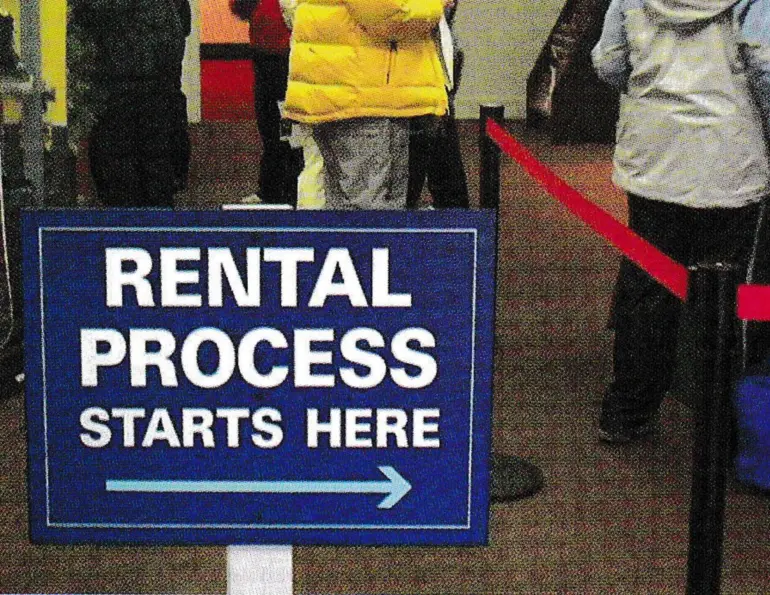
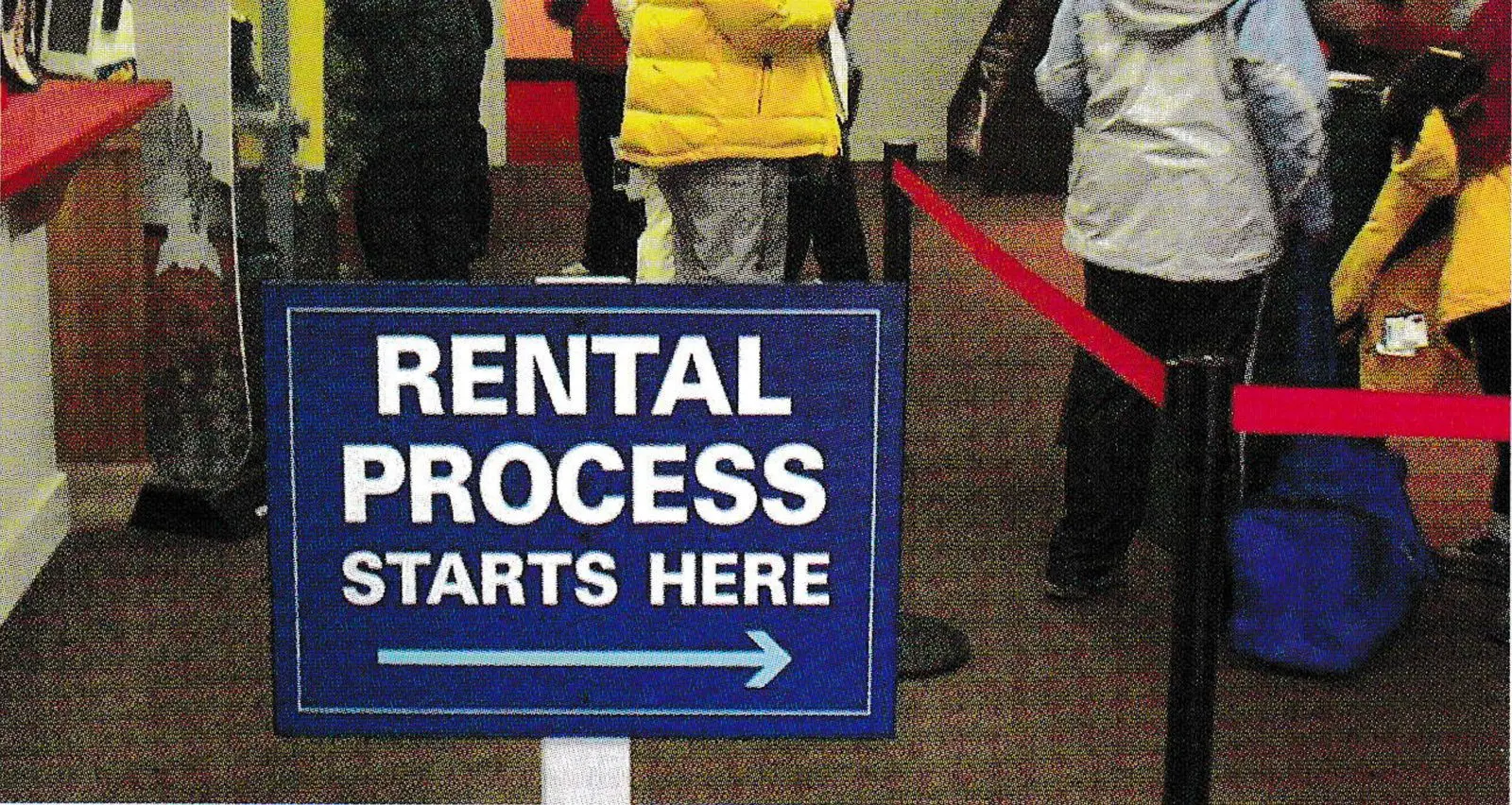
Each resort individually establishes its own on-snow program. At Breckenridge, LTR is sold only as a one-day program, after which students move into regular snowboard classes. “We have priced it as a premium product above the cost of class lessons, but below the cost of privates,” says Dan Huston, assistant director of the Breckenridge Ski and Ride School. “Our price point ($175 last year) helps us in that, if we have just one student, it’s still worth doing.” New riders meet their instructors in a separate LTR location, are walked through the rental shop experience, watch a video that previews the on-snow experience and eat lunch with their teacher.
At Stratton, day-one LTR was sold in 2001-02 as a $95 package, along with a learning park lift ticket and all-day lesson; a day-two lesson was an add-on. New riders registered at the ski school desk and obtained their equipment by passing through the rental shop as any other rental customer does. However, for this coming season, Stratton plans to have instructors walk their students through the rental process, much as Breckenridge has done.
Both Breckenridge and Stratton are also designated Kids Method Centers. At Breck, that means providing extra teaching elements, such as:
- Vew-Due (balance) boards on which kids do balancing exercises before going on-snow
- A Burton-supplied trampoline in the learning area, where kids play with edge-to-edge movements
- Learning areas serviced by conveyor carpets
- Initially accessing the slopes “on foot” via high-speed lift while boards go uphill via snowmobile, allowing a nonthreatening introduction to lift riding.
- A completely dedicated learning run with no through or cross traffic
- And access to a mini-feature zone with terrain park features built on a small, beginner-friendly scale
Burton is increasing its support of kids’ programs this season by offering a 90-centimeter board and boots as small as a child’s size 11.
Is It Cost-Effective?
LTR adds cost, but Jung feels that it’s worth the investment. “Specialized equipment is always more expensive,” he says. “But this equipment delivers great advantages to the first-timer, because it’s really high-tech compared to regular beginner equipment.” Indeed, Jung and his Intrawest peers are in the process of switching completely to Burton rental boards, in spite of the higher cost.
That’s because success breeds success. “The product is out there now, and people come to the shop asking if we have it,” Jung says. “Ninety-five percent of the people decide, ‘Even if it costs a bit more to rent, this is what I’m going for.’ I’d say it definitely has increased our revenues. LTR puts you in a different category, because you are a pre-selected ski area. It definitely pays back.”

Breckenridge has had a similar experience. “The product has great name recognition, and we feel LTR is the best state of the art learning tool in the industry right now,” Huston says.
Does It Create Converts?
But, does LTR create dedicated riders (i.e., customers who keep coming back)?
“We track our customers somewhat,” says Jung. “I’m guessing LTR has increased the retention rate by at least 50 to 60 percent. We track newcomers for three or four visits—after the first day, about 60 to 65 percent come back; then, the next time, about 45 percent.”
Says Stratton’s Brian Spear, “From my personal experience—absolutely, people are coming back. Once people get going, they make fast progress, and they stick with it. We get a lot of people who tell us they were here last season, and now want help with a different terrain challenge. We definitely see a lot of people in more advanced lessons who say they took LTR—and show pride in having done it.”
Burton’s Cattanach cites data from an early Burton retention-rate study. “Initial results have been anywhere between a 45 and 80 percent retention rate, based on people coming back for second lessons.”
Jung agrees. “It’s definitely a good approach,” he says. “This is a very successful introduction-to-snowboarding program.”
Gear to Learn On
Burton calls its LTR gear an interface system—the board, bindings and boots all work together to make the learning process as easy, and as painless, as possible.
The “Day One” boards are short, twin-tipped and super soft, so that they are easy to twist and bend. The edges extend further than usual into the tip and tail transition zones, and the base is beveled three-degrees, a combination that averts caught edges and body-slamming falls. A super-slippery base allows easier flow into turns and, a boon for rental shops, requires less waxing.
The Cruzer (or Day Two board) is somewhat longer, stiffer and directional, and can be effectively used by low-intermediate and intermediate riders.
The boots are soft-flexing, offering better feedback to the rider, but an arch cross-strap and customized heel-hold maintain support. The step-in binding has a tool-free forward lean adjustment and an external high back to supply strong heelside leverage.
—MK
