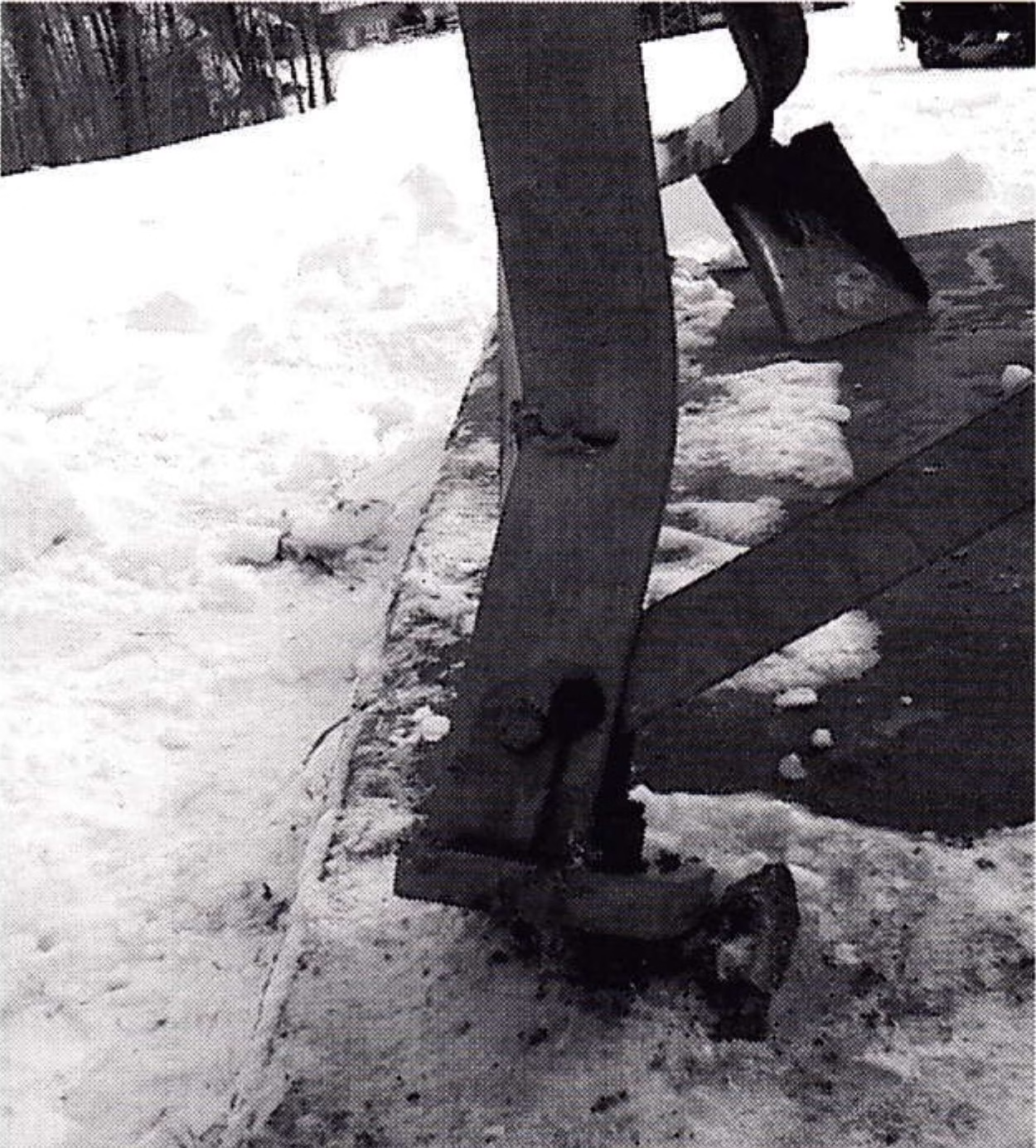
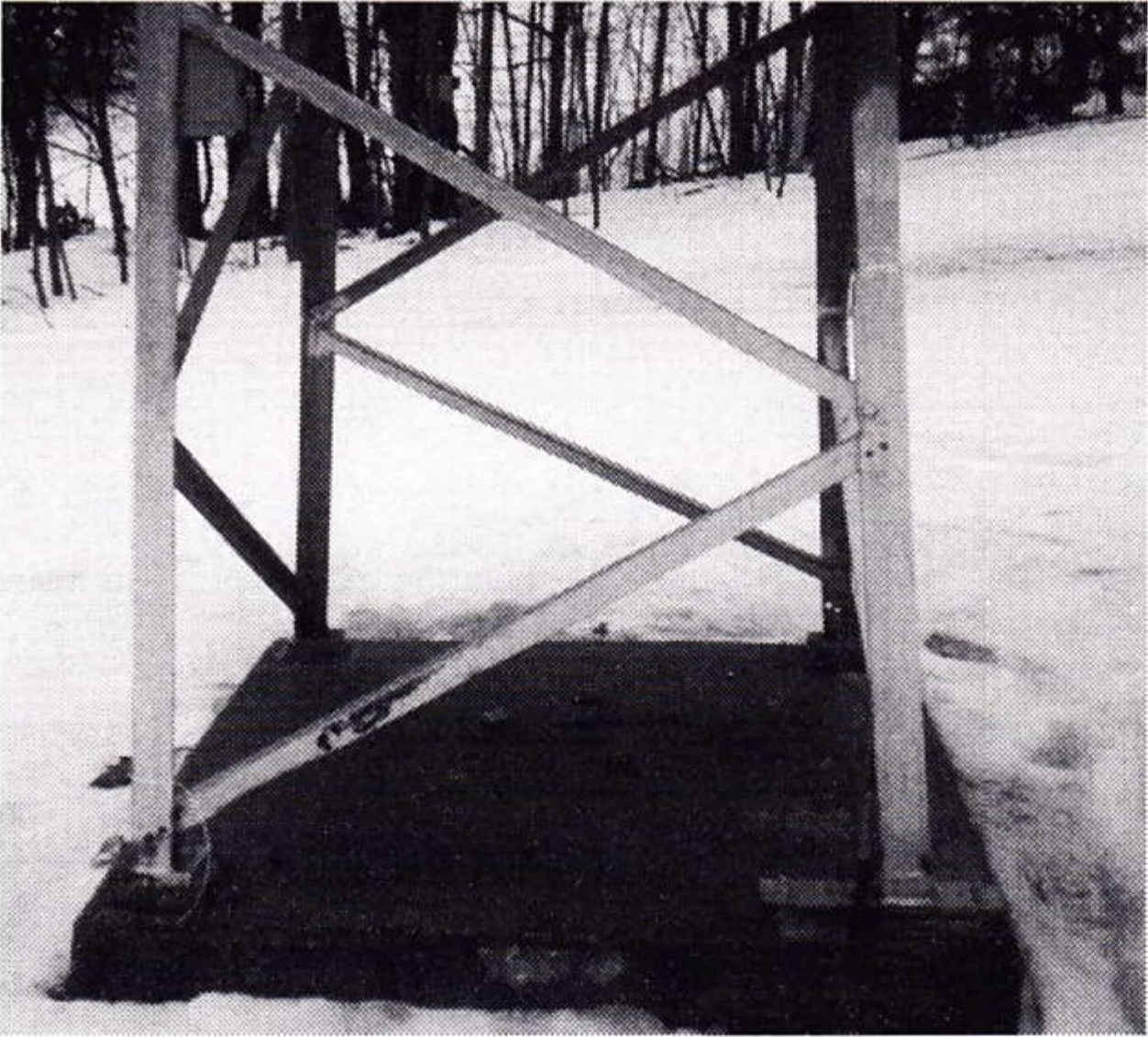
At Brodie Mountain Ski Resort, Mass., this season a Pisten Bully 260 collided with an open-frame, galvanized tower on February 8 with enough force to twist the cross arm, almost derail both ropes, snap the Pisten Bully’s blade and wake up its driver. The primary damage was limited to the tower’s right, uphill leg, but due to its abrupt length change, the whole tower was suddenly experiencing unknown loads.
The crew immediately shut the lift down and the damaged tower was fenced off. After reviewing the damage to the legs and struts, all the bolted connections were carefully loosened to relieve the stresses on each bolt and the braces were removed. Next, the damaged leg was cut off above the first cross-brace connection, the anchor bolt nuts were removed and the leg piece was taken to the shop to use as a pattern for fashion-ing a replacement. The anchor bolt was straightened and its threads were chased.
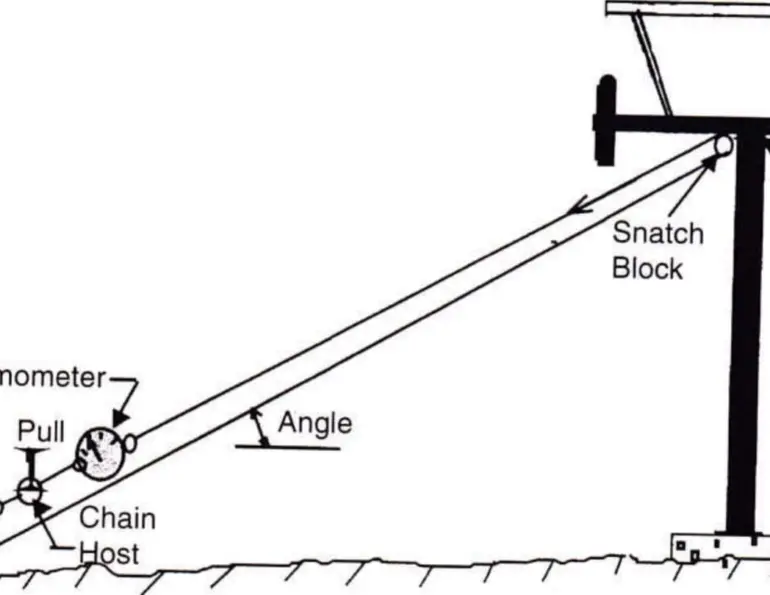
At the same time, an undamaged PB 260 showed up and was parked—facing downhill—125 feet above the tower and beneath the up-hill rope. A three-inch nylon choker was wrapped around the end of the uphill cross arm and a 3-ton snatch block was installed. Then, a load-rated chain was wrapped around the left end of the groomer blade, and a three-ton chain winch and 5,000-pound tensiometer were attached in series between the blade and the end of a 3/8-inch by 300-foot piece of wire rope. The rope was passed through the snatch block and looped back to the blade. Initial slack was removed by the groomer until the tensiometer read 500 pounds.
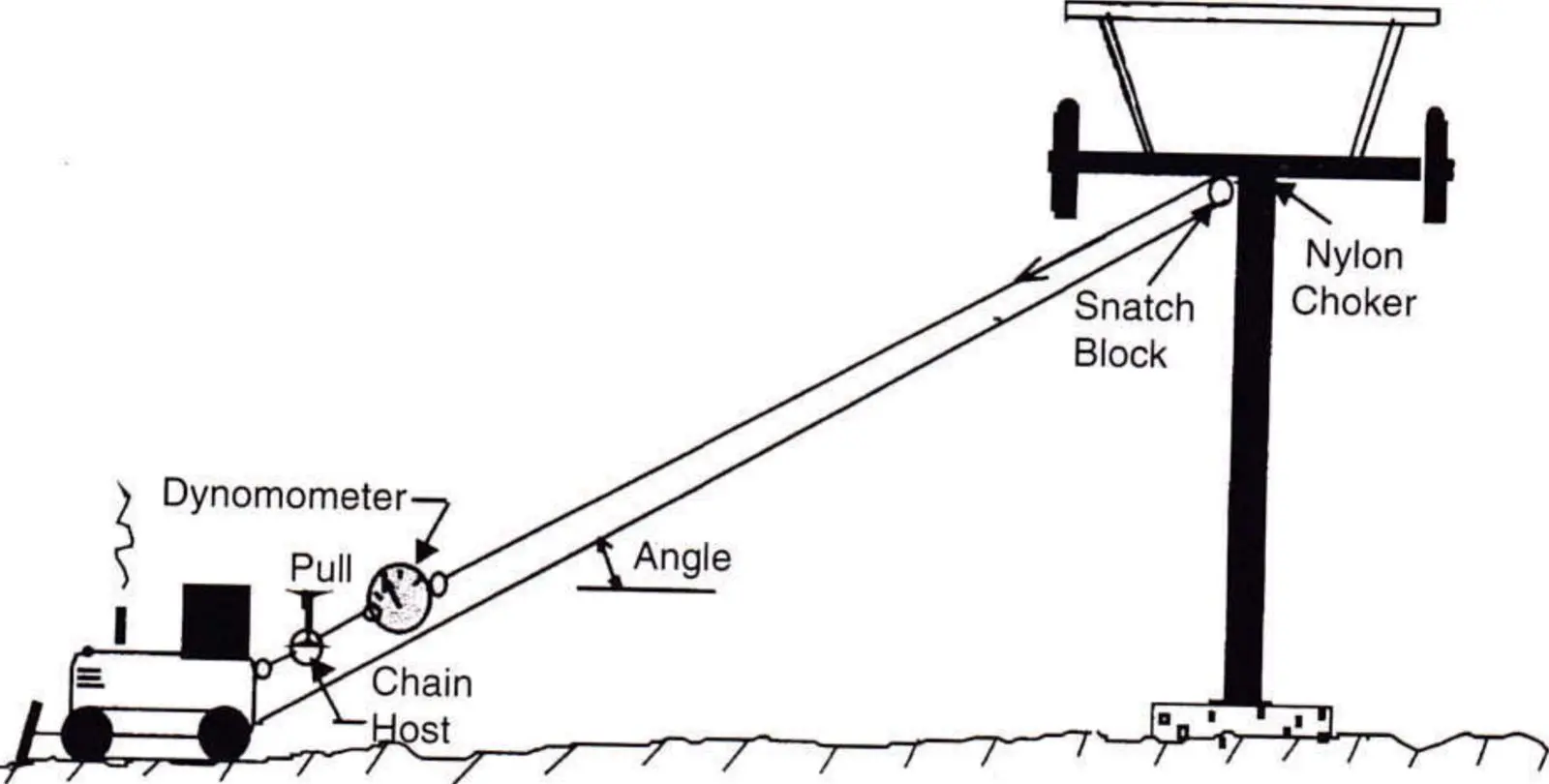
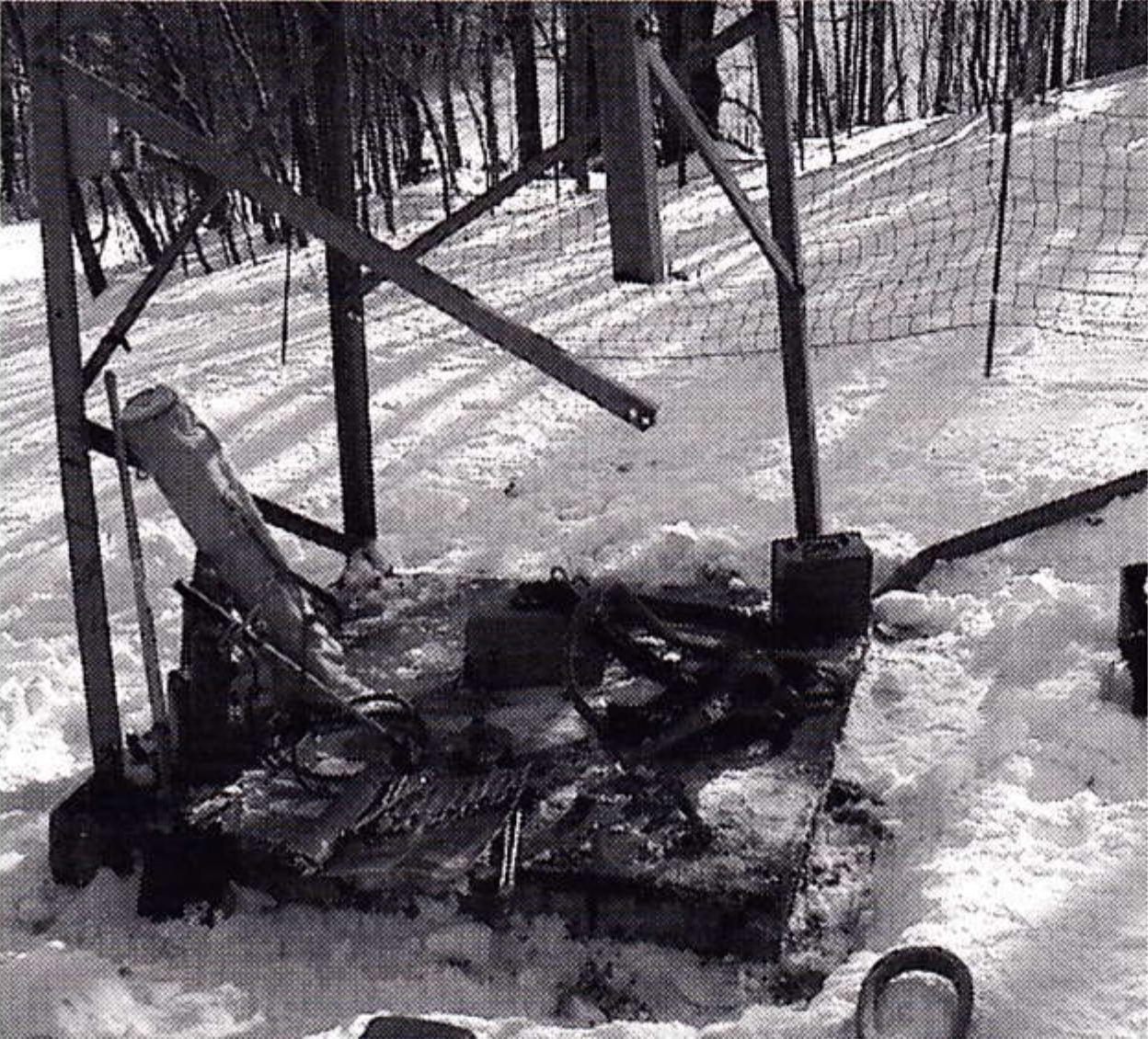
The next step was to station two crew members on the ground to check alignment of both sheave assemblies. Pulling force was then applied through the chain winch until it reached 2,600 pounds, aligning both sheave assemblies and returning the tower cross close to its original position. (It’s always important to use some type of load meter when rigging a repair of this type to allow the mechanic or engineer to evaluate the force required to realign the tower without reaching its strength limit.) The rigging was left in place until a new leg section and four new braces were installed on the straightened anchor bolt. Two additional 3/4-inch anchor bolts were drilled into the concrete through a new base plate and the nuts were tightened. The lift opened the next day.
An alternative plan to this permanent repair would have required transporting a similar tower from another ski area, dragging it up the slope and substituting it for the old tower after the communication line and sheave assemblies were removed. This type of fix would have taken too long so area managers decided to go with the faster repair.