


Field lubrication photos and captions courtesy of Daniel O’Connor & Sons.
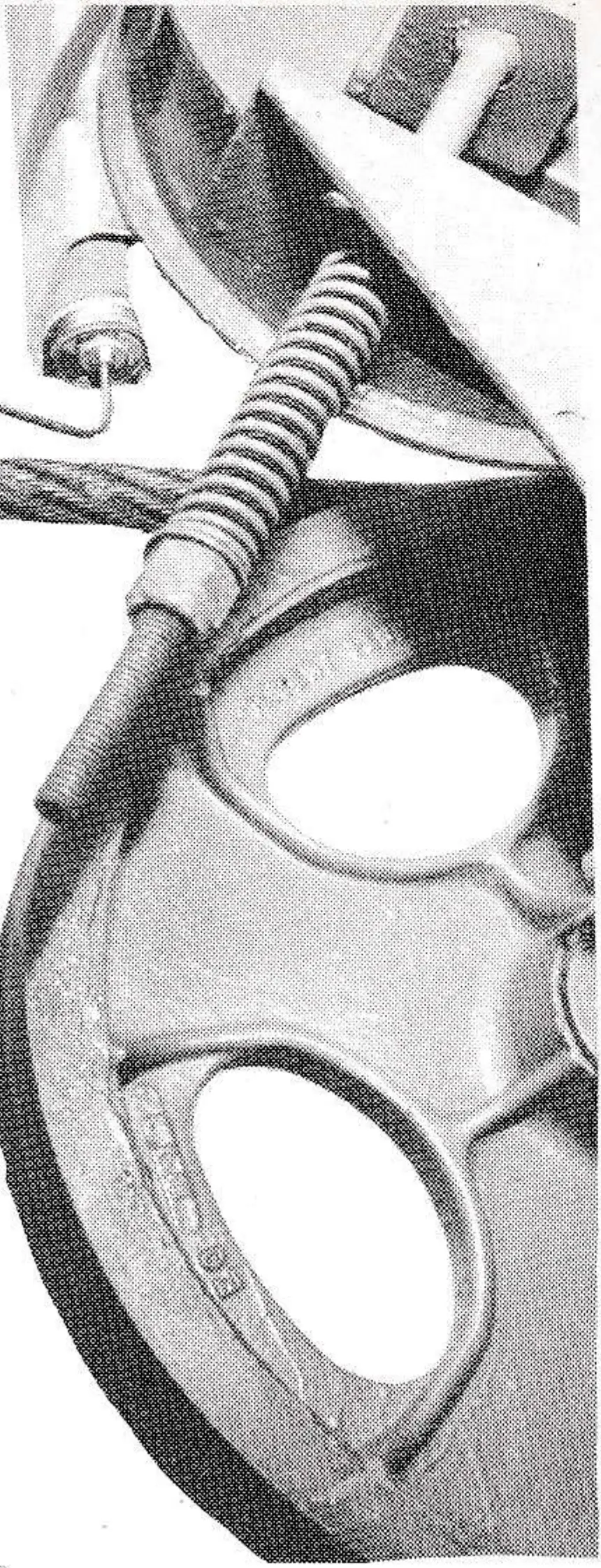
The haul rope on ski lifts just goes on and on and on—at least that’s what many mountain managers and maintenance men seem to think about it. The result is that haul rope is often the stepchild of the lift maintenance procedure.
In fact, haul rope should be inspected regularly to determine if it needs lubrication to help clean it, control surface rust and to prevent the initial lubricant on the inner wries from drying out. Regular relubrication can significantly extend the rope life.
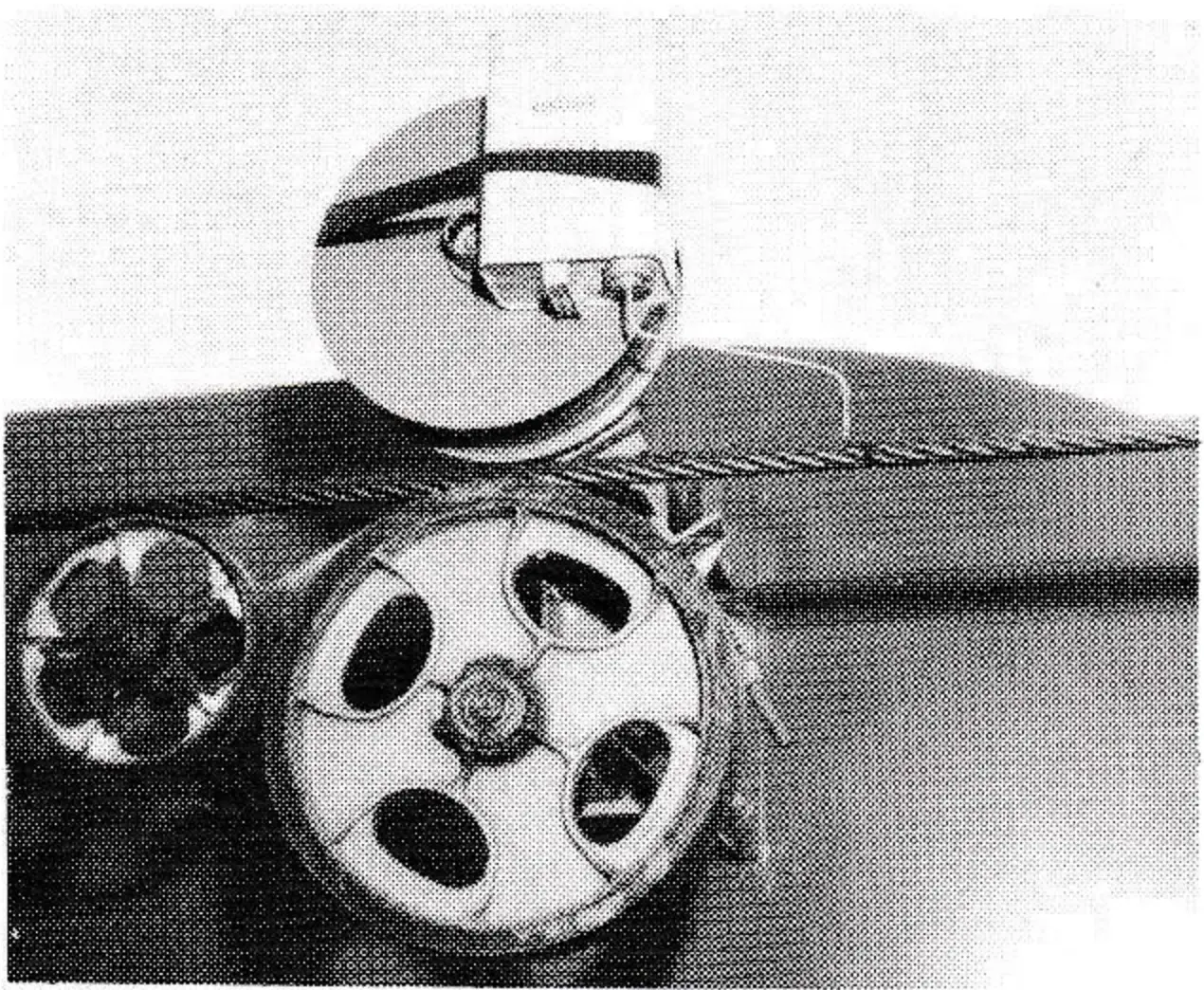
For ski areas using non-petroleum lubricants, like the Vitalife 500 used in much rope manufacture, there are some rough guesses on the amount of oil to use in relubrication. In the manufacture of wire rope, lubricant is pumped on to the wires as they converge just ahead of the die in the stranding operation. After the strand is formed, it is tight-wiped to remove excess lubrication from its periphery. Spools of strand are then allowed to sit and the excess lubrication drains into pans. Finally, the strands are closed around the core. No lubricant is applied at this closing operation.
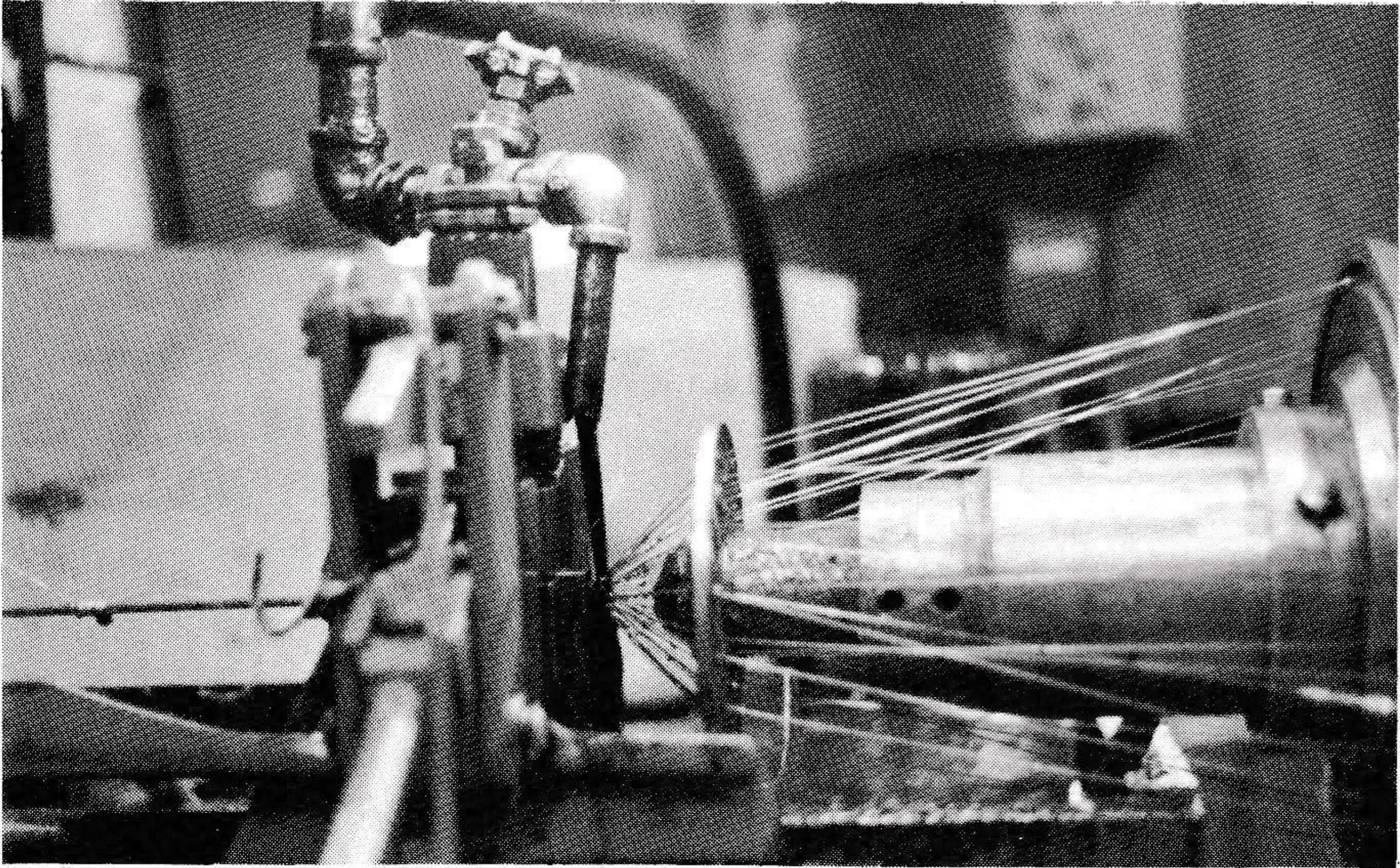
During the manufacturing of strands, about 55 gallons of Vitalife 500 are used on strands that will make approximately 40,000 feet of 1⅛ inch ski lift haul rope. On the basis of weight per 1,000 feet of rope, lubricant for other diameters of haul rope can be computed as follows:
| Diameter of Haul Rope | Gallons of “Vitalife 500” per 1,000′ |
|---|---|
| 1/2” | .22 |
| 5/8” | .34 |
| 3/5” | .49 |
| 7/8” | .67 |
| 1” | .87 |
| 1-1/8” | 1.1 |
| 1-1/4” | 1.36 |
| 1-3/8” | 1.64 |
It is fair to conclude that relubrication in the field would not need to exceed one-half of the amounts listed for various sizes of haul rope. However, remember that there will be some loss from spillage and handling during the application of lubricant to a rope under field conditions. In actual practice, about .1 gallons of lubricant per 1,000 feet of ½ inch haul rope, will not be sufficient. On the other hand, .8 gallons per 1,000 feet of 1⅜ inch haul rope may be more than adequate.
The frequency of relubrication is much more important to good rope life than in the quantity of lubricant applied at any one time. At best, relubrication is a supplement to the initial lubricant applied at the time of manufacture.