It’s 4:30 a.m. No matter, Harry Baxter is at his station, telephone in hand. Harry is calling me to tell me that it’s been snowing like mad most of the night at Sugarloaf, Maine. Thanks a lot, I say, and roll over in my warm bed for a couple more winks.
Odd thing to happen, but this is an odd business.
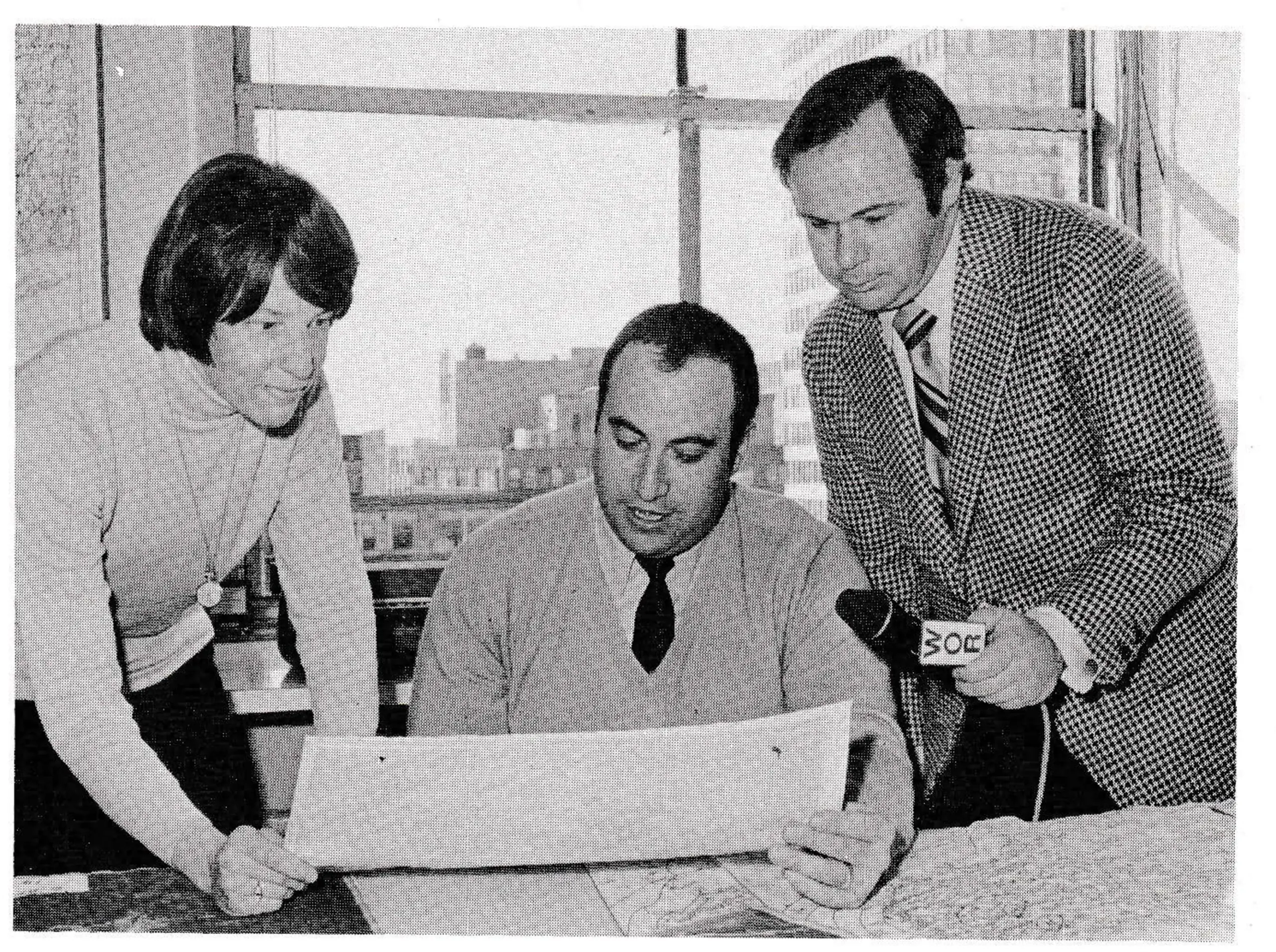
I’m a radio snow reporter—at least I have been a parttime radio snow reporter for the past couple of years. My beat is New England, and I broadcast over WOR in New York City. In real life, my business has been in print—I work for Ski Magazine—and I’m used to being asked, or at least invited, to publicize the ski business and ski areas. What grabs me about the radio snow reporting business is that so many ski areas simply don’t care. They don’t care if I mention their name during afternoon drive-time so that millions of people hear it from Rhode Island all the way down to Delaware on 50,000 watts with Bob and Ray doing the lead-in—free. FREE! Or, at least for the price of a telephone call.
Some ski area people are so uptight about snow reporting that they ignore a call from a multiple station reporter who can put their area name in the minds of every person listening to any one of 17 stations, three times a day, 18 times a week for 15 weeks.
Others hire a robot to read verbatim from a prepared script: “Good to excellent. Two- to 48-inch base. Packed powder surface.”
“What’s the weather now?”
“I don’t know.”
“Huh?”
“I don’t have a window and haven’t been out since I came to work this morning.”
It’s been said that everything worth saying about snow reporting has been said and that radio snow reporters have nothing to add to the fund of knowledge. Dwell on this for a moment: surveys show that more skiers get their pre-ski-day information about snow conditions from radio than from any other source. More skiers believe the snow condition reports heard on radio than they do those from the ski areas. Radio is current, it’s today, now; not 24 to 48 hours ago. What this indicates is that the radio snow reporters must be doing something right.
“The ski audience is a lot smarter than the area operators give them credit for,” says Stan Bernard of WINS in New York City. “My first obligation is to them, the listeners, to give them guidance to good skiing. My sources for information are vast and varied, but I like to have current, factual and objective reports from the areas as a prime source. My mail indicates that people believe me. When I’ve reported an area wrong, I don’t get murdered, but the area sure does.”
Bernard says the key to his reports is the relationship that he has with area personnel. “There are people I have never even seen, but I can sense their honesty and fair play. If they haven’t personally skied the mountain, they ask people who have to tell them how it is.”
Many radio reporters talk with 20 to 30 or more areas per day and with this collection of information, plus other sources of data they put together an interpretive report, rather than a straight recitation of statistics. The newest attempt at interpretive reporting is the Sno-Net service which is broadcast over more than 20 stations throughout the East. Sno-Net’s general manager, Phil Cohen, says his biggest problem is lack of calls when conditions are poor. “We report on a region and mention areas that do call, but when the weather is bad listeners get the impression that non-calling areas are closed.”
Ted Lux of WJW, Cleveland, Ohio, says non-calling areas lose business during good weather, too. “On Sunday mornings snow can be falling; people are going to go skiing, it’s just a question of where. Areas within two hours drive that have reports on the air get the business. I know this because listeners often call me and ask about specific places that are not mentioned in my reports.”
Cohen maintains that some area people have a wrong impression about snow reporters. “We’re not out to torpedo the ski areas. If they go out of business, so do we. But, frankly, the ideal will be reached only when all the area operators realize that it is to their benefit to be honest.”
That word “honest” keeps coming back like acid indigestion. Don Dooley of station WEMP, Milwaukee, Wisconsin, says ski areas are getting more honest.” Some have always been scrupulously honest. Some lie continuously, because the people reporting have big money in their ski venture. But with snowmaking and grooming there is a new attitude about reporting—better than a few years ago.”
Roxy Rothafel, the man who set much of the tone and style for current interpretive snow reporting, broadcasting on about 20 stations on the Eastern seaboard, maintains that snowmaking and grooming have added to the problems of accurate, descriptive reports. The snow quality and techniques of making snow differ from one area to another. Grooming is further compounding the difficulty because the amount and method of grooming depends on the amount of money an area wants to spend.
Roxy claims that half-truths about conditions more than outright lies are hurting areas today. “An area reports that they got four inches of snow in the morning, but they omit the fact that it changed to sleet and then to rain by 10 a.m. and has been pouring all day. Or, you call a guy and ask how conditions are and he says, ‘Well, we have a lot of people skiing out there and they haven’t complained.’ That’s not reporting,” he says.
“Areas are jealous of their reports because they are in a highly competitive business,” he explains. “Each one wants to attract the maximum number of skiers. But with the cost of skiing these days most people cannot afford to face uncertain conditions. Areas have to report the bad as well as the good. Snow reporting could reach the point where skiers turn to consumer complaint departments when they think they have been misinformed.”
While some, or even most, areas are accurate and informative, the few who don’t tell it straight shake the skier’s belief in all areas, according to Jim Esch, WROW, Albany, N. Y. “The words used in snow reporting have to be consistant so that everybody understands a common language,” he says. “The terms have to be meaningful. Call it rock hard ice if that’s what it is. An area is dead for the season if skiers go there under the assumption that it is ‘fair’ and they ruin their skis.”
This particular communication gap may begin at the source: with the people who are doing the initial rating. Judging snow conditions is subjective, and putting labels on it is a dangerous business. I believe that one answer is to provide the key raters — ski patrolmen, ski school or mountain personnel — with independent pre-season training. Let them set standard methods of skiing a mountain — ski down the middle of trails where the average duffer goes rather than the sides where they are capable of skiing, etc. — to make estimates of conditions. Let them define terminology so that similar conditions — frozen granular or spring skiing — will mean the same thing from one area to another and one region to another. With this kind of consistancy, skiers can make more informed judgements.
One mountain manager, in deploring the current system, told me the only legitimate report for any given day would be “poor to excellent.” Since skiers automatically knock ratings down one or two pegs, if you get some snow, even cover, fine grooming, snowmaking, the whole bit, where do you go from excellent?
Here are some specific suggestions from radio snow reporters about how ski area operators can get the greatest benefits from their services.
- The person who gives the snow report — whether he calls the radio station or is called — should be a knowledgible person who skis, can describe the trails, snowmaking, lifts and other facilities. He or she should be able to converse and asnwer questions about snow conditions.
- The reports themselve can include specifics: which trails or sections are closed and why, where is the best skiing on the mountain, where and how much snowmaking was done. The more colorful, memorable and interesting the report, the more likely it is to be on the air and remembered by listeners.
- Keep the reports current. Even if you called in the morning, if there are dramatic changes during the day, make sure the radio stations get this informations.
- Include the future. If you have a weather forecast, brief the station; if you plan snowmaking or grooming, summarize it and its end results. (Be sure the mountain crews do the work you announce, too.)
- Cross country touring reports should describe the consistancy of the snow, amount of fresh snow and other details. The wax recommended by your pro is also useful.
- Some radio reporters will mention special events, news and features happening at the mountain, particularly early in the week when weather is not uppermost with skiers. Add these bits to your report. Sometimes they’ll be used, sometimes not. It can’t hurt.
- Call on time. If the radio station says they want reports by 3:30 and you call at 3:35, you are probably wasting your money — the reporter may already be broadcasting.
- The person doing the calling should have good telephone manners. A pleasant voice helps, too.
- Whatever else you do, CALL. When conditions are good, call; when conditions are bad, call. Skiers hear the name of your area, they know you exist — you can’t buy better publicity than that.