


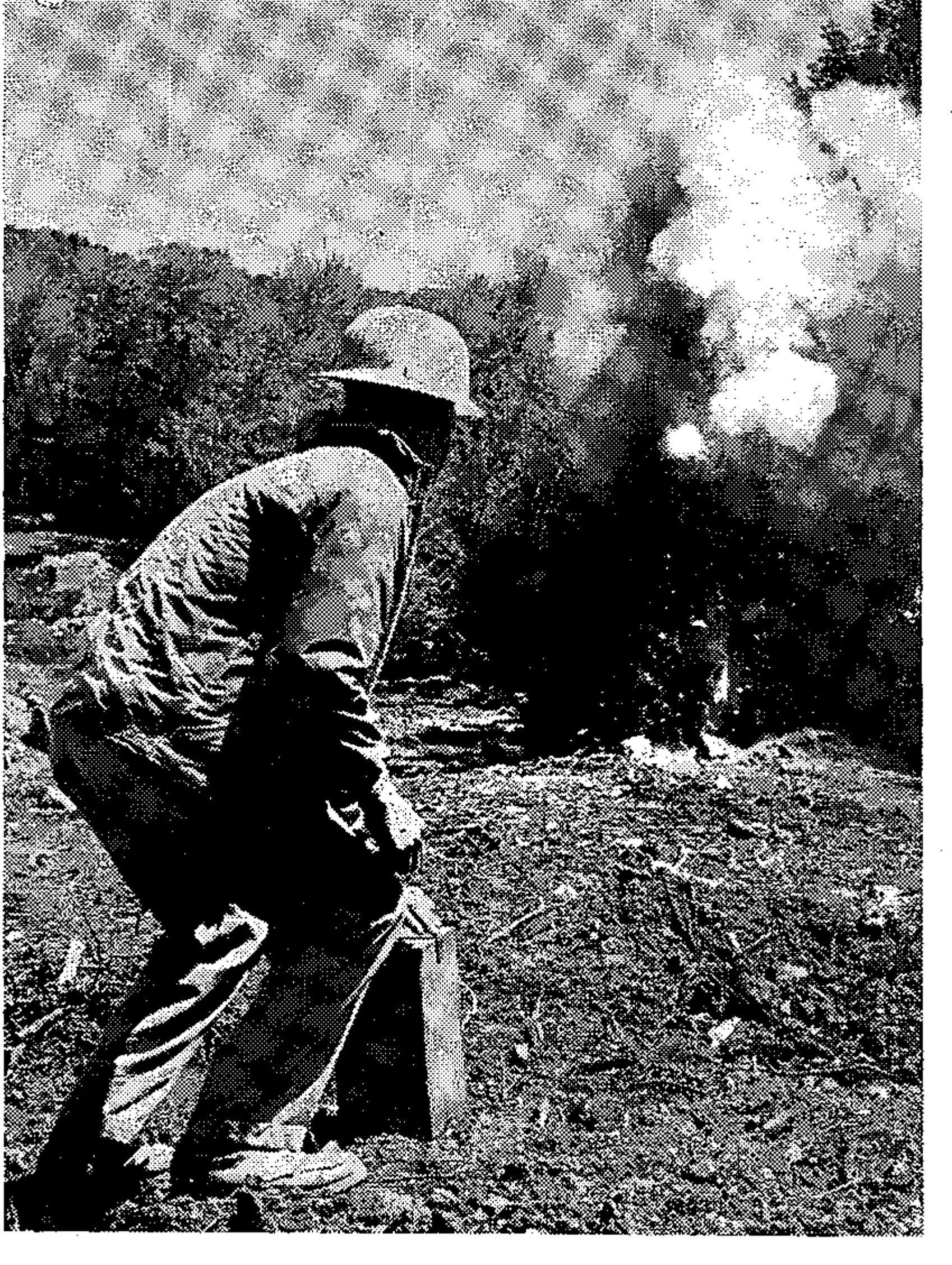
Time was when a ski area would close its doors with the last kernel of spring snow and unobtrusively sit out the summer months in preparation for another winter. But that isn’t the case today. With larger investment required for entry into the ski business, more planning is needed to utilize that investment in the summer months.
From the outset Stratton Mountain in Vermont was planned as a year-round resort. And where the mountain is the key to Stratton’s winter success, the new golf course will be part of the answer to summer business.
H. O. “Tink” Smith of the Stratton Corporation, sums up the situation succinctly: “If you’re going to plan on summer seminars and conventions you’ve got to give them something to do—something that will attract them in the first place. A golf course is part of the solution.”
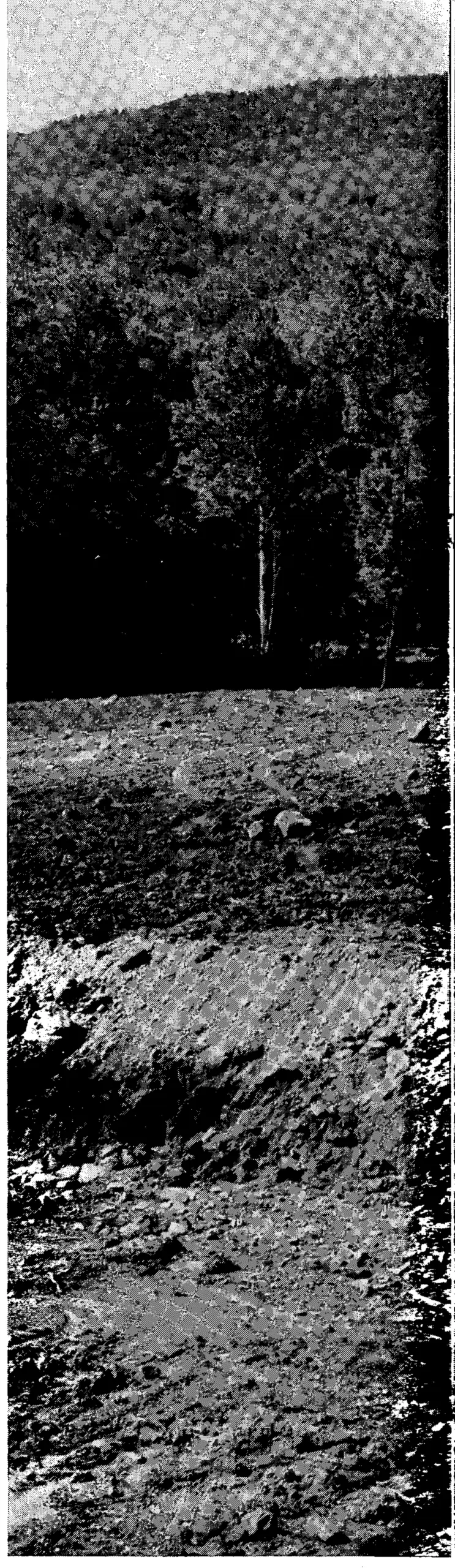
Smith’s advice is worth noting if you entertain any ideas of building a golf course at your area. Detailed plans for the Stratton course were drawn up in 1963 by Geoffrey Cornish of South Amherst, Massachusetts, well-known golf course architect, and designer of some 51 courses over the past ten years. A site containing about 200 acres located half-a-mile downhill in the valley below the Stratton Mountain Village was chosen because of its relative flatness, good water supply and heavy covering of topsoil.
Because the last nine holes of the proposed eighteen were expected to be the toughest, and because they were closest to the Stratton access road, thus reducing initial transportation costs, they were tackled first. During the winter of 1964 they were surveyed, and with snow still on the ground, the merchantable timber was cut and sold. Three holes were cleared and partially bulldozed in early May along with the 50 car parking lot. This work was done during the “mud season” when the mountain was still too wet for bulldozing new trails and lift lines.
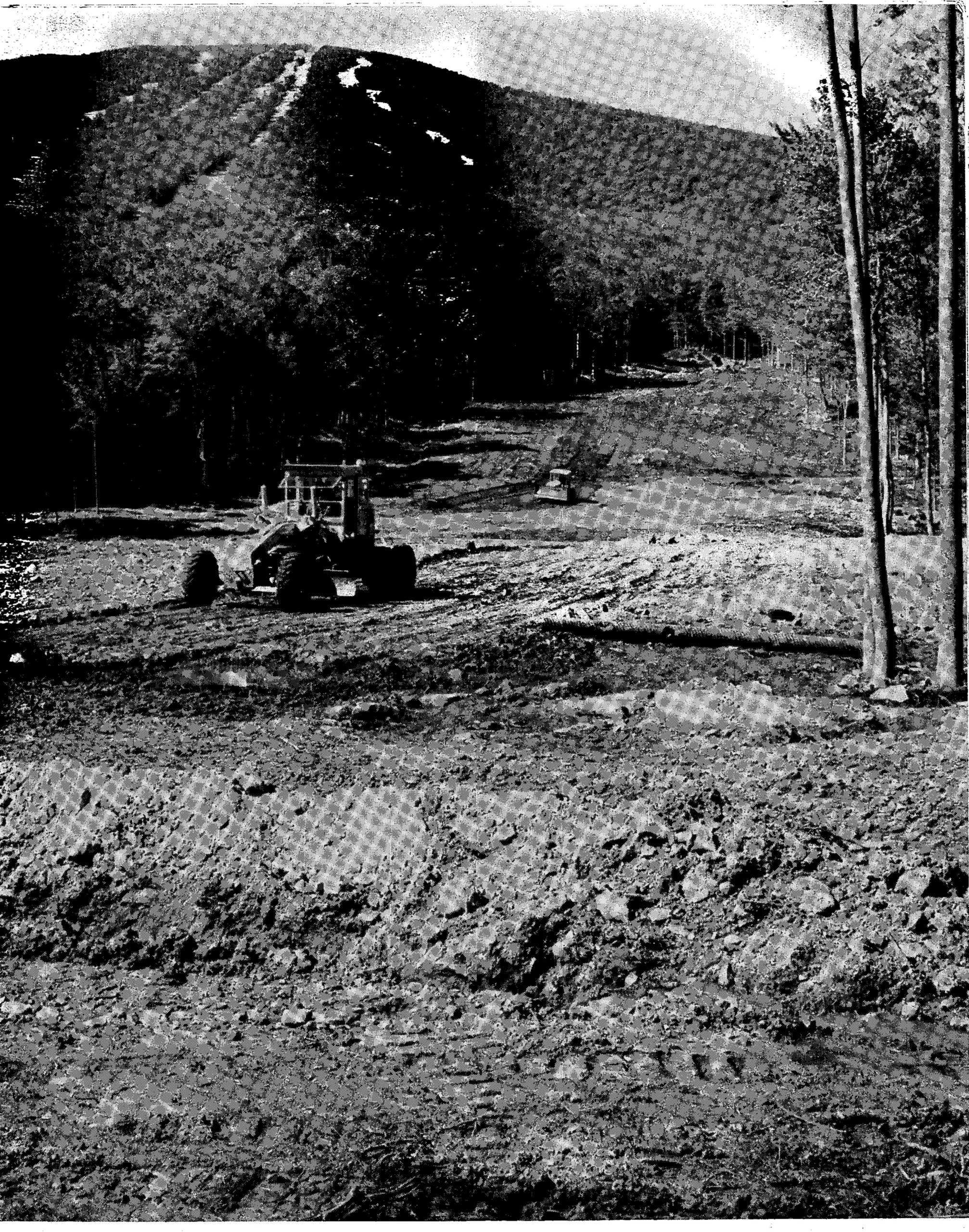
Construction progressed at an ever-increasing tempo throughout the summer in a race to meet the October completion schedule. The line-up of men and equipment employed sounds more like a highway project than the delicate finish work usually attributed to the building of a golf course. In all, fifty to sixty men were employed as laborers, stone workers and as operators of seven dump trucks, eleven bulldozers ranging from D-6’s to D-8’s, two farm tractors, three twenty-yard pan scrapers, two blasting compressors with jack hammers, one seeder, one ¾-yard shovel, two ¼-yard shovels, one Michigan 85 front-end loader, one fuel truck, four brush burners, seven chainsaws, and two front-end fork loaders.
From the very beginning, problems were encountered beyond those expected. “My first advice to other golf course builders,” says Smith today, “is to find a nice big open area. Don’t try to carve it out of the wilderness as we did.”
But Yankee ingenuity helped solve most of Stratton’s problems. In walking the area, Cornish was impressed by the number of springs and streams. While the dry summer helped to overcome some construction problems, the extreme dryness brought its own problems, for top soil by the yard was blown off on windy days. Aid came through incorporating the springs and streams into a functional part of the landscape. Capitalizing on the advantage of an ample water supply, Mr. Cornish designed its flow to serve as a source for watering the greens, beautifying the landscape, and ultimately feeding the man-made lake (formerly known as “Orcutt Meadows”), which will be built along with the other nine holes. The automatic pop-up type Larchmont sprinklers, used to water the greens, operate under pressure from a sprinkler reservoir. Water from one of the main streams is diverted into the reservoir, pumped through the sprinklers, and finally seeps back into the stream which eventually feeds the lake.

Forming the greens took approximately 100,000 yards of fill material. Much of this came from nearby Orcutt Meadows, adjacent to the 6th, 7th and 8th greens. Three pan scrapers ferried the heavy clay and top soil from the lake site to the various green locations where it was then pushed around and formed up by bulldozers. Fine soil and loam were later added prior to seeding. By combining future lake construction with green formation, Stratton was able to realize economy of effort, time and money.
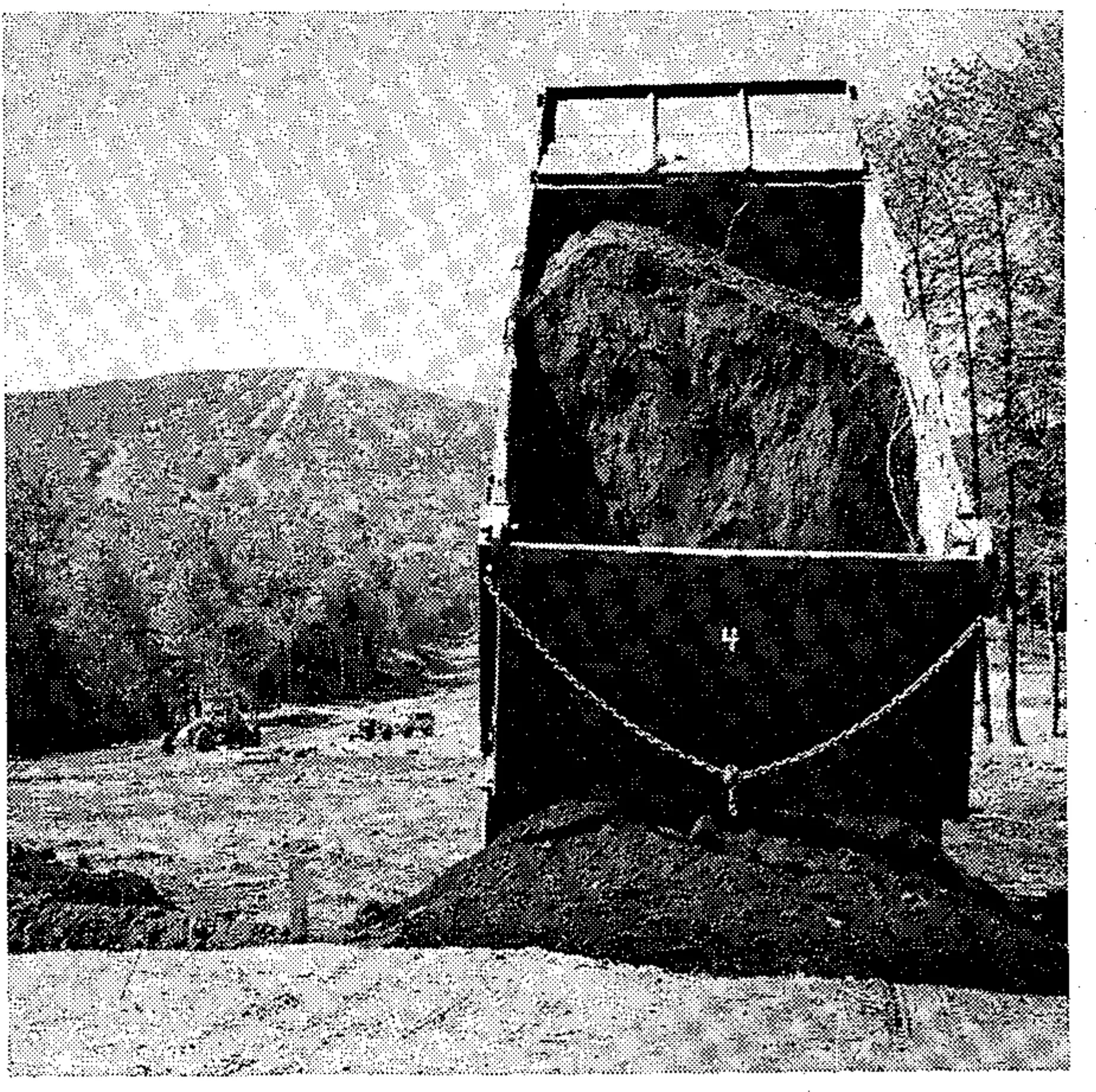
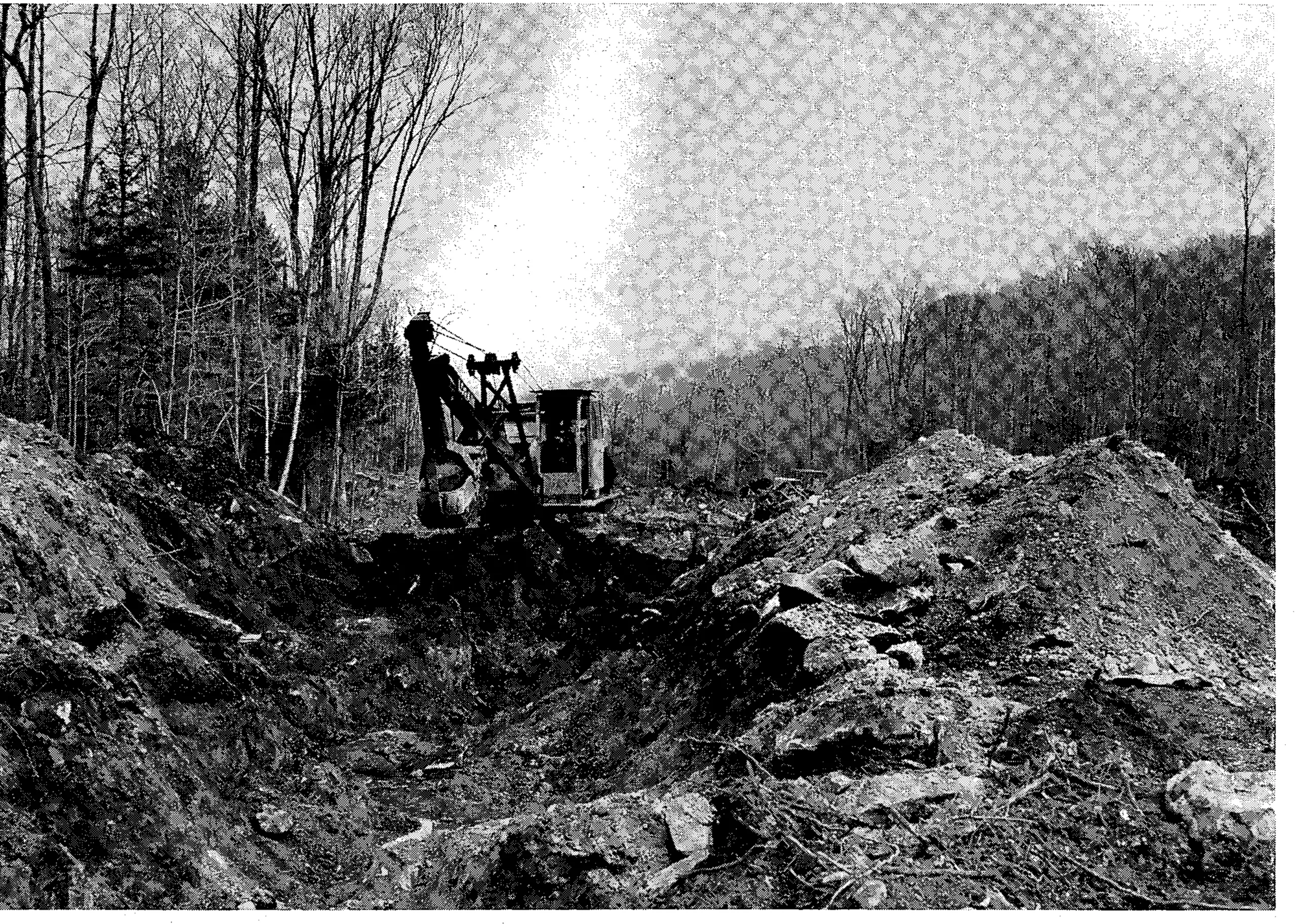
Another practical and ingenious application of local resources was the use of stumps, rocks and other debris for fill material. Instead of hauling this away, shovels dug trenches and the waste was pushed in and buried. The dirt that remained was later pushed around by bulldozers to build up low places and grade off high spots. While the golf course site is relatively free of exposed ledge, a considerable amount of blasting had to be done nevertheless. Over two tons of dynamite kept the two blasting compressors busy from May through October.
By keeping men busy from early May through the middle of October and using all practical shortcuts, Stratton was able to get in enough seed for a late fall mowing. Approximately four and one-half tons were used on the nine holes. The greens were sown with Penncross while Merriam Blue Grass was planted on the fairways and tees. “We even seeded the roughs into good shape,” Smith says. “We figured it would make it easier to find the balls that way, especially when I play.” Borrowing their mountain maintenance practices, the Stratton crew used winter rye to hold down golf course slopes until grass had a chance to take root later in the year.
With the last nine holes of the eventual 18-hole course completed and ready for play, work has been underway on the first nine. Throughout the early winter of 1964 trees and brush were knocked down to insure an adequate drying period for this summer’s bonfires. “By employing this simple method, we expect to cut our clearing costs in half. One of our biggest problems last year was disposal of useless trees, brush, and stumps. Because they weren’t cut early enough they didn’t burn well and added appreciably to the expenses.”
While the Stratton Corporation built the initial nine holes, the newly formed Stratton Mountain Country Club will finance and build the remainder. By contracting with experienced corporation personnel and equipment, it is believed time and money will be saved.
That Stratton built a golf course in the presence of two other excellent courses in the Manchester Valley only 20 miles distant is indicative, perhaps, of two things: enough golf enthusiasm to support a ski area golf club, and the conviction that golfing facilities are indispensible for a ski resort’s summertime profit. Golf and ski can be partners in sport.