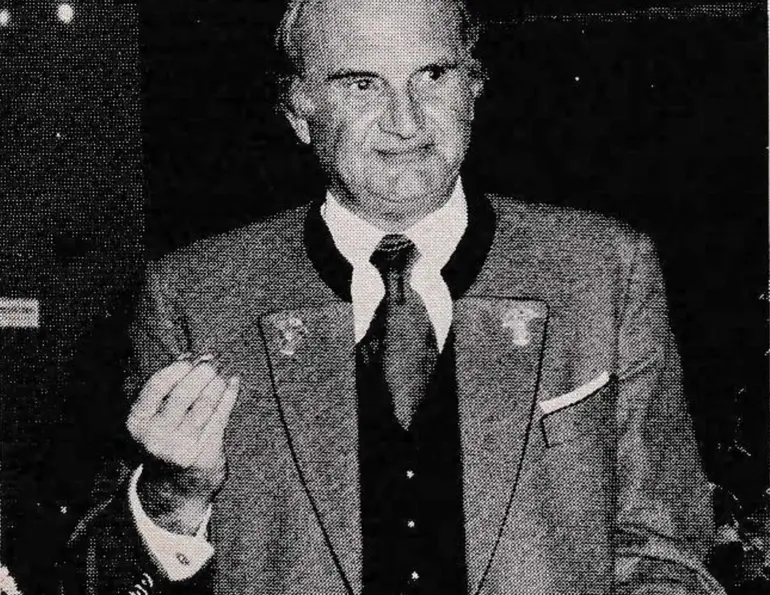
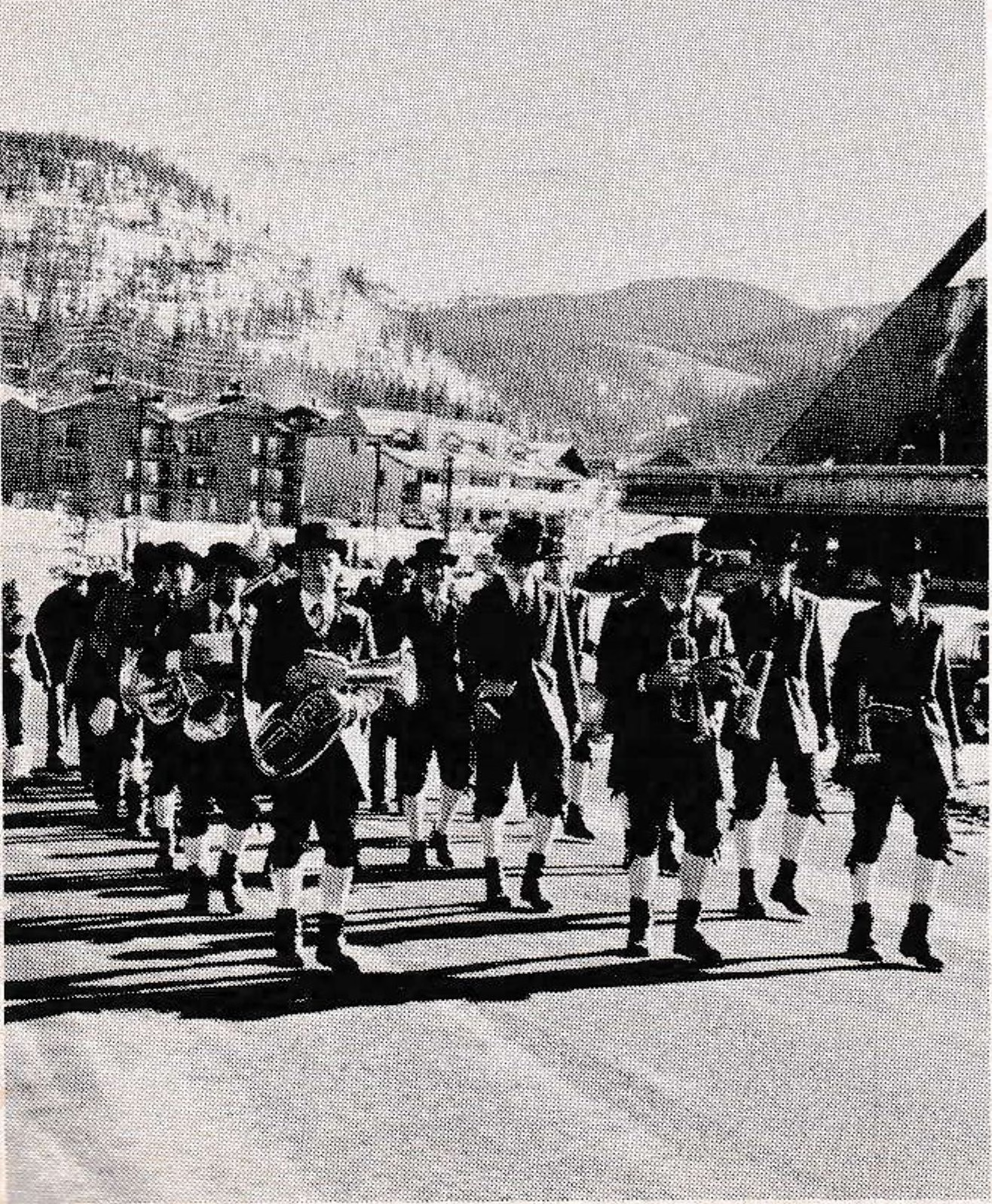
This was to be no everyday grand opening of a new lift—the Mark III Standard Model, complete with frost-bitten Governor. This one was different. It was the dedication at Breckenridge, Colorado, of the first detachable grip chairlift in the western hemisphere, and the world’s first detachable grip quad. And for the occasion, lift builder Arthur Doppelmayr was on hand with his wife, together with a ten-piece brass band they had brough with them from Austria, all dressed up in traditional Austrian costumes.
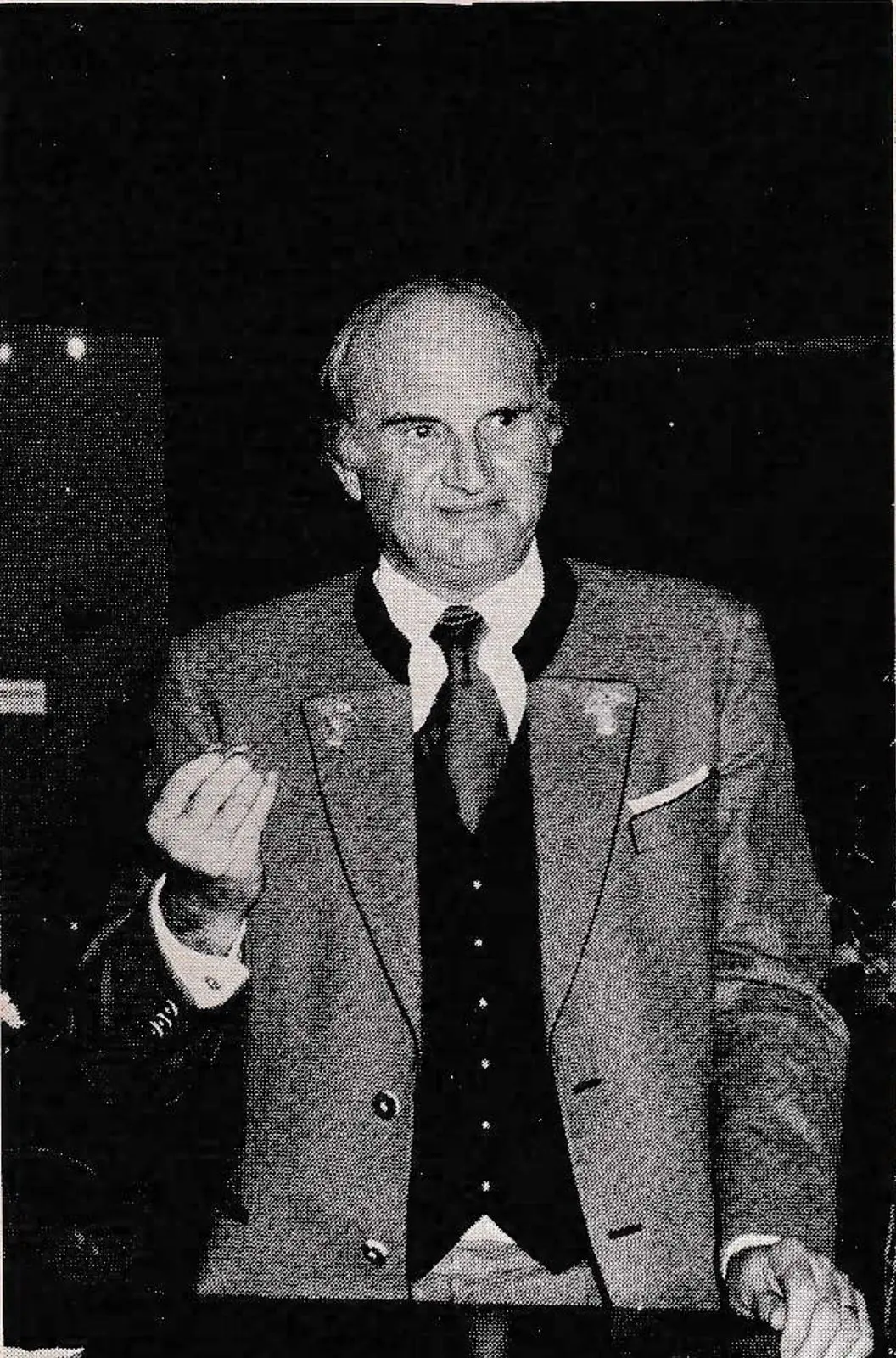
There was a parade down Main Street, followed by a ribbon-cutting ceremony at which Breckenridge’s Mayor Bernie McMenamy compared the lift to the space ship Columbia in terms of technological advances. The band played the Austrian and American national anthems, and in the first toast of what turned into a two-day party, area manager and VP Art Bowles named the lift, “Chairlift America.”
The new lift—which will have the more prosaic designation of “A-1”, as did the lift it replaces—represents a capital outlay of $2.4 million. Skiers travel the 5,862-ft. length and 774-ft. vertical rise in only 7 minutes, 28 seconds.
The top drive/bottom tension lift is powered by a 500 HP GE electric motor with Sabina/Montrol controls and a Kissling 1100V gearbox which weighs 7.5 tons. The electric motor will provide an ultimate capacity of 2800 people per hour uphill and/or downhill.
The auxiliary power system involves two Deutz diesel engines. The primary diesel employs a fluid coupling, and may be started, the speed controlled, etc., from within the control booth. In case of electric power failure, this engine will provide 85% of the normal lift capacity or 2380 people per hour both up and downhill. The standby auxiliary diesel involves a manual hydraulic drive and bolt coupling and is designed to provide 20% of normal capacity to be used for evacuation purposes.
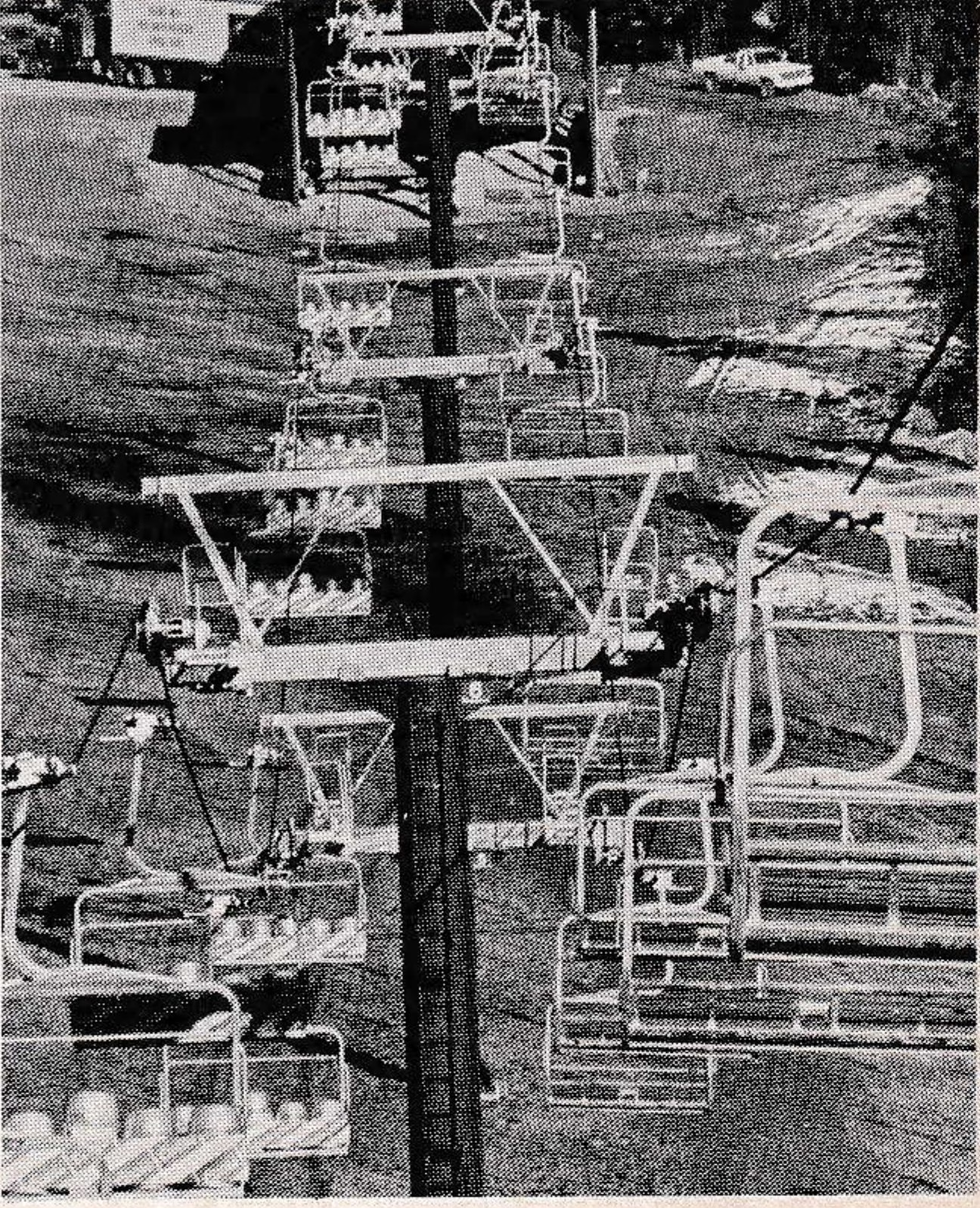
The twenty-two towers employ spread footers with 4.1 or 4.75 square column foundations depending upon tower diameter. There are six 20″ diameter towers and sixteen 24″ diameter towers. All concrete for tower foundations was pumped, and the towers were set into place by a 35-ton crane. All towers are equipped with built-in gin poles and work platforms along the sheave assemblies. Tower heights range from 18½ to 52 feet with an average of over 40 feet.
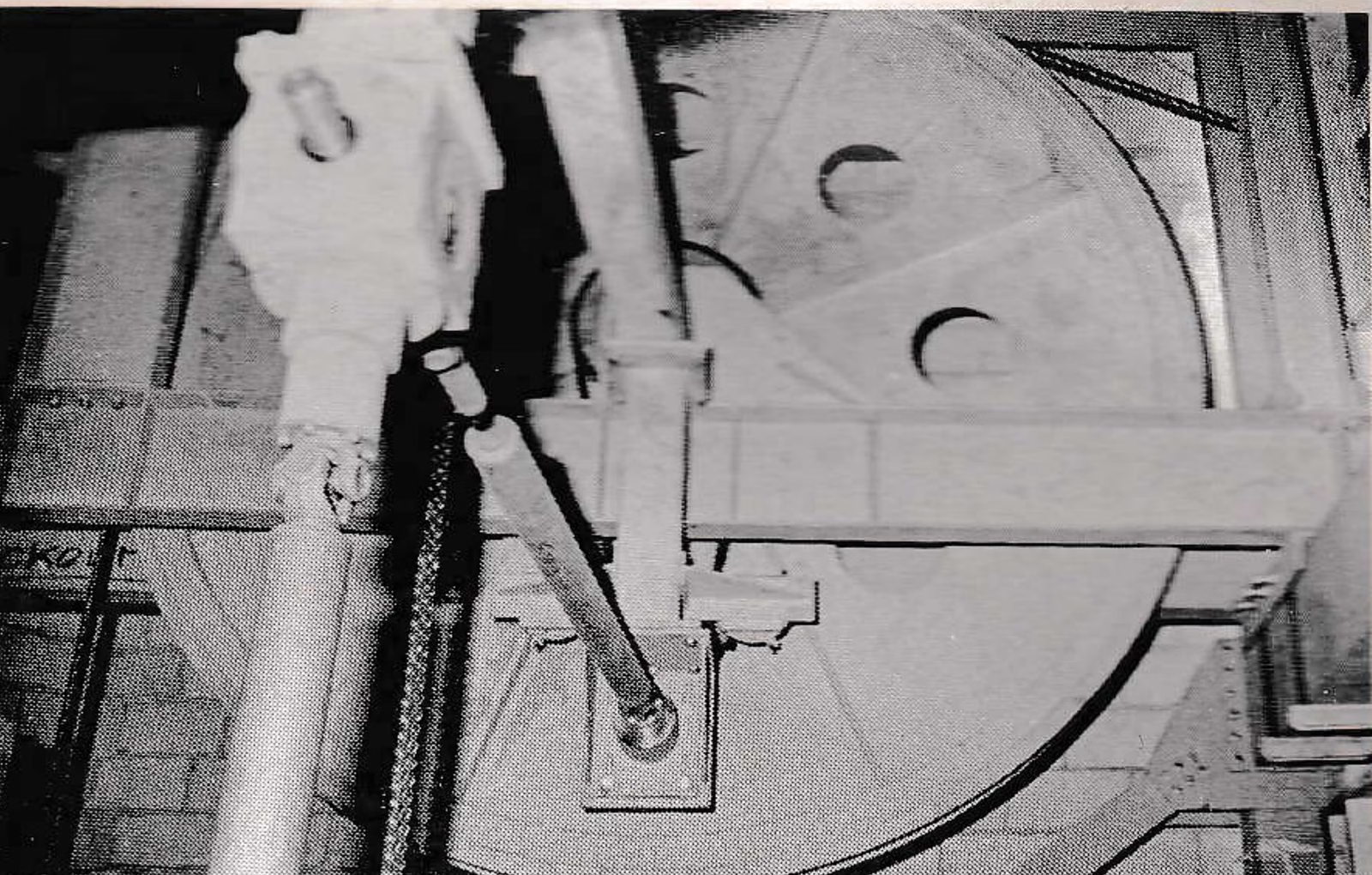
The haul rope is 1 7/16″ Lange Lay fiber core XIP cable manufactured by Fatzer with a breaking strength of 218,000 pounds.
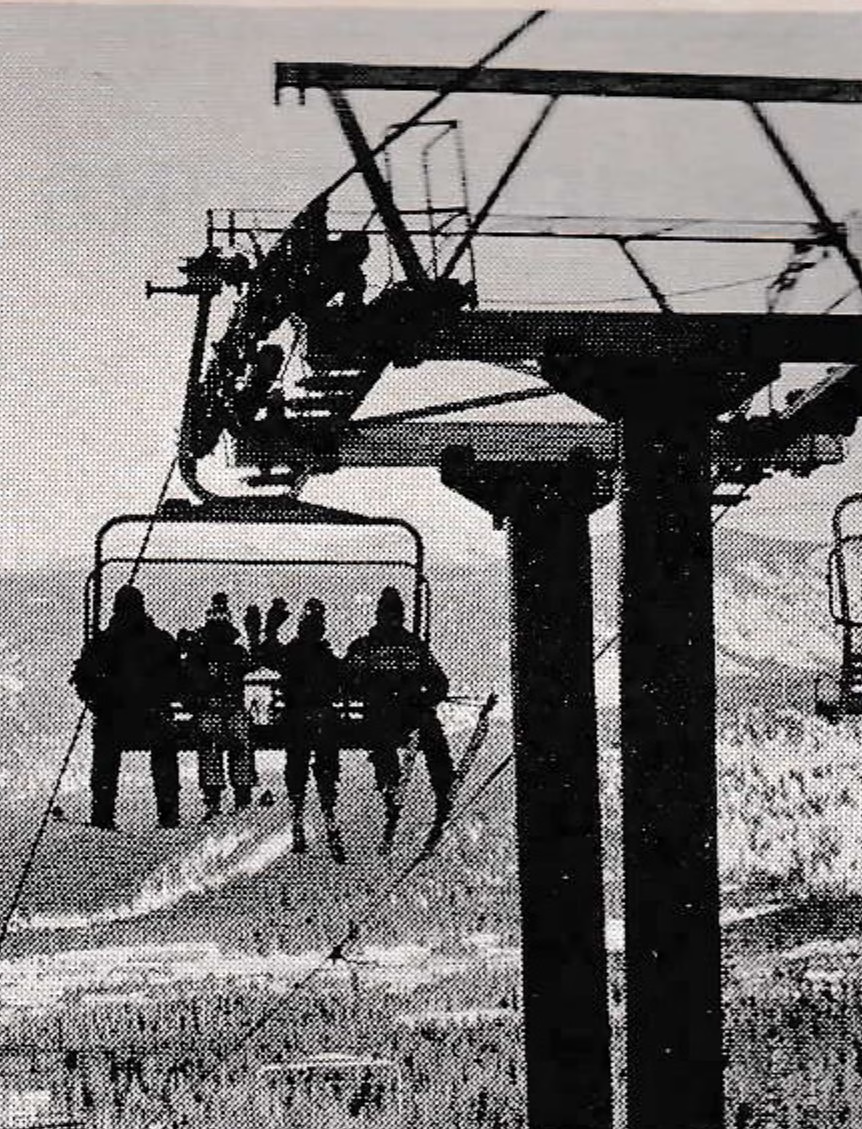
The lift will ultimately have 185 4-place bale-type chairs with restraining bars. Including chair, grip and restraining bar, each chair assembly weighs 485 pounds and costs $2,650. On the line, the chairs move at 787 feet per minute; but detached from the rope while in each terminal, chair speed is only 157 feet per minute. Chair spacing will ultimately be 5.14 seconds or 67.5 feet while on the line and 13.5 feet while in each terminal.
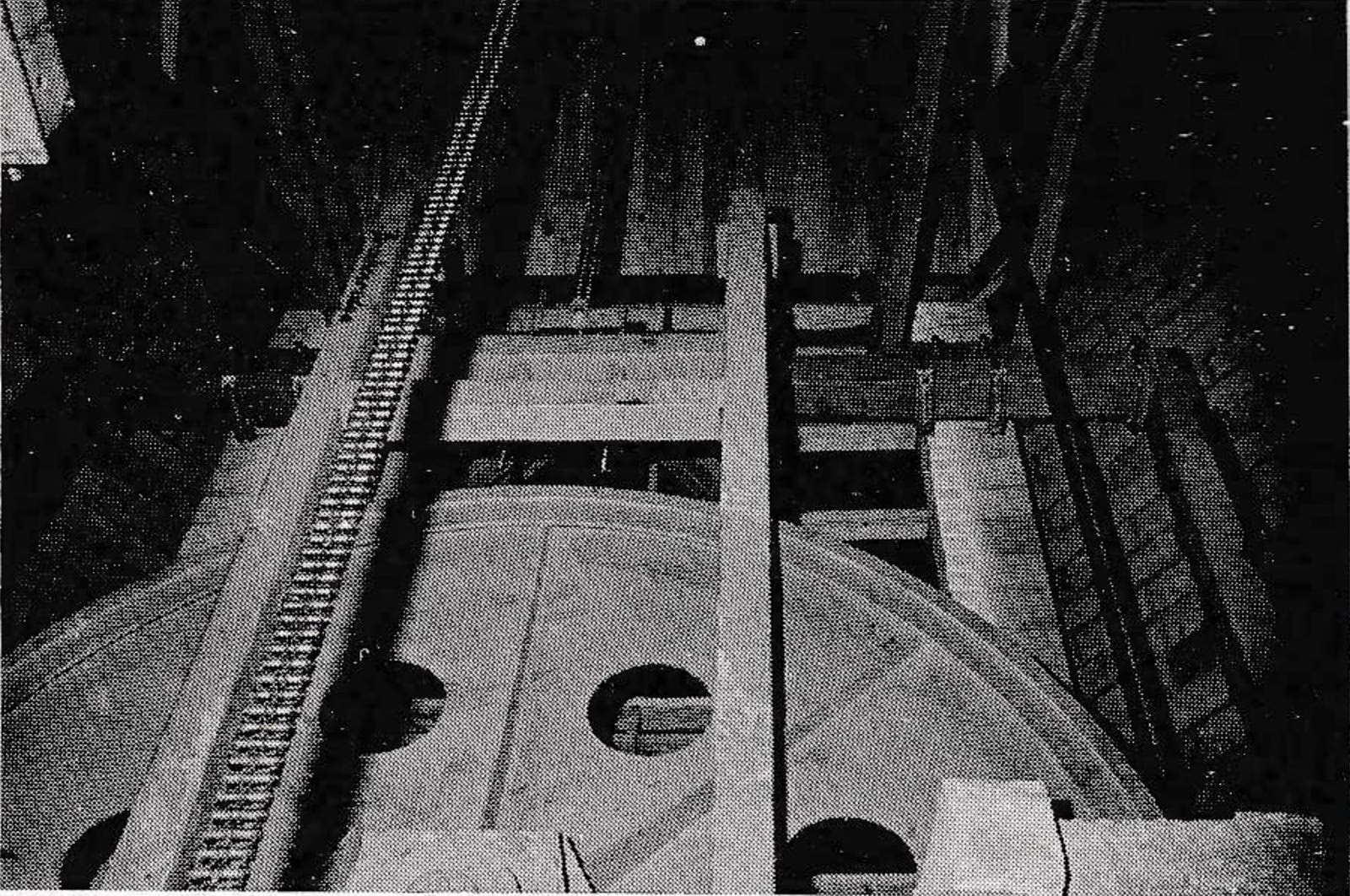
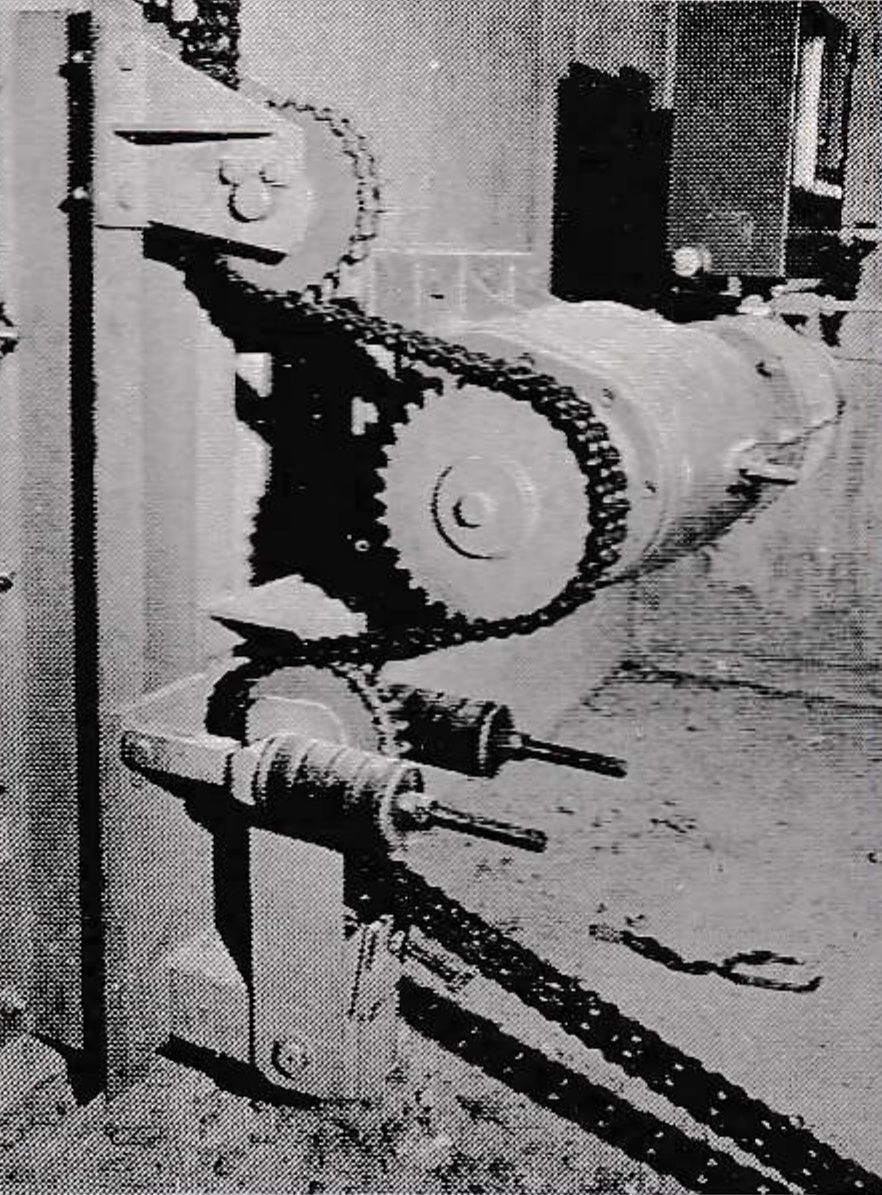
Both terminals are fully enclosed so that loading and unloading are performed inside on plastic snow. A chair storage area of 4864 square feet is at the upper terminal. Also, the upper terminal provides lifting devices on trollies so that drive components may be lifted into and out of place as may be required in maintenance activities. The lower terminal building is architecturally designed to maintain the mining town flavor of Breckenridge.
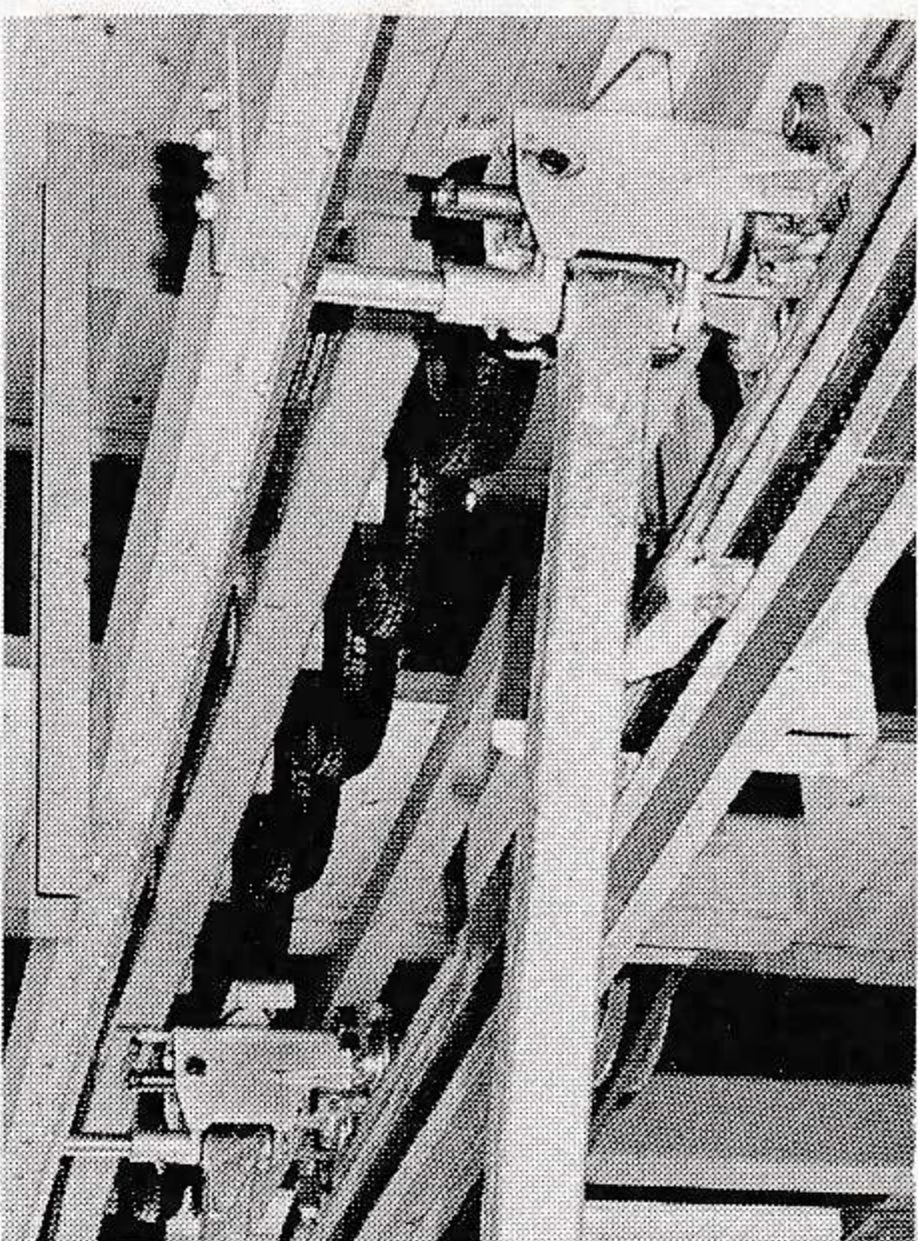
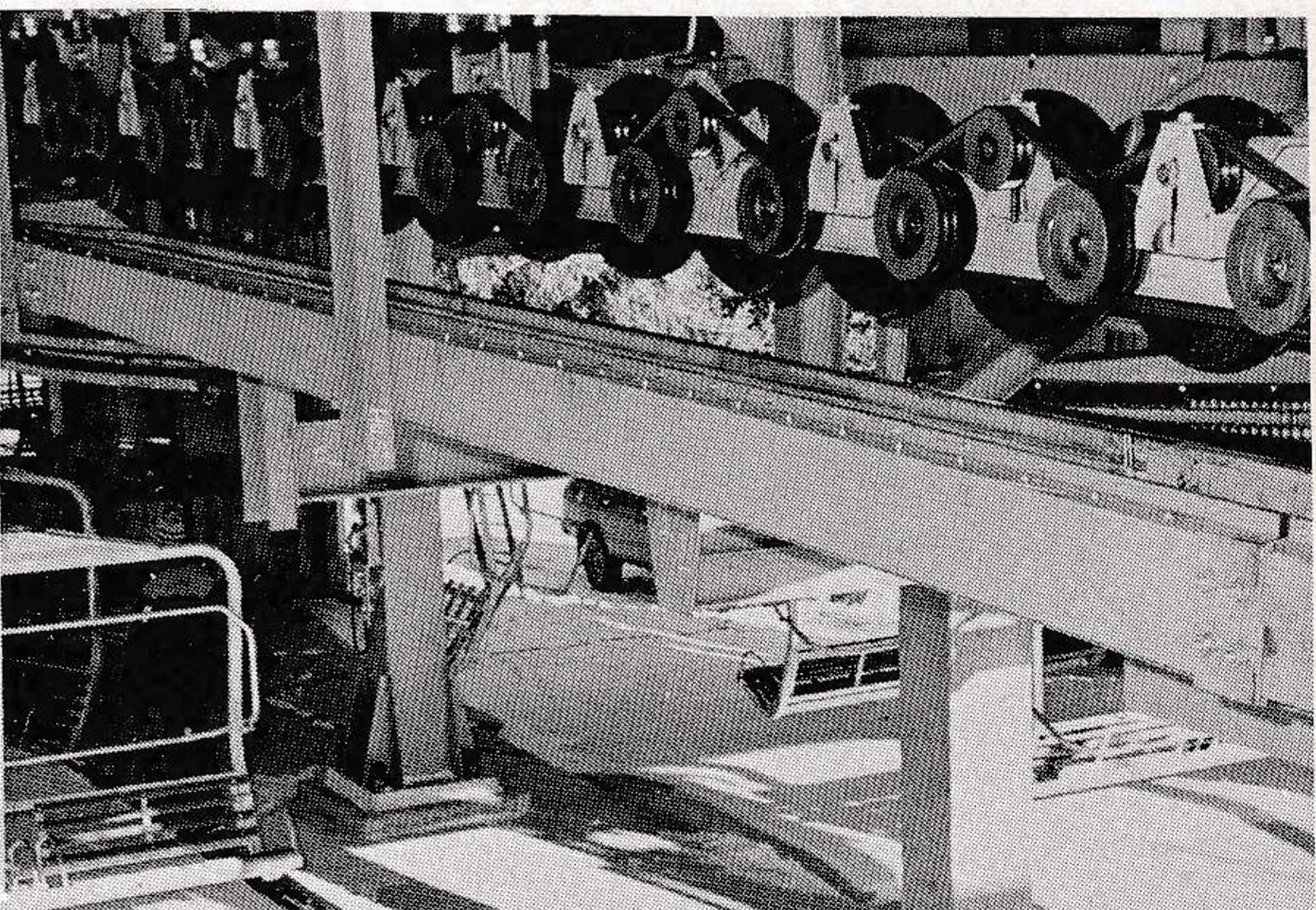
The new lift is call “A-1” as was the lift it replaces. The previous lift has been dismantled and will be reconstructed in a different location at a future date. The “New A-1” lift increases the previous capacity of A-1 by 2½ times.
Under the supervision of Tom Clink and Butch David, the construction crew worked skillfully throughout the summer to assemble the lift to the manufacturer’s specifications without any major problems. Carpentry crews came on the job September 1, and began construction of the base terminal and the larger upper terminal which not only sheltered the unloading area and drive mechanisms, but also housed the 4,864 square foot chair storage area. (The chairs can be removed from the cable via an overhead rail system and moved into the storage area.)
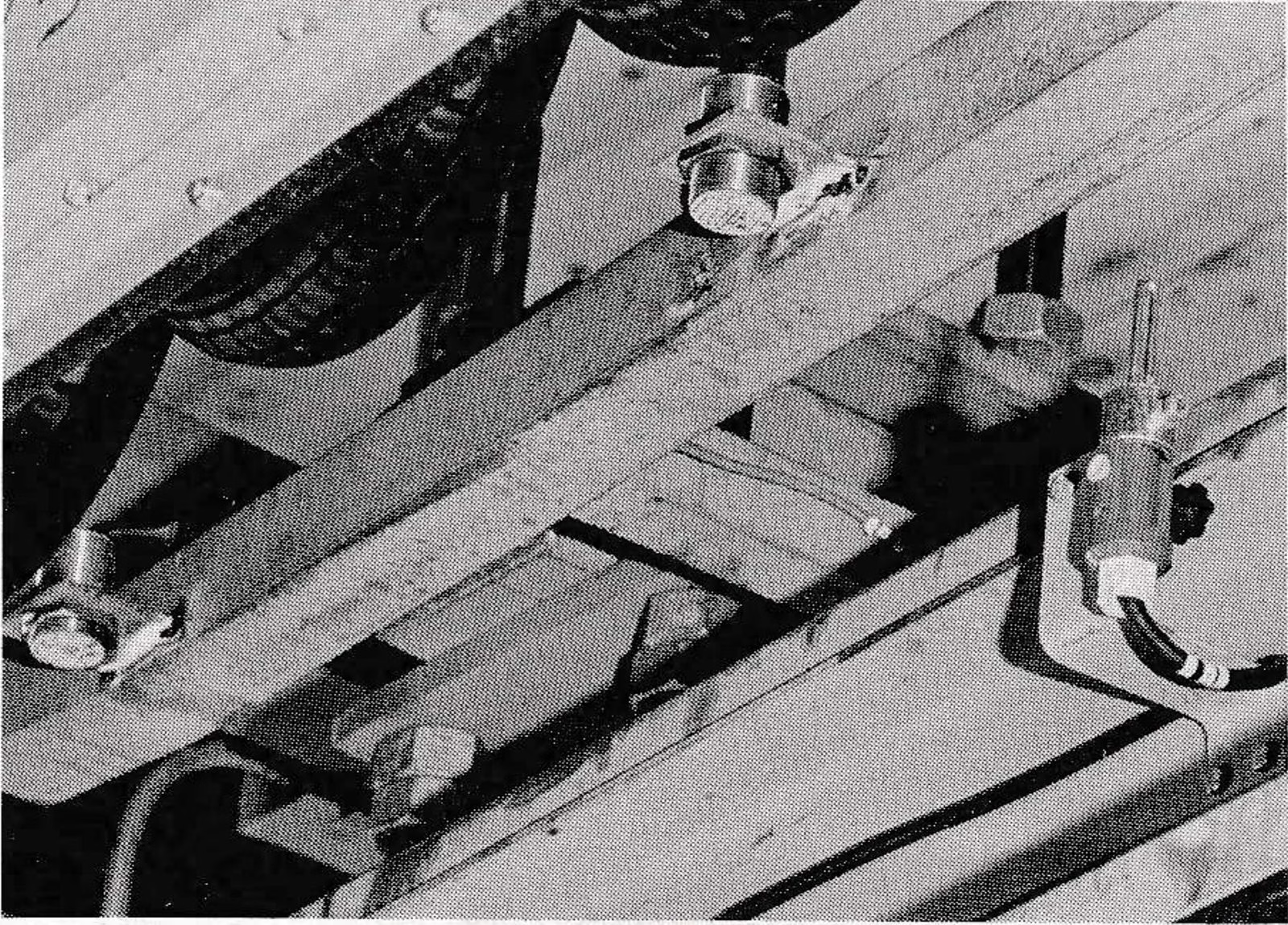
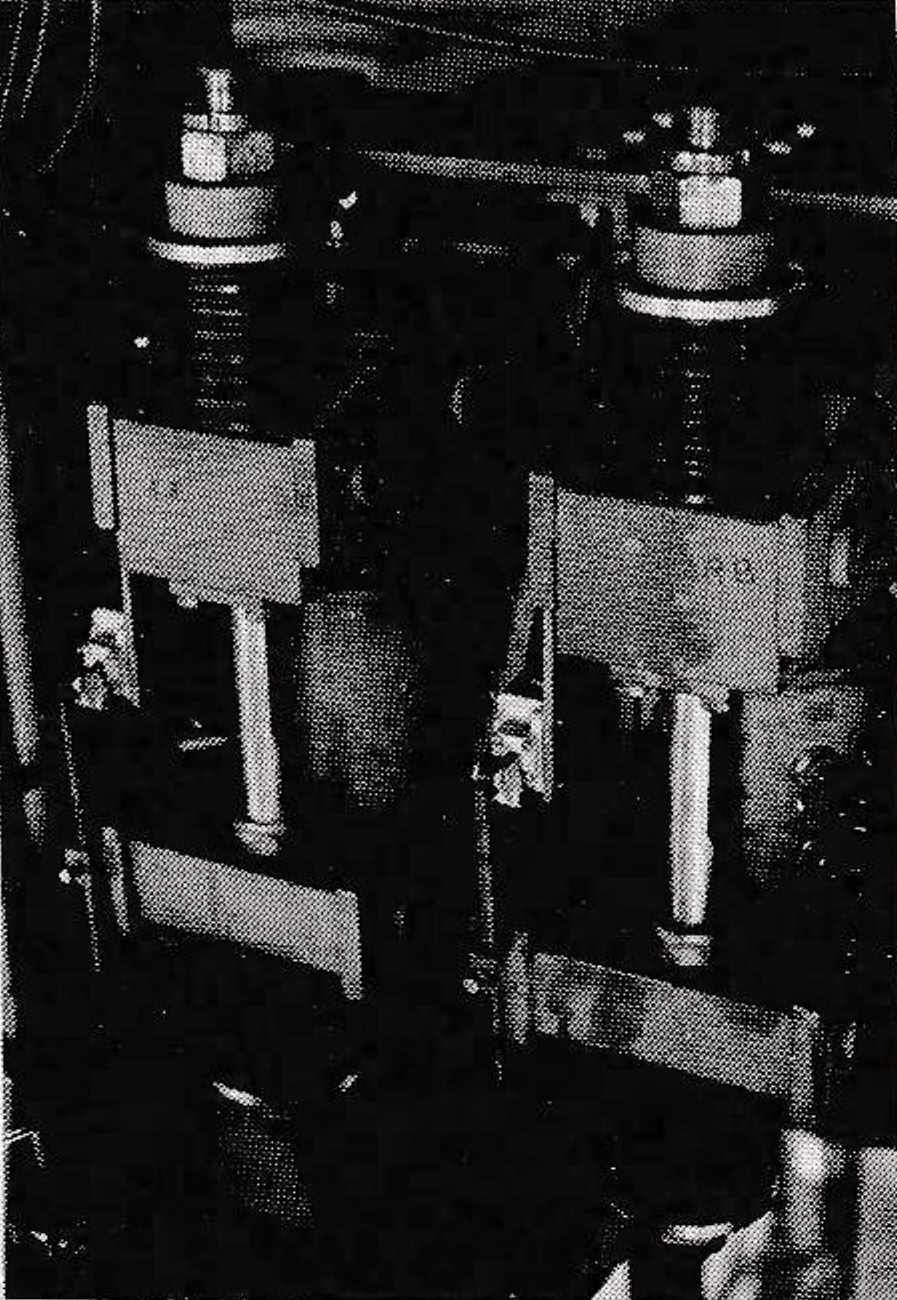
On November 10, 1981, America’s first high speed, high capacity chairlift was completed and ready for inspection and load test by the Colorado Passenger Tramway Safety Board.
In order to perform the load test, Breckenridge officials were required to simulate an actual operating situation by loading each chair with 110% of the designed capacity load or 795 pounds. Instead of the typical procedure of using sandbags or cinderblocks to achieve the required weight, Leroy Hinkle, a Breckenridge Ski Area employee working on the construction, suggested that beer kegs be used instead of bags or blocks, in an attempt to conserve man-hours and reduce the purchase of a “one time use” material. Hinkle’s time and money saving idea was relayed to the ski area’s marketing department and on the morning of the load test, a semi truck carrying 300 kegs of Coors Beer appeared at the base terminal.
The kegs, on loan from the Adolph Coors Company of Golden, Colorado, each weighing 155 pounds, were a perfect fit when loaded five to a chair. To the benefit of the Coors Company as well as the ski area, using kegs of beer for dead weight attracted heavy television and newspaper media coverage to the day’s events.

After the test was completed, only minor adjustments were required by the Tramway Board, and the lift opened on schedule November 26.
New A-1 Lift Information and Specifications
- Manufacturer: Doppelmayr, Wolfurt, Austria
- Installer: Lift Department, Breckenridge Ski Area
- Cost: 2.4 million dollars
- Location: Base Peak 9 (maggie) to “C” Transfer, just north of “B” chair.
- Type: 4 place carrier with detachable grip
- Length: Slope – 5862 feet
- Vertical rise: 774 feet
- Towers: 22 with lifting arms and work platforms; sixteen 24″ diameter, six 20″ diameter.
- Line Gauge: 15′ 9″
- Main Power Unit: 500 H.P. electric motor
- Auxiliary Power Unit: 480 H.P. 12 cyl. turbo diesel.
- Second Auxiliary Power Unit: 168 H.P. turbo diesel
- Trip Time: 7 minutes, 28 seconds
- Type of Carriers: 4 place chairs with restraining bars
- Cable: 1 7/16″ Lang Lay with fiber core, XIP
- Cable Strength: 218,000 pounds
- Drive Location: Top Terminal
- Tension Location: Bottom Terminal
| Initial | Ultimate | |
|---|---|---|
| Capacity, electric | 2160 people/hour | 2800 people/hour |
| Capacity, diesel | 1836 people/hour | 2380 people/hour |
| Line Speed | 787 ft./min. | 787 ft./min. |
| Terminal Speed | 157 ft./min. | 186 ft./min. |
| Line Carrier Spacing | 87.14 ft./6.64 sec. | 67.5 ft./5.14/sec. |
| Terminal Carrier Spacing | 13.5/6.64 sec. | 13.5 ft./5.14/sec. |
| # of Chairs | 145 | 185 |
Other Facts
- This lift is the first detachable grip chairlift in this hemisphere.
- This lift is the first 4-place detachable grip chairlift in the world.
- This lift has increased the transportation capacity of its predecessor by 2½ times.
- This lift is equipped to operate at 85% capacity during a power failure.
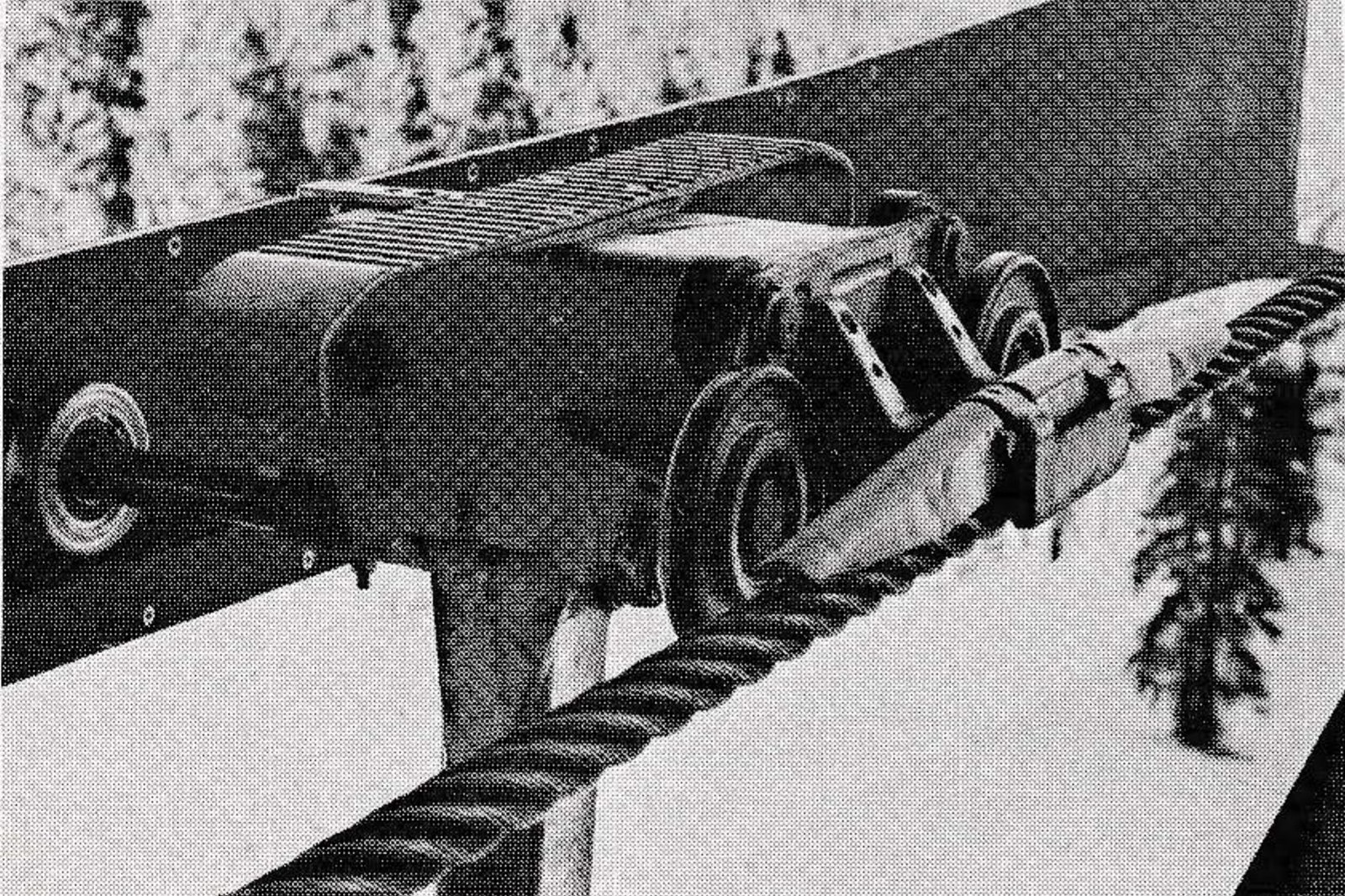
How the New A-1 Quad Detachable Chairlift Works
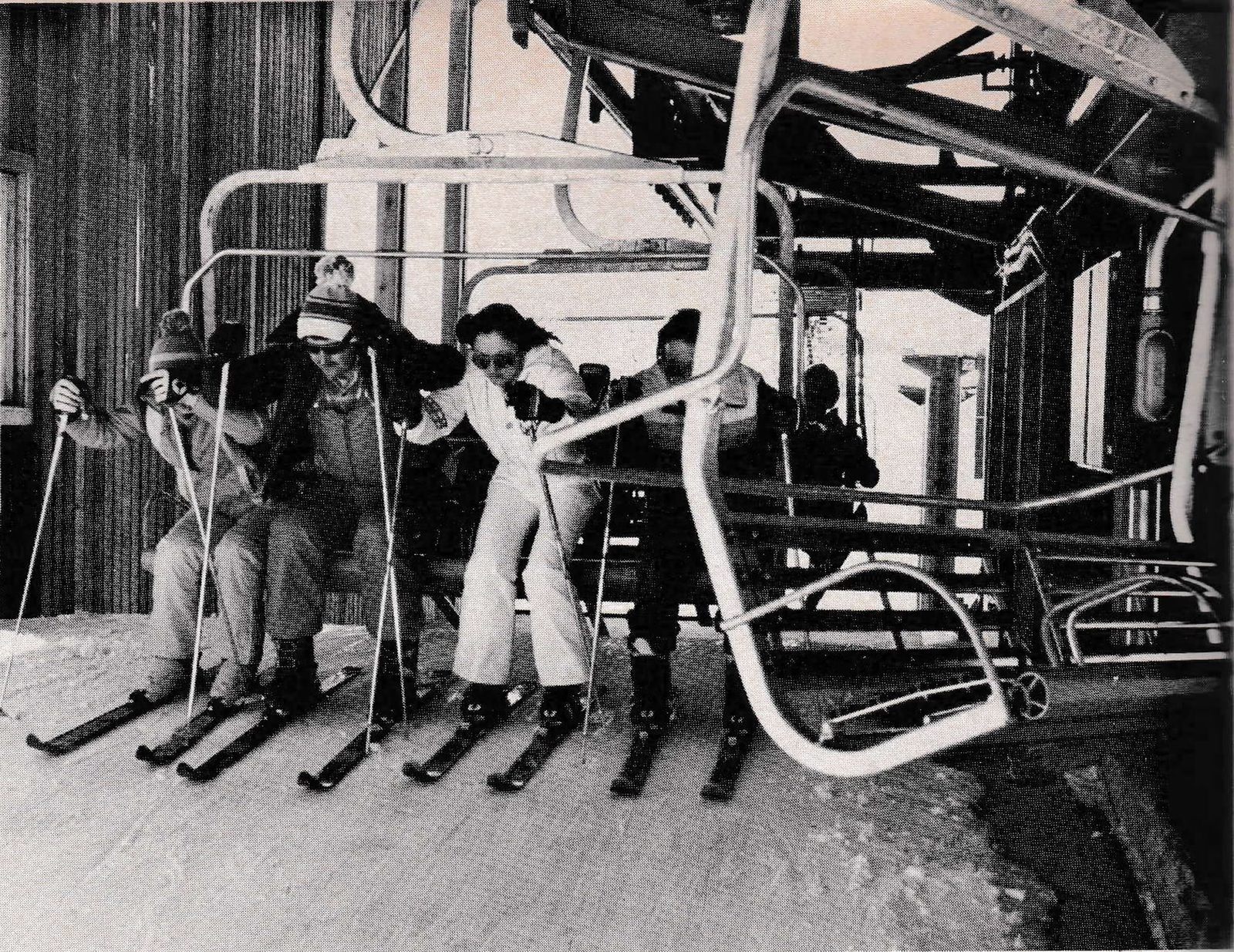
The new A-1 lift manufactured by Doppelmayr Lifts is a 4-place monocable detachable grip chairlift. This system provides for slow, easy load and unload and a faster trip between terminals. This is accomplished by use of an intricate grip that unclamps off the haul rope, is decelerated from 787 feet/minute to 157 feet/minute by a series of pneumatic tires and then carried through the terminal by a roller chain with plastic fingers.
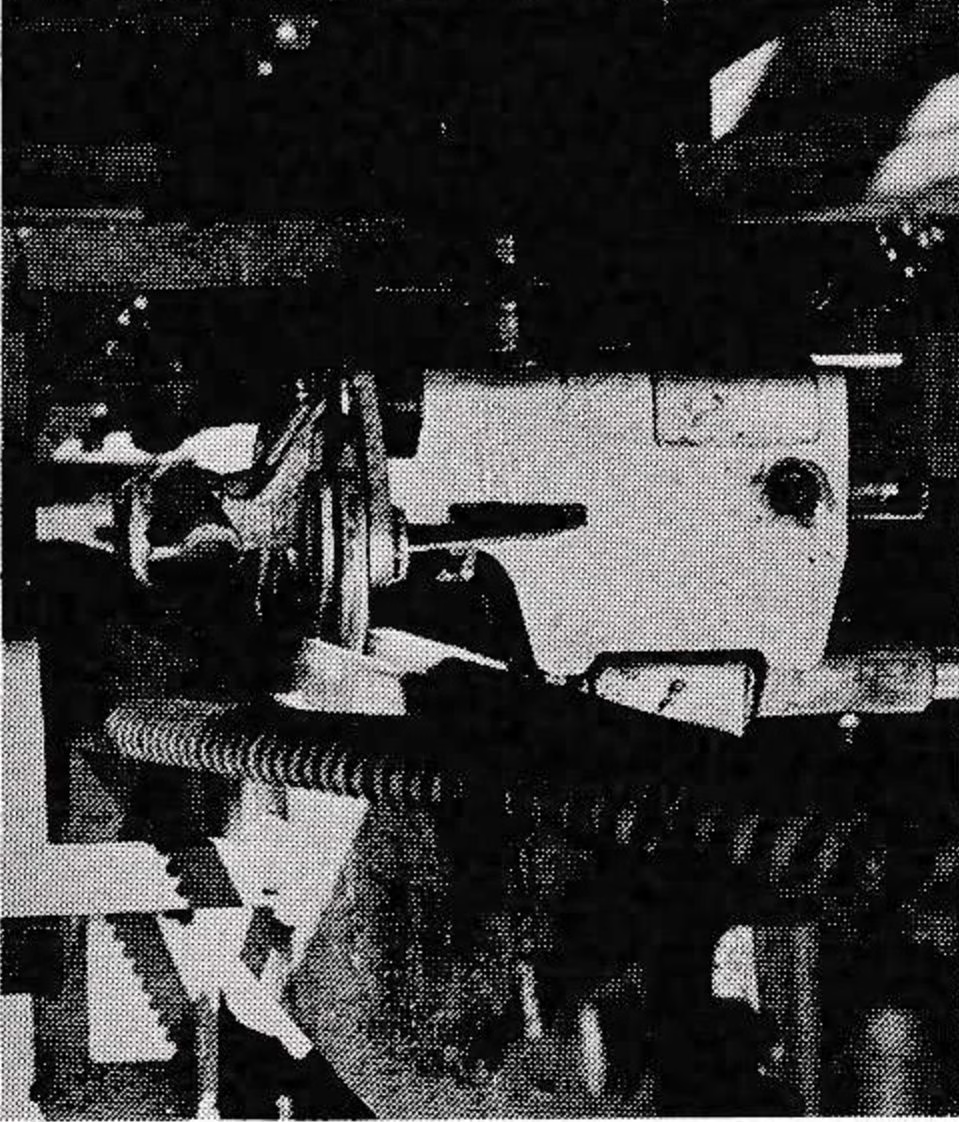
The grip uses a series of 24 Bellville washers to create “grip force” on the haul rope. An intricate system of twenty-eight switches at each terminal are utilized to assure proper spring tension, grip position, rope location, chair spacing, and grip opening and closing.
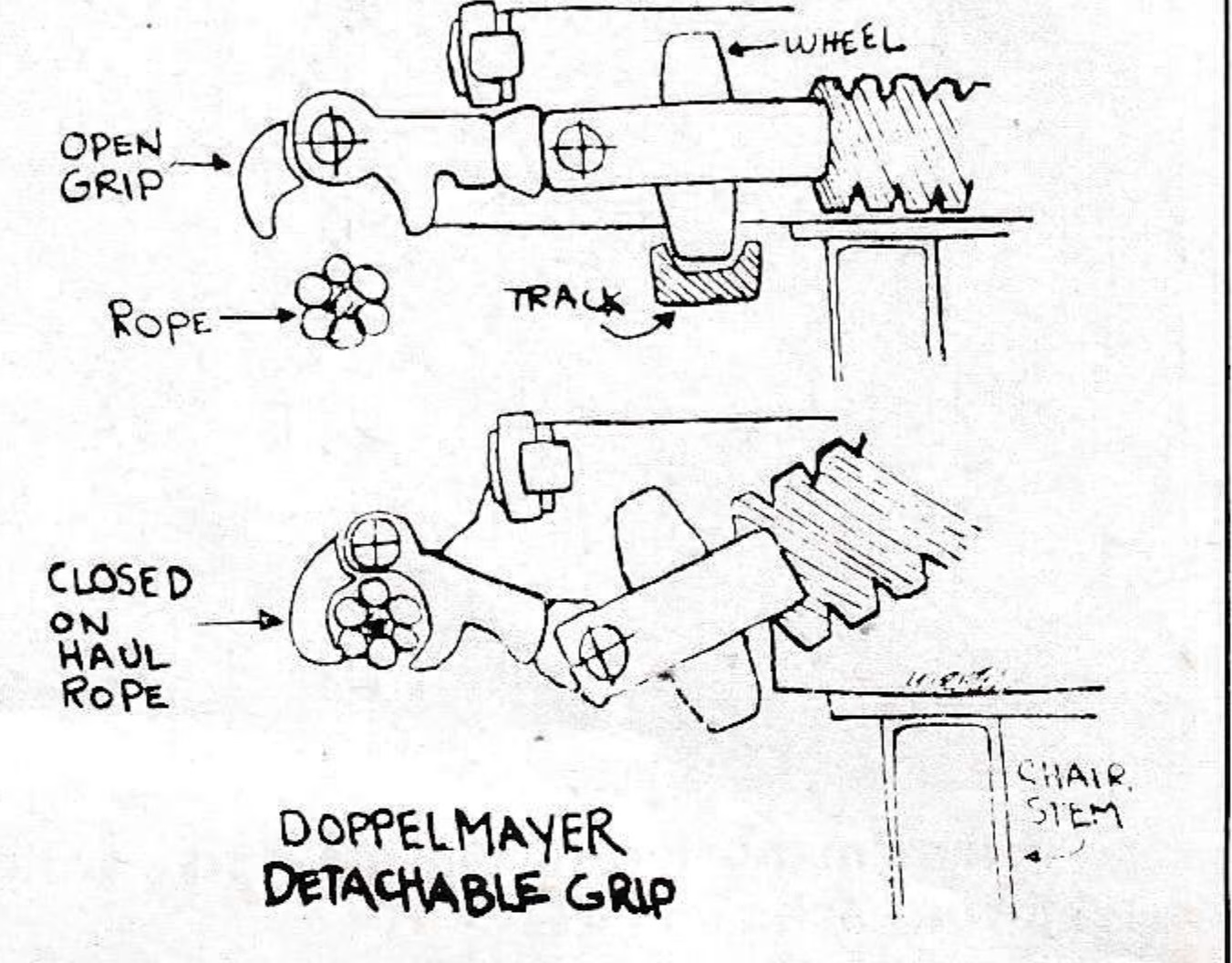
Unlike bi-cable systems, the grip attaches directly onto the main haul rope which is utilized for support and movement.
Load Test Procedures
In addition to the demonstration of all operational functions—all controls, all automatic stops, all track safety systems, prime mover and standby operations etc.—and inspection of same, the actual load test designed by Walter F. Holland & Associates called for the following procedures:
- Initially install the chairs on the line as follows: a. A group of 63 at equal normal spacing (87.5 ft.); b. A gap of 10 equal normal chair spaces; c. A second group of 62 at equal normal spacing.
- Load the first group of 63 chairs with approximately 795.5 lbs. each. This equals the full complement of 67 loaded carriers on each side. (67 x 170 x 4 x 110%) = 50,116 lbs.
- When the last chair is loaded, demonstrate the capability of the loaded lift:
- a. Stop the lift with the last chair at the point of loading.
- b. Electric motor start and accelerate to full speed. Record full speed.
- c. Stop the lift with the first loaded chair at the top tower.
- d. Release the high-speed anti-rollback and disable the bullwheel automatic anti-rollback.
- e. Release the service brake and the emergency brake; allow the lift to roll back and apply the service brake.
- f. If there is enough room at the lower station, release the service brake and allow the lift to roll backwards and apply the emergency brake. (If necessary, advance the lift to provide room for this rollback).
- g. Allow the lift to roll back under controlled conditions until the last loaded chair is at the lower station.
- h. Activate the automatic bullwheel anti-reverse. Release the service brake and the emergency brake and allow this device to stop the lift.
- i. Reactivate the bullwheel backstop and engage the high-speed backstop. Release the service brake and the emergency brake. This demonstrates the high-speed backstop.
- j. Demonstrate capability of primary diesel engine by accelerating the lift to 80% speed. Record line speed.
- k. Allow the lift to roll back and demonstrate that the standby diesel engine will accelerate the load. Record the line speed.
- l. Put the lift back on electric power and operate until the full load is on the downhill side. Accelerate to full speed and slow the lift down. This demonstrates that the lift will not overhaul. Stop the lift with the “Service Stop”. Record the stopping distance. Block out the service brake and repeat for “Emergency Stop”. Record the stopping distance.
- m. Reverse the lift and reposition the load on the downhill side. Engage the main diesel engine and accelerate to full speed. Slow the lift down with the throttle. Repeat and stop the lift with “Service Stop” and “Emergency Stop” if time permits.
- n. Reposition the load and demonstrate that the auxiliary standby engine operation can control the downhill load.
- o. Unload the lift. This completes the load test.
Footnotes on Detachables
The accompanying article claims that the Doppelmayr detachable quad installed at Breckenridge is the first detachable in North America, and the first detachable quad in the world.
Very technically speaking, and splitting a few hairs, both those firsts belong to Willis Stoick, the pioneer area operator from Alpine Vallley, WI. Back in 1967, he and a bright, young engineer met, liked each other and pretty soon were pooling talents to design a high-capacity lift. They called themselves Mohawk Design.
As recalled today by Stoick, it was a hurried and undercapitalized project, but a good idea. As recorded in Ski Area Management, it is listed in the Winter ’69 issue as a Detachable Chair at Bialis Ski Center, Utica, N.Y.—length 1590, vertical275, capacity 2400 and cable speed 650. This lift never became operational.
But the one at Alpine Valley did—briefly. It was the subject of a letter to the editor in the Winter ’67 issue. As recalled by Stoick, “It carried four people up sideways. It was very smooth. We could load eight people every four seconds. It was really a monorail set up with a tow cable. We went 800 feet/minute with it. Then I took it down after two weeks. It just wasn’t engineered sufficiently. It would have been unsafe to continue it. I later turned it into a conventional double chair.”
Still more recently, in the February 1972 issue, Bob Kinney wrote, “Samson of Canada, in conjunction with Neyrpic of France, has installed a detachable double chairlift having a vertical rise of 2,050, with an hourly capacity of 1200 skiers, giving a VTFH of 2,460.” It was installed at Mont Ste. Anne, and ran that way for two seasons. Samson then converted it into a conventional double chair, achieving the same capacity through the addition of chairs. “The technology was very sophisticated,” says Jean-Marc Coutura of Samson, and the trouble is that it can be very expensive operationally. You have to have highly skilled people to operate it, and even more so to maintain it. Neyrpic later joined forces with Montaz Mautino.”