

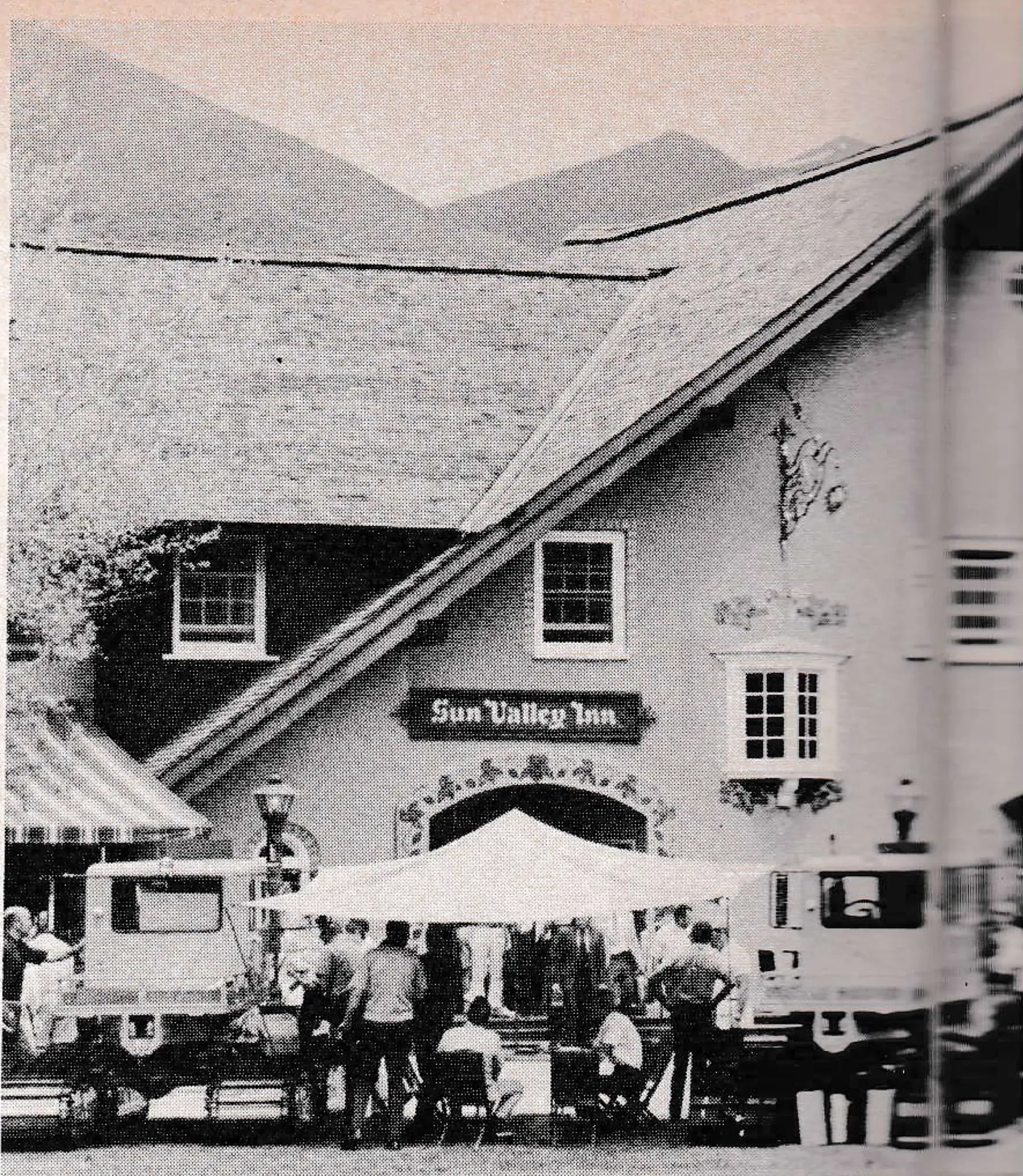
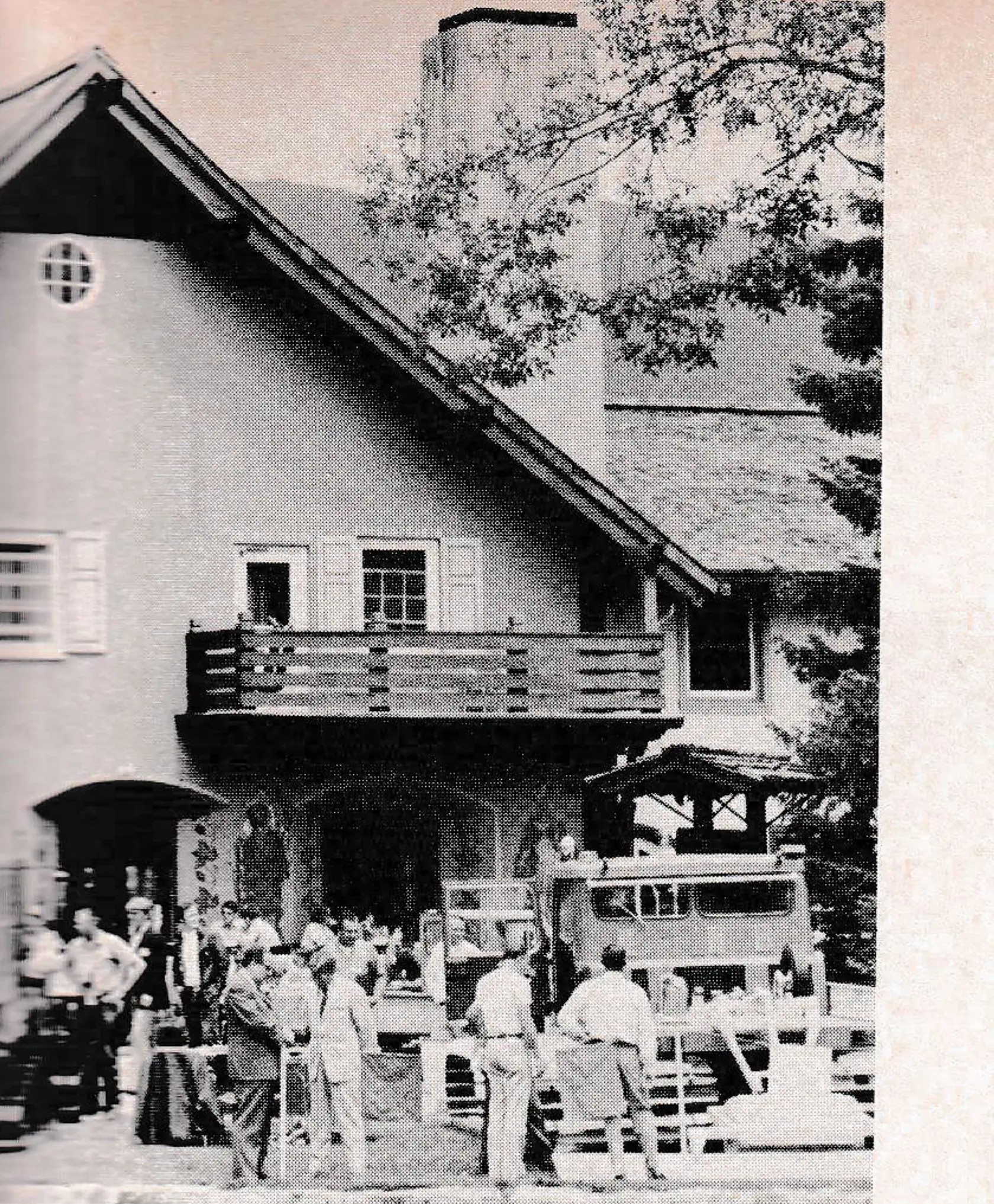
If there was a single theme at the Sun Valley NSAA Annual Convention in June, it was planning—the plain, indisputable fact that the area operator cannot survive without developing some scheme whereby he can pace his growth to the needs of the public, the politicos and the periphery of interests that determine the tone and tempo of a ski resort community.
The importance of planning, first voiced at the ROMCOE-Thorne seminar at Aspen days earlier (see “Report,” page 8), was amplified by a series of NSAA guest speakers who, by their diverse disciplines, were able to take the blue sky vagaries out of the term, bottle it and pour out workable ideas for the area operator.
If the area man thinks such notions are reserved for the Northstars, Copper Mountains, Elkhorns and other “planned” areas whose development is now underway, Roy Feuchter of the U.S. Forest Service set the record straight. “Every area should have a development plan at the outset,” he said, “and for the existing area that wants to expand or make changes, planning is all the more necessary. It’s a continuing process.”
Those who attended both the Aspen and Sun Valley meetings had the idea dished out to them in healthy doses. There was Tahoe’s Bob Twiss in Aspen and, at Sun Valley, ROMCOE’s Jim Bryant, Copper Mountain’s Chuck Lewis, Elkhorn’s Kalvin Platt and Northstar’s Howard West.
Said Bryant: “Dollars, politics and the social system all must be considered in formulating a plan.” Added Lewis, who heads the Copper Mountain development near Frisco, Colo. (an all-season resort opening this year with some 14 lifts, 50 trails and a 10,000 skier/day capacity projected): “You can’t hurry—there’s bureaucracy, red tape, oppositionists and activists. All your planning must be thorough, and it must be done well beforehand.”
Lewis also advised the area operator to “keep everyone informed—county building commissioners, investors, the surrounding community. Whenever we ran into problems, it was because we hadn’t kept people in the know.”
Howard West agreed. “At Northstar [a $100-million, year-round ski resort to open near Tahoe this year with 16 lifts, 1,340 acres of skiable terrain and 3,700 dwelling units projected], we concluded early in the game that it was necessary to work closely with the government agencies, and there were 115 in our county. The real key to getting approval of your project is to communicate your plans to the people.”
The second day of the three-day conference was split into two phases—lift construction and the environment—and, again, the focus was planning.
Environmental planner Felix Warburg spoke of the importance of proper sewage techniques and the necessity of incorporating an area’s future needs in projecting a system’s design. “Design your system,” he said, “so that your effluent can be used to fertilize a future golf course, or discharged through your snowmaking system.”
Engineering consultant Miles Wollam warned of fire exposure on mountain sites and urged the operator to design his water system with this in mind. Code requirements for water systems are often minimal, he said, and the operator’s best bet is to consult a professional hydraulic engineer when considering water system expansion.
Winter Park’s Steve Bradley, chairing a session on slope grooming, also keyed on planning. “In assessing tomorrow’s needs,” he said, “what types of equipment will you need? Will it be the specialized vehicle or the multi-purpose machine?” Bradley further suggested that in determining future needs, the area man will be giving direction to the equipment manufacturing industry.
“The supplier thinks he sees trends, but he can’t get a consensus from area operators. We should, collectively, be able to tell the manufacturer how he should budget his production, how he can go in a direction that will be meaningful to us.”
Lift Planning
Ski lifts also came under planning focus. Charles Dwyer of the U.S. Forest Service, joined in a panel by SAM’s Bob Kinney and Hall Ski-lift president Victor Hall, said, “In planning new lifts, look closely at the relationship between your hill capacity and lift capacity. Once you’ve decided on a lift, do it right—use professional help where needed, take your time and use all the information that’s available to you.”
Bob Kinney emphasized the preliminary selection of liftlines. “On lifts servicing beginners and novices,” he said, “try to incorporate a trail as part of your liftline. For one, there will be less duplication of maintenance. And look further than the cost of the type of lift. Surface lifts, for example, create a fence up your trail. They also require uphill snow.”

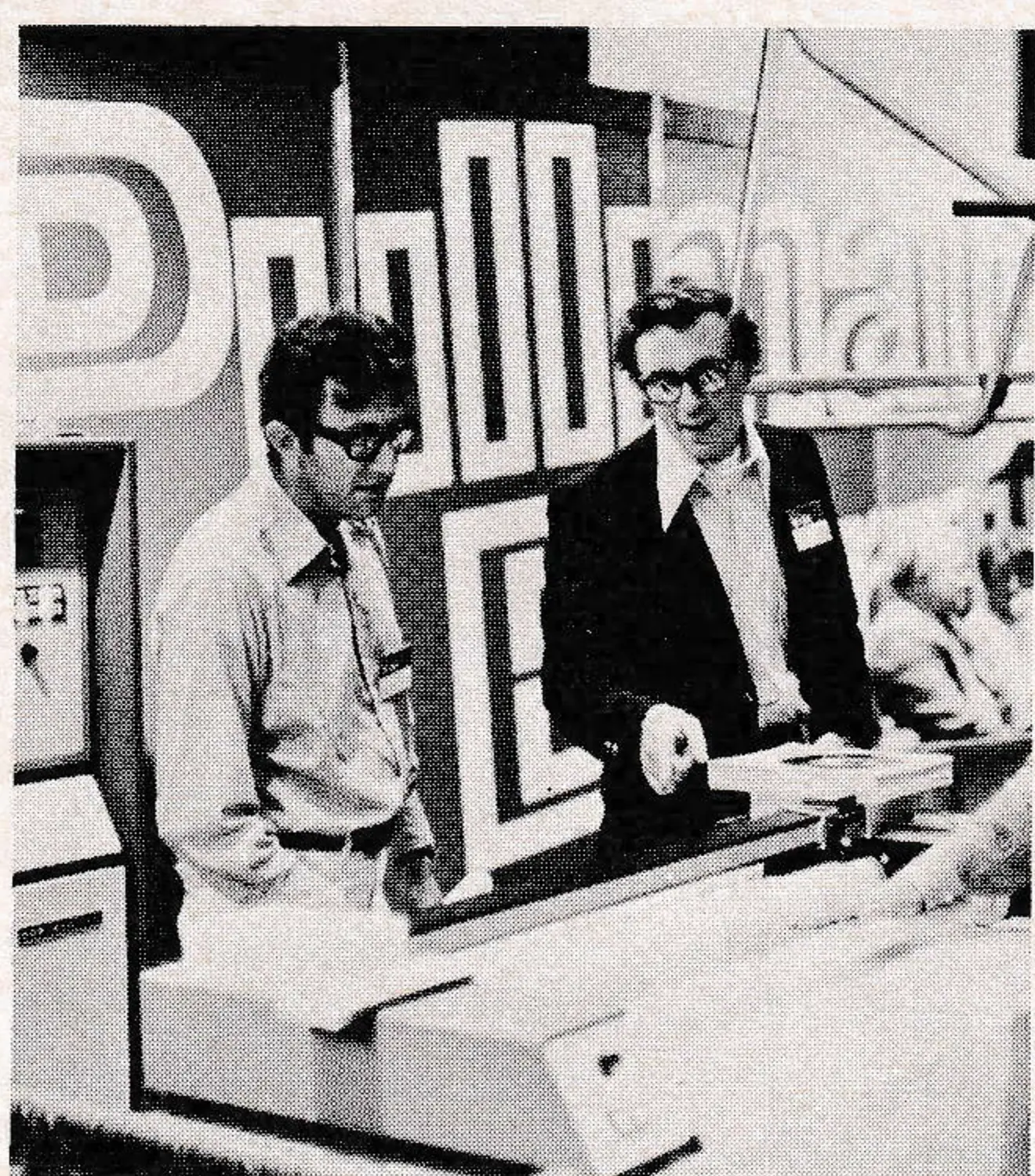
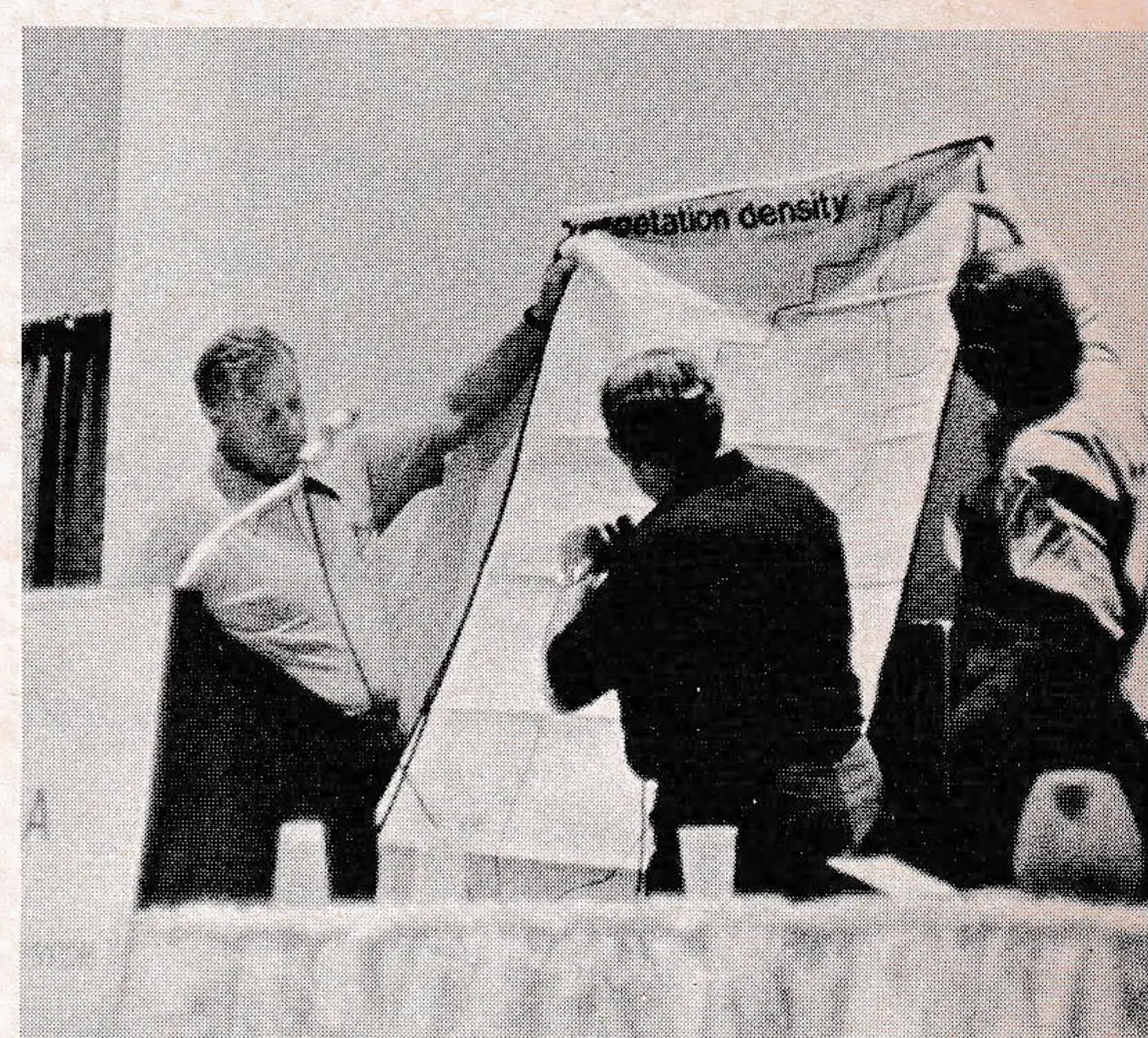
Dwyer added: “Select the type of lift that best suits your area. Watch capacity requirements—both for today and in the future. Watch the type of terrain, the gradient limits that the lift can handle.
“Will the lift be used for summer operation? And have you taken account of the economic considerations?—initial cost, operating costs, length of life, etc.? What is your skier preference—surface or aerial lifts?”
Hall, speaking for the suppliers, said, “How much field work will the supplier provide you? What about transportation costs? Is the lift priced f.o.b. job site or factory? Installation—how much supervision can you expect from your supplier? What’s he supplying you with in terms of a service manual? Will he help in the training of your lift operators?”
Kinney summed up the subject with three key suggestions: Provide your supplier with sufficient data so that he can give you a realistic price, take time in planning your lifts and, above all, make sure your lift profile is plotted accurately.
Financing
Development and improvements planning call for cash. And Tom Swanson of the United Bank of Denver joined Tom Eachon of the Small Business Administration to field the questions in this area.
After Swanson had explained the banker’s reluctance to fund the ski area business—seasonality, special-interest entrepreneurs, inability of most areas to finance large capital projects and, in many cases, a misunderstanding by bankers of the economics of the industry—he pointed out what he felt were the basic ingredients—low risk, location and accessibility, professional management, sound planning, developable mountain and real estate potentiality—necessary for a good development.
“The traditional skepticism in the banking industry,” said Swanson, “has been proven wrong in the Rockies. Most of the ski areas have prospered and management has been strengthened. Skiing in general has grown at at a rapid rate, and all projections continue to be optimistic. Larger corporations are now making investments in the business, reflecting the attractiveness of the industry.”
Jack Eachon also hinted at the necessity for planning, particularly in light of the ski industry’s general growth.
“The ski area business is growing away from us,” he said. “Our limit for doing business is $1,000,000 per year. We can’t do much more—beyond this point, you’re considered strictly big business.”
Eachon went on to point out that the SBA’s primary role is to guarantee loans (up to $350,000 and 15 years) when the bank is not willing to accept the entire risk. “We urge the banks to get involved with the small guy,” he explained. “We don’t think the SBA should intervene unless it’s absolutely necessary.”
It was on this note—that the ski area industry has grown up—that the meeting concluded. More than ever before, the NSAA convention had impressed upon the ski area operator both the responsibilities of his success as well as the rewards.