Inner Skier, Outer Limits, Woman’s Way, Center Skiing, Yoga Skiing — whatever these new tags mean to the theorists who invented them, to the ski areas that have allowed such teaching programs to use their slopes, the results have been marginal increases in business. But, there has been a phenomenal amount of media exposure, making the areas known to more potential customers in a highly favorable light.
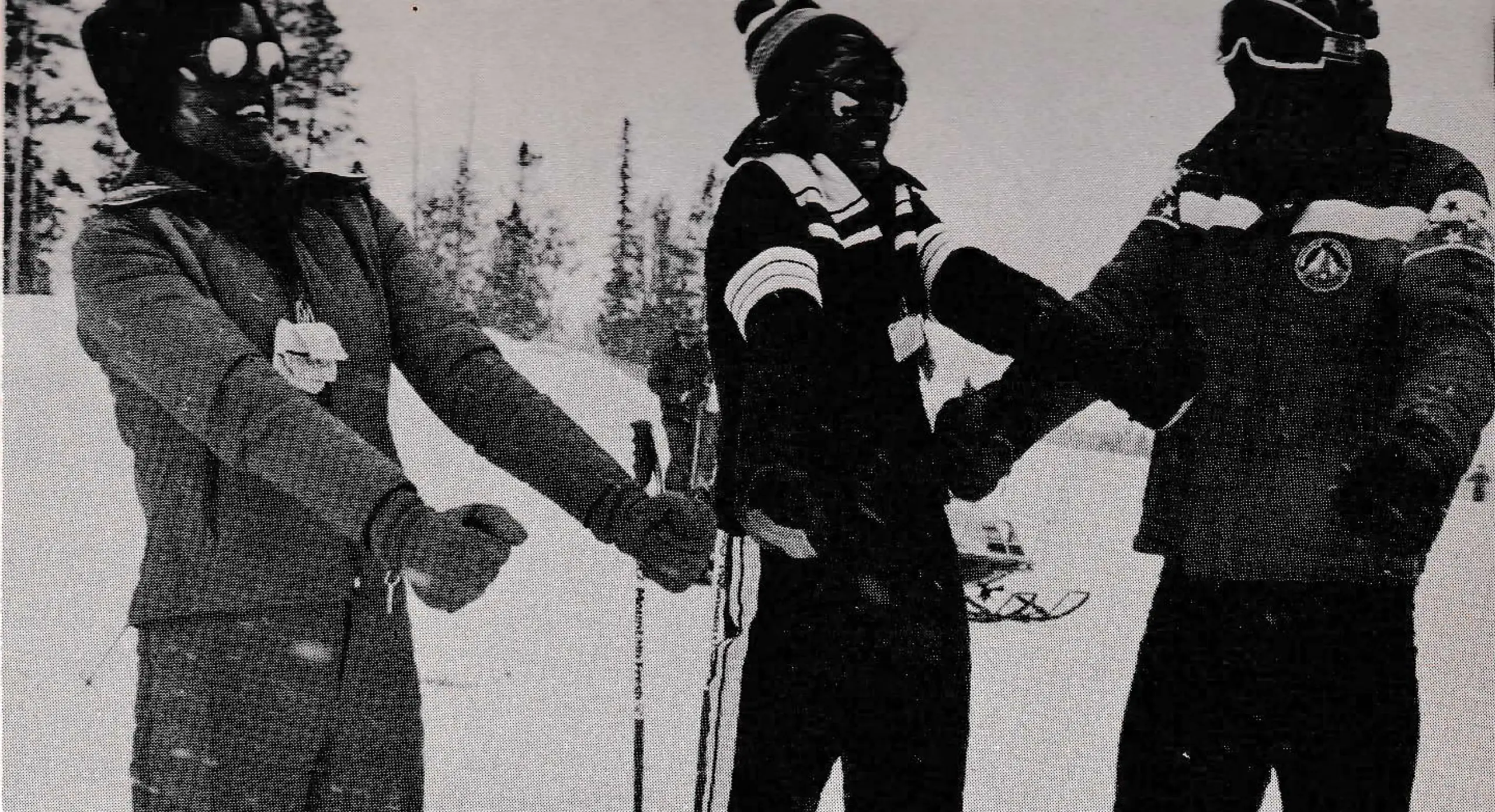
Last season, approximately 400 skiers paid premium prices for five different “inspirational” programs where conventional do-this-do-that instruction was put aside in favor of techniques inspird by the martial arts, Zen, yoga and the human potential movement—aimed at improving the skiers’ awareness and concentration (Woman’s Way does this using an all-female faculty and all-female student body.) Other areas tried using these elements in their classes, but not in the package ski week format.
Four “Inner Skier Weeks” were con-Gallwey in conjunction with Ski Magazine, which had been publicizing inner ski theory for two years. Altogether approximately 150 people paid $260 for lessons alone; lifts, lodging, meals and transportation cost as much as $750 extra. There were dropouts and complaints, but the total student body, asked to rate their experience on a scale of 1-10, gave an average rating of 8.9.
The “Inner Ski Weeks” were taught by a roving team of specially trained instructors. One week was at Mt. Snow, Vt., others at Squaw Valley, Snowbird and Keystone. Instructors employed by the host areas did not participate.
About 80 skiers paid $250 for lessons, lifts, lunches and videotaping to attend Sugarbush’s six “Centered Skiing Workshops.” Another 150 paid $96 to attend the “Woman’s Way Seminars” organized by Elissa Slanger at four Sierras areas.
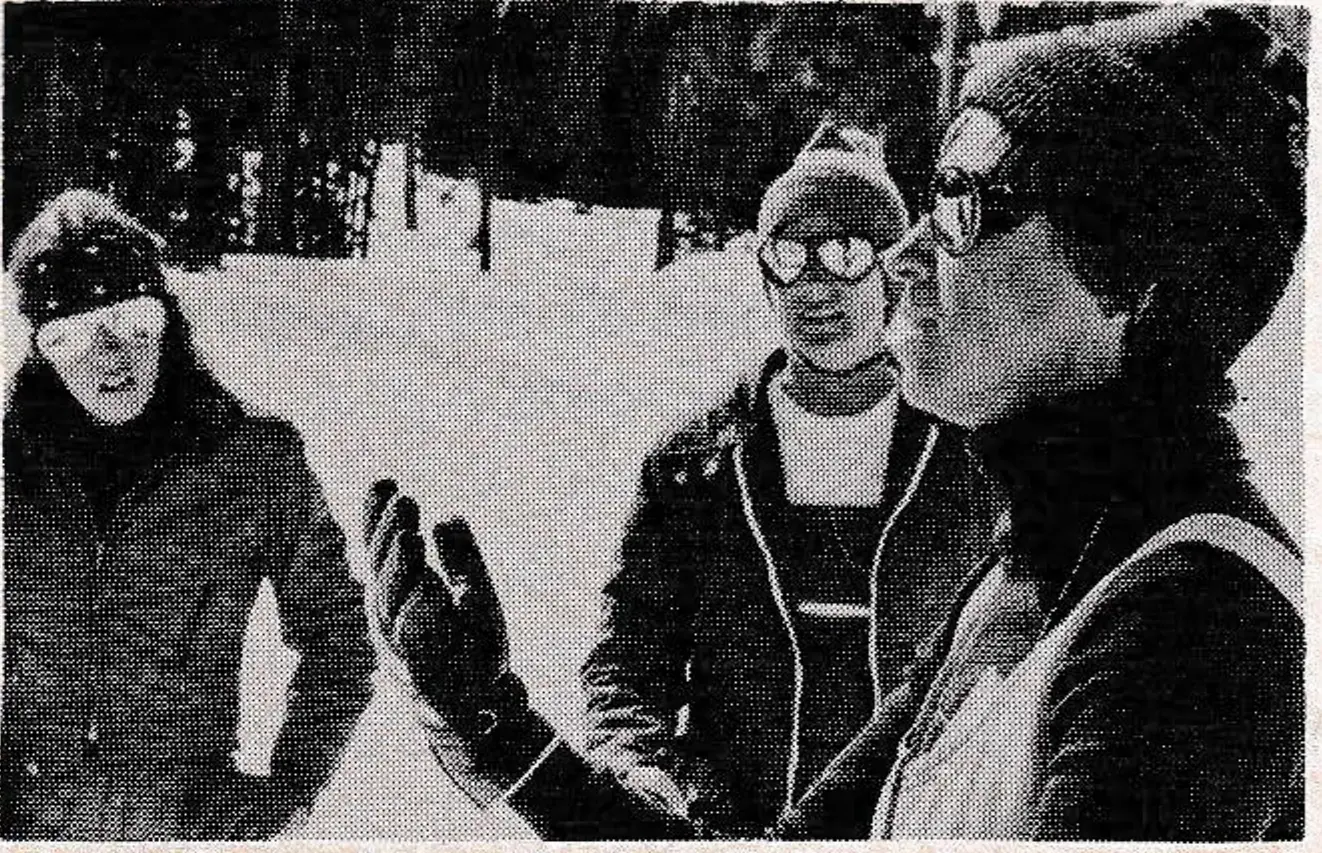
Bob Parker, president of Kirkwood, Ca., says the four seminars held on his mountain, “sold tickets, lodging, food; but like racing, the real payoff isn’t monetary: it’s exposure. We now have a real entree into the southern California market via women who never would have come up here otherwise.”
Jean-Pierre Pascal, director of the ski school at Squaw Valley, which hosted two “Woman’s Way Seminars,” says, “Elissa has been part of this ski school, but for the ‘Woman’s Way’ she came as a private entrepreneur. It was fine with the management. The ski school is the only group that objected. But we profited. She used some of our women instructors for her group and she paid us a percentage of her revenue. It was only a minor portion of our business, but it got us media attention and it sold lift tickets and lodging for the community. Everybody profited. We probably would never have gotten these people here for an ordinary week of lessons.” (Slanger says the individual women instructors have picked up a flock of private-lesson business from the Seminars.) This winter, Slanger is expanding, and will stage Woman’s Way alpine and nordic seminars in the East as well as the West.
Sugarbush pioneered the head-trip week, introducing its “Centered Skiing Workshop” in 1975-76. This past winter, its third, Sugarbush management says it “finally broke even.” Before, the benefits were judged to be intangible, but real, because of the excitement generated by th press. Sugarbush used a small, intensively trained team of its instructors, who worked under Siggi Grottendorfer, the ski school director, and Denise McCluggage, a local writer, racer and enthusiast for martial arts who subsequently wrote a book called “Centered Skiing.” McCluggage has moved out of Vermont and at this writing, Sugarbush is not certain of the future form of its workshops, but “they will continue.”
Outer Limits was the name taken by Mike and Linda Corcoran, instructors at Sugarloaf, Me., to describe their program for advanced skiers. Four hours of special classes, given Monday through Friday, cost $200 for lifts, lessons and use of Rossignol ST comps and Besser bindings. Only about 20 people signed up all season, which was disappointing “but worth doing,” says a Sugarloaf spokesman. This season, the area intends to increase its promotion.
Grey Rocks in Quebec, the birthplace of the learn to ski week in the 1940s, became the birthplace of the yoga-flavored ski week in 1975-76. Throughout the season instructors Arne Leutz, co-author of Ski with Yoga: Conditioning for the Mind and Body, and Mike Swan each conducted a week-long series of classes utilizing Leutz’s ideas on yoga, for advanced beginners and intermediates. Other instructors used some yoga exercises too. The resort, which traditionally attracts week-long vacationers who buy lesson packages, did not promote the yoga classes, “Yet says Real Charette, director of the ski school, “People had heard of it and asked for it in private lessons if they couldn’t get in the classes.” Next year? “We’re still studying it,” says Charette. “We have to be careful not to take the old-fashioned fun out of ski teaching.”
Total immersion into the psychological is not essential to special ski weeks. Snowbird, in Utah, used “Hidden Star” as a theme, combining traditional teaching with the psychological approaches that are part of the book bearing that name, co-authored by Corky Fowler.
Copper Mountain, which ran the country’s first “Inner Skier Week” with Tim Gallway in attendance in 1977, this year introduced its own series of “Advanced Skiing Seminars.” Jerry Muth, Copper’s director of skiing, describes the course as using both traditional directive teaching (do this, not that), as well as the Inner Skier-type exercises emphasizing concentration and awareness. “We don’t use the name or the program but these exercises are part of every class here,” he says.
Last year, four seminars drew over 60 skiers, at a price of $400, including lodging, meals, lifts, instruction, films and talk sessions. This year, there will be six seminars but the price will be around $200. “We took the lodging out; it made the price too high,” says Muth.
The value of the Seminars was publicity, not immediate profit. Did it hurt the ski school? “How could it? Good skiers don’t go to ski school, but they need it.”
Observing thse successes, the wily area executive wonders, “Should we get in on this?”

After all, many area managers will say ever since Tim Gallwey’s “Inner Game of Tennis” came out in 1974, ski instructors, sometimes entire ski schools, have switched to emphasizing what takes place in the mind of the skier—relaxation, concentration—instead of issuing external commands such as “Bend the knees, shift the weight.” Their own ski schools might already be utilizing the philosophy. Its appeal to the public is clear. Gallwey’s subsequent “Inner Skiing,” written with Bob Kriegel, last spring became the first ski book in history to make the bestseller list (No. 8 in the N.Y. Times‘ compendium). Why not repackage this appealing philosophy and charge $250 a week, too?
Morten Lund is the Ski Magazine contributing editor who has written extensively about Inner Game teaching, and who also served as an administrator and on-hill instructor for the four magazine-sponsored weeks. “It is not enough to read Gallwey’s book and run out and duplicate his exercises. I’ve seen some ski schools that tried setting up a special week using untrained instructors. They failed. It takes a deep understanding and serious training.”
The four weeks tried last year were done as an experiment. Ski Magazine provided the credability and, when it came to reserving rooms at busy resorts, the credit rating. Inner Game Resources, the outfit Gallwey has formed to conduct practical applications of his philosophy, trained the volunteer instructors.
They came from all over—Washington, Utah, Colorado, even Zermatt. Bob Kriegel, co-founder of the Esalen Sports Center, has long worked with sports as therapy. As a ski technician, he is an enthusiastic recreational skier, but his background made him able to help train the instructors. Gallwey is a very inexperienced skier but an astonishing leader whose personality and ideas generate enthusiasm.
In actual practice, Kriegel, not Gallwey, ran the Inner Ski Weeks, presiding over the morning yoga classes and lectures and the afternoon lectures and “sharing” of experiences among students. Gallwey appeared only briefly at three of the sessions. It is notable that at the last and probably most successfull week, the Keystone session, Gallwey did not appear at all.
As a student at that week, I can testify that the announcement that Gallwey was detained in England because of a minor accident, was greeted with disappointment, then disbelief and ultimately disinterest by those who had paid $260 on the strength of his name. There was too much else going on that kept the customers happy. (A psychiatrist and his wife did drop out in the middle of the week, with the doctor muttering that he had expected more specific instruction. Most of the others felt their skiing had improved; for many, including me, the improvement was readily visible.)
At this writing, it is not known whether the Inner Ski Weeks will continue as a floating school or will settle in one or two areas, or whether Ski Magazine will continue its sponsorship.
Several areas are interested in having the weeks take place on their premises, even if it means using outside instructors. Emo Heinrich of the Stratton Mounta, Vt., is one candidate. Heinrich attended the session at Mount Snow as an observer and on the last day is reported to have said, “I am 57 years old and have been skiing most of my life. I know that people recognize me on the slopes as the ski school director and they can see that I cannot ski the way I did when I was younger. This week, I have learned to concentrate on the enjoyment of skiing. For the first time in years, skiing is fun for me again.”
Inner Skiing has its Gallwey and Kriegel, Centered Skiing had McCluggage, Woman’s Way has Slanger, Yoga Skiing has Leuchs. It would seem that charismatic, prestigious personalities are as essential to success as an exciting philosophic base and a staff of enthusiastic, well-trained instructors.
Another common thread: the ski areas that attracted pupils to these costly weeks are areas that the public perceives as destination resorts. People were willing to invest their vacation time, a commodity almost as precious as money. Yet both teachers and pupils think these same people would not have come for ordinary ski weeks.
Would an Inner Ski Day or a Centered Ski Morning work at a neighborhood hill? Nobody seems to have tried packaging one—yet. Maybe this is the winter you could apply the lessons of the week-long efforts and design a head trip for your area.