

Following the 1974-75 ski season, Devil’s Head shut the lifts off and spent the next three months recuperating with one employee, manager Domenic DiGirolamo, on the payroll. It was the area’s third year, its third year in the red and the end of a devastating season of light snow and early thaw.
Three seasons later, Devil’s Head had 160,000 skier days, the 138-unit lodge had an occupancy rate of 99 per cent, lift ticket sales were up more than 30 per cent above 1976-77 and 100 employees are on the summer payroll at what is now a thriving year-round resort.
The management philosophy responsible for the gains since that grim spring of ’75 is multi-faceted but simple: emphasize a full service resort that’s easy for customers to use and enjoy, make sure employees know what the product is and maintain absolute control over the entire operation.
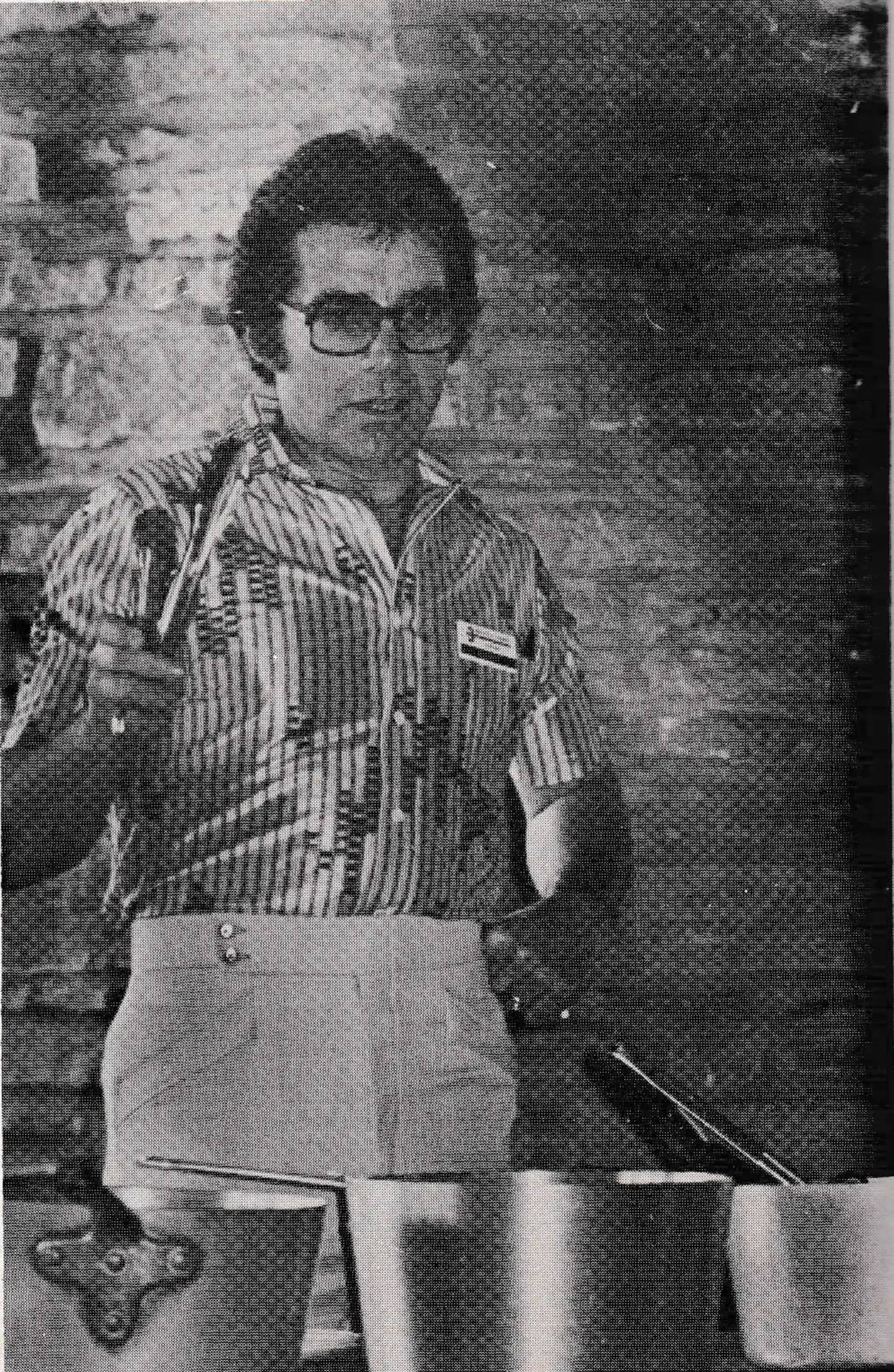
“I think the industry as a whole has put too much emphasis on active skiing,” says DiGirolamo, addressing himself to his top priority. “As a nation we’re intermediate skiers and a recreational skier isn’t going to fight the hill eight hours a day. We sell a mini-vacation, a break from the normal schedule, with activities for both parents and children, for skiers and non-skiers.”
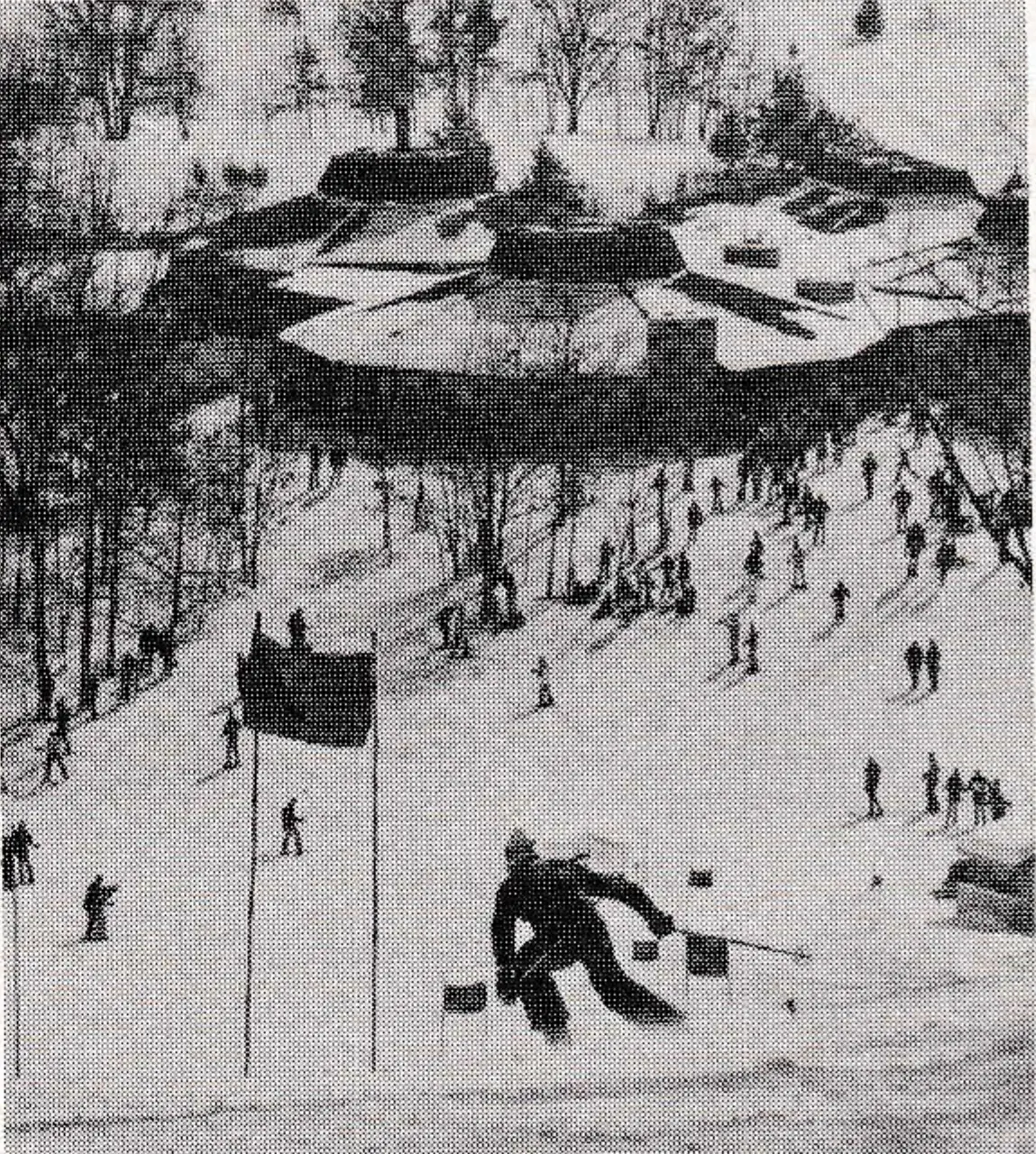
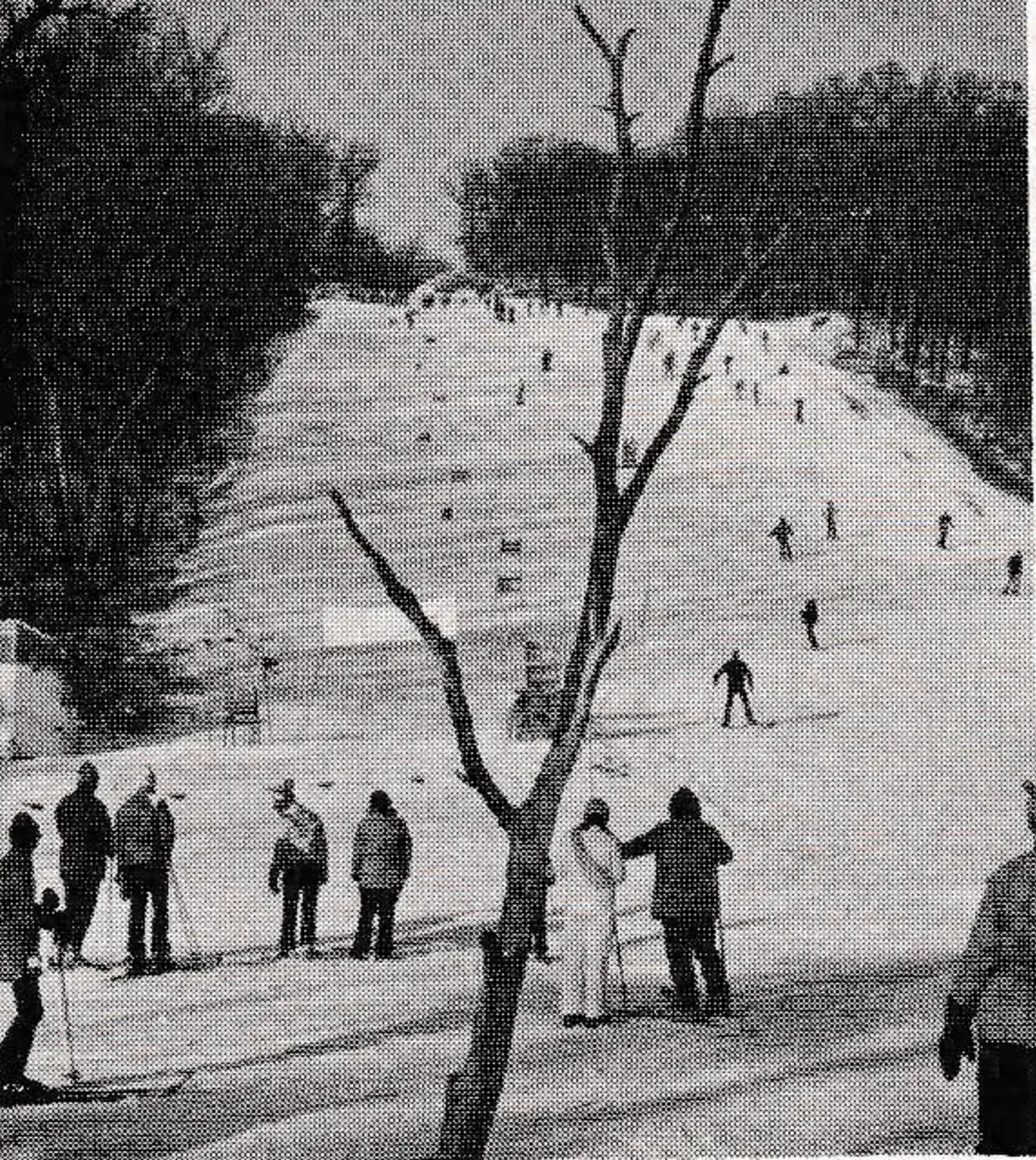
At Devil’s Head vacationers ski on seven slopes and three beginner teaching areas served by six double chairlifts, one triple chair and three rope tows off a 495 foot vertical drop. But an indoor heated pool, whirlpool, sauna, game room, shops, dining room, cafeteria, Lift Haus restaurant, two lounges and nightly entertainment provide the big resort atmosphere that keeps the skiers coming back. The area operates from 10 a.m. to 11 p.m. weekdays and from 9 a.m. to 11 p.m. weekends with half an hour break between day and night skiing.
“The ski hill is obviously our principle source of satisfaction,” says DiGirolamo, “but the snow conditions aren’t as important as whether the skier has an enjoyable encounter and is treated like a respected guest.”
To make the encounter enjoyable, Devil’s Head throws free wine and cheese parties three nights a week for house guests and offers entertainment every night. Facilities cater both to the individual who wants a $12 dinner and drinks in the main bar and to the guest who wants a $1.50 snack and a budget beer in the cafeteria or Lift Haus.
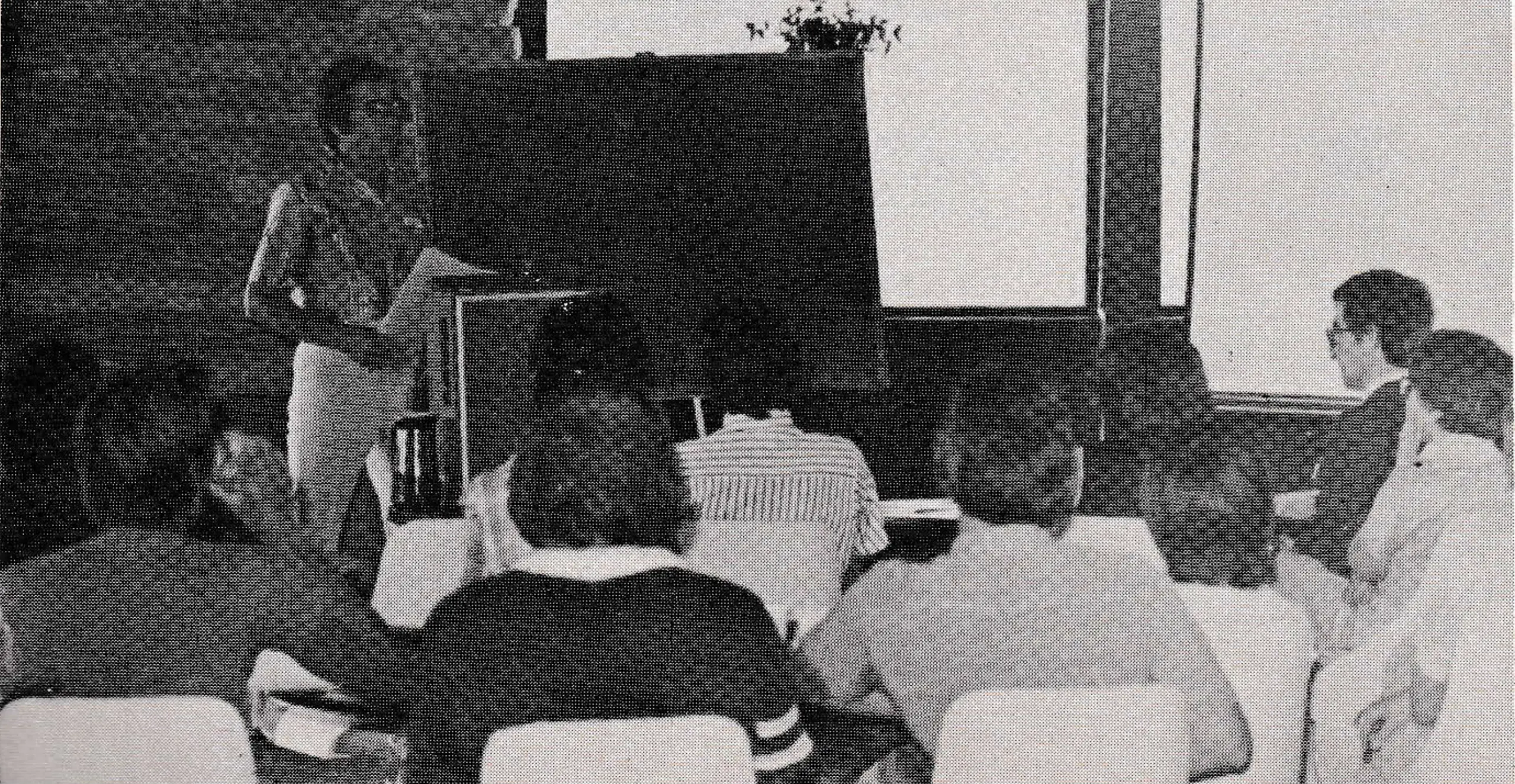
“We invest a tremendous amount of time and money training our employees,” says DiGirolamo. “We have to teach the individuals we hire how to sell Devil’s Head as a product and how to sell the product of their own department on a one-to-one basis with the customer.”
A nine-hour in-house training program for all employees each November, conducted by DiGirolamo or under his supervision, is one of the ways he exercises control over the resort operation, the control he believes to be essential to the profitability of any ski area. Salaries alone for the mandatory program run about $12,000.
DiGirolamo combines lectures, role playing slide presentations, films and printed materials in the program. For example, a booklet and the Barringer and Williams movie on lift operation, initiate training for lift operators. These are supplemented with an in-house slide demonstration illustrating do’s and don’ts. Actual practice operation of the chairlift and enactment of some of the situations a chairlift operator may encounter conclude the sessions.
Role palying is the primary teaching mode for motel clerks, ticket sellers and telephone switchboard operators. Lectures and demonstrations play an important part in training dining room personnel in the proper ways of serving, preparing food at tableside and pouring wine.
DiGirolamo relies heavily on the hotel-motel, food and beverage and ski industry trade journals for ideas and films. He highly recommends Training Magazine, a new publication (Lakewood Publications, 731 Henneppin Ave., Minneapolis, MN. 55403). The local library is the source of psychology and business management books, and if DiGirolamo finds an interesting training concept or program that is too expensive to buy, the library can often arrange inter-library loans on related books and materials from the University of Wisconsin.
In addition to training, Devil’s Head depends heavily on a reporting system with each supervisor of the 18 departments reporting activities to management on a shift basis, and internal accounting reports coming across DiGirolamo’s desk weekly. Report monitoring is supplemented with on-th-spot checks. All employees have operations guidelines to refer to and no one can change policy without approval of the manager.
“If someone takes it upon himself to change the product without my knowledge that causes a breakdown in communications,” DiGirolamo points out. “Frequent breakdowns result in utter chaos and under those conditions you don’t have time to check the phone bill. You just pay it and that’s where you start losing money.”
DiGirolamo’s operating philosophy began taking shape when he joined sister ski resort Alpine Valley, East Troy, Wis., as assistant manager. In 1969 when Alpine Valley Resort, Inc., and its Michigan partner corporation, Alpine Valley Ski Area, Inc., decided to add a fourth ski area to their Midwestern ski network, DiGirolamo, with his background in accounting and economics, was tapped to fill the manager slot.
But an area unencumbered with a past doesn’t necessarily turn a profit right from the beginning. “We were strictly in the red the first three years,” says DiGirolamo. “We broke even our fourth and have been operating at a profit ever since.” The operating philosophy was the same from the beginning, according to DiGirolamo. It just took time for people to become aware of Devil’s Head. To encourage continued growth, DiGirolamo relies primarily on advertising, ski shows, package plans, group business and promotions such as free beginner days.
Devil’s Head’s 1977-78 ski season ad budget, invested primarily in Chicago newspapers and in radio spots, totaled $57,000 from October through February. In addition to advertising, DiGirolamo put another $1,200 to $1,500 exhibiting at the Chicago ski show which he considers a necessity although the expense per potential skiers is extreme. “If you’re not there, skiers wonder if you’re still in business so I use it as a training ground for employees and a forum for customer feedback.”
The package plan is what keeps the lodge full at Devil’s Head. Devil’s Head offers full American plans on weekends and both modified and full American plan packages on weekdays year-round. The resort has a direct phone line to Chicago, its primary winter market, so skiers need not foot the bill for a long distance phone call and a special travel agency created by Devil’s Head is responsible for finding lodging in the area for guests who cannot be accommodated in the resort’s facilities.
Group skiing represents a major part of Devil’s Head’s revenue, so profitable that three years ago DiGirolamo appointed two people to the staff who do nothing but deal with groups.
Free beginner days are another marketing tool used by Devil’s Head for the past two seasons. Offering free rental equipment, free rope tow tickets and a free ski lesson to beginners on seven different Tuesdays last season, the area attracted as many as 700 new skiers in one day.
“The ski industry asks a skier to try skiing, but then we tell him he needs $15 to do it, plus transportation, plus a meal and he’s risking his body to boot. Under those circumstances I wouldn’t be a skier ether if I weren’t in the business,” says DiGirolamo. “I think we should be gracious enough to open our doors and say, ‘Try it. If you like it then you can start paying.’ “
Devil’s Head averages 6,000 to 7,000 skiers per weekend, 1,500 per weekday and 600 evenings. Skiers of all ages pay $8 for a midweek daytime chairlift ticket, $5.50 for a rope tow ticket. On weekends the chair lift costs $10 and the rope tow $6.50. Night skiing costs $6 for the chairlifts and $4.50 for the rope tows. Although lift tickets are the biggest money maker—with the lodge running second—all departments, including the ski school, which is leased, the ski shop, rental department and the food and beverage operation, are revenue generating. Real estate at Devil’s Head, where a dozen condominiums now exist and another 100 are planned, is a sideline with the main objective being to create a built-in trade and additional lodging facilities for weekend crowds.
Summer business carries the expenses of maintaining an outside crew to handle hill and chairlift maintenance and provides a profit on the inside operation as well. Summer facilities include an 18-hole golf course, one indoor and one outdoor swimming pool and two double tennis courts. Conventions, booked primarily during May, early June, September and October, make up about 25 per cent of the summer business, with vacationers responsible for most of the business in June, July and August.
Expansion plans include a 100-unit high rise motel, construction of which has been postponed until spring of 1979. The new motel will include added convention facilities and the resort will expand its golf course to enhance a summer package and insure a profitable occupancy rate. A new quad chairlift is being installed and an additional ticket-rental building constructed for the coming season. “We don’t play the debt-to-asset-ratio game,” says DiGirolamo, in summing up his management philosophy. “We invest in what we need and what will generate increased profits.”