
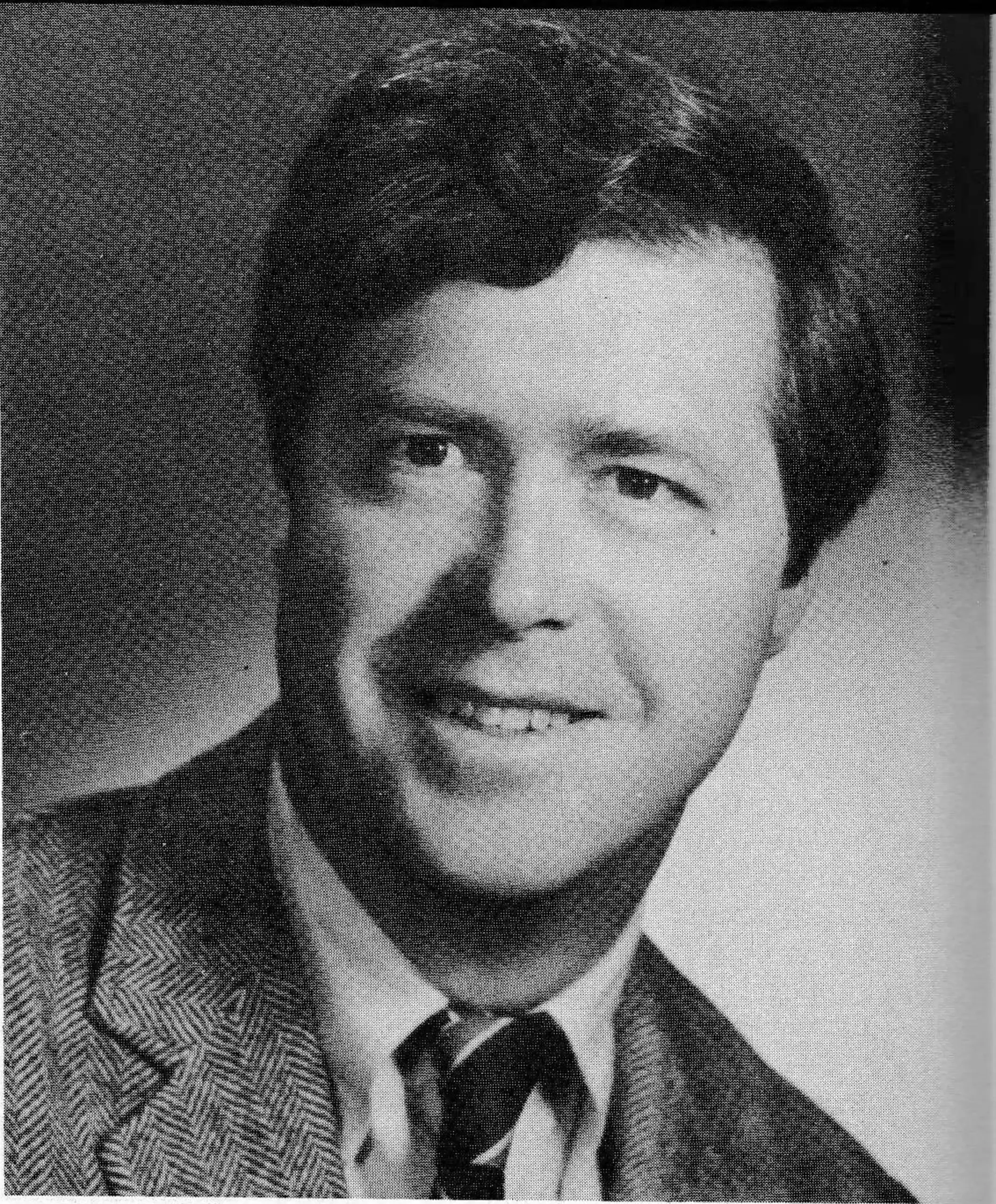
In anticipation of the insurance seminar at the NSAA Convention, as well as for the benefit of those who cannot attend, SAM decided to interview H. Felix Kloman, president of Risk Planning Group, and consultant to NSAA on insurance. Felix has authored numerous articles on funding techniques and other aspects of risk management. Before starting his own firm, Felix was with Lukens, Savage and Washburn which started the original NSAA Insurance Plan in the early 60’s.
Q. Felix, how the hell did we get into this insurance mess that seems to be breaking our backs? I understand that some of it stems from problems within the insurance industry itself.
A. Yes, that’s fair. The insurance industry in the United States has sustained severe underwriting losses over the past several years, offset to some extent by the one billion dollar profit shown in 1977. Nonetheless, despite this profit, there has been an underwriting loss of over $8,000,000 from 1973 through 1977. At the same time, the capital and surplus base on which the industry underwrites was seriously eroded. Again, while this base has rebounded by some $4,000,000 in 1977, it is still inadequate, in the eyes of independent observers, to support the premiums which are now being underwritten. In simple laymen’s language, an insurance company generally should have at least one dollar of capital in surplus for every two dollars of premiums underwritten. Currently the national ratio is closer to 1 to 2.5. The simple result is that insurance underwriters are far more selective now than they were before.
Q. From a broad viewpoint, aren’t we in the same boat with everyone else — doctors, manufacturers, even lawyers?
A. Sure, for the past 20 years, our society has become far more litigation-conscious. Any real or imagined injury of any consequence tends to become a law suit. Even when these law suits are won, the costs of defense and investigation are very high indeed. This is borne out by the experience of both underwriters in the ski industry, which indicate that defense costs are running approximately 50 per cent of the actual loss cost.
Q. Is this litigiousness in our society getting any better?
A. Again, speaking as an optimist, I believe that we may well have reached the crest in the wave of litigation. There is a growing public recognition that the cost of this litigation is being borne by all of us and that the distribution throughout the entire system is not essentially fair. Tort reforms are being discussed in almost all the legislatures and we have seen real progress in other prior problem areas such as medical malpractice and product liability. It appears that the situation has at least somewhat stabilized.
Q. Without launching into the definitive answer, would you give a brief explanation of what Risk Management is?
A. Every ski area has responsibility for a variety of resources — employees, lift equipment, building, vehicles, the investment of stock holders and the use of natural resources such as water and forest preserves. These resources can be lost, damaged or impaired by a wide variety of accidental events such as fire, flood, loss of income, collision, or law suit. Risk Management for a ski area is the process of identifying these resources and the exposures that could affect them, then taking those controls which can eliminate or reduce loss, and finally arranging for the funding of risk to assure that the ski area can, indeed, stay in business after a loss.
Q. If your risk planning is good, there should eventually be a reduction in accidents and, therefore, a reduction in claims against your operation, right?
A. Yes, the heart of Risk Management is risk control — to attack the source of losses before they occur. If we know what could happen, we can begin to take intelligent corrective action. The result will show directly on the bottom line as well as in insurance premium costs.
Q. If that is so, where does the benefit come in terms of reduced insurance premiums? Can I be assured of being “experienced -rated” or will I still have to carry my share of the burden of the slip-shod operation down the valley?
A. There are several points I would like to make on this question. First, we tend to be too “insurance conscious.” Risk controls should be undertaken regardless of their effect or non-effect on insurance. Eventually, fewer losses will mean reduced premiums and a more competitive insurance market. It’s inexcusable to avoid a reasonable risk control just because you think an insurance company will not give you “adequate credit.” Second, like it or not, to a certain extent a portion of our insurance premium costs will reflect the loss experience of other ski areas in our own geographic area, as well as in the United States as a whole. Psychologically and economically, every ski area will bear the marks of the Vail Gondola loss and the Sunday vs. Stratton case. This is simply a fact of life.
Q. Some people have recommended an aggressive program of selling ski accident insurance to the customer as a way of reducing claims against ski areas. Do you see any merit in this approach?
A. Absolutely not! This idea was considered and discarded in the early 1960’s, and rightly so. The existence of accident insurance will have little or no effect on whether or not an individual will choose to sue a ski area, especially if the injury is a major one. I could be wrong, but frankly, I do not think the idea has any merit whatsoever. The only possible idea which I think could have any impact on the severity of liability claims might be a national major medical insurance program, and it appears as if Congress will not get to this idea at least this year.
Q. In the past year a lot of effort has gone into getting legislation passed in the state legislatures that will help establish legal grounds for the responsibilities borne by the skier. How do you assess the progress in this front, what still remains to be done, and what will be the rewards for these efforts?
A. While I am not a lawyer, I do believe that the effect so far has been salutory. Essentially a ski area, like a hospital or doctor or manufacturer, needs to know the rules of the game. Ski areas individually and as a group, through NSAA, should continue to press for better definitions of the rules on a consistent basis throughout the various states. The progress to date has been primarily that of publicity and discussion, although a few states have made an effort in passing legislation that defines more clearly the responsibility of the area and the responsibility of the skier.
Q. Can you bring us up-to-date on the so-called “Captive Insurance” program?
A. At this stage, the consensus is that the two current programs, through the American Home and Lloyd’s, are sound, reasonably competitive, stable, and fairly priced. A captive would require a far greater capital of surplus commitment than the ski industry appears ready or able to make at this time. We have suggested to the NSAA that it maintain the idea of a captive on the “shelf”, so that one could be implemented in a fairly short period of time should the market disintegrate in the future. At this time, we believe that the ski areas can best be served by continued support of the two competitive plans.
A. Graham Anderson, at the Western Areas Ski Insurance Plan, has indicated he thought there will be “more of a market for insurance in the future.” Assuming that means more underwriters willing to take ski insurance, does this mean a stabilization of prices or could it mean a reduction?
A. The insurance industry in the United States has a continuing problem of underwriting capacity. While London has recently increased its capacity, the overall market still has a disparity between the premiums that are being written and the surplus that is needed to support these premiums. I believe that the market for ski area liability insurance will remain very tight for at least the next two ski seasons. It appears that costs and rates, expressed as a function of ski lift receipts or skier days, will remain about the same or increase slightly. Frankly, I do not see any signs of major cost reductions.
Q. To put our industry into perspective, do you think we have had to bear an unfair insurance burden? Have we had a bum rap in the courts? In the legislatures? How many of our problems have been of our own making? How do we compare with other resort/entertainment industries?
A. The cost of insurance is primarily a reflection of the losses which ski areas have been forced to bear. To a certain extent, the industry itself can be blamed for failing to recognize that it now has a national, rather than a regional or state, stature. There is a growing need for national standards and a recognition by the ski area operators themselves that they are part of a national recreation industry. Much greater attention will have to be paid to safety and loss control, even to protecting people against themselves. In a sense, the explosive growth of the ski industry outstripped both its internal and industry management techniques. Frankly, I don’t think that the insurance burden has been particularly unfair although I recognize that it has been financially onerous. I think that the insurance industry,particularly through the various ski area insurance specialists, has tried hard to respond intelligently. Our report to the National Ski Areas Association in 1977 indicated that the two major underwriting organizations for ski area liability insurance, the American Home Assurance Company and Lloyd’s of London, had been dealing fairly with ski area operators in terms of the rate in premiums charged as compared to actual losses sustained. This was further confirmed by an independent actuarial review of the NSAA insurance plan itself.
Q. You mentioned “safety” and “standards” — how do you think our industry is doing?
A. Historically, many of us gave lip service to safety and loss prevention when we had a growth economy and when insurance was cheap. Today it is expensive and sometimes non-existent, and we have an entirely new national psychology that demands resource conservation. We are no longer willing to tolerate accidents. Far more work needs to be done in setting standards nation-wide so that the skier-consumer who skis throughout the country will be able to find common conditions. I realize that such controversies as tower guarding, rental bindings, chairlift loading location or the proper type of runaway straps or brakes have ardent advocates on several sides of these questions, but if the industry is going to face the current economic and social problems head-on, it must come up with some guidelines and solutions, as difficult as they may be.
A. Are there other insurance facts of life we should be getting used to?
A. Yes, quite a few, and one I would like to emphasize is risk retention. When insurance was highly competitive buyers did not accept the level of risk retention through deductibles that they could otherwise have afforded. In effect, we over-used insurance for funding risk. Today the demand is for far higher levels of risk retention through deductibles and/or self-insurance.
Q. What else do you see down the road?
A. Again, as an optimist, I believe the current situation is beginning to stabilize. Ski area operators now understand much more about the nature of the insurance mechanism and they are beginning to realize their responsibility for developing broader and more aggressive loss prevention programs. Both the NSAA and individual areas are pressing more vigorously for a fairer statement of legal liabilities in the courts and legislatures. The discussion of a “captive” insurance company indicates to the insurance market that the ski industry is at least willing to consider alternatives should the market collapse or should conventional insurance overhead costs be considered too high. With all of this, a better understanding of risk management should enable both the large and small ski area operator to plan intelligently for the future and to control those risks of accidental loss which could seriously impact resources.
Q. At the start of the discussion I asked for a brief explanation of what you mean by Risk Management. Because you feel it is so fundamental to our “final insurance solution,” perhaps you would like to close by expanding a little.
A. Yes, I certainly would, and I’ll do so by identifying five basic stesps to the risk management process:
Exposure Identification: The identification of exposures to accidental loss including loss of or damage to physical property, loss of income, extra expenses and third party liabilities. The ski area operators need to undertake a periodic review of their exposure so as to better understand them.
Risk Evaluation: Area operators should maintain a running five year record of losses, both paid and reserved, including expenses connected with such losses so that they can evaluate the trends as well as the adquacy or inadequacy of insurance costs. These loss records are essential to a sound risk management program.
Risk Control: A coordinated risk control program should be established, including personnel safety, product conservation, emergency planning, auto safety, environmental protection, etc. A group of ski areas in the Rockies has already retained an independent professional personnel safety consultant to work with them on a periodic basis. Other engineering inspections are, of course, available for the two leading ski area underwriters. However, a coordinated risk control program is essential.
Risk Financing: Areas should define for themselves the degree of risk which they are willing to self-assume and then purchase insurance only in excess of these figures. Far higher levels of risk retention will be required in the future. The insurance programs which are created should be better tailored to the actual exposures, and more services should be demanded from underwriters and insurance agents.
Risk Management Administration: Whether the area is very large or very small, one person must be assigned the responsibility for carrying out the risk management program. While it can be a part time activity, it must be a conscious activity.
In the beginning . . .
The subject is insurance, but that’s about all the relevance this box has to the accompanying article. But, it is such a neat piece of writing that we had to share it with you. It is by Jock Soper, and it is the introduction to his detailed and fascinating account in The Skier of the legislative maneuverings in Vermont that attended the passage of skier responsibility legislation. — The Editors
“In the beginning there was Cause, and God divided Cause into Rights and Responsibilities, and unequally He divided them, and so Lawyers sprang forth and the issue was joined. And Responsibility begat Blame and Blame Begat Damages and out of Damages came legions of Lawyers arrayed in host against Cause and Reason. And thus Fact was rent asunder and sown over with Statistics, and out of Statistics came Insurance, holding counsel against Fact and Fault and Cause and Rights and Reason. And Insurance carried off Responsibility and knew her, and out of that union came Liability.
And out of Liability came the damnedest political mess Vermont has seen since the Environmental Crisis.”