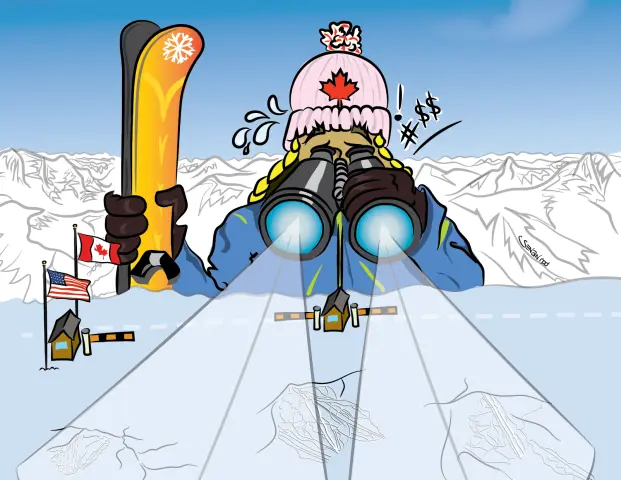

When it’s cold and stormy outside, you know that your best protection from the elements is to dress in layers. You start with a base layer, then add two or three insulating layers, and top them all with an outer shell.
Like dressing for the cold, you can protect your resort from exposure to liability claims by using layers of protection. You already know and use many of these layers, but you should re-examine them often and update regularly to make sure that you get maximum protection.
Here’s a way to look at your current operations with an eye toward improving overall guest satisfaction, while reducing potential claims.
The Base Layer
Your employees are your base layer of protection. They interact with your guests and provide the personal touch of the resort. The quality of this layer depends on your resort’s philosophy on safety and, perhaps more importantly, the care used in hiring, educating and training your staff. A top-down commitment to safety, emphasizing behavior modification of both staff and guests, can secure the best protection from claims.
For example, a well trained patrol staff who remain alert to changing conditions on the hill, render quality first aid to the injured and complete the incident report forms completely, accurately, and legibly will provide not only a good defense in the event of a claim, but may often blunt the urge of someone to sue. A ski school staff trained to emphasize the Skier’s Responsibility Code in every lesson in addition to the how-to part of the lesson plan will have a direct impact on reducing the number of future claims.
Lift attendants, groomers and maintenance personnel are additional micro-fibers of this layer and should be included in safety training. Common courtesy and good manners will always make a difference. Polite negligence may be forgiven and forgotten, but negligence with an attitude will always be remembered.
This approach, attitude and direction must come from the top, with reinforcement at all levels. If it is, you just might wick away a liability claim.
Insulation Layer No. 1: Signage
Signage is a key element of protection throughout your resort. The trail map posted at the base should include the Skier’s Responsibility Code and Smart Style rules. Think of your signs this way: If you could meet and greet each guest individually and introduce them to your mountain, what would you want to tell them?
Make sure that the map is updated and clearly indicates the locations of new features and trails. Individual trails should be appropriately designated for ability and marked accordingly. Update and post daily ski condition reports to detail where snowmaking and trail grooming have occurred. Trail closures can be conspicuously posted at the ticket window and in the lodge. Closed trails should be visibly posted and roped off.
Terrain parks merit additional signage, specifically a warning that manmade features are present and extra caution is advisable. Terrain park entrances should also be gated so that the signs are obvious to all who enter.
In the base lodge area, post “slippery when wet” caution signs when this warning is necessary.
Insulation Layer No. 2: Documents
Documents can also keep you from overheating. As with renters, have participants in ski school programs, adult race leagues or similar programs sign release and indemnity forms that protect you in the event of an accident. Make sure that the wording of these agreements is clear and unambiguous and includes a reference to any negligent acts of the resort or its employees.
As for equipment rental forms, get the approval of the equipment manufacturer who you will look to for indemnification. Since these are legal documents, have them reviewed by competent local counsel to ensure their maximum effect.

Personnel handbooks, manuals, guidebooks, and other employee training materials should communicate the resort’s commitment to safety of both employees and guests. These written materials should contain a consistent message regarding the paramount importance of safety. Follow and strictly enforce the rules described in these materials, since any deviation will most certainly be used against the resort in a lawsuit. Documents only provide insulation if you mean what they say.
Keep a written record of daily events for resort operations. Lift maintenance logs, lift operator logs, patrol sweep logs and band-aid logs can help to recreate a sequence of events months or years after they took place. Incident investigations are a critical component of a claim file; the documentation should be accurate, complete and legible (think “ACL”).
An incident investigation file is almost always discoverable and will be carefully dissected by lawyers from all sides. The quality of documents (both form and content) will be a direct reflection of your resort. If documents are prepared with care, the implication is that you care. If the forms are outdated or they are filled out sloppily, the implied message will be quite different.
Insulation No. 3: Laws
The statutory and common laws of your state are another layer of protection. Clearly, in those states that have a ski statute, like Michigan’s Ski Area Safety Act (SASA), following the letter of the law may serve as a complete bar to a claim. Knowing the law is the first step.
The next step includes demonstrating your knowledge of the law through your actions. For example, if you are required to post signs, like certain provisions of the statute or trail closures, then post the signs. If you are required to close a trail during grooming operations, then be sure the trail is closed. It’s worthwhile to devote the time and resources necessary to train your employees in these responsibilities.
If your state does not have a ski statute, then you should be aware of your duties and responsibilities under the common law. In most states you, as a landowner, have a “duty of reasonable care” to maintain your property in a reasonably safe condition. You may also have a duty to warn patrons of dangers that you know, or should know, could cause those patrons harm, such as exposed rocks. If your state adheres to the assumption of risk doctrine, then you need to tailor your conduct accordingly. For example, signs warning of terrain park features or other advanced terrain help prove the claimant’s knowledge and/or disregard of an obstacle.
Be mindful of the consequences of doing something that you may not be required to do by statute or common law. For example, if you decide to put pads on all snowmaking equipment, then the pads better be in place and be suitable for their intended function at all times. Consult and/or retain competent local counsel familiar with the relevant statutory and common law, and insist that your attorney keep you informed of any new developments in the law.
The Outer Shell: Insurance
Your insurance coverage is like your outer shell. When the worst happens, you will be glad you have it. Your coverage will include the legal defense to a lawsuit as well as the payment of any adverse judgment (so long as it is within the policy limits). This layer should be carefully crafted so that you do not under-insure or over-insure. For example, if your resort features a terrain park where, according to industry sources, claims are more frequent and serious, a CGL policy with $500,000 limit per occurrence may not be sufficient. You may need excess coverage and/or an umbrella policy to protect your resort in the event a claim goes from bad to worse.
And finally, keep your insurance broker informed of any and all changes in the operation of your resort.
Just as no single layer of clothing offers complete protection, the individual layers of protection on your resort may not prevent a lawsuit, either. But following the above steps will help secure the layers of protection you need and assist your claims specialist and defense counsel.